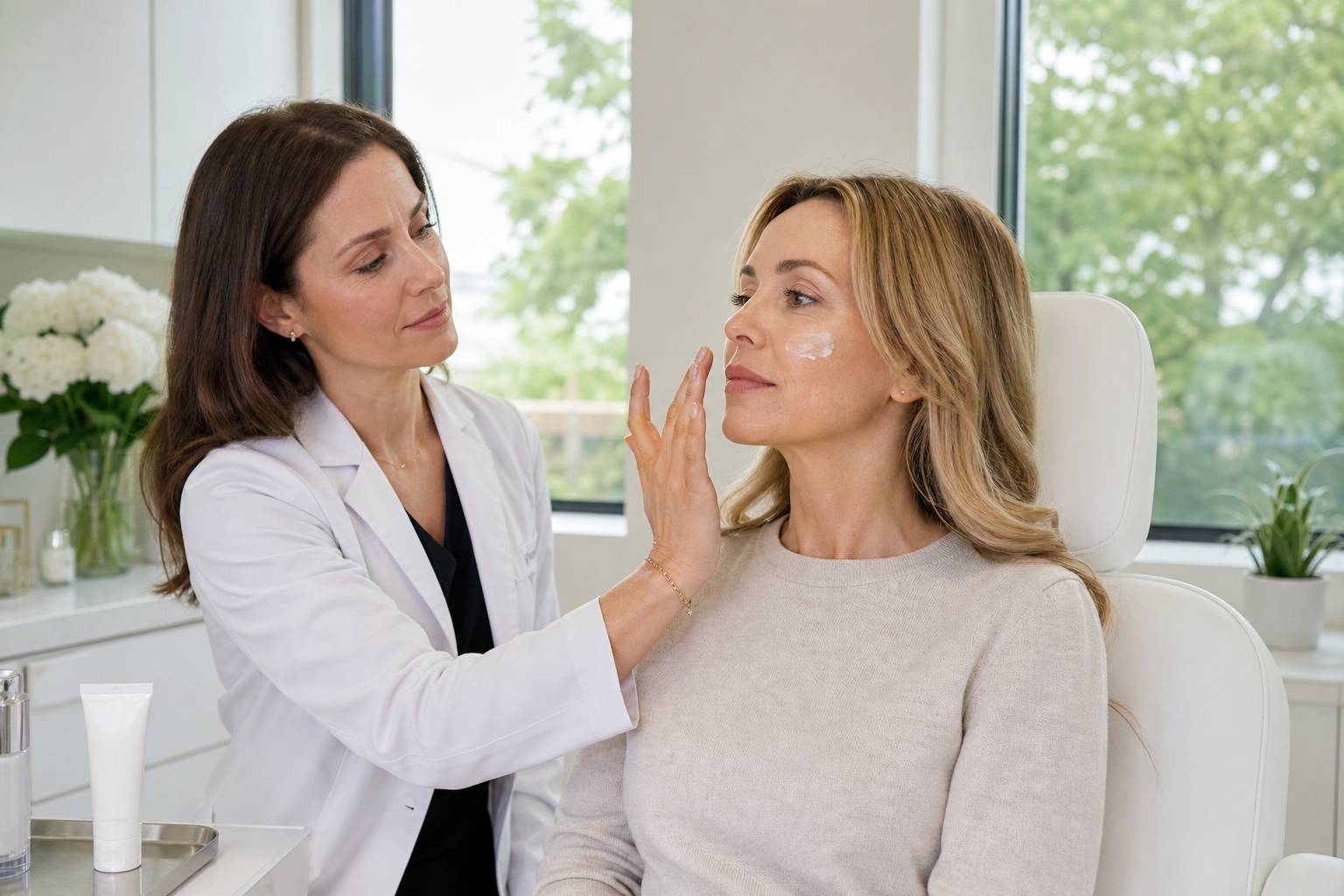
Visible capillaries on the skin, often appearing as delicate red or purple lines, are a common concern for many individuals, especially those with fair skin or individuals exposed to contributing factors such as aging, sun damage, and genetic predisposition. These tiny blood vessels, which become apparent near the skin's surface, can influence not only aesthetics but also self-confidence and quality of life. The question naturally arises: can visible capillaries disappear on their own, or is medical or aesthetic intervention necessary? This question matters because understanding the nature of these vascular changes empowers individuals to make informed decisions about managing their appearance and skin health.
This comprehensive article is intended primarily for people who have noticed visible capillaries on their face or legs and want to learn more about what these changes entail. It also serves those considering treatment options such as laser or vascular therapies, seeking credible dermatological insights to set realistic expectations. Understanding the causes, differences between related vascular conditions, and the potential for spontaneous resolution provides clarity for anyone facing the challenge of visible capillaries.
Visible capillaries, also known as telangiectasia, spider veins, or broken capillaries, are part of a spectrum of vascular changes affecting superficial blood vessels. While their presence can be purely cosmetic, in some cases, they may hint at underlying circulatory issues. This article explores the biology of visible capillaries, distinguishes between related conditions like spider veins and varicose veins, examines the likelihood of spontaneous disappearance, identifies contributing and risk factors, and discusses modern vascular laser treatments which can improve skin appearance safely and effectively.
What Are Visible Capillaries and How Do They Develop?
Visible capillaries, medically termed telangiectasias, are small, dilated blood vessels located close to the skin’s surface. They commonly appear as fine red, blue, or purple lines, commonly on the face—especially around the cheeks, nose, and chin—but are also found on the legs and other areas.
These vessels become prominent when the walls of the tiny capillaries lose their elasticity or sustain damage, causing them to dilate and become more noticeable through the skin. Multiple factors contribute to this phenomenon. Genetics plays a considerable role; individuals with a family history of weak capillaries or vascular fragility are more prone. Aging naturally diminishes the connective tissue’s support, rendering blood vessel walls more fragile.
External influences such as chronic sun exposure cause ultraviolet (UV) radiation damage to the skin and underlying blood vessels, weakening the vessel walls and making them susceptible to dilation. Hormonal fluctuations—common during puberty, pregnancy, or menopause—can affect vascular tone and contribute to the formation of visible capillaries. Environmental factors like frequent temperature changes, harsh skincare treatments, or physical trauma also exacerbate capillary visibility.
Understanding the Difference Between Visible Capillaries, Spider Veins, and Varicose Veins
To make informed decisions regarding care and treatment, it is vital to distinguish between similar conditions involving vascular irregularities.
Visible capillaries (telangiectasias) are the smallest dilated blood vessels, located on the skin’s surface, typically appearing as thin red or purple lines. These vessels usually do not cause pain or significant medical issues but can affect one’s cosmetic appearance.
Spider veins are small, dilated veins just beneath the skin, named for their spiderweb-like pattern spreading from a central point. They most commonly develop on the legs but can also appear on the face. Spider veins often indicate localized venous insufficiency but less severe than that causing varicose veins.
Varicose veins, on the other hand, are larger, tortuous, and bulging veins usually appearing on the legs and associated with chronic venous insufficiency. They can produce symptoms such as aching, swelling, and heaviness and may require medical treatment beyond cosmetic considerations.
Recognizing these differences is essential because treatment approaches vary accordingly. Visible capillaries and spider veins may be primarily addressed through cosmetic vascular treatments, whereas varicose veins often require a medical or surgical approach.
Can Visible Capillaries Disappear on Their Own Without Treatment?
The possibility of visible capillaries spontaneously disappearing is a subject of great interest. While some minor or newly formed capillaries, particularly those caused by transient irritation or inflammation, might diminish over time, the majority of visible capillaries do not resolve completely without intervention.
When capillaries are a consequence of temporary stimuli—such as an allergic reaction, skin inflammation, or short-term vascular changes—they may become less prominent after the underlying cause is alleviated. Adjustments in lifestyle, such as avoiding harsh skincare products, reducing sun exposure, or controlling temperature extremes, sometimes help reduce redness and the appearance of these vessels.
However, most visible capillaries related to permanent structural changes in vessel walls, genetic predisposition, or chronic environmental exposure tend to persist and may even expand or multiply over time. Once the vessel walls lose elasticity and the capillaries dilate significantly, spontaneous regression is unlikely. In such instances, proactive treatment or management is necessary for meaningful improvement or removal.
What Factors Influence the Formation and Persistence of Visible Capillaries?
Understanding the factors that lead to the development and durability of visible capillaries can inform preventative strategies and expectations related to treatment outcomes.
Genetic predisposition heavily influences the integrity and resilience of capillary walls. Individuals with a family background of vascular fragility are more prone to developing visible capillaries.
Aging diminishes collagen and elastin production in the skin’s extracellular matrix, leading to thinner skin through which blood vessels become more apparent, and weakened capillary walls prone to dilation.
Ultraviolet radiation from sun exposure damages both skin cells and the microvasculature, weakening vessel walls and increasing capillary visibility. Consistent sun protection reduces this risk significantly.
Hormonal influences cause vascular changes during puberty, pregnancy, menstrual cycles, and menopause through effects on blood flow and vessel tone.
Environmental stressors such as cold and heat extremes, exposure to wind, and harsh topical agents irritate blood vessels and can exacerbate or accelerate capillary formation.
Mechanical pressure and trauma from activities such as prolonged standing, heavy lifting, or harsh facial treatments may contribute to vascular dilation and visibility.
How Do Modern Laser Treatments Address Visible Capillaries and Improve Skin Appearance?
For individuals seeking effective and lasting solutions beyond natural regression, modern vascular laser treatments offer a scientifically validated option to reduce or eliminate visible capillaries safely and efficiently.
Laser therapy utilizes concentrated light energy targeted specifically at the hemoglobin within the blood vessels. This light energy is absorbed selectively by the red blood cells in the dilated capillaries, which leads to controlled heating and coagulation of the vessel walls. Subsequently, the treated vessels collapse and are resorbed by the body through natural metabolic processes, leading to the reduction or complete disappearance of visible capillaries.
This procedure is distinct from traditional surgical methods and offers minimal invasiveness. Treatment sessions are typically brief, and any discomfort is mild and temporary. The skin may exhibit some redness post-treatment, but downtime is generally short.
While laser treatment is highly effective, it is important to understand it does not alter genetic predisposition or eliminate all risk factors. Maintenance and preventive care play integral roles in sustaining results over time.
Why Do Facial Capillaries Appear and How Can They Be Prevented?
Facial capillaries, often appearing on delicate skin areas like the cheeks, nose, and chin, have specific triggers and preventive strategies that are pertinent to minimizing their emergence.
Facial skin is particularly vulnerable due to its thinness and constant exposure to environmental aggressors. UV damage and temperature fluctuations affect the facial capillaries more profoundly, causing weakening and dilation. Frequent washing with hot water or aggressive scrubbing can also impair capillary integrity.
Prevention focuses on sun protection by using broad-spectrum sunscreen daily, seeking shade, and wearing protective clothing. Gentle skincare, avoiding harsh exfoliants or irritants, and maintaining skin hydration support capillary strength. Managing underlying conditions such as rosacea or dermatitis, which enhance vascular reactions, is also important.
What to Expect from Laser Treatment for Visible Facial Capillaries and How to Maintain Results
Laser treatments for visible vessels and redness typically require multiple sessions spaced weeks apart to achieve optimal results. Patience and adherence to recommended treatment schedules enhance efficacy. Immediately after treatment, slight redness and swelling may occur but resolve within days.
Realistic expectations are crucial; while many individuals observe considerable fading or complete clearance of visible capillaries, new capillaries may develop over time due to persistent risk factors. Hence, regular follow-ups and preventive skincare are essential to maintain skin clarity.
Post-treatment care includes sun avoidance, application of soothing and hydrating products, and refraining from activities that aggravate vascular dilation such as alcohol consumption or exposure to extreme temperatures for a short period.
Consultation with a qualified dermatology or vascular specialist ensures personalized treatment planning and ongoing care tailored to individual skin types, vascular conditions, and lifestyle considerations.


