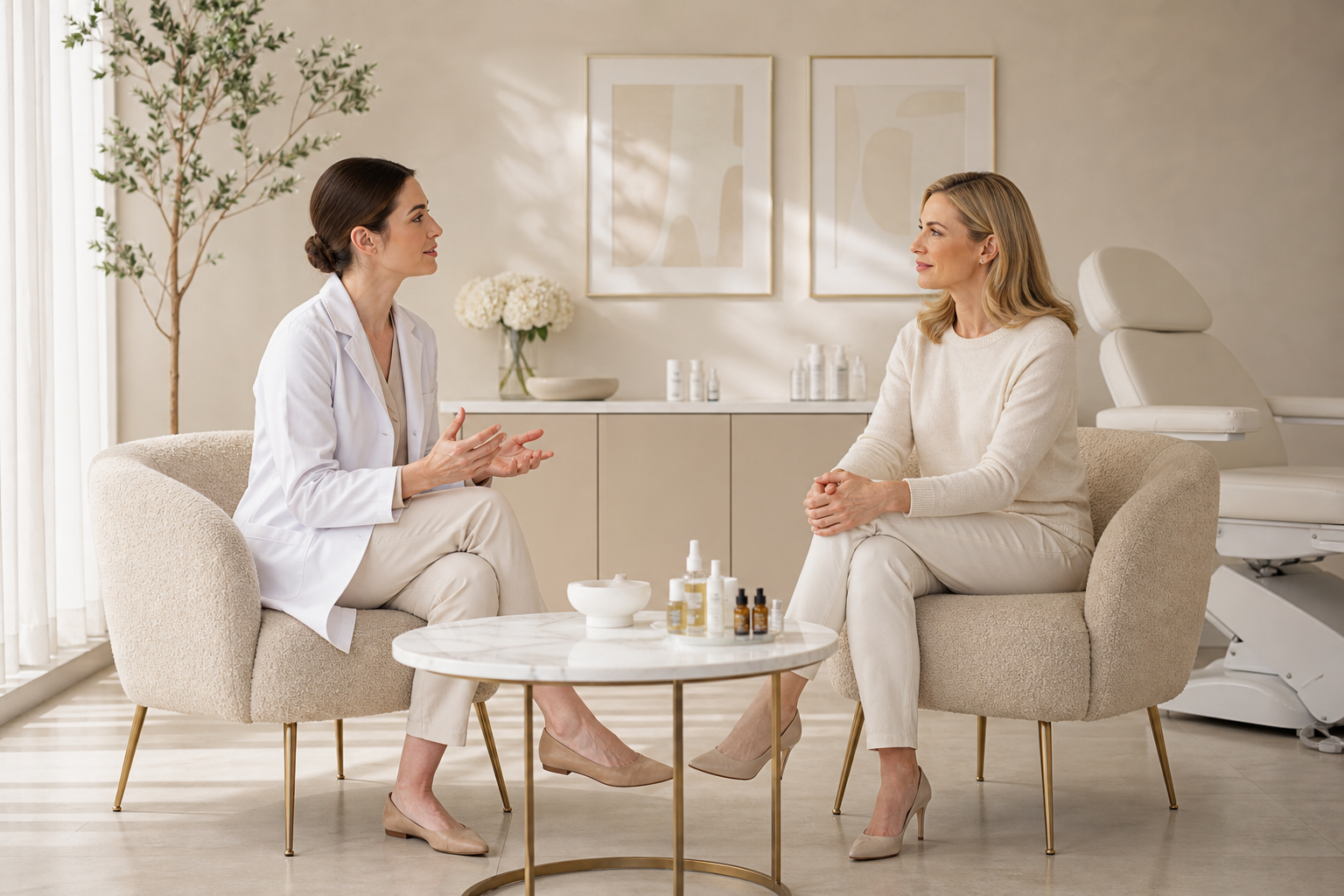
In today’s world, the quest for youthfulness goes beyond simply masking time’s effects; it embraces a holistic and scientifically-informed approach to skin health and appearance. As advances in cosmetic dermatology continue, more people find themselves considering not just single interventions but comprehensive strategies that combine multiple treatments. Creating a long-term plan for combined anti-aging treatments is a nuanced process that integrates various modalities such as Botox, hyaluronic acid fillers, skin boosters, and collagen biostimulators. This integrated approach is designed not only to address visible signs of aging but also to maintain skin vitality and function over many years.
This editorial addresses individuals considering anti-aging solutions who seek a sustainable, natural-looking, and medically sound path to preserve their youthful appearance. It is equally relevant for those taking a preventive stance before significant signs emerge and those aiming to enhance or maintain results after initial treatments.
Carefully orchestrated, a long-term combined treatment plan can optimize benefits, minimize downtime and risks, and align patient expectations with achievable outcomes. Central to this planning is thorough understanding of each treatment’s mechanisms, realistic expectations, and the importance of continuous professional guidance, without which even the most innovative interventions may fall short.
The Scientific Foundations of Botox in Anti-Aging Practice
Botox, derived from botulinum toxin type A, works by temporarily inhibiting acetylcholine release at the neuromuscular junction, preventing muscle contraction. This biochemical action effectively softens dynamic wrinkles—those caused by muscle movements—particularly around the forehead, between the eyebrows (glabellar lines), and crow’s feet near the eyes.
Notably, Botox does not directly enhance skin texture or hydration but plays a pivotal role in anti-aging protocols by relaxing muscles that repeatedly crease the skin. Regular treatment can delay the deepening of wrinkles and create a smoother skin canvas, which synergizes well when combined with regenerative procedures.
The effects of Botox typically last four to six months, necessitating retreatment to maintain results. This repetitiveness underscores the rationale for planned intervention cycles within a multi-year treatment program, designed to optimize timing and patient adherence.
Complementary Role of Hyaluronic Acid Fillers in Restoring Facial Volume
While Botox targets muscle activity, hyaluronic acid (HA) fillers address volume loss—a natural consequence of aging that manifests as sagging cheeks, sunken temples, and deep nasolabial folds. HA fillers provide an immediate physical augmentation by attracting and binding water molecules, replenishing lost fullness and smoothing static wrinkles independent of muscle movement.
When integrated with Botox in a staged treatment plan, fillers complement by sculpting facial contours and restoring youthful plumpness. Strategic application can highlight cheekbones, enhance lips, and soften shadowed areas without creating an overly artificial appearance.
The duration of filler effects varies by product and placement, commonly ranging from six to eighteen months, with gradual absorption leaving the skin’s supportive matrix progressively diminished. Therefore, a thoughtful schedule incorporating filler touch-ups aligned with Botox cycles ensures consistent, balanced facial rejuvenation.
Enhancing Skin Quality with Boosters and Collagen Biostimulators
Beyond wrinkle reduction and volume restoration lies the critical factor of skin quality—its hydration, elasticity, and resilience—which deteriorates as collagen and elastin production wane with age. Skin boosters and collagen biostimulators intervene here, promoting the skin's own regenerative processes at a deeper level.
Skin boosters typically use microinjections of stabilized hyaluronic acid to improve hydration and fine lines diffusely across the facial skin. Collagen biostimulators, often comprising poly-L-lactic acid or calcium hydroxylapatite, stimulate fibroblast activity to generate new collagen over months, providing gradual skin thickening and firmness improvements.
Their subtle, cumulative effects complement the more immediate corrective impacts of Botox and fillers, creating a natural enhancement cocktail that supports long-term skin health and youthful appearance. Clinicians must skillfully sequence these treatments, balancing timing to allow biological effects to manifest fully before initiating subsequent phases.
Personalized Consultation: The Cornerstone of a Successful Treatment Plan
No set formula applies universally in an anti-aging regimen; rather, customization based on a comprehensive clinical evaluation is imperative. Dermatologists or aesthetic surgeons assess skin type, degree of photoaging, wrinkle pattern, volume loss, lifestyle factors, and medical history to devise a plan aligned with patient goals and safety considerations.
During consultation, realistic expectations are set, including discussion of potential side effects, treatment intervals, and provisional treatment outcomes. This collaborative dialogue fosters informed consent and long-term patient satisfaction.
Such individualized planning also permits adapting the protocol over time in response to skin changes and lifestyle variations—ensuring the plan remains relevant and effective.
Ensuring Safety and Managing Patient Expectations
Safety in combined anti-aging treatments hinges on expert administration, appropriate product selection, and adherence to treatment intervals that respect tissue recovery capacities. Over-treatment or improper sequencing risks adverse events such as asymmetry, lumps, or prolonged bruising.
Open communication regarding the limitations of treatments guards against unrealistic hopes for permanent results or completely halted aging. The goal is improvement, not perfection, highlighting the importance of patience and ongoing maintenance.
Clients are also advised of contraindications like pregnancy, certain neuromuscular disorders, or allergies, emphasizing the medical foundation underlying cosmetic interventions.
Implementing a Phased Approach for Sustainable Anti-Aging Care
A practical long-term plan typically unfolds in phases, with initial treatments targeting major concerns—dynamic wrinkles via Botox and volume restoration by fillers—followed by skin quality enhancement using boost therapies and biostimulators. Each phase is followed by a recovery and assessment period, allowing evaluation of results and patient feedback before proceeding.
This progressive strategy facilitates optimal integration of treatments, reducing overtreatment risk and ensuring cumulative benefits. Monitoring intervals for Botox, fillers, and biostimulators are calibrated to stagger treatment effects harmoniously, maximizing overall improvement and extending duration between sessions.
Additionally, integrating daily at-home skincare regimens and sun protection significantly amplifies the longevity and quality of treatment outcomes, making lifestyle counseling an integral component of the plan.
Balancing Multiple Aesthetic Treatments for a Harmonious Result
Modern aesthetic approaches emphasize subtlety and balance, steering away from exaggerated or unnatural appearances. The combined use of Botox, fillers, skin boosters, and biostimulators allows practitioners to tailor interventions that respect each individual’s unique facial anatomy and expression.
By targeting distinct mechanisms—neuromuscular activity, volume loss, and dermal matrix quality—this multi-pronged approach achieves rejuvenation that appears authentic and preserves expressiveness, enhancing overall facial harmony.
Patient education on the role of each treatment fosters appreciation for the measured, patient-centric philosophy that defines successful anti-aging care today.
Adapting and Evolving the Treatment Plan Over Time
A key attribute of an effective long-term anti-aging protocol is its flexibility. As skin ages and responds differently due to intrinsic and extrinsic factors, treatment regimens must be reviewed periodically. Dosage adjustments, treatment frequency changes, or the introduction of newer therapies can optimize ongoing results.
Patients are encouraged to engage actively with their practitioner, reporting changes and concerns openly to facilitate timely adaptations. This dynamic interplay between client and clinician distinguishes true anti-aging maintenance from a simple patchwork of ad hoc treatments.
Through this evolving partnership, the plan remains aligned with the patient’s aesthetic aspirations, health status, and lifestyle, maximizing safety and satisfaction.
Choosing a Qualified Specialist and Clinic for Comprehensive Anti-Aging Care
The complexity of combined anti-aging treatments demands practitioners with specialized training, extensive experience, and a comprehensive understanding of facial anatomy and product interactions. Prospective patients should seek board-certified dermatologists, plastic surgeons, or similarly credentialed aesthetic specialists.
Clinic reputation, transparency regarding procedures and pricing, and demonstrated commitment to patient safety and follow-up care are essential criteria. Facilities offering multidisciplinary support—including skin analysis, expert skincare advice, and guidance on lifestyle modifications—provide an invaluable continuum of care.
Such integrative services ensure that long-term treatment plans are not isolated cosmetic events but parts of a cohesive, medically grounded skincare journey.


