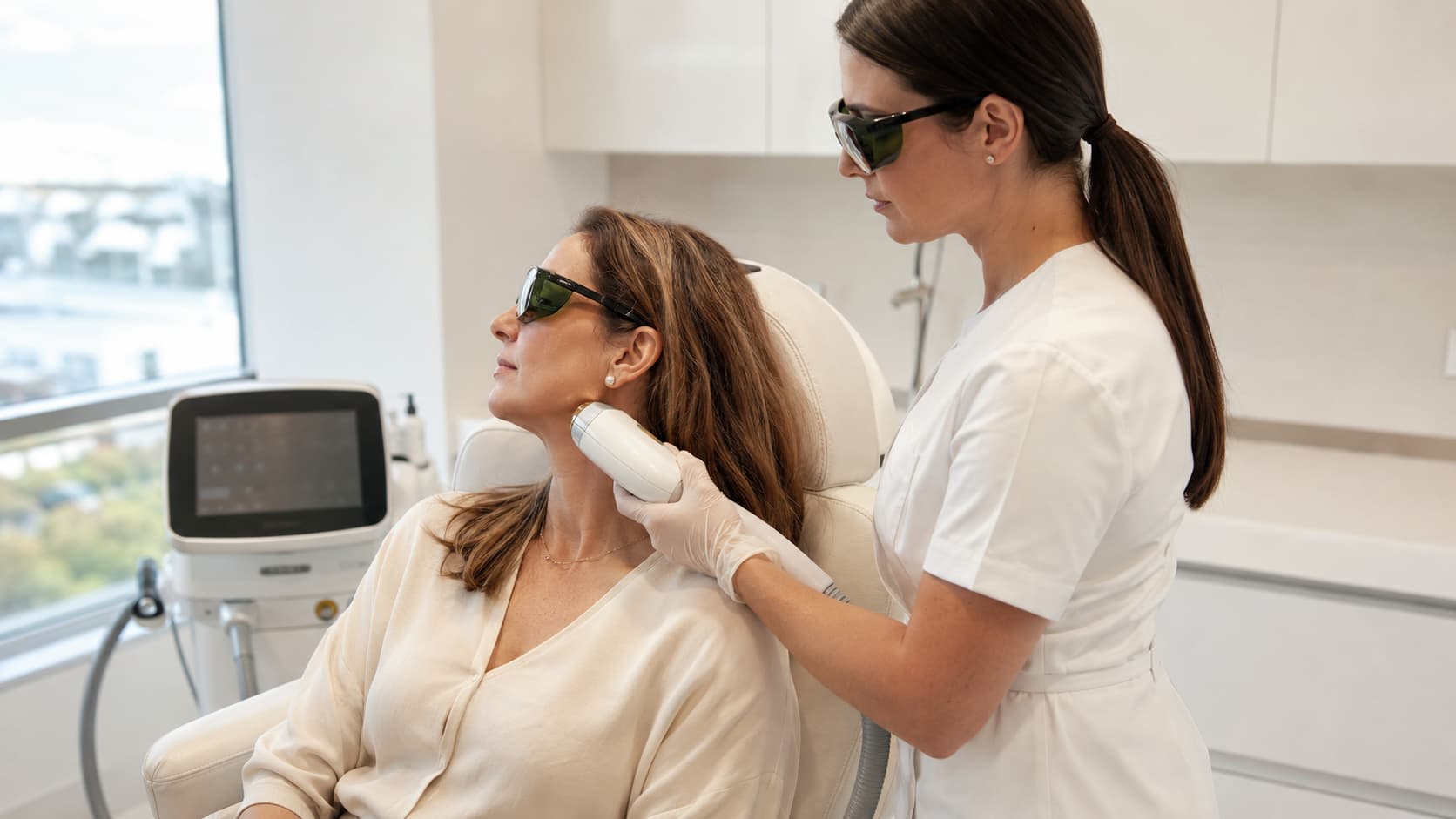
Skin elasticity refers to the skin’s ability to stretch and return to its original form, a vital aspect of youthful and healthy-looking skin. One of the most promising advancements in aesthetic treatments for restoring skin elasticity involves the use of laser technology. Laser treatments for skin tightening have gained considerable traction due to their ability to stimulate collagen production, an essential protein that helps maintain the skin’s firmness and structural integrity.
This article explores how laser treatments improve skin elasticity and boost collagen production, providing a comprehensive understanding for individuals seeking effective solutions for sagging or aging skin. Whether you are considering laser procedures to reverse early signs of aging or to enhance your skin texture and tone, understanding the mechanisms, benefits, and expected outcomes of these treatments is crucial. This discussion is particularly relevant for those interested in advanced skin rejuvenation therapies that rely on precise, minimally invasive technology.
The significance of addressing skin elasticity goes beyond aesthetics; it contributes to overall skin health and resilience. As we age, collagen depletes, and factors such as sun exposure, lifestyle habits, and environmental stressors accelerate this process, leading to wrinkles, fine lines, and sagging skin. Laser-based skin tightening treatments offer a scientifically backed approach to counteracting these effects and promoting a more youthful skin appearance.
What Are Laser Skin Tightening Treatments and How Do They Work?
Laser skin tightening is a non-surgical procedure that uses targeted laser energy to heat the deeper layers of the skin, known as the dermis, while protecting the epidermis, or surface layer. This controlled heating stimulates the body’s natural wound-healing response, which includes the activation and production of new collagen fibers. Collagen, a protein that forms a significant part of the skin’s structure, provides the elasticity and firmness that tend to diminish with age.
The laser light employed in these treatments varies depending on the type and technology, but generally, it delivers heat at specific wavelengths that penetrate skin tissue without causing damage to the outer layer. This process encourages the tightening of existing collagen fibers and promotes the synthesis of new collagen as the skin heals over weeks and months following treatment.
Different types of lasers, such as fractional CO2 lasers, Nd:YAG lasers, and erbium lasers, offer unique depths of penetration and energy profiles optimized for various skin types and conditions. The choice of laser depends on factors including the patient’s skin tone, degree of laxity, and treatment goals.
Who Benefits Most From Laser Treatments to Improve Skin Elasticity?
Laser skin tightening is especially suited for individuals experiencing mild to moderate sagging or loose skin due to aging or other factors like weight loss. Those who seek improvement without undergoing invasive surgery such as a facelift often opt for laser treatments as an alternative. Patients with early signs of skin aging, including fine lines, diminished firmness, and uneven texture, can also find laser therapies beneficial.
However, candidacy for laser treatments depends on several factors, including skin type and the presence of underlying skin conditions. Darker skin tones require careful selection of laser types to minimize risks such as hyperpigmentation, making consultation with an experienced specialist essential.
Importantly, laser treatments are not a one-size-fits-all solution. For patients with severe skin laxity or those needing dramatic changes, surgical options may remain more effective. Combining laser treatments with other modalities like microneedling or radiofrequency can be considered for enhanced results depending on individual needs.
How Do Laser Treatments Stimulate Collagen Production Effectively?
The mechanism by which lasers stimulate collagen begins with photothermal effects—laser energy is absorbed by water and chromophores within the skin’s dermis, generating heat that initiates a controlled micro-injury. This injury triggers fibroblasts, the skin cells responsible for collagen synthesis, to increase their activity.
This process, known as neocollagenesis, leads to the production of new collagen fibers that provide improved skin tone and elasticity over time. The gradual remodeling of collagen architecture can continue for several months post-treatment, resulting in healthier, firmer skin that resists wrinkles and sagging.
Additionally, some laser systems provoke mild inflammation that recruits growth factors and supports additional regenerative pathways. The overall effect is a combination of immediate collagen contraction and longer-term collagen renewal, which work synergistically to enhance skin tightness.
What Are the Benefits of Laser Skin Tightening Compared to Traditional Methods?
Laser skin tightening offers multiple advantages over traditional surgical and non-surgical methods. Primarily, it is minimally invasive with shorter recovery times, allowing patients to resume daily activities quickly. The precision of laser devices enables targeted treatment with reduced risk of scarring or complications compared to invasive surgeries.
Another benefit is the versatility of laser treatments; they can be applied to various areas of the body such as the face, neck, abdomen, and arms, adapting to the unique contours and needs of each region. Patients also appreciate the cumulative effect of multiple sessions that yield natural-looking improvements without the downtime associated with surgery.
In comparison to topical creams or superficial procedures, laser treatments penetrate deeply into the dermis, addressing the foundational causes of loss in skin elasticity rather than only surface symptoms. This depth of action results in longer-lasting benefits and a more profound improvement in skin texture and firmness.
What Are the Typical Steps and Expectations During a Laser Skin Tightening Procedure?
A typical laser skin tightening session begins with a thorough skin assessment by a qualified practitioner to determine the appropriate laser type and settings. The treatment area is cleansed, and protective eyewear is provided to shield the eyes from laser exposure.
The procedure itself is generally well-tolerated, with patients experiencing mild heat or tingling sensations as the laser energy is delivered. Depending on the laser and area treated, the session can range from 30 minutes to an hour. Some practitioners apply topical anesthetics or cooling devices to increase comfort.
After treatment, mild redness and swelling are common and typically subside within a few hours to days. Unlike surgical procedures, there is minimal downtime, allowing most individuals to return to their regular routines quickly. Optimal results usually become evident after a series of treatments spaced several weeks apart, as collagen continues to regenerate and remodel.
Are There Any Risks or Side Effects Associated With Laser Skin Tightening?
While laser skin tightening is generally safe when performed by experienced professionals, certain side effects can occur. These include temporary redness, swelling, mild discomfort, and in rare cases, bruising or pigment changes. Patients with darker skin tones or certain medical conditions may experience a higher risk of hyperpigmentation or hypopigmentation, which underscores the importance of personalized treatment planning.
Strict adherence to pre- and post-treatment care instructions is vital to minimize potential complications. Sun avoidance and the use of broad-spectrum sunscreen post-procedure play a critical role in protecting the skin and ensuring the best results.
It is also essential to disclose all medical history and medications to the treating specialist, as some conditions or drugs can interfere with treatment safety or efficacy.
How Do Laser Treatments Compare to Other Collagen-Boosting Technologies?
Laser treatments are among several advanced modalities aimed at stimulating collagen production. Others include radiofrequency, ultrasound therapy (such as Ultherapy), and microneedling. While all these methods promote collagen remodeling, lasers offer unique advantages in their ability to target specific skin layers with precise wavelengths and energy controlled by sophisticated computer systems.
In some cases, a combination approach can optimize results. For example, pairing laser skin tightening with microneedling can enhance collagen synthesis by complementing mechanical stimulation with thermal effects. The choice among these technologies depends on patient preference, skin type, treatment goals, and practitioner expertise.
What Long-Term Results Can Patients Expect From Laser Skin Tightening?
Long-term results from laser skin tightening treatments generally include improved skin elasticity, reduced sagging, and a more youthful, firmer skin appearance. The increased collagen support helps maintain these benefits, although the natural aging process continues.
Patients who maintain a healthy lifestyle, protect their skin from excessive sun exposure, and follow appropriate skin care protocols are more likely to enjoy sustained improvements. Periodic maintenance sessions may be recommended to prolong effects, especially as collagen production naturally declines with advancing age.
It is important to have realistic expectations; laser treatments provide gradual improvement rather than instant transformation, but offer a non-surgical route to restoring skin vitality.
Common Questions About Laser Treatments for Skin Elasticity
Do laser treatments hurt? Most patients report only mild discomfort during the procedure, often described as a warming or tingling sensation. Topical anesthetics or cooling devices can be used to enhance comfort.
How many sessions are required? Typical treatment protocols involve multiple sessions, often spaced four to six weeks apart, to achieve optimal collagen stimulation and visible tightening.
Is laser treatment safe for all skin types? Laser settings can be adjusted to accommodate various skin types, but individuals with darker skin tones require specialized lasers and careful supervision to avoid pigmentation issues.
When will I see results? Initial skin tightening may be noticed soon after treatment due to collagen contraction, but the full effect develops gradually over several months as new collagen forms.
Can laser treatments be combined with other procedures? Yes, combining laser therapy with other skin rejuvenation treatments can offer enhanced outcomes, but treatments should be coordinated by a qualified dermatologist or aesthetic specialist.


