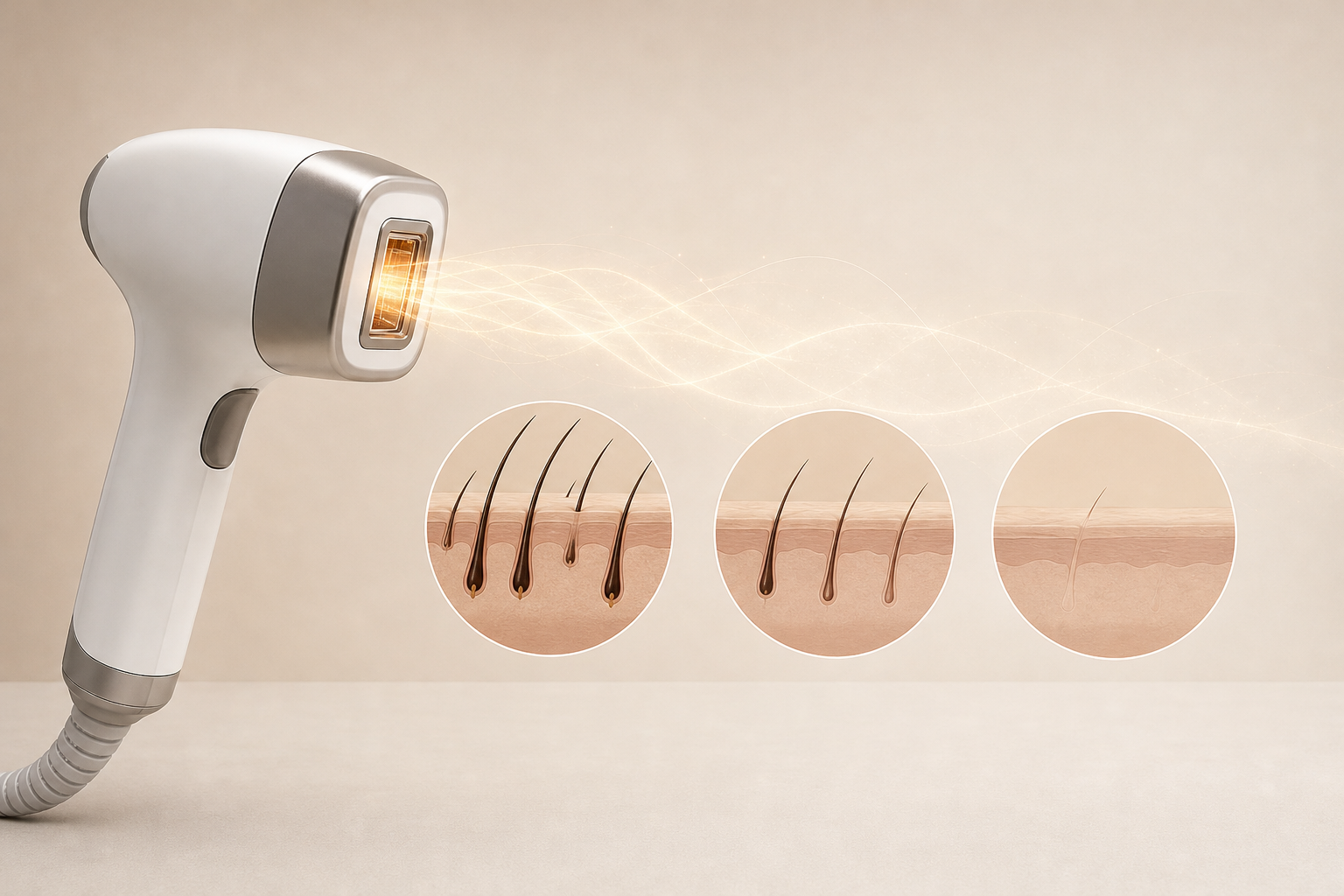
Laser hair removal has become one of the most sought-after cosmetic treatments worldwide due to its promise of long-lasting hair reduction and smoother skin. For those embarking on this journey toward less frequent shaving or waxing, understanding what to expect after multiple sessions is essential. Particularly, the results following three laser hair removal sessions provide critical insight into the process’s effectiveness and how an individual’s unique physiology responds to treatment.
This article is designed for individuals who have begun or are contemplating a laser hair removal regimen and seek a grounded expectation of outcomes after three treatments. We aim to clarify the typical changes observed at this stage, highlight the variation between different individuals and body areas, and discuss when and how to adjust the treatment plan for optimal results. Avoiding overgeneralized promises, this exploration offers a reasoned and detailed perspective to guide patient experiences and expectations.
Comprehending the significance of the results at the three-session mark is important because it represents a balance between sufficient treatment exposure and an early enough checkpoint to evaluate the trajectory of hair reduction. The changes noticed at this stage also lay the foundation for decisions about the continuation, modification, or intensification of subsequent sessions.
What Are the Typical Hair Reduction Changes After Three Laser Sessions?
After three laser hair removal sessions that are spaced according to recommended guidelines, many clients begin to observe notable changes in hair growth dynamics. One of the most common effects is a visible thinning of hair density across the treated area.
This thinning usually manifests as fewer hairs appearing in each shaving cycle and a discernible slowdown in the rate of new hair growth. Some hair follicles that have been effectively targeted may cease producing hairs altogether, resulting in patches with significantly reduced hair presence.
However, these effects are seldom uniform across the entire treatment area. Clients often report variability, with some zones showing denser hair growth than others or streaks and patches where hair seems to grow more slowly or not at all. This patchiness is influenced by factors such as hair thickness, color contrast with the skin, and the depth of hair follicles, all of which affect laser energy absorption and follicular response.
It is also common at this stage that finer, lighter hairs become less visible and grow more slowly, while coarser and darker hairs may still require additional sessions for full reduction. As such, the third session represents an important milestone for observing these evolving patterns and recalibrating expectations without premature conclusions about the final outcome.
Why Is There Significant Variation in Laser Hair Removal Outcomes Among Individuals?
Laser hair removal results after three sessions vary widely from person to person due to a combination of genetic, physiological, and environmental factors. The fundamental mechanism of laser hair removal relies on selective photothermolysis, where laser energy targets the melanin pigment within hair follicles. Consequently, the characteristics of both the hair and the skin heavily influence responsiveness.
Genetic predisposition plays a critical role, influencing hair density, growth cycles, and thickness. Hormonal factors can lead to fluctuations in hair growth that impact treatment efficiency, especially in areas like the face or bikini line where hormonal hair is common. Seasonal changes and sun exposure can alter skin pigment and sensitivity, further modulating how the laser interacts with the follicles.
Distinct body regions possess different hair types and skin thickness, which means that the face, legs, underarms, or back may not respond identically to the same laser settings or treatment frequency. For example, facial hair often has a different growth pattern and may be more resistant, requiring a longer treatment course for substantial change.
Individual metabolism and healing rates also influence how hair follicles recover or fail to regenerate after laser exposure. This complexity means that even within the same person, certain zones may require evaluation and targeted adjustments to maximize the treatment effect after three sessions.
How Should One Assess Treatment Progress and Consider Plan Adjustments After Three Sessions?
Evaluating laser hair removal progress after the third treatment involves a nuanced review of observed effects relative to initial goals and type of hair targeted. A thorough consultation with a trained specialist is crucial at this stage to discuss the patterns of hair reduction, the presence of any patchiness, and the rate of regrowth since the beginning of treatment.
If the client notices satisfactory thinning and slower hair growth consistent across the area, continuing with the initial schedule is typically recommended. However, if regrowth remains dense, patchy, or inconsistent, the treatment approach may require alteration.
Adjustments might include changing laser parameters such as wavelength, pulse duration, or energy level to better match hair and skin characteristics. It can also involve modifying the timing between sessions—sometimes shorter or longer intervals yield better outcomes depending on hair growth cycles.
Diagnostic tools may be brought in for further assessment, such as dermoscopy to closely examine hair follicles or photographic documentation to track changes precisely over time. These methods aid in customizing a more effective treatment strategy beyond the standard protocol.
What Behaviors and Care Practices Enhance Laser Hair Removal Results Between Sessions?
Maximizing the benefit of each laser hair removal session requires disciplined aftercare and avoidance of practices that compromise follicle targeting. Since laser treatment depends on hair follicles being present at the skin surface, practices like waxing or plucking between sessions must be avoided to prevent removing the follicle’s target structure.
Instead, clients are typically advised to shave regularly, keeping the hair shaft at an appropriate length for laser targeting while preserving the follicle itself. Additionally, maintaining skin health through gentle cleansing, hydration, and avoidance of irritants can improve the skin’s response to treatment and reduce side effects.
Sun exposure should be minimized, especially close to sessions, because tanning darkens the skin and increases the risk of burns or pigment changes. When sun avoidance is not possible, diligent use of broad-spectrum sunscreen and physical protection is essential.
Adhering to the scheduled treatment intervals without skipping or significantly delaying sessions ensures the cumulative effect accumulates effectively, which becomes apparent by the third treatment and beyond.
How Do Seasonal and Environmental Factors Affect Laser Hair Removal Progress After Three Sessions?
Seasonal influences can subtly but significantly impact laser hair removal results. In summer months with increased sun exposure, skin pigment darkens, which can reduce laser efficacy and necessitate adjustments in treatment scheduling or laser settings to safeguard against side effects.
It is common practice to time laser hair removal in seasons or periods where sun exposure is limited, allowing treatment on lighter skin tones for better follicle targeting. For clients who proceed during sunnier times, post-treatment care to prevent irritation and pigment changes is critical.
Other environmental variables such as humidity, temperature, and lifestyle factors like swimming or sweating can influence skin condition and may affect the healing process after a session. Recognizing and adapting to these factors helps maintain the trajectory of hair reduction progress after the third treatment session.
What Are Some Common Misconceptions About Results After Three Laser Hair Removal Sessions?
A frequent misconception is that laser hair removal yields permanent and complete hair removal within just a few sessions, often assumed around the third treatment. In reality, three sessions typically mark an initial milestone with observable hair reduction rather than a definitive endpoint.
Another mistaken belief is that laser hair removal affects all hair types uniformly. Due to the treatment’s reliance on melanin absorption, lighter, finer, or grey hairs may show limited responsiveness, requiring alternative approaches or extended treatment plans.
Some may expect immediate hair shedding soon after each session, but hair removal is a gradual process with individual variation. The shedding phase, hair regrowth speed, and follicle inactivity can vary widely, making patience a necessary component of successful treatment.
Understanding these nuances prevents unrealistic expectations and supports a more informed, satisfying experience during the laser hair removal journey.
How Can Clients Effectively Communicate With Specialists About Their Progress After Three Sessions?
Open and detailed communication with laser technicians or dermatologists is essential following three treatments to ensure that adjusted strategies align with patient experiences and expectations. Patients are encouraged to share comprehensive feedback on observed changes, areas of concern, and any side effects encountered.
A collaborative discussion regarding any inconsistency in hair loss, perceived patchiness, or unexpected regrowth patterns helps specialists tailor plans more precisely. Recording and presenting photographic evidence or tracking shaving frequency and hair density can facilitate this dialogue.
Furthermore, understanding that results are gradual and individualized supports mutual trust and realistic goal setting. Specialists can then provide guidance on the need for additional sessions, alternative laser types, or supportive treatments to enhance outcomes aligned with patient objectives.


