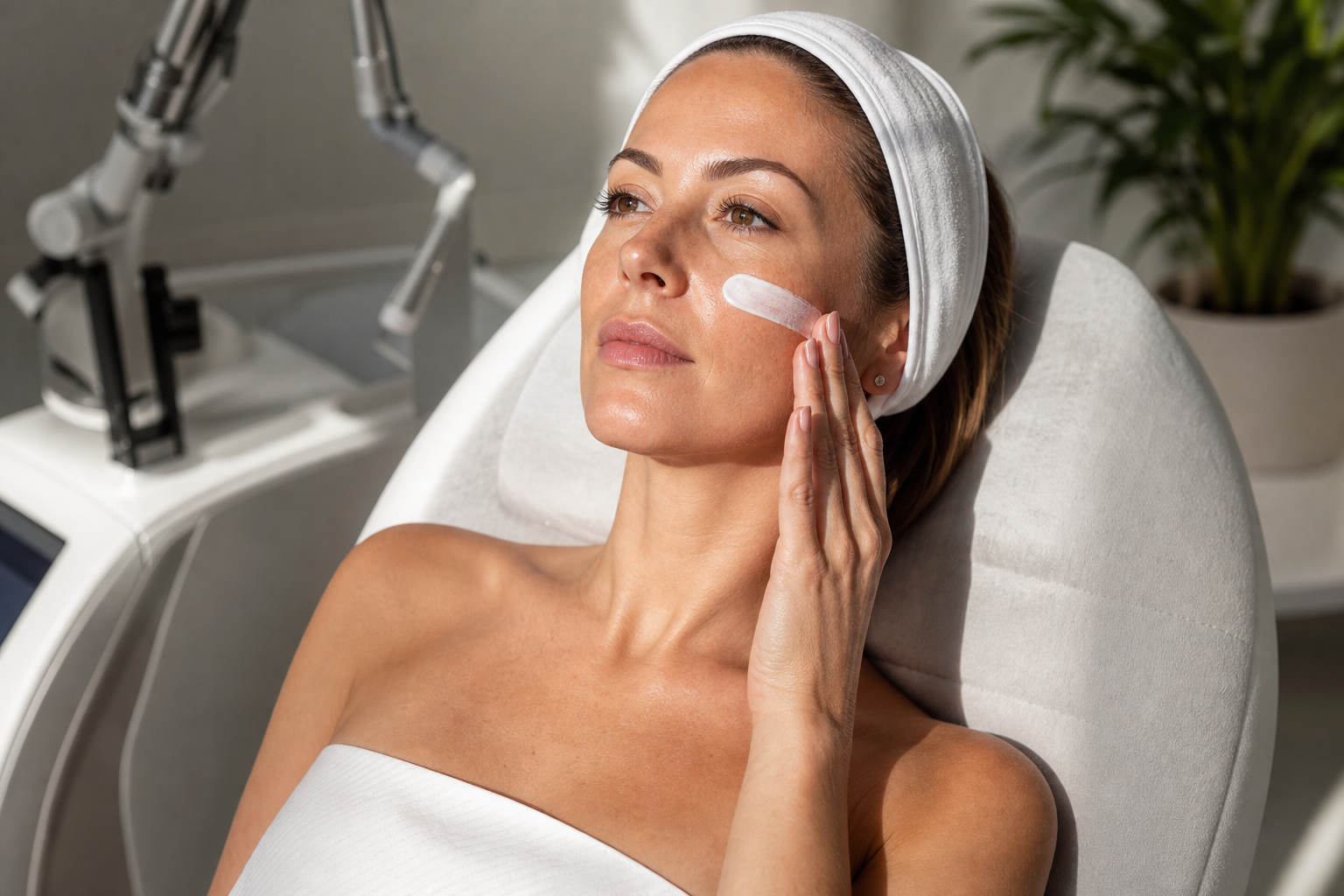
Laser treatments have become a cornerstone in modern dermatology, offering solutions for common skin concerns such as pigmentation irregularities, uneven skin tone, and signs of aging. While these procedures can deliver remarkable improvements, the post-treatment care—particularly protecting the skin from sun exposure—is a critical factor that determines the longevity and safety of the results. Among all post-laser care measures, the use of sunscreen with sun protection factor (SPF) stands out as essential.
This article delves into why SPF after laser treatment is indispensable, providing a medically responsible, practical guide tailored for those considering or having undergone laser therapy. We will cover the biological state of the skin post-laser, the rationale behind rigorous photoprotection, how to select the right SPF product, proper application protocols, and how these measures integrate into the broader treatment and maintenance plan. Our focus is on offering clear, trustworthy insights aligned with evidence-based dermatological practice, emphasizing that care protocols vary depending on your skin type, laser modality, and clinician guidance.
The importance of understanding and implementing SPF use after laser treatment cannot be overstated—this knowledge empowers patients to protect their investment in skin health, avoid complications, and achieve the best possible outcomes. Whether you are seeking laser pigmentation removal, skin rejuvenation, or hair removal, mastering post-treatment photoprotection is crucial.
What Happens to the Skin Immediately After a Laser Treatment and Why Sun Protection Is Critical
Laser procedures intentionally target specific skin layers or pigments with concentrated light energy to stimulate regeneration, break down pigment clusters, or invigorate collagen production. This targeted energy delivery inevitably causes controlled injury or disruption to the skin's surface and underlying tissues, kick-starting the body's repair mechanisms.
Immediately after treatment, the skin enters a heightened state of vulnerability. The protective epidermal barrier may be partially compromised, and the regenerating skin cells are more susceptible to external insults, especially ultraviolet (UV) radiation from the sun. Exposure to UV rays during this sensitive phase can lead to exacerbated redness, inflammation, prolonged healing, and the development of new or intensified pigmented lesions.
In fact, UV exposure post-laser treatment carries the risk of post-inflammatory hyperpigmentation, one of the most common and frustrating side effects. Additionally, harmful UVA and UVB rays can deepen existing pigmentation irregularities and provoke inflammatory responses that may result in scarring or uneven texture.
Therefore, immediate and sustained sun protection becomes a medical necessity—not just a precaution—to safeguard the newly treated skin and preserve the therapeutic benefits of laser therapy.
How Skin Phototype, Laser Type, and Treatment Goals Influence SPF Selection
Choosing the appropriate SPF after a laser procedure is far from a one-size-fits-all decision; it depends on various interrelated factors including skin phototype, the nature of the laser used, and the intended outcome of the treatment.
Skin phototype determines the skin’s sensitivity and reaction to UV light. For example, individuals with lighter skin tones (Phototypes I-II) are generally more prone to UV damage, necessitating higher SPF (typically SPF 50+) and more diligent application. Alternatively, darker skin types (Phototypes IV-VI) have more melanin, offering some natural defense, yet they remain susceptible to pigmentary changes and therefore still require photoprotection.
Laser parameters, such as wavelength, energy density, and depth of penetration, influence the degree of epidermal injury and sensitivity. Treatments targeting pigmentation, such as Q-switched lasers or intense pulsed light (IPL), may render the skin exceptionally prone to UV-induced pigmentation irregularities. Conversely, lasers used for hair removal or deeper fractional resurfacing might call for different recovery timelines and protection strategies.
Treatment objectives also shape SPF choice. For instance, post-laser skin rejuvenation aims to promote collagen remodeling and a youthful appearance, which UV exposure can prematurely age or damage, necessitating broad-spectrum high-protection sunscreens. In contrast, pigment-specific treatments demand careful prevention of post-inflammatory hyperpigmentation through vigilant UV defense.
Ultimately, clinicians tailor SPF recommendations to these factors, customizing protocols for optimal safety and effectiveness.
When and How to Use SPF Correctly Following Laser Treatment for Pigmentation and Skin Rejuvenation
Photoprotection should commence as soon as the skin’s immediate irritation subsides after the laser procedure—often within hours to a day—based on expert medical advice. Delaying sun protection can expose fragile cells to UV damage during a critical healing window.
It is imperative to select sunscreens formulated for sensitive, post-procedure skin. These products typically have physical (mineral) blockers such as zinc oxide or titanium dioxide, which are less likely to provoke irritation compared to chemical filters. They should also be free from fragrances, preservatives, or other potential irritants.
Application technique is equally important. A generous amount—roughly one teaspoon for the face and neck—is necessary to achieve the labeled SPF in practice. Sunscreen should be applied evenly and allowed to absorb before layering makeup if desired. Reapplication every two hours is advised, especially during prolonged outdoor exposure, along with additional applications after swimming, sweating, or towel drying.
Even on cloudy or indoor days, UVA rays penetrate glass and clouds and can continue to damage skin, so daily SPF use must be maintained consistently throughout the recovery phase, which can extend from days to weeks depending on the treatment depth.
Benefits of Consistent and Proper SPF Use in the Weeks Following Laser Therapy
Adhering to rigorous sunscreen use after laser treatment provides several critical benefits beyond immediate skin protection. It reduces the risk of developing new discolorations and helps existing pigmented lesions resolve more uniformly, improving overall skin tone clarity.
By minimizing inflammatory responses induced by sun exposure, SPF use supports smoother, faster wound healing and reduces the likelihood of complications such as scarring or prolonged redness. This translates into shorter recovery times and greater patient satisfaction.
Moreover, the anti-photoaging effect of proper sun protection complements the rejuvenating benefits of laser treatments, helping maintain firmer, more youthful skin over the long term by preventing collagen degradation and photoinduced damage.
In essence, sunscreen acts as a guard that preserves the integrity of the new skin rebuilt through laser therapy, ensuring the best outcomes are sustained as intended.
How Individualized Treatment Protocols Influence SPF Recommendations and Patient Compliance
The heterogeneity of laser procedures necessitates personalized post-treatment care regimens. Dermatologists and laser specialists consider diverse parameters such as patient age, skin condition, history of photosensitivity, and treatment details when advising on SPF use.
Some protocols recommend daily SPF 50+ application for several weeks, while others may incorporate adjunctive therapies like antioxidant serums or barrier repair creams alongside sunscreens. The choice of physical versus chemical filters, texture preferences, and compatibility with other topical agents are factors optimized to improve patient experiences and adherence.
Success relies heavily on thorough patient education about sunscreen’s vital role, dispelling myths, and addressing challenges such as reapplication frequency or cosmetic acceptability. Clinicians often emphasize that neglecting sun protection can negate all procedural benefits and increase the risk of adverse effects, creating a compelling case for compliance.
Common Patient Questions About SPF Use After Laser Procedures
Is SPF 30 sufficient after laser treatment, or should I use a higher factor? Experts generally recommend SPF 50 or higher during the initial post-treatment period when the skin is most vulnerable. Lower SPF values may not provide adequate defense against harmful UV rays.
Can I apply makeup over sunscreen after my treatment? Yes, however, it’s important to first apply a liberal layer of sunscreen and allow it to fully absorb before applying cosmetic products. If extended sun exposure is expected, reapplication of sunscreen is necessary even when wearing makeup.
What type of sunscreen is best for sensitive or oily skin after laser therapy? Lightweight, non-comedogenic, hypoallergenic sunscreens with physical blockers are preferable. They effectively shield the skin without exacerbating sensitivity or causing breakouts.
For how long must I continue using SPF after completing a series of laser treatments? Sustained use for at least one month post-final session is advisable, with some treatments requiring longer protection depending on clinical recommendations to maintain results and skin health.


