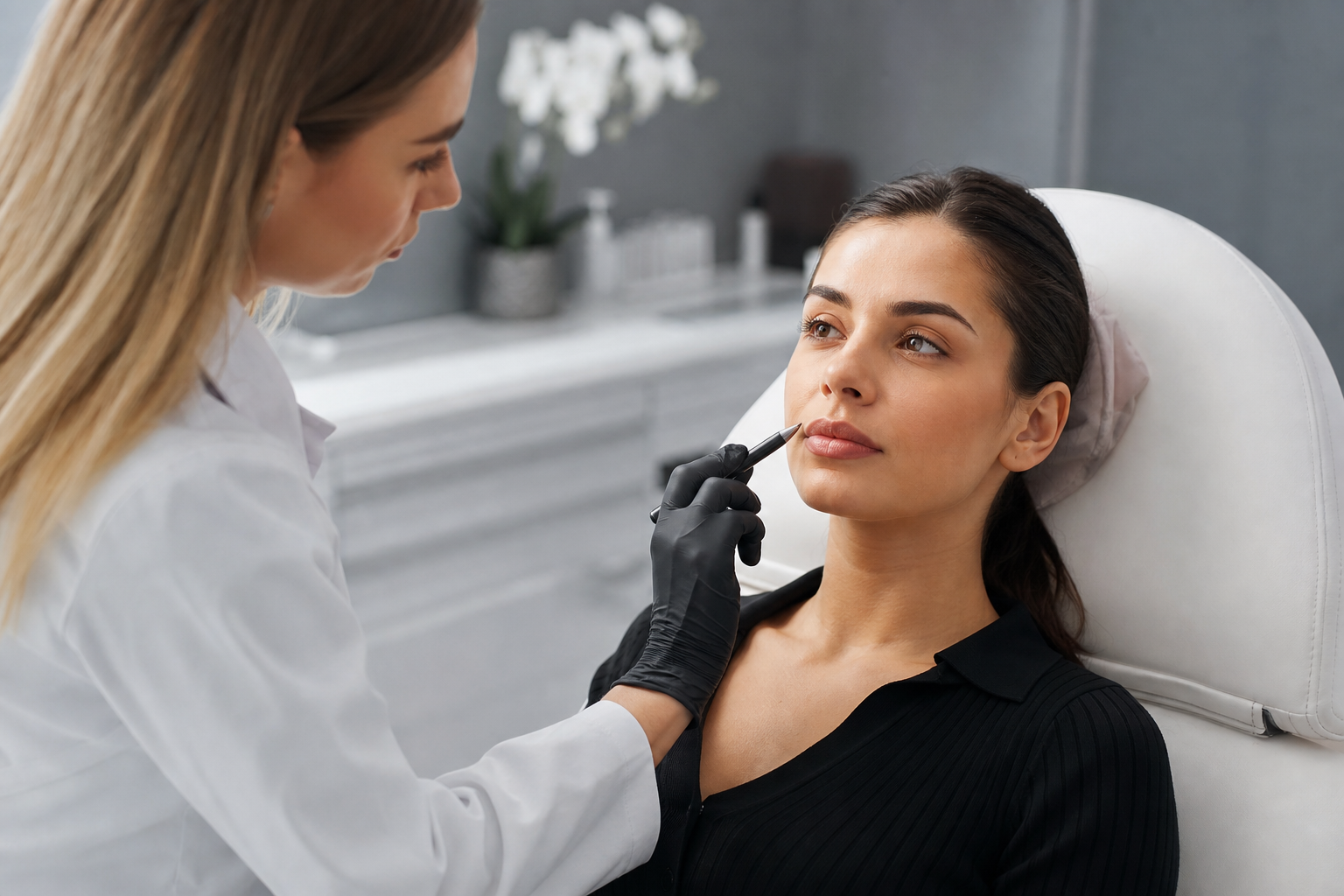
Cosmetic pigment composition plays a pivotal role in determining the outcomes of permanent makeup procedures, influencing everything from color accuracy and longevity to safety and removability. As permanent makeup continues to gain popularity in the realm of advanced aesthetic treatments, understanding how these pigments interact with the skin and how their chemical properties affect visual results and potential complications is essential for both practitioners and clients. This knowledge ensures informed decisions, tailored protocols, and optimized expectations for those considering or administering permanent makeup.
This comprehensive editorial is intended for cosmetic professionals specializing in advanced treatments such as permanent makeup and laser removal, as well as individuals seeking permanent cosmetic enhancements or contemplating their removal. It elucidates the science behind cosmetic pigments, addressing their composition, behavior in the skin, implications during healing, and interactions with laser technologies used later for treatment adjustment or removal.
The importance of this subject matter stems from the complex nature of permanent makeup, which sits at the intersection of medical tattooing and aesthetic artistry. Unlike traditional tattoos, permanent makeup involves delicate areas with sensitive skin and vascular proximity, requiring pigments that balance vibrant, natural-looking color with safety, fading characteristics, and compatibility with corrective procedures. Individual variations in skin type, immune response, and pigment chemistry necessitate a thorough understanding of pigment composition to mitigate risks and enhance outcomes.
What Distinguishes Cosmetic Pigments from Traditional Tattoo Inks?
Cosmetic pigments used in permanent makeup are specially formulated for application in superficial skin layers, designed to fade gradually over time. In contrast, traditional tattoo inks are composed to remain permanently by embedding pigments deeper into the dermis. The primary ingredients in tattoo inks often include metallic salts and organic dyes with high permanence, while cosmetic pigments focus on biocompatibility, subtlety, and semi-permanence.
Because permanent makeup aims for softer, more natural enhancement — such as shaping eyebrows, defining lips, or creating eyeliner — the pigment composition is engineered to deliver less intense coloration that integrates harmoniously with the skin’s tone. Their semi-permanent nature allows for natural fading, color modification, or renewal during touch-ups, a flexibility not provided by typical tattoo pigments.
This distinction is not merely cosmetic but critical for safety and efficacy. The more superficial pigment placement, alongside carefully selected ingredients, reduces the risk of deep tissue irritation or prolonged pigment retention that might pose challenges during later removal procedures.
Which Constituent Components Define Cosmetic Pigment Composition?
The foundation of any cosmetic pigment blends colorants, carriers, and auxiliary substances. Understanding these components elucidates how pigment behavior translates to final appearance and durability.
Organic Pigments: These carbon-based compounds provide vivid colors and brightness. For example, azo pigments — common in reds and oranges — produce vibrant hues but carry higher reactivity risks, especially under laser treatments. Organic pigments’ molecular structure allows strong initial color but tends to undergo gradual degradation influenced by skin chemistry and UV exposure.
Inorganic Pigments: Typically metal oxides such as iron oxides, titanium dioxide, and ultramarine blues, these pigments offer stability and muted, naturalistic tones, favored for eyebrow and eyeliner applications. Their resistance to fading and chemical change makes them suitable where longevity and subtlety are priorities, though removal can be more complex depending on depth and particle size.
Carriers and Additives: Pigments are suspended in carriers like water-based gels, alcohol solutions, or glycerin mixtures facilitating uniform application and absorption. Additional ingredients often include antimicrobial agents, stabilizers to prevent pigment clumping or color shifts, and UV filters to prolong pigment lifespan after implantation.
How Does Pigment Composition Impact the Color and Longevity of Permanent Makeup?
The interplay between pigment chemistry and skin physiology dictates how permanent makeup manifests immediately post-procedure and how it evolves over months or years. Metal oxide pigments tend to produce warm, earthy tones — iron oxides yield brownish-red shades common in eyebrow pigmentation, while titanium dioxide contributes white highlights or lightening effects used for color modulation.
Conversely, organic pigments produce sharper colors but may fade more dramatically or shift hues over time. For instance, certain red organic pigments may gradually appear pinkish or orange due to photo-oxidative reactions when exposed to sunlight and oxygen.
Particle size and molecular weight also influence pigment placement depth. Fine pigment particles tend to penetrate deeper and demonstrate greater resistance to fading, while larger particles remain nearer the surface, leading to quicker color loss but easier removal if desired. However, deeper implantation is a double-edged sword — it enhances durability but complicates laser removal or color correction.
Photo-stability, or the pigment’s resistance to light-induced chemical changes, varies by composition. Pigments with embedded UV filters or inherently stable compounds provide more consistent color retention under sun exposure, an important consideration for clients frequently outdoors or at risk of photo-damage.
What Risks Arise from Improper Pigment Selection?
Choosing inappropriate pigment formulations can result in unsatisfactory aesthetic outcomes and complications. Allergic responses are a primary concern, often triggered by impurities or heavy metals in unregulated pigments. These reactions may produce inflammation, itching, or granulomas, especially on sensitive facial areas.
Color instability manifests as unexpected hue changes, sometimes becoming greenish, bluish, or blackened—particularly when certain pigments are subjected to laser removal attempts without proper pigment knowledge. This phenomenon, known as paradoxical darkening, arises from laser-induced chemical transformations of pigment components.
Additionally, the use of pigments with unsuitable carriers might affect pigment retention, causing premature fading or diffusion beyond intended borders, resulting in blurred makeup effects and additional corrective procedures.
Why are Individualized Protocols and Test Spots Essential Before Treatment?
The unique biological makeup of every client’s skin mandates tailored approaches in permanent makeup application. Pre-treatment protocols involving small test spots help assess skin response to a particular pigment formula, revealing potential allergic reactions, pigment uptake, and color change patterns during healing.
This cautious strategy diminishes the risk of adverse effects or unwanted outcomes after full-scale treatment. It also guides practitioners in selecting the best pigment composition and formulation for each individual, guaranteeing more predictable and pleasing results aligned with the client’s skin type and aesthetic goals.
When Is Pigment Composition a Key Consideration in Permanent Makeup Planning?
Comprehensive pigment selection should be integrated at the consultation stage, long before the procedure commences. For clients prone to skin sensitization, or those with specific dermatological conditions, pigment choice can be life-changing, steering clear of ingredients that might provoke reactions.
Moreover, tailoring pigment color to complement natural skin undertones enhances the naturalness of permanent makeup, avoiding noticeable disparities or rapid detail degradation. Consideration also extends to lifestyle factors such as sun exposure and skincare routines that influence pigment longevity.
Finally, pigment composition impacts future removal possibilities. If a client anticipates potential removal or color modification, selecting pigments compatible with subsequent laser treatments — those less prone to paradoxical darkening or difficult breakdown — is especially prudent.
How Does Pigment Composition Affect Laser Removal of Permanent Makeup?
Laser removal techniques rely on fragmenting pigment particles using specific wavelengths of light absorbed by the pigment’s molecular structures. The pigment's chemical nature profoundly influences how it interacts with laser energy and, consequently, the efficacy and safety of removal.
Metal oxide pigments, such as iron oxides, generally respond well to standard laser settings, though they may require multiple sessions for complete clearance. Organic pigments can complicate removal; their fragments may darken upon laser exposure, necessitating specialized treatment strategies or alternative modalities.
Therefore, comprehensive knowledge of the original pigment’s composition is indispensable for qualified practitioners embarking on pigment removal. Selecting appropriate laser types and settings prevents adverse effects such as scarring or pigment migration and ensures gradual, uniform fading.
Common Questions Surrounding Cosmetic Pigment Use in Permanent Makeup
Why does permanent makeup sometimes change color post-procedure? This can result from pigment oxidation, photo-degradation, immune response processing, or the initial pigment’s chemical instability. Variations in pigment composition affect the likelihood and trajectory of these color shifts.
Are all pigments equally safe and removable? No; pigments vary widely in their chemical makeup, safety profiles, and responsiveness to removal technologies. Certified pigments with clear compositions and clinical backing are safer and generally easier to remove than unregulated or unknown formulas.
How can clients verify pigment quality? Requesting information on pigment origin, ingredient lists, certification, and prior testing results is advisable. Reputable practitioners ensure transparency and conduct pre-treatment patch tests.


