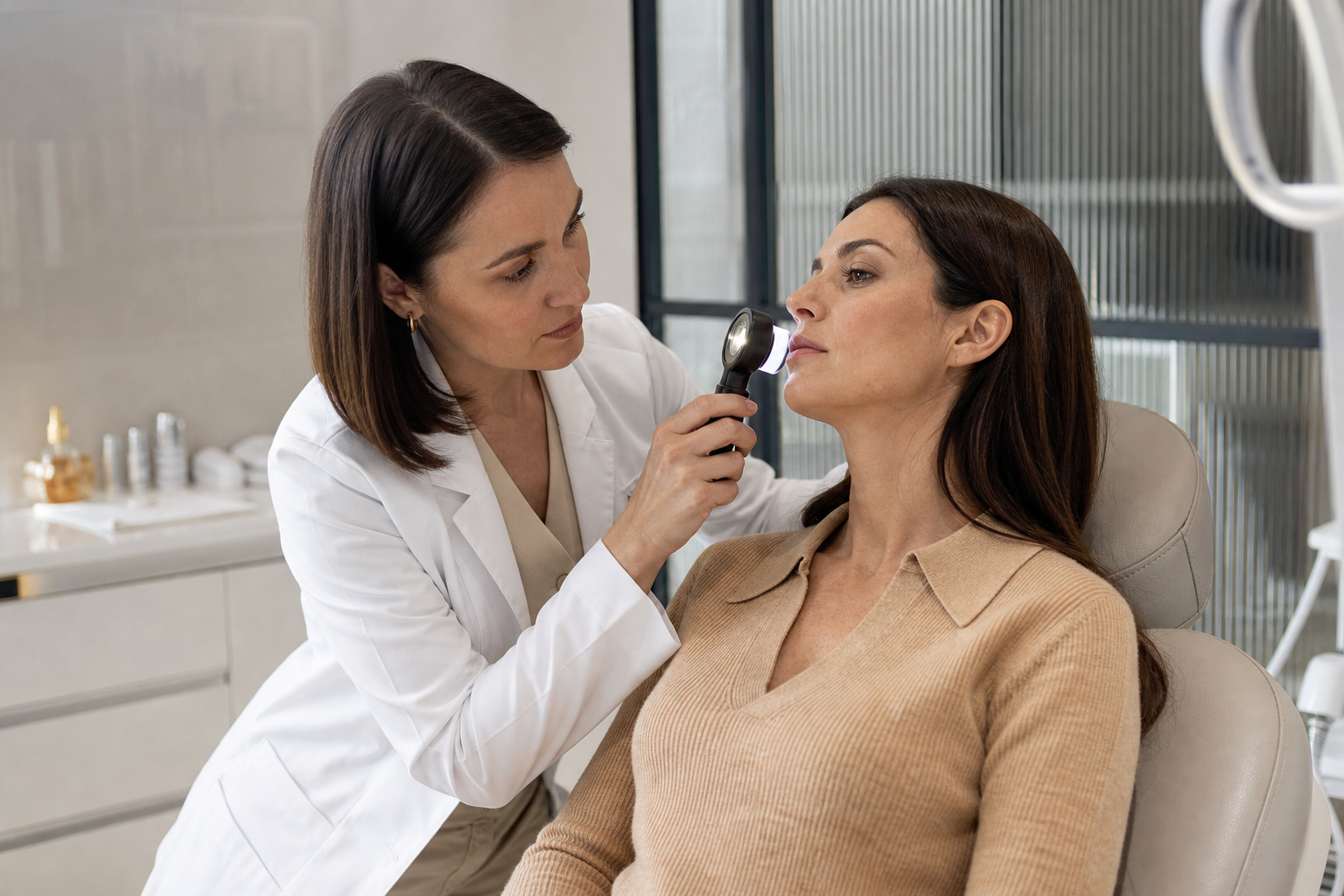
In the evolving landscape of advanced medical and aesthetic treatments, patients and practitioners alike often grapple with a pivotal question: is the device name more important than practitioner expertise? This inquiry gains particular significance in the arena of laser procedures, where technological innovation and clinical skill intersect. With an array of devices available on the market, each boasting distinctive features and brand recognition, patients frequently wonder whether selecting the latest or most renowned laser equipment guarantees superior results, or if the clinician’s knowledge and hands-on experience ultimately outweigh the hardware used.
This article is intended for individuals considering laser treatments such as skin rejuvenation, hair removal, pigmentation correction, or vascular therapies. It aims to clarify the importance of understanding treatment selection criteria from an informed perspective that transcends marketing appeals. Equally, it speaks to those seeking measurable quality benchmarks, clear documentation, and realistic expectations regarding candidacy, risks, and recovery associated with laser interventions.
Recognizing the nuanced interplay between the device and the practitioner is essential. It directly impacts treatment efficacy, patient safety, and the fulfillment of desired outcomes. Here, we dissect the components that inform an educated decision—from technological specifications and regulatory compliance to clinical expertise and ethical informed consent. By focusing on verifiable standards and professional guidelines rather than brand promotion, readers can better appreciate where real value and reliable safety lie: in the competence of the practitioner wielding the device rather than the device’s name alone.
Understanding the Significance of Device Names in Laser Treatments
The device name in the context of laser procedures typically denotes the manufacturer’s brand or the underlying technology platform. Within laser dermatology and aesthetics, different devices are often engineered for specific indications—whether epilation, vascular lesion treatment, or enhancing collagen for skin rejuvenation. Marketed as cutting-edge solutions, these devices often attract attention for their perceived technological superiority.
However, the mere brand or model of a laser device does not inherently guarantee optimal results. Technologies with comparable technical parameters abound, but their success is heavily influenced by factors such as device calibration, treatment parameters, and crucially, the expertise of the operator. A sophisticated machine in unskilled hands can lead to suboptimal results or even patient harm.
Marketing strategies often capitalize on device brand recognition to create an impression of assured quality and superiority. While innovation in technology can contribute to improved safety features or expanded treatment capabilities, it is vital to approach device claims with measured understanding, accounting for the full clinical context instead of isolated brand prestige.
Why Practitioner Expertise Can Be More Decisive than the Device Name
Practitioner expertise encompasses comprehensive medical knowledge, practical experience, and critical clinical judgment. A skilled clinician interprets the patient’s unique skin characteristics, medical history, and aesthetic goals to tailor treatment plans intelligently. This includes adjusting laser settings, determining appropriate treatment intervals, and managing patient comfort and safety throughout the procedure.
Experienced professionals recognize subtle variations in skin types and conditions, enabling them to modify procedural protocols to mitigate risks like burns, hyperpigmentation, or ineffective results. They are also proficient at interpreting diagnostic information, managing pre- and post-treatment care, and responding promptly to any adverse events.
Notably, a practitioner’s training and ongoing education in laser technologies and dermatological health underpin the safe use of any device, regardless of brand. Competent operators are essential to translate a device’s capabilities into clinically meaningful outcomes. Their role extends beyond operating equipment to include patient education, setting realistic expectations, and ensuring ethical informed consent.
Essential Criteria for Selecting Both Treatment and Practitioner
The decision-making process for laser treatments should commence with a thorough consultation, prioritizing transparency and comprehensive information. Key factors to verify include:
Device Documentation and Certification: Confirm that the treatment device holds appropriate regulatory approvals and certifications consistent with regional medical standards. Inquiry into the device’s technical specifications should be welcomed to understand its capabilities and limitations.
Practitioner Qualifications: Assess the practitioner's credentials, including medical degrees, specialized training in laser therapy, certification for operating specific devices, and professional affiliations. References or reputation within the field may also inform confidence in their expertise.
Informed Consent Process: Ensure that the clinician provides full disclosure of the treatment plan, anticipated effects, potential risks, alternative options, and recovery requirements. Documented informed consent reflects ethical standards and patient autonomy.
Protocol Adherence: Evaluate whether the clinic adheres to standardized procedural protocols, including pre-treatment preparation (e.g., sun avoidance), adherence to recommended laser settings, and post-treatment care instructions. Consistency in protocol delivery contributes substantially to safety and efficacy.
Can Device Names Indicate Treatment Quality or Effectiveness?
Occasionally, a device’s name may correlate with technological advances such as enhanced laser wavelengths, pulse durations, or integrated safety mechanisms. Such innovations can facilitate more efficient treatments, reduce discomfort, or broaden candidate eligibility. Nonetheless, these features attain their potential benefits only under expert application.
The highest-end device does not inherently guarantee superior outcomes without a judicious approach tailored to each patient’s skin condition and treatment objectives. Device selection should therefore be part of a holistic clinical decision rather than a standalone criterion. Recognizing that the interplay between human skill and technology is paramount helps to balance expectations and guide prudent choices.
Risks of Overemphasizing Device Names in Treatment Decisions
When patients focus primarily on acquiring treatment from a clinic with a popular or prestigious device name, several risks emerge. These include inflated expectations of immediate or flawless results, possibly overshadowing thorough clinical evaluation. Such an approach may overlook vital considerations like the practitioner’s skill or medical history that influences treatment suitability.
Moreover, the inappropriate use of any laser device—regardless of brand—can result in adverse effects. Skin irritation, scarring, pigmentary changes, or extended recovery times are all possibilities if the treatment is misapplied. By neglecting practitioner credentials and procedural rigor, patients may inadvertently compromise their safety and satisfaction.
Thus, anchoring decisions solely on device notoriety may lead to poor treatment experiences and psychological distress if outcomes do not align with unrealistic marketing promises.
Identifying Unrealistic Claims in Laser Treatment Advertising
Advertising can sometimes portray laser treatments as quick fixes with guaranteed, spectacular results and minimal effort or risk. Such claims often highlight the device name prominently, suggesting an almost magical capacity of the technology itself. Indicators of unrealistic advertising include promises of immediate perfection, zero discomfort, or no need for subsequent maintenance sessions.
In contrast, responsible advertising and clinical communication emphasize the individuality of treatment response, typical timeframes for observable improvements, and the potential for side effects or complications. They also clarify that multiple sessions and maintenance treatments might be necessary, depending on the indication.
Patients are encouraged to approach such promotions with a critical mindset, seek evidence-based information, and prioritize consultations with qualified practitioners who provide balanced and transparent guidance.


