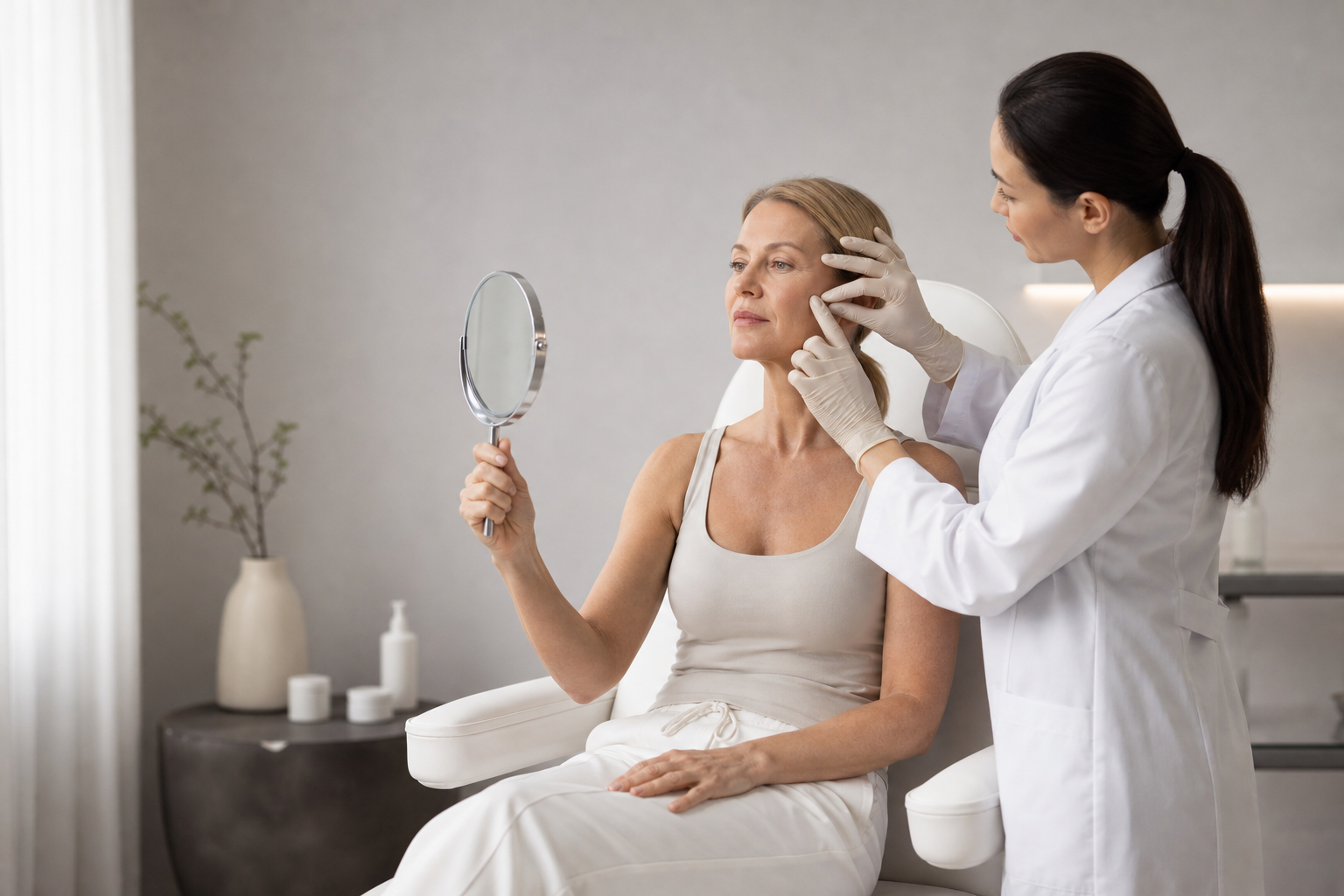
Wrinkles are an inevitable aspect of the human aging process that garners considerable attention, especially among those desiring to preserve a youthful appearance for as long as possible. Among the array of aesthetic treatments available today, Botox has emerged as a preferred option due to its efficacy in reducing dynamic wrinkles and preventing their further development. Yet, while Botox is a powerful and transformative agent in aesthetic medicine, it is crucial to understand that it does not erase all types of wrinkles and should not be regarded as a universal solution for every unwanted line or crease on the face.
This editorial is crafted for individuals contemplating Botox treatments—whether they are newcomers seeking to understand what the procedure entails or those who have previously undergone treatments but are dissatisfied with their results. It also serves readers interested in the biological mechanisms behind wrinkle formation and the nuanced role that Botox plays in facial rejuvenation. By exploring how Botox works, its ideal applications, inherent limitations, safety considerations, and the necessity for professional consultation, this article aims to set realistic expectations and offer a comprehensive perspective on Botox within the context of facial aging.
Understanding why Botox does not completely remove all wrinkles is fundamental to making informed decisions about treatment plans and achieving satisfying aesthetic outcomes. Awareness empowers patients and practitioners alike to align treatment goals with the capabilities of the procedure, ensuring safer applications and more harmonious results.
The Mechanism of Botox and Its Targeted Effect on Dynamic Wrinkles
Botox, the trade name for botulinum toxin type A, is a neurotoxin that produces its cosmetic effects primarily by inhibiting the transmission of nerve impulses to targeted muscles. It achieves this by blocking the release of acetylcholine, a neurotransmitter responsible for muscle contraction. When a muscle receives less neural stimulation, it relaxes temporarily, leading to a reduction in the repetitive movements that cause dynamic wrinkles—those lines visibly formed by facial expressions.
Dynamic wrinkles, often referred to as expression lines, emerge in areas of frequent muscle activity such as frowning, smiling, or raising the eyebrows. Common treatment zones for Botox include the glabellar region (between the eyebrows), forehead lines, and crow’s feet around the eyes. By selectively reducing muscle contractions in these regions, Botox prevents the skin from folding excessively, thus diminishing the appearance of these movement-dependent lines.
However, it is vital to recognize that Botox’s effect is confined to controlling muscular activity. It slows or pauses the processes that lead to the formation of dynamic wrinkles but does not address the structural changes and skin quality alterations that accompany aging. This targeted approach explains why Botox cannot eliminate all wrinkles and why its results are visible primarily on specific types of lines.
Distinguishing Dynamic Wrinkles from Static Wrinkles and Their Impact on Treatment Choices
A key to understanding Botox’s capabilities lies in distinguishing between dynamic and static wrinkles. Dynamic wrinkles are transient and visible mainly during muscle contraction. Once the muscle relaxes, these lines tend to diminish or disappear. Botox excels in treating these because it directly blocks the muscle movements responsible for their formation.
In contrast, static wrinkles are present even when the face is at rest. These wrinkles arise from intrinsic changes in skin elasticity, dermal thinning, collagen loss, and a decrease in subcutaneous fat volume. Static wrinkles often manifest as deeper grooves, folds, or sagging, especially in frequently exposed or stressed areas such as nasolabial folds, marionette lines, and under-eye creases.
Because static wrinkles do not depend on muscle activity, Botox has limited or no effect on them. These lines require alternative or complementary interventions that can restore volume, improve skin texture, or stimulate collagen synthesis. Treatments such as dermal fillers, laser resurfacing, microneedling, or radiofrequency therapies are generally more effective for static wrinkles and volume loss.
Why Botox Cannot Address Wrinkles Resulting from Volume Loss and Skin Laxity
Wrinkles and folds formed by facial volume depletion and skin sagging lie outside the realm of Botox’s mechanism. With age, the face undergoes gradual loss of fatty compartments, reduced bone density, and diminished skin elasticity. These changes produce persistent lines and hollowing that Botox, which targets muscle contraction, cannot reverse.
For instance, the nasolabial folds—deep creases running from the sides of the nose to the corners of the mouth—are largely a consequence of tissue descent and volume loss rather than muscular activity. Similarly, wrinkles caused by lax or thinning skin along the jawline, cheeks, or under the eyes require volumizing or skin-tightening interventions.
In clinical practice, achieving a natural, rejuvenated appearance often involves combining Botox with other therapies such as hyaluronic acid-based dermal fillers or collagen stimulators to replenish lost volume and improve skin firmness. This integrated approach allows patients to benefit from both muscle relaxation and structural correction, leading to more comprehensive and satisfying outcomes.
Limitations of Botox in Addressing the Complexities of Facial Aging
Facial aging is a multifactorial process involving not only muscle-induced lines but also changes to skin quality, subcutaneous fat distribution, underlying bone structure, and connective tissue integrity. Botox’s contribution is focused primarily on ameliorating the signs of repetitive muscle movement, but it does not modify the other age-related transformations.
Moreover, the efficacy of Botox is time-limited. Its effects typically persist for three to six months before muscle activity gradually resumes. Patients require repeat treatments to maintain results, and with long-term use, muscle weakening can contribute to sustaining the reduction of dynamic lines.
Another limitation is that Botox cannot restore skin texture, pigmentation irregularities, or elasticity compromised by environmental damage or intrinsic aging. Hence, it is not a standalone solution for aging skin but rather one component of a comprehensive anti-aging strategy.
Safety Considerations and the Critical Role of Expert Consultation
When performed by qualified and experienced practitioners, Botox is considered safe with a low incidence of side effects. However, its administration demands meticulous technique, precise anatomical knowledge, and individualized dosing to avoid complications such as asymmetry, ptosis (drooping eyelid), or unwanted muscle weakness.
Patients with certain medical conditions or allergies need thorough screening before treatment. Additionally, the practitioner must discuss potential risks, realistic outcomes, and alternative options. This ensures informed consent and helps establish achievable expectations.
An initial thorough consultation allows assessment of the patient’s skin condition, wrinkle type, facial structure, and aesthetic goals, which collectively guide the creation of a customized treatment plan. Such professional evaluation is indispensable for optimizing safety, efficacy, and patient satisfaction with Botox.
Integrating Botox with Complementary Techniques for Holistic Facial Rejuvenation
The modern paradigm of aesthetic medicine emphasizes a tailored, multimodal approach rather than relying on a single treatment. Botox frequently forms one part of a regime that may include dermal fillers to address volume loss, laser therapies to enhance skin texture, and skincare protocols to improve overall skin health.
For example, while Botox relaxes the muscles causing forehead lines and crow’s feet, hyaluronic acid fillers can restore midface volume and smooth nasolabial folds. Adding treatments like chemical peels or microneedling can stimulate collagen regeneration, improving skin firmness and quality.
This comprehensive strategy not only tackles wrinkles from diverse origins but also yields more natural and balanced outcomes, helping the face retain youthfulness in a harmonious and subtle way.
Setting Realistic Expectations for Botox’s Role in Wrinkle Reduction
Understanding Botox’s strengths and limitations is essential for anyone considering treatment. It is highly effective in softening dynamic wrinkles around the eyes and forehead but is not designed to eliminate deep, static wrinkles or restore signs of sagging and volume loss.
Patients should anticipate significant improvement in movement-related lines with Botox but recognize that older, deeper lines may require additional therapies. Botox is often an entry point treatment or a component of a broader facial rejuvenation plan. Clear communication and education about these realities reduce disappointment and support more satisfying experiences with aesthetic medicine.
Those with advanced signs of aging may benefit most from consultations that explore combination treatments rather than expecting Botox alone to meet all rejuvenation needs.


