Embarking on your first Botox treatment is a significant step in the journey of aesthetic enhancement and age management. Botox, a purified form of botulinum toxin, has revolutionized non-surgical cosmetic procedures by offering an effective and minimally invasive method to soften dynamic facial lines and wrinkles. As interest in preserving a youthful appearance grows, many individuals in their 30s and 40s contemplate this treatment to subtly smooth facial expression lines before they deepen into more permanent wrinkles.
This comprehensive editorial unpacks all the essential insights necessary before booking your initial Botox session. It demystifies what Botox truly is and how it functions, who the suitable candidates are, and what realistic results and limitations one should anticipate. Furthermore, it highlights the indispensable role of consultation with a qualified specialist and underscores the paramount importance of safety and credentialed expertise. Whether you are completely new to aesthetic medicine or exploring Botox as part of an anti-aging routine, this article aims to equip you with the knowledge that builds confidence and informed decision-making before entering the clinic.
The first experience with Botox can shape your perspective and expectations profoundly. Understanding its mechanism, effects timeline, potential side effects, and aftercare procedures ensures your experience is positive and rewarding. By grasping both the science and art behind Botox treatments, you can approach this procedure with clarity about how it aligns with your personal beauty goals and lifestyle.
The Science Behind Botox and Why the First Treatment Is Unique
Botox is a neurotoxin derived from Clostridium botulinum, which works by obstructing nerve signals to the muscles where it is injected. Specifically, it inhibits the release of acetylcholine at neuromuscular junctions, leading to temporary muscle relaxation. This relaxation reduces the activity that forms dynamic wrinkles—those lines that appear during facial expressions such as frowning, smiling, or squinting.
The first Botox treatment carries particular importance since the body’s initial response may differ from subsequent sessions. Some patients may observe subtler effects during their initial exposure as their muscles and nervous system adapt. Over time, repeated treatments can enhance muscular relaxation and prolong effects, often allowing for lower doses in maintenance treatments.
It’s crucial to recognize that Botox targets dynamic wrinkles and is not designed to address static wrinkles caused by volume loss or skin laxity. These deeper, etched lines may require complementary treatments like dermal fillers or skin resurfacing techniques. Your first Botox appointment typically becomes a collaboration between you and your practitioner to assess which areas will benefit most, aiming to achieve natural, harmonious results that preserve facial expressiveness.
Identifying Ideal Candidates and Who Should Exercise Caution
Ideal candidates for their first Botox session are generally adults noticing early concerns about fine lines and dynamic wrinkles, often manifesting in the late 20s to 40s age range. Those seeking a preventative approach to wrinkle formation or subtle softening of existing lines find Botox particularly effective. Additionally, Botox can be beneficial for individuals desiring non-surgical, minimally invasive rejuvenation without the downtime that accompanies surgical procedures.
It is also important to highlight medical uses of botulinum toxin, such as in treating chronic migraines, excessive sweating (hyperhidrosis), or certain muscle spasticities. Although these applications diverge from aesthetic goals, they emphasize Botox’s versatility under medical supervision.
Conversely, certain populations should avoid Botox or consult a healthcare provider before proceeding. This includes pregnant or breastfeeding women, individuals with active skin infections at the injection sites, or those with neuromuscular disorders such as myasthenia gravis. A detailed medical history evaluation by your practitioner serves as a safeguard ensuring treatment suitability and safety.
The Vital Role of a Thorough Consultation Before Your First Botox Session
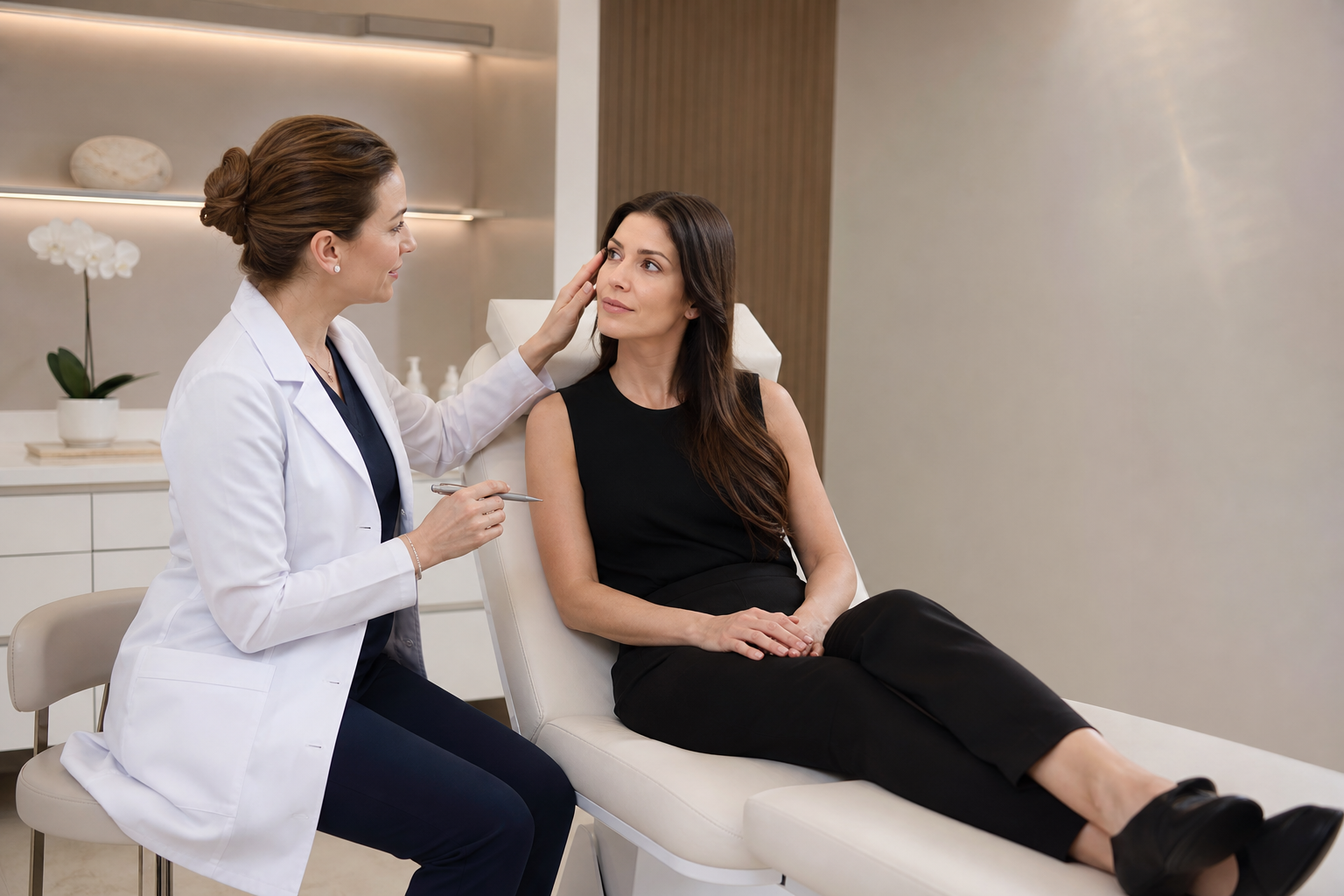
A careful and comprehensive consultation represents the cornerstone of a successful first Botox experience. This appointment facilitates a two-way dialogue where aesthetic goals, medical history, prior treatments, allergies, and lifestyle factors are meticulously reviewed. Your provider will perform a facial examination, observing muscle movements, skin condition, and wrinkle patterns to tailor the treatment plan precisely.
During this consultation, expect detailed explanations about how Botox works, estimated duration of effects, potential side effects, and the treatment procedure itself. Transparent discussions surrounding the cost, number of injections, and realistic results foster trust and help set achievable expectations.
Preparation for the treatment often includes instructions such as avoiding blood thinners or alcohol before the procedure to minimize bruising risk. You may also be advised on managing any anxieties or concerns you have, ensuring your comfort throughout the process.
Managing Expectations: What Botox Can and Cannot Achieve
Botox offers remarkable benefits in reducing the visibility of dynamic wrinkles and can serve as an effective preventive measure against the deepening of lines that form from repeated facial expressions. The smoothing effects generally appear within 3 to 7 days post-injection and last approximately 3 to 6 months, after which muscle activity gradually resumes, and wrinkles may reemerge.
Nevertheless, it is important to understand Botox has limitations. It does not provide permanent wrinkle removal, nor does it address concerns such as sagging skin, loss of facial volume, or static wrinkles unrelated to muscle movement. Results are usually subtle and most successful when the goal is natural rejuvenation rather than dramatic alteration.
Side effects from correctly administered Botox are typically mild and transient, including minor redness, swelling, or bruising at injection sites. Serious complications are extremely rare but can occur when unqualified individuals perform injections or counterfeit products are used. This underlines the need for careful practitioner selection to ensure safety and optimal results.
Ensuring Safety Through the Right Specialist and Treatment Environment
The overarching consideration for anyone contemplating their first Botox treatment is safety. The efficacy and risk profile of Botox depend heavily on the skill, knowledge, and integrity of the administering practitioner. Certified dermatologists, plastic surgeons, and medical professionals with expertise in aesthetic medicine are the preferred providers.
Choosing a reputable clinic that complies with legal standards and employs authentic, approved products is essential. These clinics maintain rigorous sterilization protocols, possess appropriate certifications, and prioritize patient education and care. Avoiding treatments offered by unauthorized individuals or at unregulated establishments reduces the chances of adverse outcomes significantly.
Post-treatment care guidelines should be clearly communicated and followed diligently. These typically involve avoiding rubbing the treated areas, refraining from intense exercise or heat exposure, and reporting any unusual symptoms promptly to the healthcare provider.
Communicating Your Desired Outcomes for a Tailored Botox Experience
An open and clear conversation about your desired aesthetic outcome substantially enhances treatment satisfaction. Reflect before your appointment on what you aim to achieve—whether that is modest wrinkle softening, prevention of new lines, or dynamic expression moderation. Be prepared to share examples or references if helpful, and discuss any concerns or previous experiences with cosmetic treatments.
Your provider will leverage this insight, balanced with their professional assessment, to customize the injection locations, dosage, and technique. The shared objective is a natural appearance where signs of aging are mitigated, but facial expressions and individuality remain intact. Especially with a first treatment, the focus is often on subtle enhancement rather than aggressive correction.


