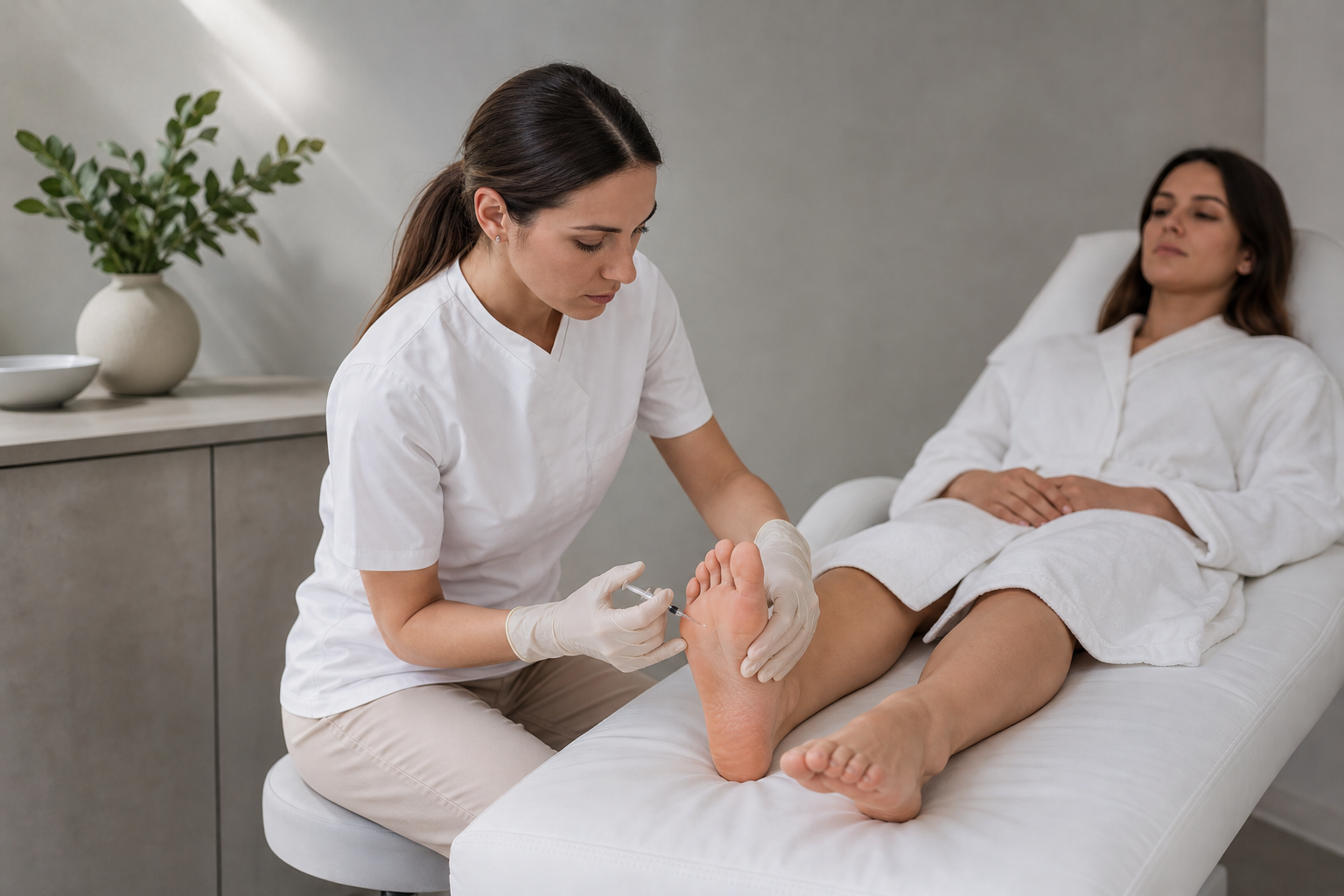
Excessive foot sweating, medically identified as plantar hyperhidrosis, is a condition that affects a significant segment of the population worldwide. While often underestimated, its impact extends well beyond simple discomfort. Persistent moisture on the feet can lead to unpleasant odors, skin irritation, fungal infections, and a notable reduction in quality of life. Many individuals feel self-conscious, avoiding social or professional settings due to this condition. Addressing this challenge requires not only effective treatment options but also an informed understanding of the underlying mechanisms and realistic expectations.
Among the evolving therapies, botulinum toxin—commonly known by the brand name Botox—has emerged as one of the most innovative and effective treatments specifically targeting excessive sweating. Originally famous for its applications in cosmetic medicine to reduce wrinkles, its use has expanded into various medical fields, including the management of hyperhidrosis. When applied to excessive foot sweating, botulinum toxin offers a selective and targeted approach that delivers long-lasting symptom control, significantly improving patient comfort and confidence.
This comprehensive editorial examines how botulinum toxin works in the context of plantar hyperhidrosis, discusses candidacy, practical considerations, safety, and the balance of benefits and limitations. Understanding this treatment in detail empowers patients and clinicians alike to make informed decisions regarding its role in managing excessive foot sweating, a condition that is often overlooked but profoundly impactful.
The Neurophysiological Basis of Botulinum Toxin in Controlling Excessive Sweating
To appreciate how botulinum toxin effectively limits excessive foot sweating, it is crucial to understand its mechanism of action at a neurophysiological level. Botulinum toxin is a neurotoxin produced by the bacterium Clostridium botulinum, which in controlled, minute doses, has therapeutic properties. Its primary function lies in blocking the release of acetylcholine, a key neurotransmitter responsible for transmitting signals from nerves to muscles and glandular structures.
In plantar hyperhidrosis, the sweat glands—particularly the eccrine glands—are excessively stimulated by sympathetic nerve activity, leading to overproduction of sweat. When botulinum toxin is injected into the skin of the feet, it temporarily disrupts the communication between sympathetic nerve endings and the sweat glands. By preventing acetylcholine release, the sweat glands receive no activation signal, thereby dramatically reducing perspiration in the treated areas.
An important distinction to grasp is that botulinum toxin does not destroy sweat glands or permanently alter their structure. Instead, its effect is temporary, dependent on the regeneration of nerve terminals and re-establishment of neurotransmitter release, which typically occurs over several months. This temporary blockade allows patients to enjoy respite from excessive sweating while maintaining the body's essential thermoregulatory functions unaffected, as the treatment is localized and selective.
Challenges and Technical Specificities in Treating Excessive Foot Sweating with Botulinum Toxin
Treating plantar hyperhidrosis presents unique challenges compared to other hyperhidrosis locations like the underarms or palms. The foot's dense concentration of sweat glands combined with the thick, resilient plantar skin requires a precise and expertly executed injection technique to ensure adequate therapeutic effect. Achieving uniform coverage over the entire problematic area is fundamental, as any untreated zones may continue to produce excessive sweat, compromising the overall benefit.
Prior to treatment, a thorough assessment is essential. This may involve diagnostic tools such as the starch–iodine test or moisture-measuring paper to demarcate areas of maximal sweating, enabling a tailored injection plan. The botulinum toxin is then administered via multiple small injections spaced evenly to saturate the affected region effectively.
The procedure duration typically ranges from 20 to 40 minutes and is often performed under local anesthesia or with skin cooling methods to minimize discomfort, given the sensitivity of the foot's sole. Post-treatment, patients may experience mild transient effects such as localized pain, erythema, or edema, but these are usually short-lived and well-tolerated.
Results become apparent within about one week and may last from four to eight months, with considerable variability dependent on individual physiology, dosage, and treatment technique. Most patients see significant improvement following one or two treatment cycles, marking a substantial reduction in sweat production and associated symptoms.
Patient Profiles and Suitability for Botulinum Toxin Treatment in Excessive Foot Sweating
Determining appropriate candidates for botulinum toxin therapy is paramount for safety and efficacy. Typically, individuals with clinically diagnosed plantar hyperhidrosis that severely impacts daily living and is unresponsive to standard topical treatments are considered prime candidates. This includes patients facing debilitating psychosocial effects or dermatological complications such as recurrent infections due to moisture retention.
However, botulinum toxin treatment is contraindicated for some groups, including those with hypersensitivity to toxin components, pregnant or breastfeeding women, and patients with certain neuromuscular disorders. Additionally, active skin infections on the feet must be resolved before initiating therapy to avoid complications.
Consultation with a qualified dermatologist or neurologist experienced in hyperhidrosis management is essential to evaluate medical history, confirm diagnosis, and establish realistic expectations. This personalized approach ensures that the treatment is suitable, safe, and aligned with patient goals.
Comparative Efficacy of Botulinum Toxin Versus Traditional Therapies for Plantar Hyperhidrosis
The landscape of treatment for excessive foot sweating encompasses a range of modalities, each with unique advantages and limitations. Conventional options include topical antiperspirants containing aluminum chloride, iontophoresis, systemic medications, and in severe cases, surgical interventions such as sympathectomy.
Topical antiperspirants often provide limited relief in plantar hyperhidrosis due to thicker skin and the predominance of sweat glands, and can sometimes cause irritation. Iontophoresis, which employs electrical currents to reduce gland activity, may be effective but requires frequent and time-intensive maintenance sessions, making it less practical for many patients.
Systemic agents like anticholinergics reduce overall sweating but carry a risk of broad side effects due to their systemic action, rendering them less favorable as a first-line solution. Surgical options, while potentially definitive, come with inherent risks such as compensatory sweating and nerve damage, and are generally reserved for refractory cases.
In contrast, botulinum toxin offers a balance of effectiveness, duration, and minimal systemic involvement. Its focal application minimizes side effects and avoids surgery-associated complications. When conservative measures fail, botulinum toxin emerges as a minimally invasive alternative providing significant symptomatic relief and improved quality of life.
Safety Profile and Potential Side Effects of Botulinum Toxin in Foot Sweat Management
Administered by experienced professionals, botulinum toxin injection for plantar hyperhidrosis maintains a robust safety record. The small, localized doses used significantly reduce the risk of systemic toxicity. Nonetheless, as with any medical treatment, awareness of potential side effects is critical.
Localized adverse effects can include mild discomfort at injection sites, transient swelling, and redness. Some patients may experience temporary foot muscle weakness due to proximal diffusion of the toxin, which can affect gait or balance but typically resolves within weeks. Allergic reactions are exceedingly rare but must be monitored for and managed promptly.
Proper injection technique and dose calculation reduce the likelihood of complications. Follow-up evaluations ensure early detection and management of any side effects, promoting optimal patient safety. Patients are advised to seek immediate medical advice if they experience prolonged pain, swelling, significant muscle weakness, or signs of infection after treatment.
The Essential Role of Expert Consultation Prior to Botulinum Toxin Therapy
Given the complexity of excessive foot sweating and the technical considerations involved in botulinum toxin treatment, a professional consultation with a qualified specialist is indispensable. This initial encounter includes comprehensive clinical examination, diagnostic assessment to confirm plantar hyperhidrosis, and evaluation for contraindications and coexisting conditions.
The consultation also serves to educate the patient regarding the realistic benefits, the procedural steps, and potential side effects. Individual factors such as age, medical history, lifestyle, and personal goals are discussed to design a personalized treatment plan.
Engaging in dialogue with an expert helps align expectations, reduce anxiety, and foster adherence to post-treatment care. It also facilitates a broader therapeutic approach that may incorporate adjunct therapies or lifestyle modifications enhancing long-term management.
Managing Expectations and Understanding Long-Term Outcomes of Botulinum Toxin Treatment for Plantar Hyperhidrosis
Realistic expectations are fundamental to patient satisfaction with botulinum toxin therapy for excessive foot sweating. While the treatment effectively suppresses sweat production in targeted areas, its effects are transitory and necessitate repeat sessions every few months for sustained control.
The procedure does not cure hyperhidrosis permanently, nor does it alter the anatomical presence of sweat glands. However, the duration of sweat suppression between treatments significantly improves daily functioning and social confidence. Many patients report marked improvements in foot odor, comfort in footwear, and reduction in skin problems.
Individual variability means that duration and extent of effect can differ. Some require adjustments in dosing or injection technique over time. Continuous patient follow-up ensures titration of treatment to clinical response, guaranteeing an evidence-based and patient-centered approach.
Integration of Botulinum Toxin into a Comprehensive Strategy for Managing Excessive Sweating
Botulinum toxin is most effective when employed as part of a holistic management strategy for plantar hyperhidrosis. Combining toxin injections with meticulous foot hygiene, appropriate footwear choices, use of medical-grade antiperspirants, and adjunct therapies like iontophoresis can optimize outcomes. Lifestyle modifications, such as stress reduction techniques and dietary considerations, may further complement medical interventions.
This multimodal approach respects the multifactorial nature of excessive sweating and promotes durable benefits. It also addresses the psychosocial dimensions by rebuilding patient confidence and reducing stigma associated with hyperhidrosis.
Long-term success is achieved through ongoing education, routine monitoring, and flexible treatment protocols adapting to evolving patient needs.


