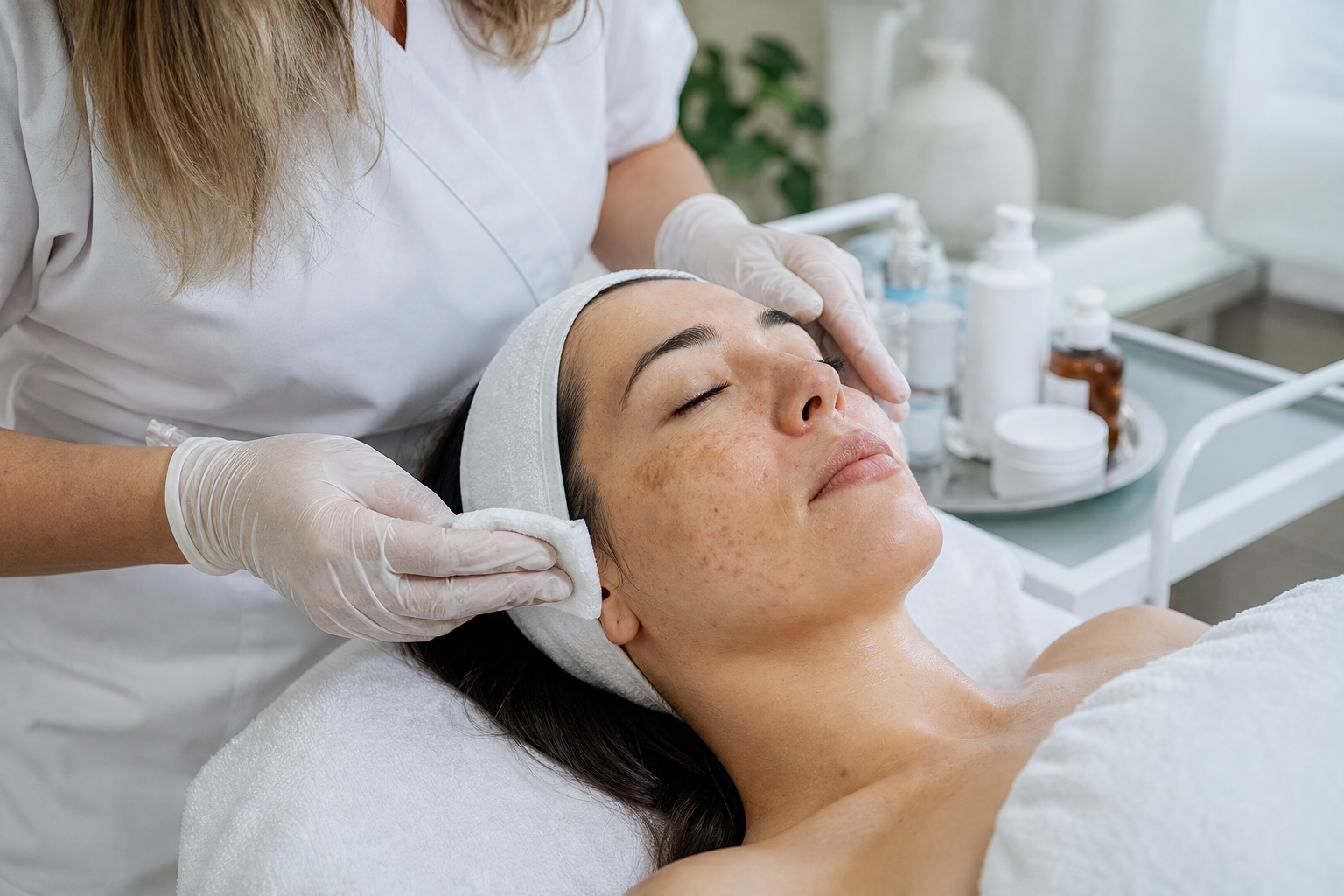
Laser treatments have revolutionized dermatology and aesthetics by offering efficient methods for skin rejuvenation, hair removal, and pigmentation correction. However, these advanced procedures come with potential side effects, among which hyperpigmentation stands as a noteworthy concern. Hyperpigmentation after laser treatment manifests as darker patches on the skin that can undermine the aesthetic outcomes and patient satisfaction.
This article addresses the causes and risk factors associated with post-laser hyperpigmentation, aimed at individuals considering or undergoing laser procedures as well as healthcare professionals seeking to optimize patient safety and treatment efficacy. Understanding these aspects is crucial for appropriate candidate selection, risk management, and ensuring that patients receive effective care backed by medical responsibility.
Hyperpigmentation after laser therapy is a complex reaction involving skin pigmentation changes driven by inflammatory responses and melanin dynamics. Its occurrence varies widely depending on skin phototype, laser modality, treatment parameters, and post-treatment care. Proper knowledge about why this condition appears and how to minimize its risk helps preserve the benefits of laser technology while safeguarding patients' skin integrity.
What Is Hyperpigmentation After Laser Treatment and Why Does It Occur?
Hyperpigmentation following laser procedures refers to the localized darkening of the skin caused by an excess deposition of melanin after an inflammatory stimulus induced by the laser. This phenomenon is medically classified as post-inflammatory hyperpigmentation (PIH). It arises due to a cascade of skin responses to laser-induced injury, which targets specific components like melanocytes or pigment deposits to achieve therapeutic effects.
During laser treatment, energy is delivered to the skin with the aim of disrupting unwanted pigmentation, stimulating collagen, or selectively destroying hair follicles. However, this energy can also provoke an inflammatory reaction, triggering melanocytes to overproduce melanin in an effort to protect and repair the skin. Consequently, these areas become visibly darker compared to surrounding tissue.
The degree and persistence of hyperpigmentation vary widely. In many cases, the darkened spots fade gradually over weeks to months, especially with appropriate care. Nevertheless, for some patients—particularly those with predispositions—the pigmentation changes may last longer and require specialized intervention.
Which Types of Lasers Are Most Commonly Associated with Post-Inflammatory Hyperpigmentation?
Not all laser therapies carry equal risk for inducing hyperpigmentation. Ablative lasers, such as fractional CO2 or erbium:YAG lasers, intentionally remove layers of the epidermis to stimulate skin renewal. Due to their invasiveness and the deeper injury they impart, these lasers are more likely to provoke significant inflammation, increasing the risk of hyperpigmentation, especially if treatment parameters or aftercare are not optimal.
On the other hand, non-ablative lasers, which heat deeper skin layers without damaging the surface, generally lead to less inflammation and consequently hold a lower risk of PIH. However, these lasers are not risk-free. Inappropriately selected settings or application in higher Fitzpatrick skin types can still result in pigmentary alterations.
Laser hair removal is another context in which hyperpigmentation can arise. Darker skin tones, which naturally contain more melanin, absorb more laser energy, raising the chance of overheating and provoking pigmentation changes unless the device and parameters are expertly tuned.
Ultimately, the therapist's expertise in technology selection and adjusted treatment plans plays a pivotal role in mitigating risk related to the specific laser type used.
What Are the Primary Patient-Related Risk Factors for Hyperpigmentation After Laser Procedures?
Intrinsic factors inherent to the patient significantly influence the likelihood of developing hyperpigmentation after laser treatment. Among the most important:
Skin Phototype: The Fitzpatrick classification categorizes skin from type I (very fair) to VI (very dark). Individuals with higher phototypes (IV, V, VI) have increased baseline melanin, rendering their skin more reactive to inflammation and laser energy, thereby predisposing them to PIH.
Baseline Pigmentary Conditions: The presence of existing pigmented lesions, such as melasma, lentigines, or other pigment irregularities, can exacerbate post-laser pigment changes due to already altered melanocyte activity.
Hormonal Influences and Genetic Predisposition: Hormonal fluctuations—commonly seen during pregnancy, among women on oral contraceptives, or with endocrine disorders—can heighten melanocyte sensitivity. Additionally, individual genetic factors affecting melanin synthesis modulate propensity for hyperpigmentation.
Recognition of these intrinsic risks is essential during patient evaluation to determine candidacy and strategize preventive measures accordingly.
How Do Treatment Protocols and Environmental Factors Contribute to the Risk of Hyperpigmentation?
Several external or modifiable factors significantly affect the risk profile related to hyperpigmentation after laser treatment:
Treatment Parameters: Excessive laser fluence, inappropriate wavelength choice, or treating too aggressively can heighten tissue trauma and inflammation, fostering hyperpigmentation.
Skin Condition at Time of Treatment: Undertaking procedures on sun-exposed, burnt, inflamed, or otherwise compromised skin escalates risk. Active dermatologic conditions should be resolved prior to treatment.
Sun Exposure and UV Protection: Ultraviolet radiation is a potent stimulator of melanin production. Inadequate photoprotection before and especially after laser therapy significantly raises the probability of persistent or exacerbated pigmentation changes.
Addressing these operational and environmental factors involves strict adherence to protocols, patient education on sun avoidance, and application of topical photoprotective agents.
When Should Patients Seek Professional Evaluation for Post-Laser Hyperpigmentation?
Not all pigmentation changes after laser treatment warrant alarm. Many are transient and resolve with time or simple skincare. Nonetheless, certain signs signal the need for immediate expert assessment:
Rapid or Unusual Changes: Expansion, irregularity, or color variation in pigmented patches may indicate atypical pathology requiring thorough dermatologic evaluation.
Lack of Improvement Over Time: Persistent pigmentation beyond expected timelines—months without reduction—can necessitate targeted treatment strategies.
Associated Symptoms: Presence of pain, itching, persistent redness, scaling, or signs suggestive of infection or more complex dermatological issues must prompt urgent consultation.
Professional assessment ensures accurate diagnosis, differentiates benign PIH from other pigmentary or neoplastic conditions, and guides appropriate management without delay.
How Is Candidacy for Laser Treatment Determined to Minimize Hyperpigmentation Risk?
Selecting suitable candidates is paramount to reducing complications. This comprehensive evaluation includes:
Skin Type and Medical History Review: Identification of high-risk phototypes and existing pigmentary disorders allows for tailored treatment plans or alternative modalities.
Timing and Patient Compliance: Treatment scheduling should consider sun exposure patterns, seasonal factors, and patient ability to follow rigorous sun protection and post-treatment care.
Patient Expectations and Education: Understanding the benefits, limitations, and possible adverse effects fosters realistic expectations and adherence to preventive guidelines.
Candidates deemed higher risk may still undergo laser therapy but under modified protocols, with prudent power settings and conservative approaches.
What Does Recovery Involve to Prevent and Address Hyperpigmentation?
Post-treatment care is a critical phase that influences outcomes and pigmentary stability. Essential recovery measures include:
Sun Avoidance and Protection: Broad-spectrum sunscreen application with high SPF, physical blockers like hats, and avoidance of direct sunlight minimize UV-induced melanin stimulation.
Gentle Skin Care: Use of mild cleansers, moisturizers, and avoidance of irritants supports barrier restoration and reduces inflammatory triggers.
Monitoring and Early Intervention: Regular follow-up with a clinician permits early detection of hyperpigmentation and implementation of corrective therapies tailored to the individual.
Self-medication or unregulated interventions can exacerbate pigmentation issues, underscoring the importance of professional guidance throughout recovery.


