Laser hair removal has become a popular aesthetic treatment for individuals seeking a long-term solution to unwanted hair. However, a common question that arises among potential candidates and those who have undergone the procedure is, "Can a hair follicle regenerate after laser hair removal?" Understanding the regenerative capacity of hair follicles after laser treatment is essential for setting realistic expectations, optimizing treatment plans, and achieving desired cosmetic outcomes. This exploration is particularly relevant for people with varying hair types, skin tones, and those looking at long-lasting results from laser procedures.
This article delves into the science of how laser hair removal affects hair follicles, the extent to which follicles can regenerate, factors impacting regeneration, and what patients can anticipate during and after treatment. Whether you are considering laser hair removal for facial, leg, or other body areas, or you are simply seeking to deepen your knowledge on effective hair reduction methods, this comprehensive guide will provide clarity and insightful information.
By examining clinical evidence, aesthetic treatment protocols, and technological advancements in laser procedures, we offer a nuanced perspective on hair follicle biology in the context of laser hair removal. This knowledge empowers readers to make informed decisions and fosters realistic expectations about the long-term efficacy of laser treatments.
What Happens to Hair Follicles During Laser Hair Removal?
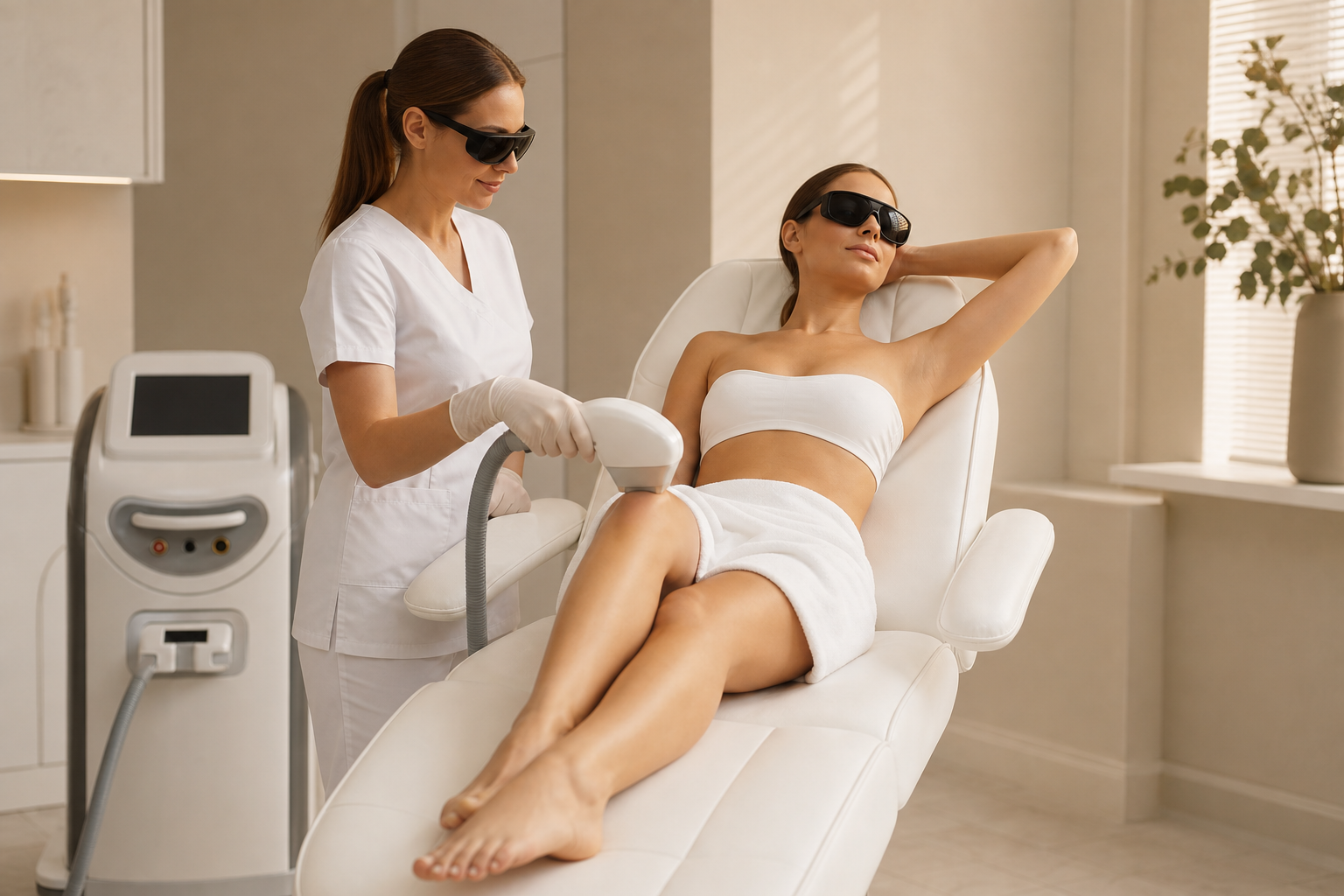
Laser hair removal operates by targeting the pigment, or melanin, within hair follicles using concentrated beams of light. The laser energy is absorbed by melanin, converting light to heat, which damages the follicle's structure responsible for producing hair. This targeted damage inhibits or delays future hair growth, resulting in noticeable hair reduction over time.
The follicle’s bulb, known as the hair matrix, contains cells that divide rapidly to produce the hair shaft. Additionally, the dermal papilla supplies nutrients and growth signals essential for follicle function. Effective laser treatment aims to deliver sufficient heat to damage these critical components without harming surrounding skin tissue.
Not all follicles are equally susceptible during a session because laser hair removal is most effective during the anagen phase—the period when follicles are actively growing hair and contain the most melanin. Follicles in resting or shedding phases absorb less laser energy and may remain unaffected during the treatment session.
Can Hair Follicles Fully Regenerate After Laser Hair Removal?
One of the key questions revolves around the regenerative capability of hair follicles following laser intervention. While laser treatments cause significant damage aimed at disabling hair growth capacity, follicular regeneration can occur under certain circumstances.
Follicle regeneration depends on the extent of injury to the follicle and the surrounding stem cell populations. If the laser inflicts irreversible damage to the hair matrix and essential stem cells, hair regrowth is unlikely, leading to permanent reduction. However, if the damage is partial or the follicle’s stem cells survive, the follicle can repair itself over time and re-enter a functional growth cycle.
Clinical evidence suggests that individual variability—such as genetics and hair follicle resilience—also influences regenerative outcomes. For some individuals, hair regrowth after laser hair removal may occur but typically with finer, lighter, and weaker hair shafts. In contrast, others may experience near-complete and long-lasting hair elimination.
What Factors Influence Hair Follicle Regeneration After Treatment?
Numerous factors play a role in whether hair follicles regenerate following laser hair removal, including laser parameters, hair and skin characteristics, and treatment consistency.
Laser Parameters: The wavelength, pulse duration, and energy level determine the laser’s effectiveness in damaging follicles. For example, longer wavelengths penetrate deeper, suitable for targeting coarser hair on darker skin tones, while shorter wavelengths may work better for fairer skin. Proper calibration is essential to maximize follicular damage while minimizing skin injury.
Hair and Skin Type: Hair density, thickness, color, and growth cycles vary widely among individuals. Darker, coarser hair typically absorbs laser energy more effectively than fine, light-colored hair, influencing treatment efficacy. Additionally, skin tone can affect laser settings due to melanin absorption in the epidermis, impacting how much energy reaches follicles.
Treatment Consistency and Number of Sessions: Successful hair removal usually requires multiple sessions spaced weeks apart, allowing hair follicles to be targeted during their active growth phases. Incomplete or irregular treatments can allow hair follicles to partially repair, leading to regrowth.
Biological Variations: Age, hormonal fluctuations, and underlying medical conditions can influence hair follicle behavior post-treatment. For instance, hormonal changes during pregnancy or menopause may stimulate dormant follicles to resume activity despite prior laser damage.
How Long Does It Typically Take to See Permanent Results?
Permanent hair reduction from laser treatments is a gradual process. Typically, patients undergo 6 to 8 sessions spaced 4 to 6 weeks apart to maximize follicular damage through repeated targeting of follicles as they transition through growth phases.
After completing the initial treatment course, most individuals notice a significant and sustained reduction in hair growth lasting months to years. However, some hair follicles may regenerate partially, necessitating maintenance sessions annually or biannually to uphold smooth results. This maintenance helps to address any hair regrowth that stems from undamaged follicles or newly developed follicles.
It is important to understand that "permanent" in this context often means long-term hair reduction rather than absolute hair elimination. Some follicles may survive or regenerate, producing sparser and finer hair, thereby improving the appearance but not eradicating all hair completely.
Are Certain Body Areas More Prone to Hair Follicle Regeneration?
The effectiveness and permanence of laser hair removal can vary depending on the treated area. Areas with coarser hair and thicker skin, such as the underarms and bikini line, often respond well to laser treatment with prolonged results.
Conversely, regions where hair is finer or influenced by hormones, such as the face—particularly the upper lip and chin—may exhibit more frequent hair regrowth. Facial hair follicles have complex growth patterns and are more sensitive to hormonal changes, raising the likelihood of follicular regeneration post-treatment.
Similarly, areas with mixed hair growth cycles or hormonal influence, like the chest and back in men, may require additional sessions to achieve satisfactory long-term reduction. Customized treatment plans that consider these differences improve overall outcomes.
Can Hair Color or Skin Tone Impact Follicular Regeneration and Laser Effectiveness?
Hair color and skin tone significantly influence laser hair removal efficacy and follicle response. Lasers target melanin, thus individuals with dark hair and light skin tend to experience the most effective follicle damage and reduced regeneration.
Light-colored hair, such as blond, gray, or red, contains less melanin, making it more difficult for lasers to generate sufficient heat in follicles. Consequently, hair follicles in these cases may receive inadequate damage, and regeneration is more probable.
Regarding skin tone, darker skin contains more epidermal melanin, which can absorb and dissipate laser energy intended for hair follicles. Advanced laser technologies, such as Nd:YAG lasers with longer wavelengths, are better suited for darker skin tones and can minimize follicular regeneration risks by delivering deeper, more targeted energy pulses.
How Can Individuals Maximize the Chances of Long-Lasting Follicle Inhibition?
To minimize hair follicle regeneration and achieve sustained reduction, patients can take proactive steps aligned with professional guidance.
Adherence to Treatment Schedule: Attending all recommended sessions spaced appropriately ensures targeting of follicles during active growth phases. This systematic approach enhances cumulative follicular damage.
Proper Pre- and Post-Treatment Care: Avoiding sun exposure, applying soothing agents, and adhering to skincare recommendations help protect the skin and optimize laser effectiveness.
Choosing Experienced Providers: Selecting trained practitioners who can tailor laser settings to individual skin and hair types reduces risks of incomplete follicle damage and adverse effects.
Managing Expectations: Understanding that maintenance sessions may be necessary and that some degree of hair regrowth is common helps patients make informed decisions and sustain satisfaction.
What Are Common Misconceptions About Hair Follicle Regeneration After Laser Hair Removal?
A prevalent misconception is that laser hair removal guarantees permanent hair elimination after a single session. In reality, laser hair removal results evolve over multiple sessions, with maintenance occasionally required.
Another misunderstanding is that all hair follicles behave uniformly. Hair follicle biology is complex, and various external and internal factors influence regeneration. The laser’s impact depends heavily on individual follicle characteristics and treatment variables.
Some believe laser treatments promote hair growth in untreated areas due to stimulation; however, scientific evidence does not support this. Properly applied lasers do not induce new hair growth but work by damaging existing follicles.
Addressing these misconceptions through education enhances patient experience and outcome satisfaction.
How Does Emerging Technology Influence Hair Follicle Regeneration Outcomes?
Innovations in laser technology continue to improve the precision and effectiveness of hair removal, potentially reducing follicle regeneration rates.
Advanced Lasers and Devices: Newer devices offer adjustable wavelengths and pulse durations, enabling personalized treatments that optimize follicular destruction across diverse skin and hair types.
Combination Therapies: Researchers are exploring combining laser treatments with other modalities such as radiofrequency or topical agents to enhance follicle damage and inhibit regeneration more effectively.
Artificial Intelligence and Imaging: AI-driven systems facilitate precise identification of follicle-rich areas and enable real-time treatment adjustments, minimizing missed follicles and improving long-term outcomes.
As technology advances, the ability to customize and optimize follicular damage will likely enhance hair reduction permanence for a broader range of patients.