In the realm of non-invasive skin rejuvenation, two treatment modalities have gained remarkable popularity: RF lifting and HIFU. These advanced technologies cater to individuals seeking to improve skin texture, firmness, and overall youthful appearance without resorting to surgical procedures. Understanding the distinctions between RF lifting (Radiofrequency lifting) and HIFU (High-Intensity Focused Ultrasound) is essential for those considering aesthetic treatments, as each method employs unique mechanisms, targets different skin layers, and produces varying results tailored to specific aging concerns.
This article delves deeply into the characteristics of RF lifting and HIFU, exploring their technologies, benefits, limitations, and ideal candidates. It is designed for readers who desire comprehensive knowledge in order to make informed decisions aligned with their skin condition and aesthetic goals. Whether you are a skincare enthusiast, an aesthetic medicine patient, or a specialist seeking to understand these modalities better, this detailed comparison will provide clarity on what each treatment offers and when to consider one over the other.
Skin aging manifests through loss of elasticity, volume depletion, the appearance of wrinkles, and sagging contours, prompting many to explore minimally invasive options that rejuvenate the skin without long downtime. RF lifting and HIFU have risen as frontrunners in this category. Both aim to stimulate the skin’s natural collagen and elastin production but differ markedly in how they deploy energy and influence the skin’s architecture. By discerning these differences, individuals and practitioners can customize approaches for optimal, natural-looking improvements.
What is RF Lifting and How Does It Function to Rejuvenate Skin?
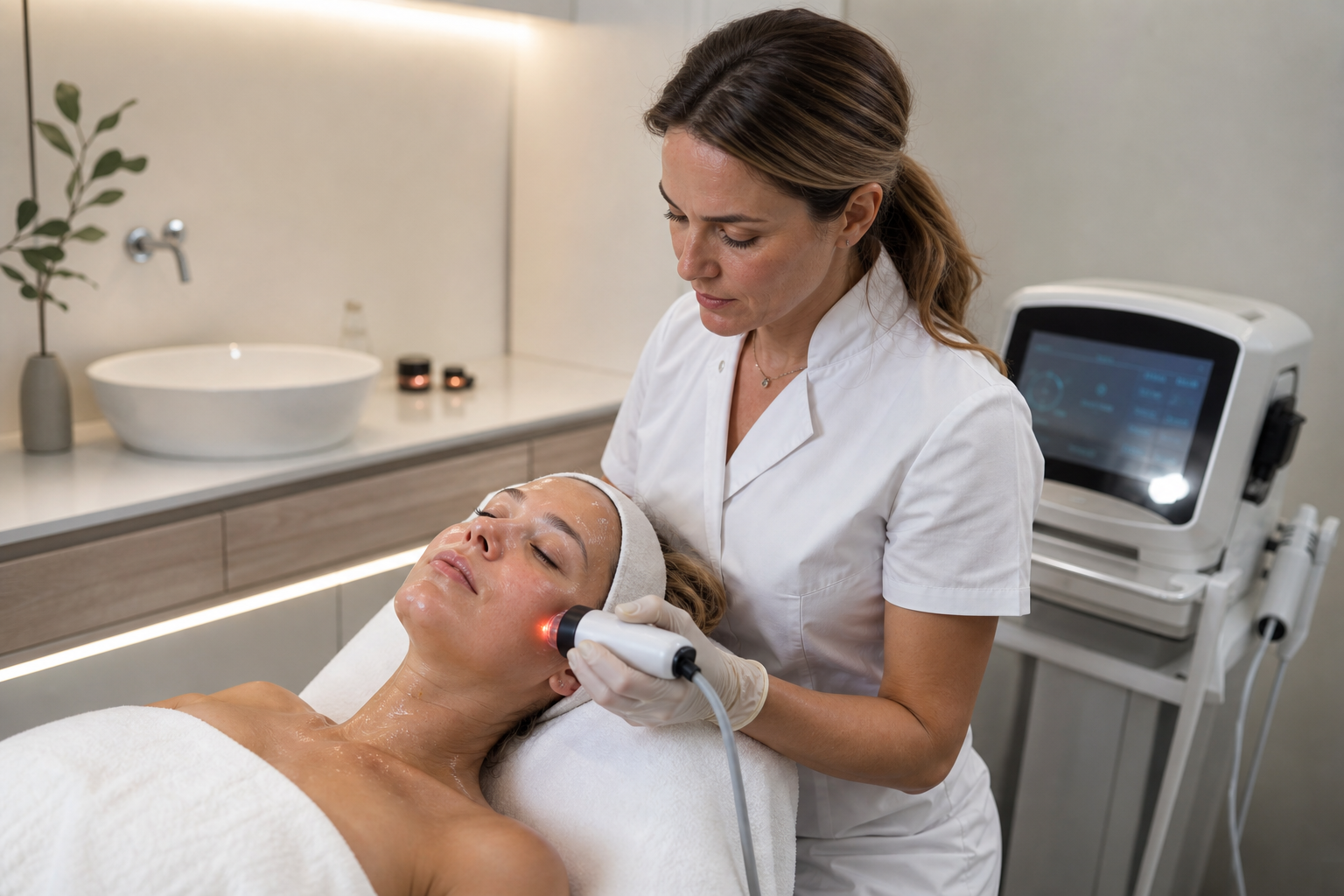
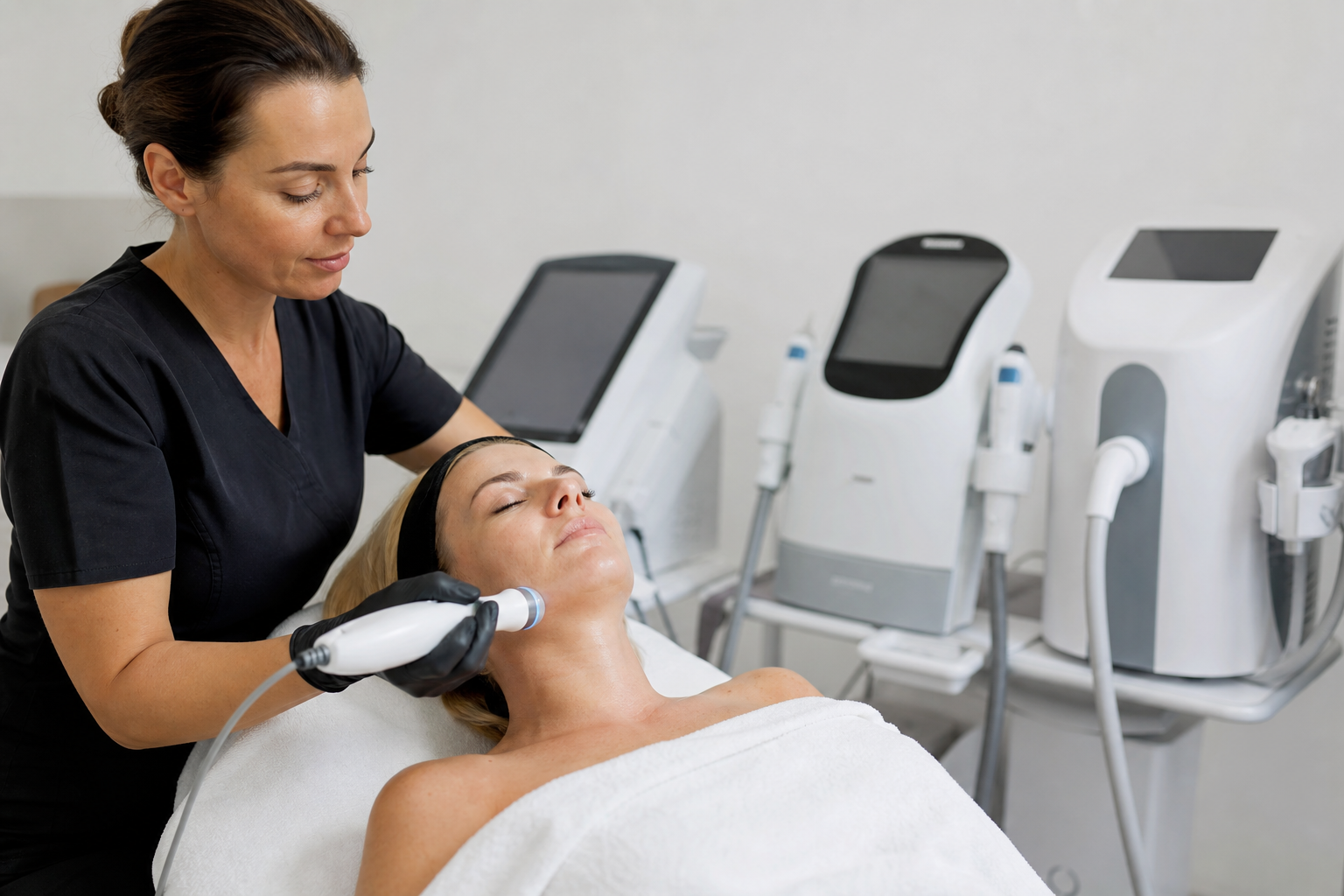
RF lifting utilizes radiofrequency waves—electromagnetic energy at specific frequencies—to heat targeted layers of skin and underlying tissue gently and safely. This controlled heating effect stimulates fibroblasts, the skin cells responsible for synthesizing collagen and elastin, the critical proteins that maintain skin firmness and elasticity.
Depending on the device and treatment protocol, RF energy penetrates to various depths, allowing comprehensive targeting of facial and body areas such as the neck, décolletage, abdomen, and arms. The technique has evolved to include different modalities, like non-invasive RF, fractional RF which precisely treats microscopic skin zones, and RF microneedling, combining the penetration of needles with radiofrequency energy to enhance collagen induction.
This gamut of approaches offers customization based on the patient’s skin type, aging signs, and treatment goals. Importantly, RF lifting does not involve surgical lifting or altering facial contours dramatically. Instead, it promotes slow, steady improvements in skin texture, tone, and tightness, ideal for early signs of aging or maintenance therapy.
How Does HIFU Work and What Are Its Intense Effects on Skin Contours?
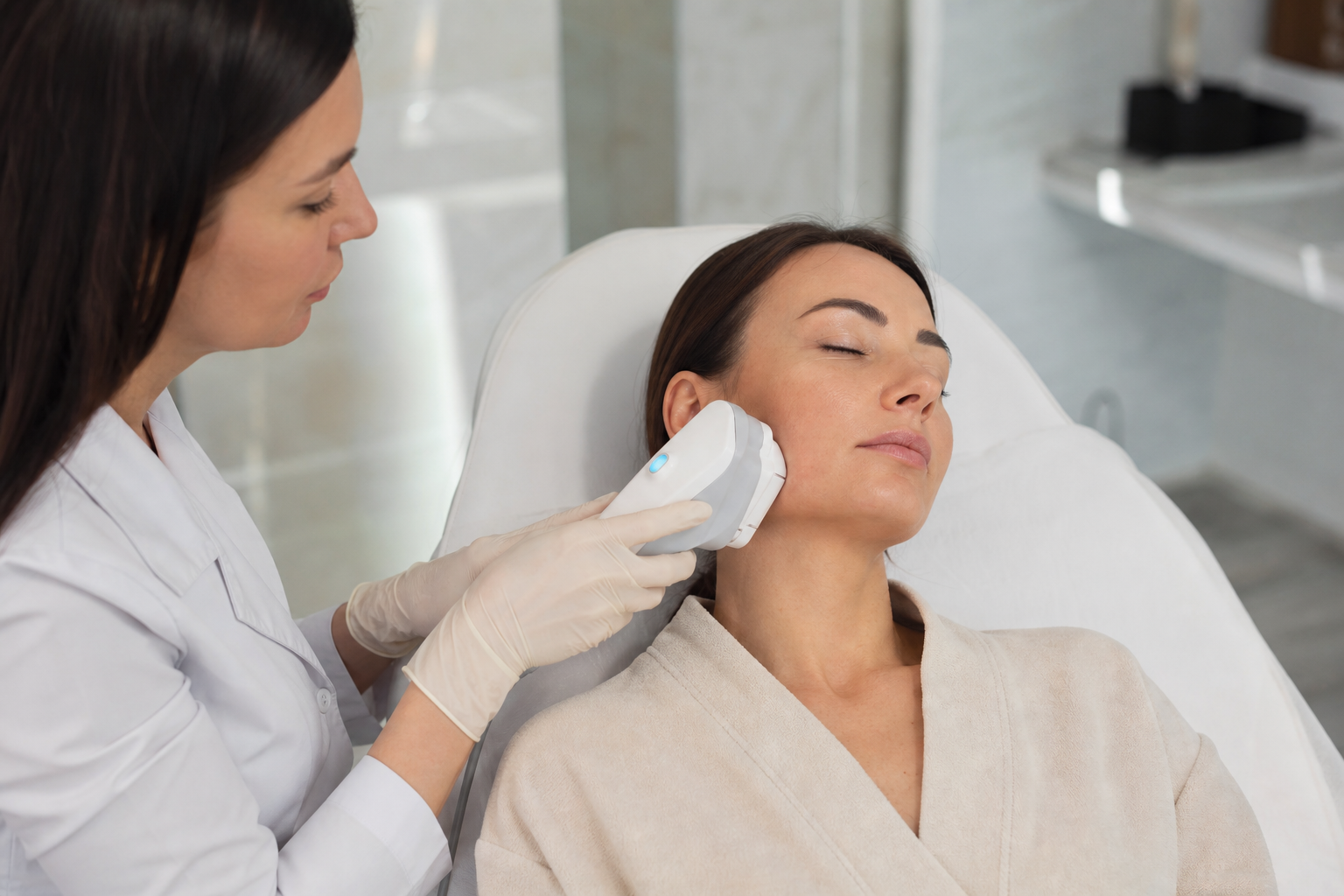
In contrast, HIFU employs focused ultrasound waves that converge precisely at specific dermal depths, delivering thermal energy beneath the skin surface. This targeted heating reaches the superficial musculoaponeurotic system (SMAS) layer—a fibrous network supporting facial muscles—which is the same layer manipulated during surgical facelifts.
By heating the SMAS and deep dermal layers, HIFU induces immediate tissue contraction and triggers the body's regenerative response, stimulating robust collagen and elastin production. This results in notable lifting and tightening effects, especially around the jawline, chin, neck, and brows. The treatment can address more pronounced sagging and contour loss compared to RF lifting.
Because of its intensity and depth of action, HIFU is generally suited for individuals with moderate to advanced signs of skin laxity who seek visible lifting without surgery. The precise energy delivery minimizes damage to surrounding tissues but may cause temporary redness, swelling, or tingling sensations during the post-treatment period.
Core Differences Between RF Lifting and HIFU: Technology, Depth, and Outcomes
The fundamental divergence between RF lifting and HIFU lies in their energy sources and how deeply they reach into the skin’s layers. RF lifting uses radiofrequency to heat primarily the dermis and subdermal layers in a more diffuse manner, fostering gradual collagen remodeling and skin tightening. Its energy transfer is typically gentler and adaptable across various skin types and treatment zones.
Conversely, HIFU’s ultrasound technology focuses energy at strategic depths—often around 3 to 4.5 millimeters beneath the skin—inducing a targeted thermal coagulation zone that provokes significant tissue lifting and volumetric contraction akin to surgical results. Its effect is more immediate and visible, designed for patients requiring substantial skin tightening.
RF lifting’s versatility is amplified by its various formats: from completely non-invasive procedures to fractional and microneedling-assisted treatments. HIFU’s delivery is generally homogeneous, with device variations affecting the intensity and treatment duration. Moreover, RF lifting generally involves minimal discomfort and no downtime, while HIFU might require a short recovery due to its more aggressive nature.
Identifying Ideal Candidates: When to Choose RF Lifting or HIFU?
Choosing the right treatment depends on several factors including age, skin condition, desired results, and recovery expectations. RF lifting is well-suited for younger patients or those with mild to moderate skin laxity who prefer a subtle, natural-looking enhancement with virtually no downtime. It is also favorable for individuals with sensitive skin or those unable to tolerate more intense therapies.
HIFU typically appeals to individuals in their late 30s and beyond, experiencing moderate to significant skin sagging and volume loss. Patients desiring pronounced lifting of the jawline, neck, or brows without invasive surgery find HIFU an attractive option. However, people with extremely thin skin, certain medical conditions, or heightened skin sensitivity may not be ideal candidates and should seek professional assessment.
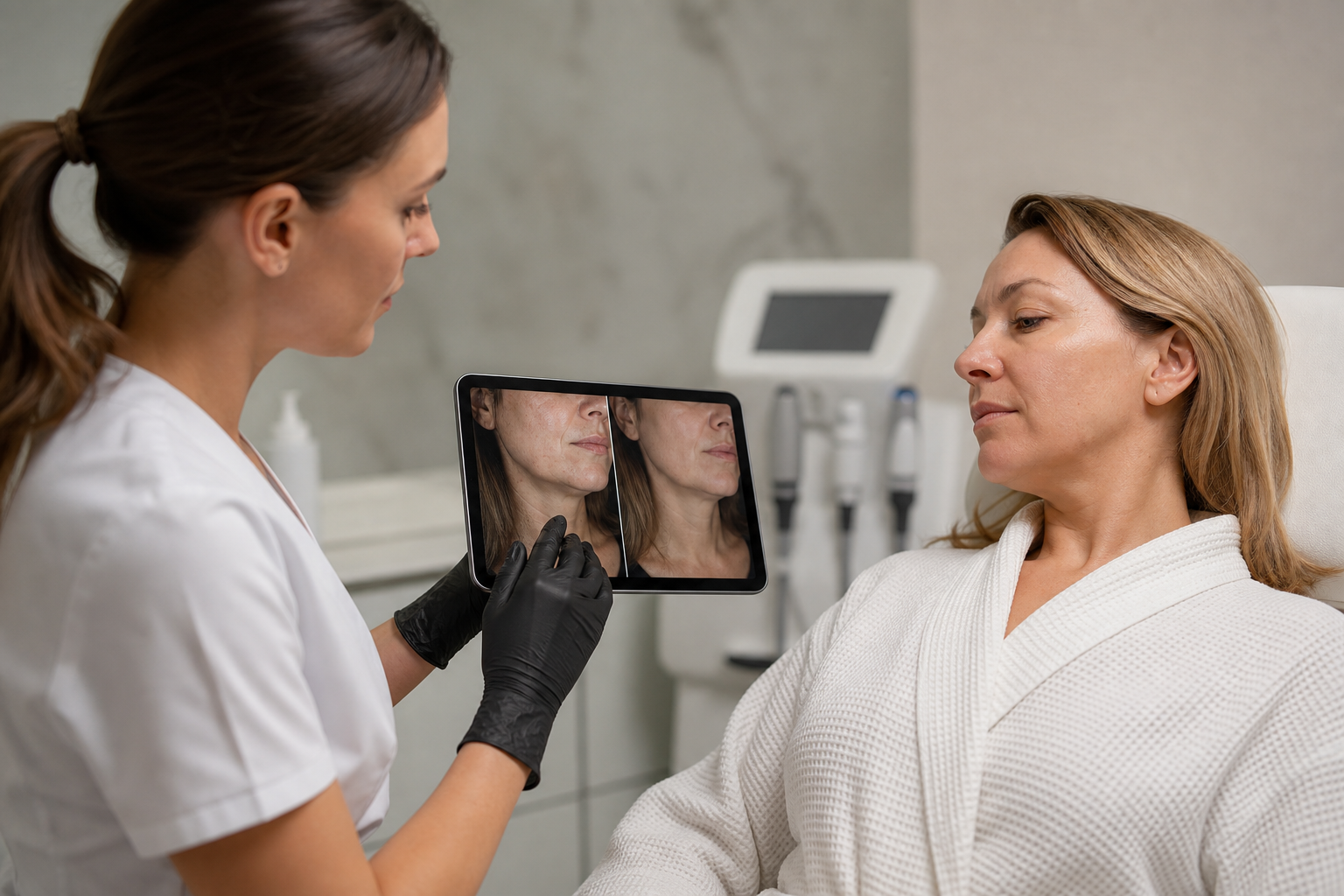
In clinical practice, thorough consultation and skin evaluation help tailor treatment plans. Some patients might benefit from an integrated approach combining RF lifting for overall skin quality improvement with HIFU targeting deeper tissue layers for a lifting effect.
Advantages and Limitations of RF Lifting and HIFU Treatments
RF lifting is celebrated for its safety profile, mild to moderate stimulation intensity, and versatility across face and body areas, including delicate zones like the eyelids. The treatment is convenient, often performing well in series to maintain collagen production over time. It suits people who want ongoing rejuvenation without surgery or significant interruption of daily life.
However, its outcomes develop gradually and may be less dramatic when addressing deeper wrinkles or severe skin laxity. Consequently, patients with advanced aging signs might find RF alone insufficient.
HIFU’s strengths stem from its ability to deliver deep, focused energy yielding visible lifting and contour reshaping. It mimics some effects of surgical facelifts with the benefit of being non-invasive. Still, it has limitations in skin types prone to sensitivity or where excessive energy could cause adverse effects. There may be a transient recovery period marked by swelling or redness, and the sensation during treatment can be more uncomfortable than RF.
What to Expect During and After RF and HIFU Treatments
During an RF session, patients typically sense a warming or tingling feeling on the skin as the radiofrequency energy heats targeted zones. Sessions last approximately 30 to 60 minutes depending on the treated area. After treatment, slight erythema or mild redness may appear but generally subsides quickly, allowing immediate resumption of normal activities.
HIFU treatment involves focused ultrasound pulses delivered in precise bursts, often causing sensations of discomfort, heat, or tingling. Procedures may take 45 to 90 minutes depending on the area. Post-treatment effects can include mild swelling, redness, or tenderness, persisting for a few hours to days. Patients usually observe gradual improvements that continue to develop for up to three months as collagen regenerates and tissue tightens.
Both treatments benefit from adherence to skincare regimens that support collagen health, including sun protection and hydration. Maintaining realistic expectations about gradual versus immediate outcomes helps patients appreciate the trajectories of each modality.
Making the Informed Choice Between RF Lifting and HIFU
Selecting between RF lifting and HIFU hinges on comprehensive evaluation of personal needs, skin characteristics, and outcome preferences. Consulting with an experienced aesthetic professional can guide this decision, ensuring procedural safety and efficacy tailored to individual conditions.
If your goal is gentle rejuvenation with minimal recovery, targeting early signs of aging or mild laxity, RF lifting emerges as an excellent option. Conversely, if you seek deeper tissue tightening with noticeable lifting but still wish to avoid surgery, HIFU presents a compelling solution.
For some, a combined approach may optimize benefits—employing RF lifting to enhance skin texture and superficial support, complemented by HIFU for structural remodeling. This synergy can maximize overall skin quality and facial harmony.
Integration of RF Lifting and HIFU with Other Skin Rejuvenation Modalities
Both RF lifting and HIFU exist within a broad spectrum of aesthetic treatments, often considered alongside laser therapies, microneedling, biorevitalization, injectable neuromodulators like Botox, and dermal fillers. Each modality targets specific layers or aspects of skin aging; combining them thoughtfully can address multiple facets such as volume, texture, and laxity.
For example, RF microneedling merges collagen induction therapy with radiofrequency, offering enhanced rejuvenation compared to standalone treatments. Whereas lasers focus mainly on epidermal and superficial dermal improvements, RF and HIFU penetrate deeper, complementing resurface approaches.
Awareness of how these technologies interplay facilitates comprehensive treatment plans that harmonize skin quality, tightness, and contour. This integrated strategy is crucial for patients seeking a balanced, natural-looking youthful transformation without extensive downtime or invasive surgery.