Melasma is a common yet often challenging skin condition characterized by irregular, dark hyperpigmented patches primarily on the face. While melasma can affect individuals across skin types, it presents distinct and complex issues in those with darker skin tones, commonly classified as Fitzpatrick skin types IV, V, and VI. This demographic contains higher basal melanin content, which confers a natural protective advantage against ultraviolet (UV) radiation but also complicates the clinical presentation and management of melasma.
Understanding melasma in darker skin is essential for patients, dermatologists, and skincare professionals alike. The condition not only carries a cosmetic burden, significantly impacting visible areas like cheeks, forehead, and upper lip but also contributes to emotional and psychological distress due to its chronic, relapsing nature. Management strategies must be meticulously individualized, combining multiple therapeutic modalities with stringent photoprotection to prevent exacerbation and avoid treatment-related complications like postinflammatory hyperpigmentation (PIH).
This comprehensive editorial aims to elucidate the unique facets of melasma in darker skin types—why extra caution is imperative, the therapeutic options supported by current evidence, and the limitations and risks inherent in treating this troublesome pigmentation disorder. By framing these insights within a cautious, evidence-informed approach, we seek to guide patients and practitioners toward effective, safe, and sustainable management strategies rather than promising elusive permanent cures.
What Defines Melasma and How Does It Manifest in Darker Skin?
Melasma is classified among acquired hypermelanoses, typified by symmetrical, patchy hyperpigmentation primarily on sun-exposed facial regions. The pathogenesis is multifactorial—genetic predisposition, UV exposure stimulating melanocytes, hormonal influences, and sometimes thyroid dysfunction converge to trigger persistent melanogenesis. In darker skin phenotypes, presenting challenges emerge due to the increased melanogenic baseline and complex pigment distribution.
Clinically, melasma lesions range from light brown to dark brown or even bluish-gray, contingent on the melanin's epidermal or dermal depth and the patient’s skin tone. In darker skin, the hyperpigmentation frequently appears more pronounced, which can intensify visible contrast and distress. The chiefly affected areas include cheeks, forehead, nose, upper lip, and sometimes the neck and forearms. The visual manifestation's severity and hue variability necessitate careful diagnostic scrutiny to differentiate melasma from other pigmentary disorders prevalent in darker skin, such as postinflammatory hyperpigmentation or lichen planus pigmentosus.
The inherent increased eumelanin in darker skin offers photoprotective effects but paradoxically complicates therapeutic intervention because any injury or irritation, regardless of source, often incites exaggerated pigmentary responses. This nuanced understanding is foundational to tailoring management plans that respect the skin's biology while striving for visible improvement.
Why Are Darker Skin Types Particularly Vulnerable During Melasma Treatment?
Treating melasma in skin types IV to VI involves navigating a narrow therapeutic window where attempts to reduce pigmentation may inadvertently provoke worsened discoloration through inflammatory pathways. The heightened sensitivity of darker skin to trauma underpins the common problem of treatment-induced PIH, a reactive hyperpigmentation following inflammation or injury, which can exceed initial lesion severity.
A wide range of modalities carries this risk, but it is most prominent in aggressive procedures like certain chemical peels and ablative or high-fluence laser treatments. These interventions risk disrupting the epidermal barrier and initiating inflammatory cascades, stimulating melanocytes further and perpetuating a cycle of pigment deposition. This phenomenon makes some treatments routinely successful in lighter skin unreliable or even counterproductive in darker skin.
Consequently, many patients experience frustration due to treatment recalcitrance or paradoxical worsening, emphasizing the necessity for an individualized, conservative approach with careful selection and combination of therapies. Embracing the principle "primum non nocere"—first, do no harm—is paramount in these cases to prevent iatrogenic exacerbation.
What Combination Therapies Are Recommended for Managing Melasma in Darker Skin?
The consensus in managing melasma with darker skin typings advocates for a multifaceted approach integrating strict photoprotection, topical agents, and cautiously selected procedures. The cornerstone of all management is vigilant photoprotection using broad-spectrum sunscreens with a minimum SPF of 50, encompassing UVA, UVB, and visible light protection, as the latter has been documented to induce melanogenesis and worsen pigmentation disorders.
Topical agents remain first-line interventions. Hydroquinone, azelaic acid, kojic acid, retinoids, and vitamin C derivatives are commonly used, often in combination to enhance efficacy and minimize irritation. Among these, hydroquinone is the most extensively studied depigmenting agent but requires judicious use under medical supervision to prevent ochronosis or irritant dermatitis. Azelaic acid and kojic acid present safer alternatives with antiproliferative and tyrosinase-inhibitory effects. Retinoids encourage epidermal turnover and diminish melanin dispersion, while antioxidants like vitamin C help mitigate oxidative stress related to UV exposure.
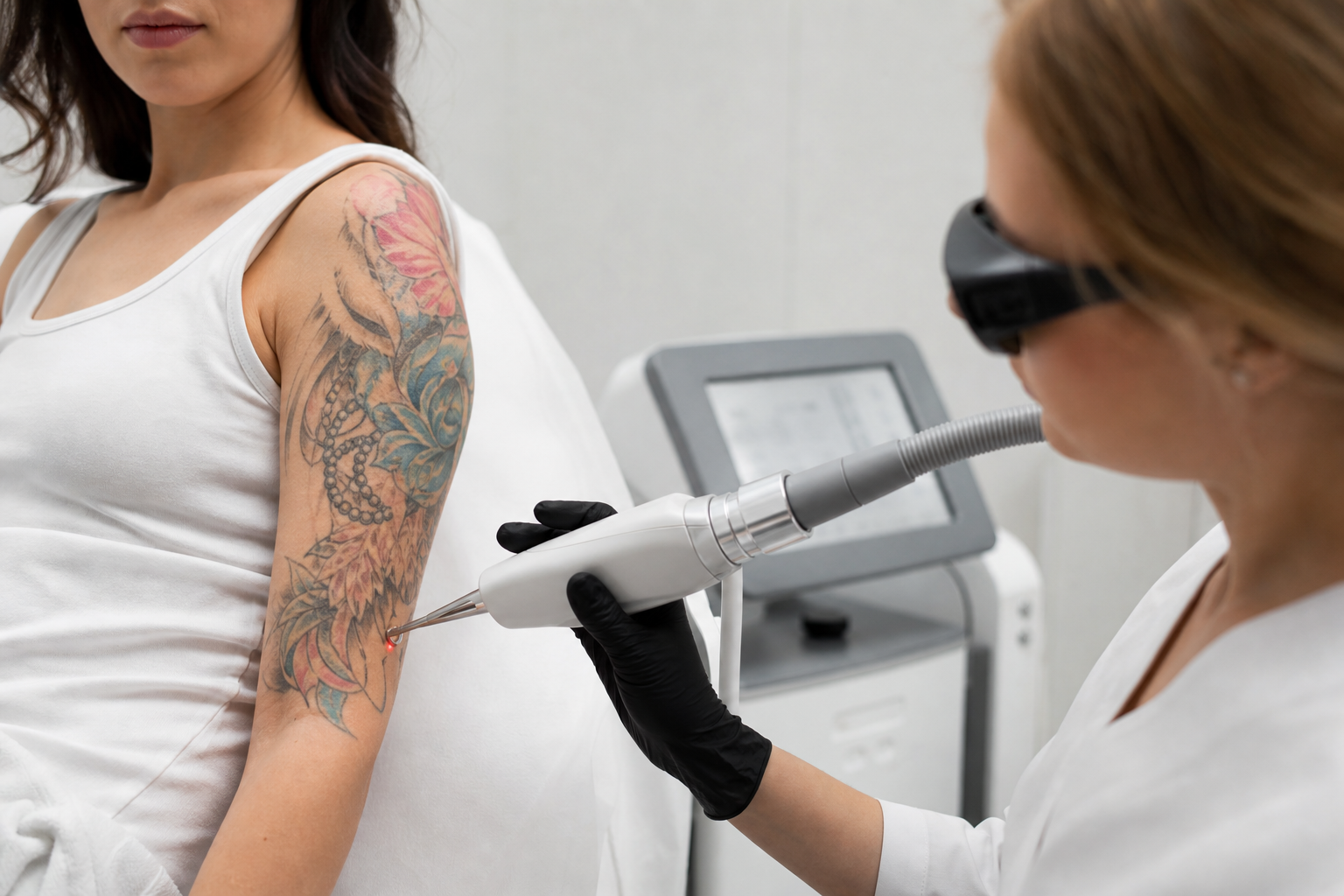
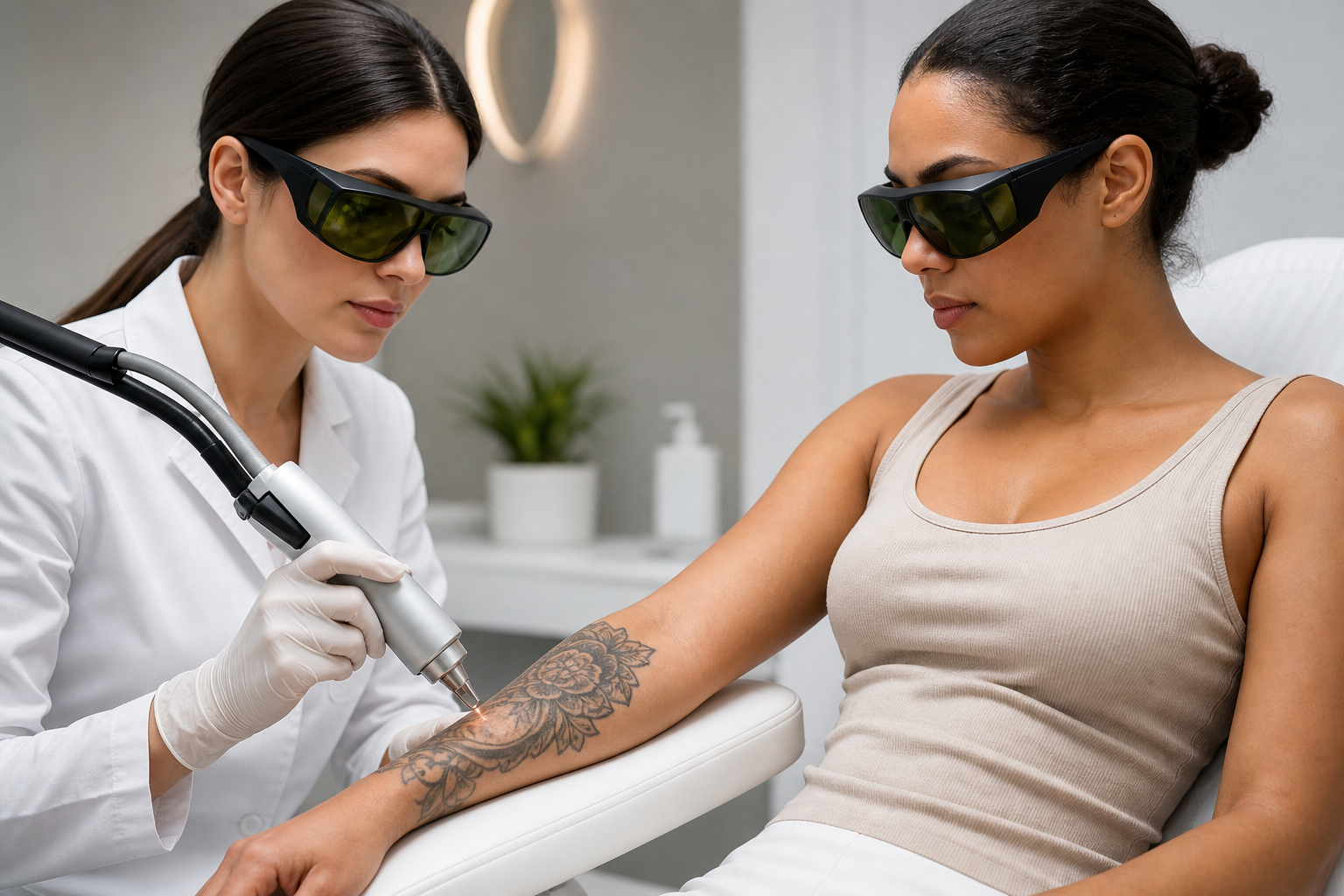
Adjunct physical treatments include low-fluence laser toning with picosecond lasers and gentle non-ablative fractional lasers, both designed to selectively target pigment without substantial epidermal damage. Combining these modalities with topical regimens can improve outcomes when implemented vigilantly. However, the treatment schedule, laser parameters, and post-procedure care require customization to patient skin type and response, highlighting the necessity for expert oversight.
When Is Laser Treatment Appropriate for Melasma in Darker Skin, and What Are the Risks?
Laser therapy for melasma in darker skin is best reserved for refractory cases or where combination therapy fails to yield sufficient improvement. The selection of laser type and settings must hinge on safety profiles delineated through evidence-based practice. Lasers such as picosecond Q-switched Nd:YAG and low-fluence laser toning have exhibited relatively favorable results by minimizing collateral thermal damage and lowering PIH risk.
Even so, all laser interventions entail a balance of potential benefits against risks. Improper laser parameters or post-treatment mismanagement may provoke inflammation leading to hyperpigmentation recurrences. It is critical to maintain adequate intervals between sessions, support skin barrier integrity, and adhere to pre- and post-treatment photoprotection.
Clinical evidence, while progressively growing, still signals caution, with many studies indicating transient improvement and frequent need for maintenance treatments. Reflecting on the topic of the permanence of laser-induced melasma clearance, the current consensus, supported by recent investigations such as those summarized in “Can Laser Permanently Remove Melasma?” and “Picosecond Lasers and Melasma: What Does Current Evidence Show?”, suggests lasers serve more as management adjuncts than definitive cures.
What Are the Known Limitations and Risks of Melasma Treatments in Darker Skin Types?
Despite evolving modalities, the dermatologic community recognizes intrinsic limitations in melasma treatment outcomes, especially among those with pigmented skin. A significant challenge is the lack of robust, large-scale randomized trials focused on darker phototypes, rendering clinical decisions heavily reliant on smaller studies, expert consensus, and extrapolation from lighter skin populations.
One foremost risk is postinflammatory hyperpigmentation, which can occasionally supersede the initial melasma's severity, contributing to the chronicity and complexity of pigmentary disorders. Additionally, treatments may disrupt skin barrier integrity, leading to dryness, irritation, or sensitivity, which further complicate care and patient comfort.
Moreover, the risk of relapse is a persistent reality. Melasma’s chronicity means that cessation of therapy commonly results in pigmentation reappearance unless preventive strategies are rigorously maintained. Therefore, it is neither ethical nor clinically sound to promise cure; rather, emphasis must rest on symptom control and quality of life improvement.
How Does Individual Assessment Enhance Treatment Outcomes in Darker Skin?
A personalized diagnostic process profoundly influences therapeutic success in melasma with darker skin. Dermatologists employ dermoscopy, Wood’s lamp examination, and sometimes histopathology to clarify lesion depth, distribution, and co-existing pigmentary conditions. Evaluating an individual’s hormonal status, sun exposure habits, and skincare regimen informs therapy customization.
This comprehensive assessment enables selection of the safest and most effective agents and procedures tailored to the patient’s unique biology and lifestyle. It also facilitates realistic goal setting, mitigates unnecessary risks, and enhances adherence to preventative protocols, such as photoprotection and topical maintenance therapy.
Why Is Patience and Ongoing Care Critical for Melasma Management?
Melasma’s nature dictates an approach grounded in longitudinal care rather than quick fixes. Visible improvement is often gradual, emerging over months, stressing the importance of patient patience and adherence. Abrupt cessation of treatments frequently precipitates relapse, underscoring the chronic management paradigm.
Routine follow-ups allow adjustments in therapeutic strategy responding to clinical evolution and skin tolerance. Moreover, psychological support addressing the emotional toll of chronic pigmentation disorders plays a valuable role in holistic treatment frameworks. Maintaining motivation through patient education on the condition’s persistent but manageable nature is vital to sustain engagement and promote successful long-term outcomes.
What Role Does Patient Education and Prevention Play in Controlling Melasma?
Empowering patients through education constitutes a fundamental pillar in melasma control, especially for those with darker skin types prone to recalcitrant pigmentary changes. Comprehensive counseling on the importance of daily sun protection, including the use of physical blockers minimizing visible light exposure, is critical. Patients should be guided on avoiding known pigment triggers such as photosensitizing cosmetics and hormonal fluctuations where possible.
Professional guidance should also emphasize the careful selection of skincare products to avoid irritants and inappropriate exfoliants that might incite inflammatory hyperpigmentation. Communication transparency regarding treatment expectations and the chronicity of melasma fosters realistic perspectives and endurance, helping prevent disappointment and discontinuation.
Clinicians and skincare specialists have a responsibility to keep abreast of emerging evidence and to share up-to-date recommendations, helping patients navigate the complexities of melasma management with confidence and clarity.