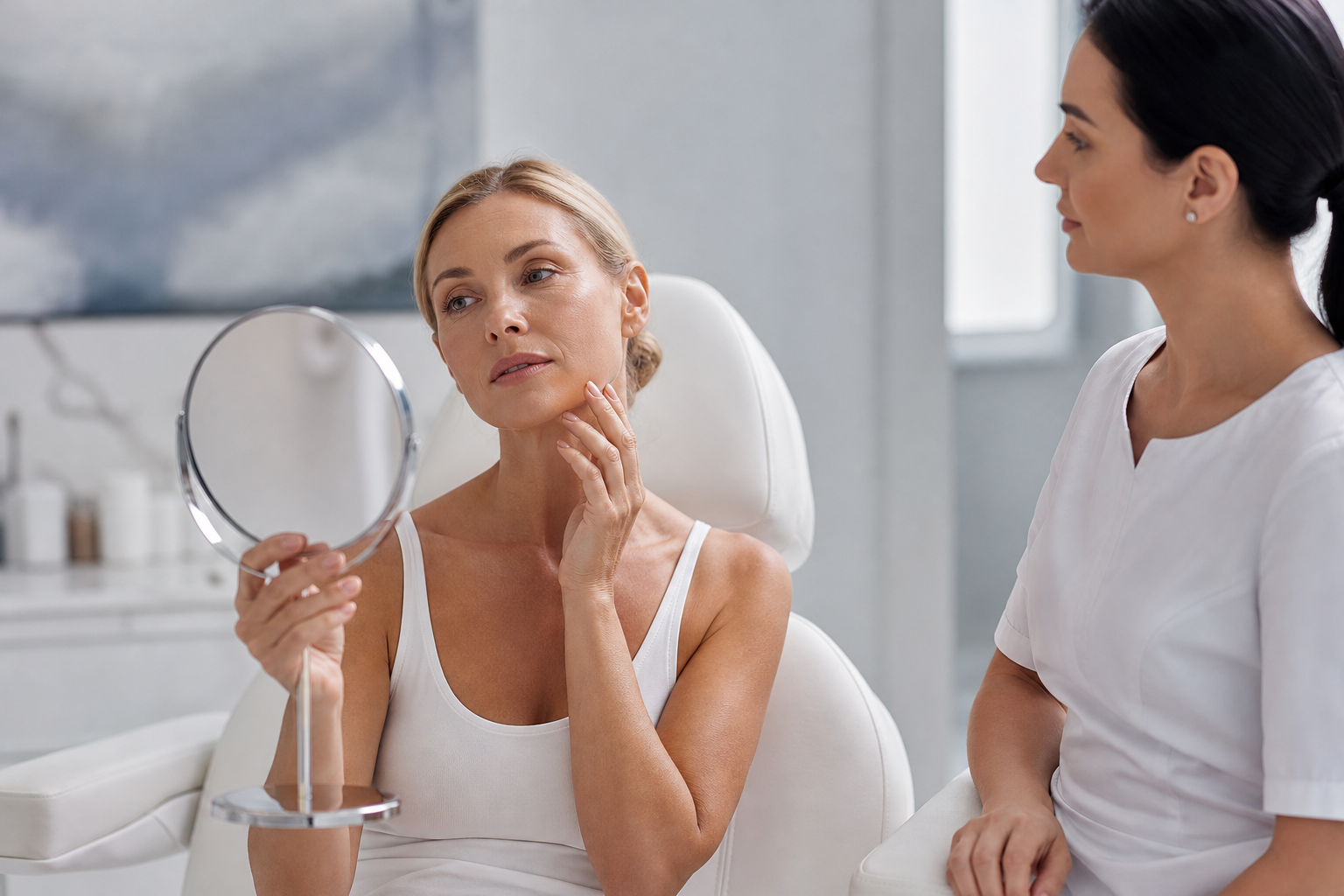
Botox has become synonymous with the rapid and effective smoothing of wrinkles, with an increasing number of individuals turning to this treatment to preserve a youthful appearance and prevent the formation of deep facial lines. However, a common concern among regular Botox users is what happens when they stop receiving these treatments. Does the skin revert immediately as if the Botox had never been applied? Is there a risk that the face will rapidly return to the initial state, or could the condition even worsen? This comprehensive editorial aims to address these concerns precisely, with expert insights and practical explanations regarding how Botox works, what to realistically expect as its effects fade, and the safety aspects involved when discontinuing treatment.
To appreciate the implications of stopping Botox, it is first essential to understand its mechanism of action. Botox is a neurotoxin derived from the bacterium Clostridium botulinum, used in controlled and safe doses to temporarily block nerve signals to muscles. This blockade relaxes the muscles, thereby reducing the facial movements responsible for dynamic wrinkles, particularly on the forehead, around the eyes, and between the eyebrows. However, Botox’s effects are temporary, requiring periodic reapplication approximately every three to six months.
This topic is especially important for individuals currently using Botox or considering starting treatment. Understanding what happens after cessation is not only about appearance but also intertwines with the natural aging processes of skin and muscles, as well as considerations for maintaining safety and health. Throughout this article, we will carefully unravel how Botox influences muscle activity over time, what the fading of effect looks like, and why professional consultation is paramount before making decisions about discontinuing treatment.
The Mechanism Behind Botox and Its Temporary Nature
Botox operates by inhibiting the release of acetylcholine, a neurotransmitter crucial for muscle contraction. When the neural signal to contract is blocked, the targeted facial muscles remain relaxed, alleviating the creasing and folding of skin that cause wrinkles. This effect, while powerful, does not create permanent change—nerve endings begin to regenerate over months, restoring communication with the muscles and gradually returning their capacity to contract.
The duration of Botox's effect can vary widely based on multiple factors: dosage, injection technique, patient age, metabolism rate, and muscle type all play significant roles. Typically, results last between three and six months, with some patients experiencing effects as short as two months or as long as eight. After this period, the muscles regain activity, and dynamic wrinkles slowly reappear.
The temporary aspect of Botox underlines the importance of understanding that it is a repeatable treatment rather than a one-time fix. This temporality is what differentiates Botox from more permanent procedures and why it must be integrated thoughtfully into long-term skin care strategies.
Gradual Return of Muscle Activity and the Reemergence of Wrinkles
As the Botox effect wanes, patients often wonder how their skin and wrinkles will behave. Importantly, Botox does not change the underlying structure of skin or muscle permanently; it modulates function temporarily. Once the neurotoxin wears off, muscles regain their usual tone and movement patterns, gradually reintroducing the facial expressions that create wrinkles.
The return of wrinkles is typically gradual rather than abrupt. Individuals who have longer histories of Botox use may find their muscles initially weaker, potentially resulting in softer reappearance of lines compared to the pre-treatment state. On the other hand, some observe that their wrinkles might appear more pronounced after stopping Botox, which largely reflects natural aging, cumulative sun damage, and loss of skin elasticity rather than any direct adverse effect of quitting Botox.
Crucially, discontinuing Botox does not cause permanent damage or deterioration to the skin or muscles. Since Botox acts on the neuromuscular junction rather than altering skin cells, ceasing treatment simply reinstates normal muscular function without lasting negative consequences. Patients who choose to resume Botox later can expect the treatment to be effective again, with similar temporary outcomes as before.
Factors Influencing the Duration of Botox Effects Among Different Individuals
Why do some people experience shorter-lasting Botox effects than others? The variability in duration can be attributed to several physiological and external factors. Metabolism speed is a primary factor—individuals with faster metabolic rates tend to eliminate Botox more quickly, reducing how long it remains active within the muscles.
Lifestyle factors also weigh heavily. High levels of physical activity, frequent sun exposure, and chronic stress can accelerate toxin metabolism or diminish skin health, thereby shortening the effective window of Botox. Moreover, the immune system may develop neutralizing antibodies in some patients over time, especially if injections are excessively frequent or doses too high, leading to reduced efficacy or resistance.
Technique and product quality play a substantial role as well. Proper injection by a qualified professional ensures precise dosing and placement, maximizing longevity. Conversely, inadequate administration or low-quality preparations may result in premature fading or suboptimal results.
Safety and Health Considerations When Ceasing Botox Treatment
From a safety standpoint, stopping Botox is generally risk-free. The neurotoxin is localized to injected sites and is metabolized by the body without systemic accumulation. Once the effect dissipates, the nerve endings and muscles return to their original function without adverse effects.
Nonetheless, it is advisable not to abruptly discontinue Botox without consulting a certified dermatologist or aesthetic medicine specialist. Professional guidance helps to plan cessation or treatment pauses carefully, minimizing abrupt reactivation of deep wrinkles or undesirable changes in facial appearance.
After prolonged Botox use, skin care routines may need modification. Treatments such as hyaluronic acid fillers, chemical peels, or specialized skincare regimens can support hydration, elasticity, and overall skin health during periods without Botox.
Strategic Planning for Future Botox Treatments After a Break
For those who stop Botox but plan to resume later, several considerations can optimize results. Reassessment by an experienced practitioner is critical to evaluate current muscle and skin condition and determine appropriate dosing and technique adjustments. After a break, initial treatments may seem especially effective, as muscle activity could have partially weakened from previous therapy.
Realistic expectations remain vital: Botox is a temporary aid requiring ongoing maintenance to sustain results. Patients should be prepared for the cyclical nature of the treatment and the natural course of aging alongside it.
Understanding Natural Aging Processes Without Botox and Complementary Care Options
When Botox is discontinued, the natural aging trajectory continues unabated. Collagen and elastin degradation, declining muscle tone, and exposure to environmental factors all contribute to progressively deeper wrinkles. Dynamic wrinkles return as muscle contraction resumes, potentially becoming more noticeable over time.
Fortunately, various supportive measures can mitigate these effects. A diligent skincare regimen focusing on hydration, antioxidants, retinoids, sun protection, and nutritional support can preserve skin integrity. Hyaluronic acid fillers provide volume restoration, complementing muscle relaxation effects previously achieved by Botox. Holistic approaches to skin health are instrumental in maintaining youthful appearance even without repeat toxin injections.
The Importance of Consultation with Qualified Professionals When Considering Botox Discontinuation
Whether initiating Botox or deciding to stop, consultation with licensed dermatologists or aesthetic medicine experts is essential. Personalized evaluation provides clarity about treatment options and implications for skin and muscle health. Furthermore, such professional advice helps prevent misuse, overtreatment, or neglect of vital skincare practices during transition phases.
Informed, strategic decision-making based on expert insights promotes safer, more satisfying outcomes, underscoring the value of collaborative patient-provider relationships.
Long-Term Adaptations in Botox Treatment Frequency Among Repeat Users
One intriguing aspect of prolonged Botox use is how treatment intervals often evolve. Many patients find that the gap between sessions can be extended over time because muscle activity diminishes through repeated relaxation, a phenomenon termed muscle atrophy. This results in fewer and less pronounced wrinkles even as Botox wears off.
Such adaptations reflect beneficial long-term effects and allow for individualized treatment plans that balance efficacy with convenience. Conversely, some patients may require or prefer more frequent interventions to maintain maximum smoothness, emphasizing the need for continuous dialogue and adjustment with medical professionals.
Expected Skin and Muscle Condition on Extended Discontinuation of Botox
For patients who decide to permanently stop Botox, understanding the long-term outlook is important. Over months and years without treatment, the skin will continue to age naturally: loss of elasticity, volume depletion, and wrinkle formation will progress according to intrinsic and extrinsic factors.
The facial muscles will regain full function and strength, restoring habitual expressions that contribute to wrinkle development. Prior Botox use may have caused some temporary reductions in muscle mass or tone, but these changes are reversible and do not cause lasting harm.
Overall, the skin’s appearance after extended cessation reflects the complex interplay of genetics, lifestyle, and skincare practices. Stopping Botox is not a cause for alarm but an opportunity to embrace alternative skin health strategies that support natural beauty throughout life’s stages.


