RF lifting, also known as radiofrequency skin tightening, has surged in popularity as a sophisticated non-invasive method for facial and body rejuvenation. By harnessing radiofrequency energy to stimulate collagen and elastin production deep within the skin, this treatment offers a promising alternative to surgical facelifts, appealing especially to individuals seeking skin tightening without incisions or prolonged downtime. However, as interest in RF lifting grows, so does the challenge of accurately interpreting "before and after" photos that promise remarkable transformations.
For prospective patients and practitioners alike, understanding how to evaluate these images critically is fundamental. These photos often serve as a pivotal decision-making tool, influencing expectations and choices around undergoing RF treatments. Yet, without a clear framework to discern the nuances behind each image—such as lighting conditions, treatment type, and timeline—there is a risk of misunderstanding or unrealistic anticipation.
This article aims to guide readers through a comprehensive analysis of RF lifting before and after photos. It explains what RF lifting entails, identifies who can benefit most from it, delves into how various radiofrequency technologies differ, and outlines practical criteria for assessing visual results. Ultimately, gaining fluency in this area empowers individuals to make informed decisions about RF lifting and appreciate the realistic outcomes this advanced skin tightening modality can offer.
What Is RF Lifting and Who Is It For?
Radiofrequency (RF) lifting is a cosmetic procedure that utilizes controlled radiofrequency energy to heat targeted layers in the skin, stimulating fibroblasts to produce new collagen and elastin fibers. The result is a gradual improvement in skin firmness, elasticity, and texture. Crucially, RF lifting is non-invasive, meaning it does not involve surgical cuts, stitches, or significant recovery periods.
This treatment is particularly beneficial for adults experiencing mild to moderate signs of aging such as fine lines, sagging skin around the jawline or neck, early wrinkles, and enlarged pores. It suits those who want to refresh their complexion and postpone more invasive interventions. Moreover, RF lifting can be applied to various body areas, including face, neck, décolletage, and arms, broadening its appeal.
Typically, RF lifting candidates are individuals looking for subtle yet natural enhancements without dramatic changes. They appreciate treatments with minimal discomfort and downtime, making the procedure compatible with busy lifestyles. It can also complement other cosmetic approaches, enhancing overall skin quality.
Understanding the Different RF Technologies Used in Skin Tightening
While the umbrella term "RF lifting" encompasses many approaches, several primary RF modalities exist, each with unique mechanisms and depth of action. Understanding these distinctions is vital when evaluating before and after photos, as results vary accordingly.
Non-Invasive RF Lifting: This method employs external applicators placed directly on the skin's surface. The radiofrequency waves penetrate the dermis without disrupting the epidermis, delivering heat that triggers collagen remodeling. It is generally painless and requires no anesthesia. Visible improvements typically emerge after several treatment sessions over weeks or months.
Fractional RF Without Needles: This technique delivers RF energy via a matrix of electrodes on the skin's surface, producing controlled microthermal zones that initiate skin renewal. By creating microscopic injuries, it accelerates collagen production and skin tightening with minimal downtime compared to ablative treatments.
RF Microneedling (Minimally Invasive RF): This advanced modality combines microneedling with radiofrequency. Fine needles penetrate the skin while emitting RF energy into deeper layers, maximizing collagen stimulation and skin remodeling. It offers more substantial tightening and texture improvement, often requiring local anesthesia and a short recovery period.
Each modality’s suitability depends on individual skin condition, desired outcome, and tolerance for downtime. These differences directly impact what results one might see in before and after photos.
When to Expect Noticeable RF Lifting Results and How Long They Last
RF lifting does not produce instant or dramatic results like surgical facelifts. Instead, its benefits gradually unfold as new collagen and elastin form over time. Generally, initial improvements such as skin plumpness and mild tightening may appear within days to weeks as treated tissues respond to thermal stimulation.
More significant and durable effects usually manifest between one and three months post-treatment, with optimal outcomes often seen after a series of sessions tailored to the individual's skin condition. Maintenance sessions may be necessary every six to twelve months to sustain results as natural aging progresses.
Longevity of results depends on several factors including the patient's age, skin type, lifestyle habits (such as sun exposure and smoking), and the specific RF technique used. Importantly, patients should maintain realistic expectations, understanding that RF lifting improves skin quality but does not stop or reverse aging entirely.
How to Critically Evaluate RF Lifting Before and After Photos
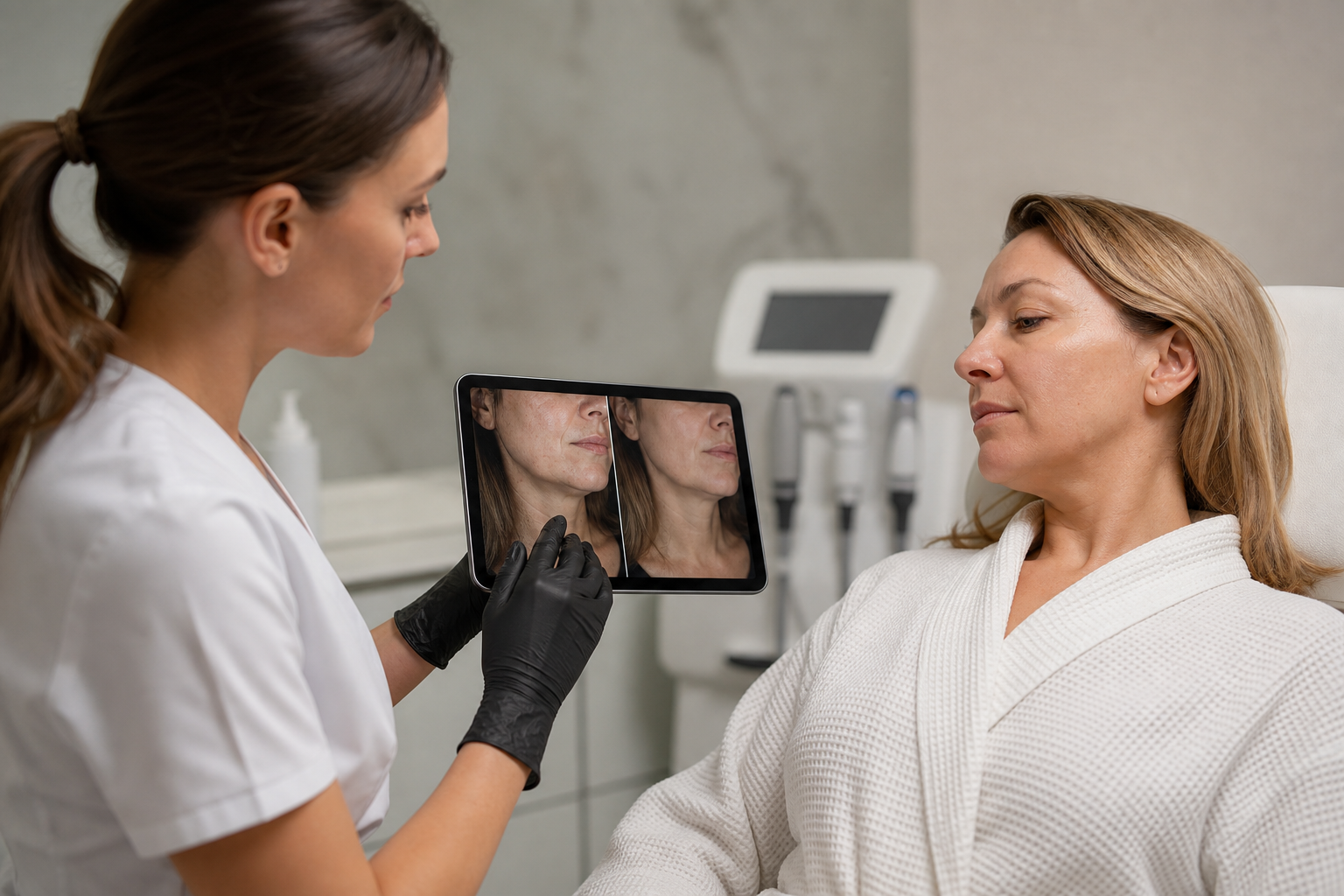
With the wide availability of before and after photos in marketing materials and online forums, discerning genuine results from misleading images is crucial. Consider the following criteria when examining these photos:
Consistency in Photography Conditions: Effective comparison requires the images to be taken under similar lighting, angles, expressions, and camera settings. Different lighting or makeup can exaggerate or mask results.
Timing of the Photos: The “after” photos should be captured at an appropriate interval post-treatment—typically a few weeks to months. Immediate post-procedure photos may show swelling or redness rather than true results.
Understanding Treatment Details: Knowing which RF modality was used, the number of sessions, and any complementary treatments helps contextualize the outcomes. Photos of procedures with microneedling RF will often show more pronounced changes than surface RF alone.
Subtlety vs. Overstatement: High-quality RF lifting usually yields natural-looking improvements. Dramatic transformation claims should be approached with skepticism as they might involve photo manipulation, other treatments, or surgical interventions.
Patient Factors: Individual skin conditions—like the degree of laxity, pigmentation, or scarring—affect results. Photographs often represent ideal candidates and may not reflect typical outcomes.
Common Pitfalls in Interpreting RF Lifting Photographs
Many factors can distort the perception of RF lifting efficacy through imagery:
Lighting and Shadow Manipulation: Shadows can create an illusion of enhanced definition or depth, making skin appear tighter.
Use of Makeup and Skin Products: Cosmetics or skin treatments applied after RF lifting sessions can temporarily smooth the skin or conceal imperfections.
Posing and Facial Expression: Slight changes in posture, smile, or head tilt can alter the perceived firmness of the jawline and cheeks.
Time Interval Variability: Images taken immediately after treatment may highlight temporary effects such as redness or swelling, whereas delayed photos show collagen-driven improvements.
Digital Enhancement: Post-processing edits such as airbrushing or photo filters can unfairly enhance or exaggerate results.
What Patients Should Expect During and After RF Lifting Treatments
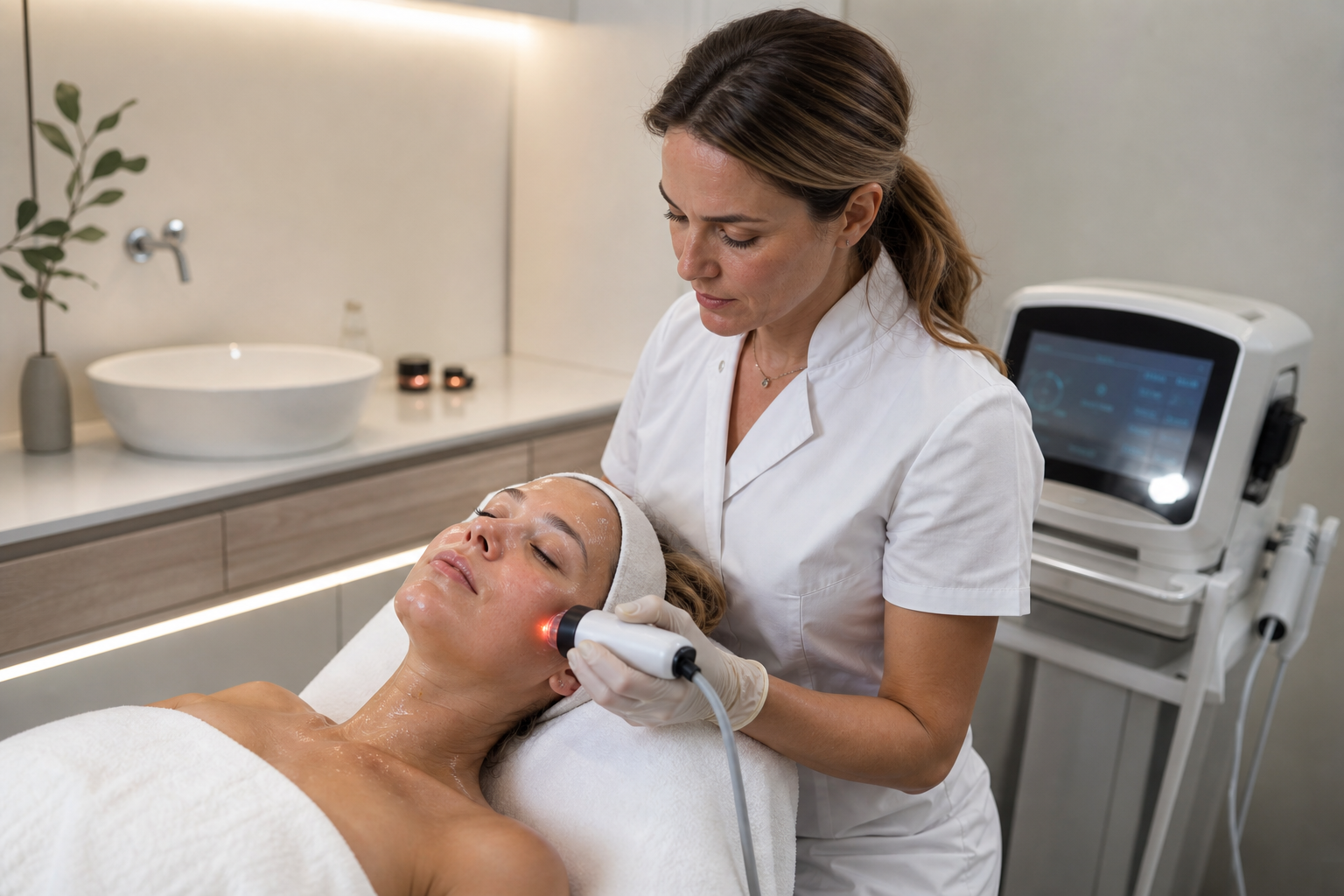
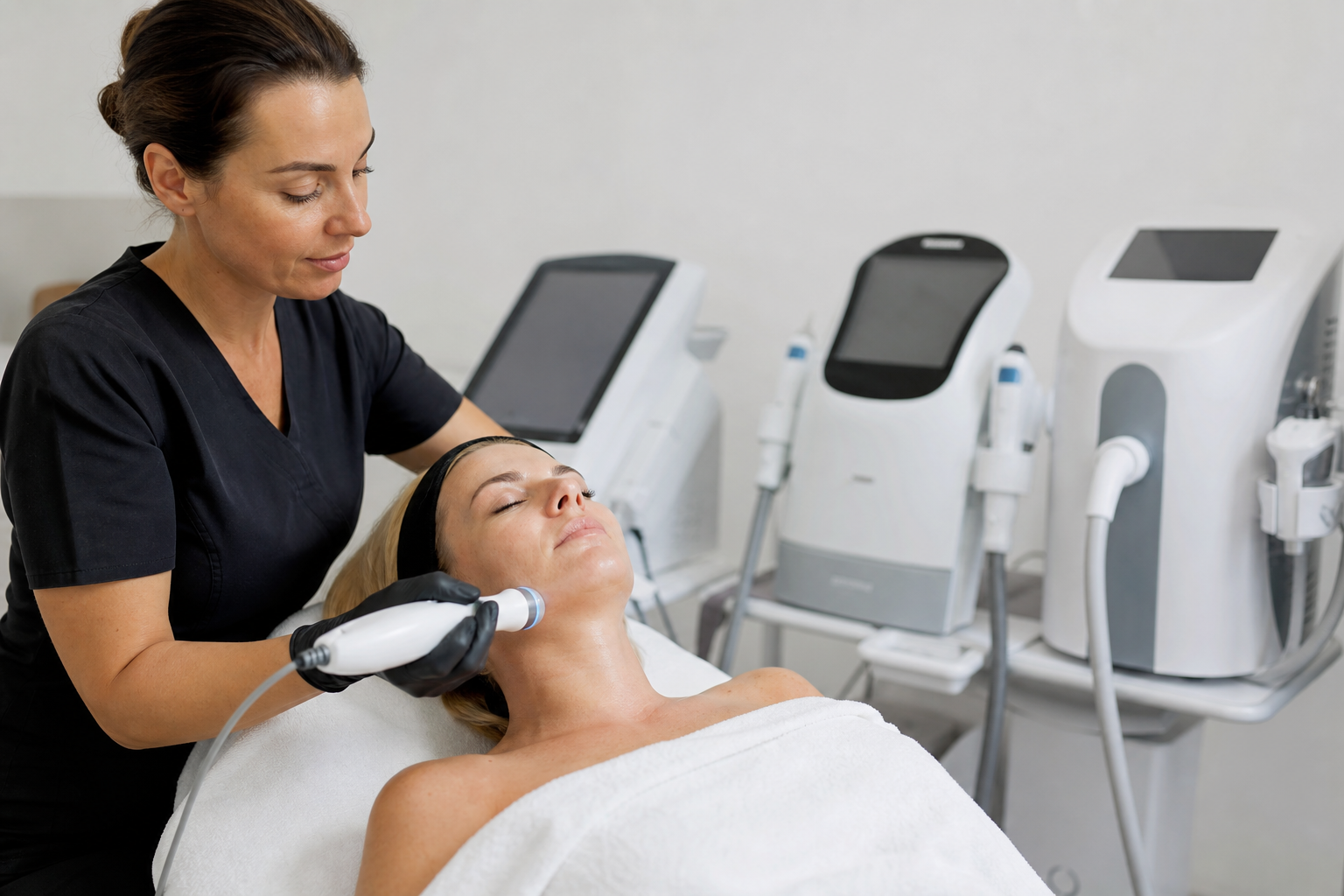
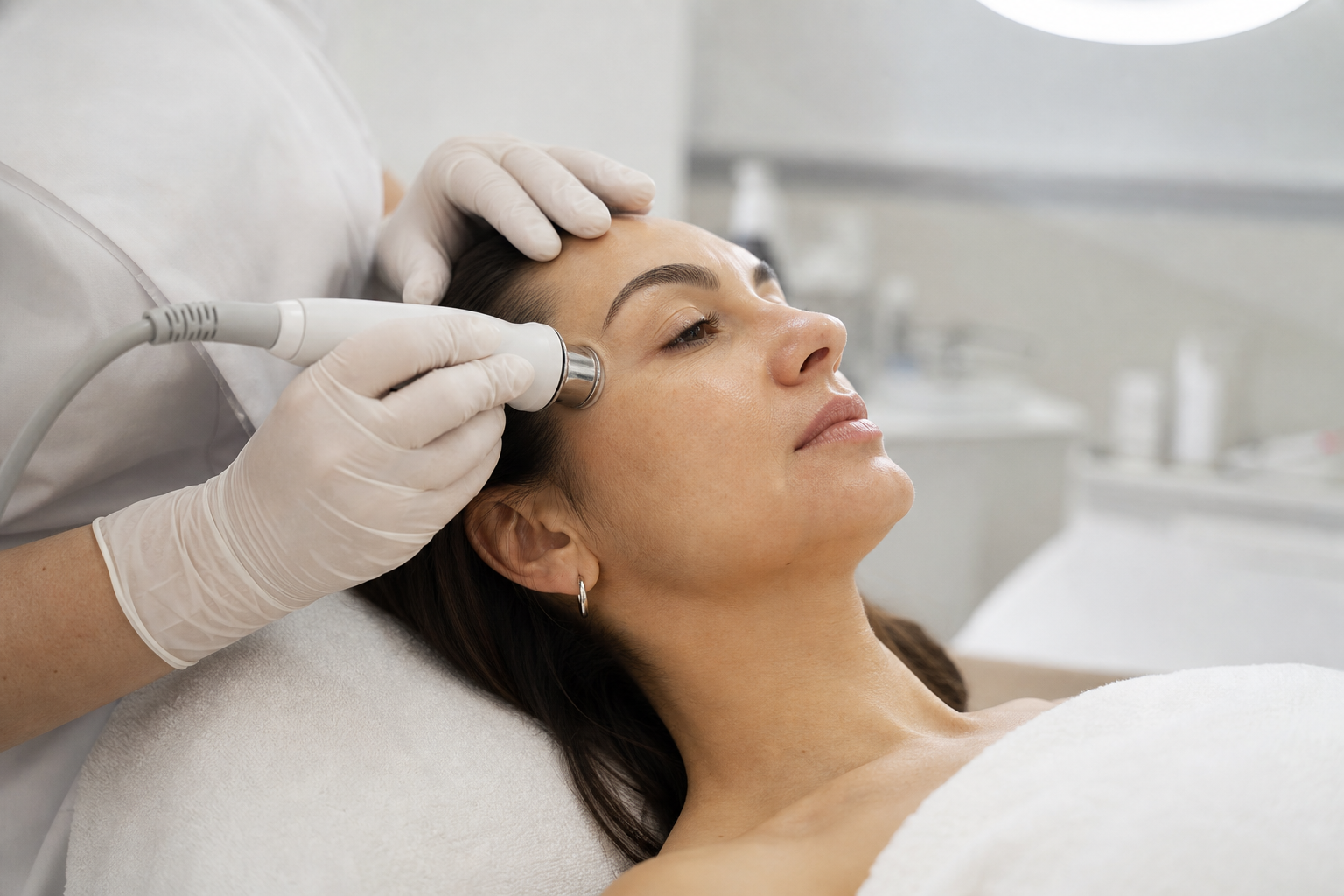
The RF lifting procedure itself usually involves placing a handheld device onto cleaned skin areas, with radiofrequency energy delivered in regulated pulses. Treatments last from 20 minutes to an hour depending on the area addressed.
Patients commonly experience warmth or slight tingling sensations but generally report minimal discomfort. No anesthesia or downtime is generally needed, allowing immediate return to daily activities.
Typically, patients undergo a series of sessions spaced weeks apart to maximize collagen induction. Aftercare focuses on protecting the skin from sun damage and hydrating adequately to support healing and prolong results.
Cosmetic improvements tend to be subtle after the initial treatment, progressively becoming more noticeable over the ensuing weeks. The skin texture may appear smoother, pores less prominent, and contour firmer. It is essential to maintain realistic expectations and recognize that RF lifting complements rather than replaces surgical rejuvenation.
Cost Considerations and Value Assessment of RF Facial Lifting
The price of RF facial lifting varies widely depending on the provider, technology, treatment area size, and number of sessions. On average, patients might expect to invest a few hundred to over a thousand dollars per treatment session.
Evaluating the cost should involve considering the quality and reputation of the clinic, the credentials of practitioners, and customized treatment planning rather than choosing exclusively on price.
Since RF lifting results accumulate over time and require maintenance, budgeting for several sessions and periodic touch-ups is prudent. When balanced against surgical alternatives, RF lifting offers an attractive value proposition for individuals prioritizing convenience, minimal invasiveness, and natural rejuvenation.