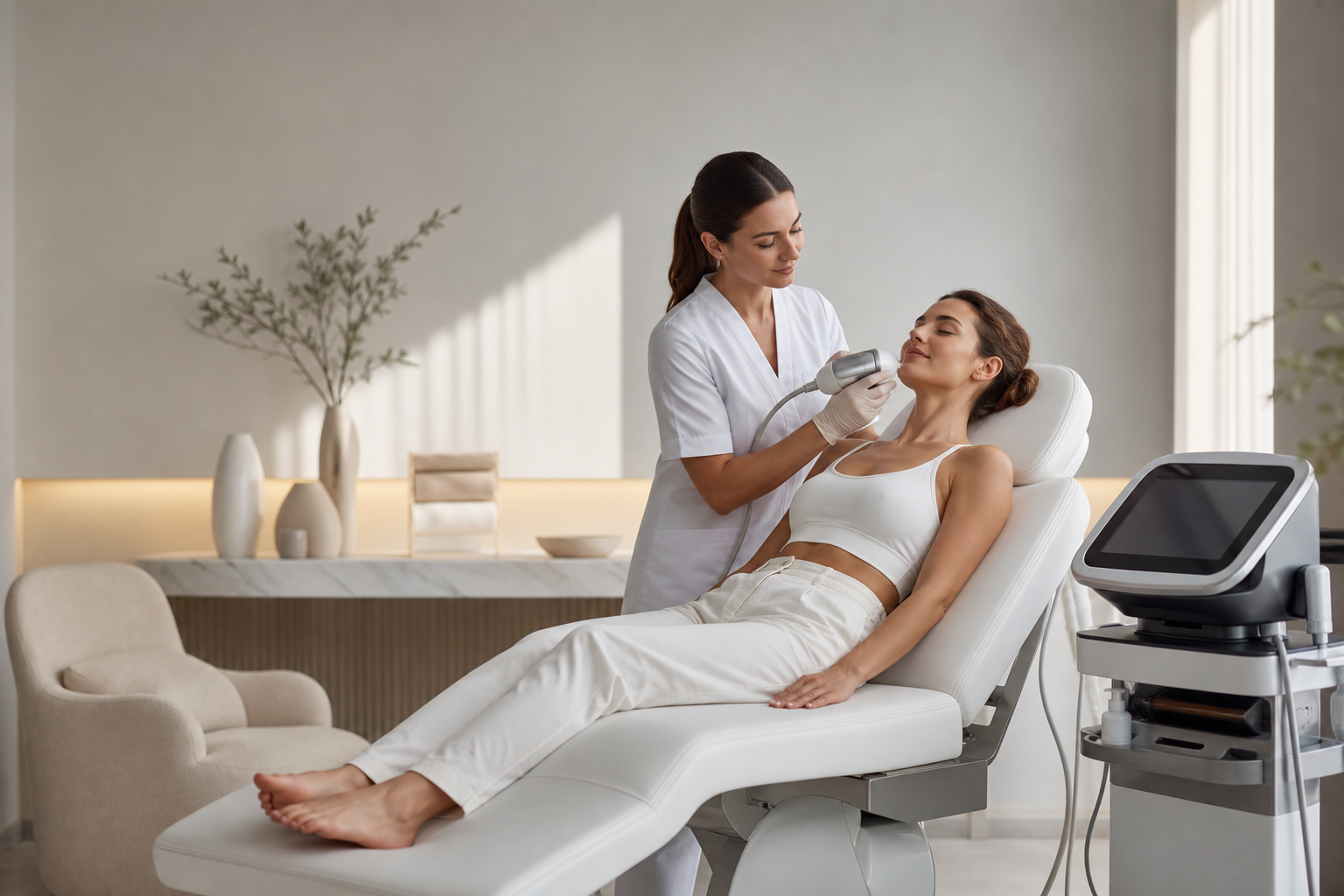
In the quest for youthful, firm skin, many individuals seek solutions beyond the traditional scalpel-based methods. The question "Is it possible to tighten skin without surgery?" resonates strongly in a world where non-invasive and minimally invasive procedures are gaining traction. This topic is especially pertinent for those who desire skin rejuvenation without the downtime, risks, and costs associated with surgical interventions. Whether you're considering options for sagging skin around the face, neck, or body, understanding the possibilities and limitations of non-surgical skin tightening is crucial.
Skin laxity can stem from a variety of factors including aging, weight fluctuations, sun exposure, and genetics. As collagen and elastin production decline over time, the skin gradually loses its firmness and elasticity. Traditionally, surgery such as facelifts or body lifts have been the definitive approaches to restore tautness. However, these come with inherent risks, significant recovery periods, and are not suitable for everyone.
This comprehensive exploration will delve into modern, non-surgical skin tightening treatments designed to stimulate natural collagen production and visibly lift and firm the skin. From cutting-edge laser therapies to radiofrequency and ultrasound technologies, you will discover the science behind these procedures, who stands to benefit most, and what realistic outcomes you can expect. Understanding these options empowers you to make informed decisions tailored to your aesthetic goals and lifestyle.
What Does Non-Surgical Skin Tightening Entail?
Non-surgical skin tightening refers to a variety of treatments that do not involve incisions or the physical removal of skin. Instead, these procedures use energy-based devices to stimulate the skin's deeper layers, promoting collagen remodeling and elastin synthesis. The end result is a gradual tightening effect that improves skin texture, firmness, and elasticity.
These treatments target the dermis, the layer beneath the surface epidermis, where collagen fibers play a pivotal role in structural support. Age and environmental factors reduce collagen, leading to sagging and wrinkles. By delivering controlled thermal or mechanical energy to the dermis, non-surgical devices encourage the body’s natural healing response, producing new collagen which tightens and lifts the skin over a period of weeks to months.
Importantly, these approaches avoid the scars, anesthesia, and extended recovery of surgery. Most sessions are outpatient with minimal discomfort and a short or nonexistent downtime. While the results are typically more subtle compared to surgical lifts, the safety profile and convenience make non-surgical skin tightening appealing for mild-to-moderate skin laxity.
Who Is an Ideal Candidate for Non-Surgical Skin Tightening?
Understanding candidacy is fundamental to achieving satisfying outcomes. Non-surgical skin tightening is generally most effective for individuals with mild to moderate skin laxity who seek a gradual improvement rather than drastic changes. It is particularly suited for those wary of surgical risks or unable to take significant downtime.
Ideal candidates often present with early signs of aging such as mild jowling, loose skin under the chin, or some laxity on the neck and face. These treatments can also benefit those with some elasticity loss on the arms, abdomen, or thighs. However, individuals with severe sagging, substantial excess skin due to significant weight loss, or advanced aging might still require surgical interventions for truly transformative results.
Skin type also plays a role. Most modern technologies are safe for a range of skin tones, but providers should assess individual characteristics to avoid complications such as pigmentation changes. Patients should have realistic expectations, recognizing non-surgical treatments aim to enhance rather than reinvent.
What Are the Most Effective Non-Surgical Skin Tightening Technologies?
Several state-of-the-art technologies have demonstrated efficacy in skin tightening by employing different mechanisms to stimulate collagen regeneration and promote dermal contraction.
Laser Skin Tightening employs focused light energy to penetrate the skin layers. Fractional and non-ablative lasers create controlled micro-injuries that trigger repair processes without damaging the surface. This approach can target pigmentation, fine lines, and skin texture alongside tightening, making it a versatile option within aesthetic treatments.
Radiofrequency (RF) Therapy uses electrical currents to heat the dermis and subcutaneous tissue. This heat causes collagen fibers to contract immediately and accelerates long-term collagen synthesis. RF treatments, such as monopolar and bipolar configurations, are commonly utilized on the face and body, often combined with suction or microneedling to enhance results.
Ultrasound-Based Treatments, notably high-intensity focused ultrasound (HIFU), deliver precise thermal energy to deeper layers including the superficial musculoaponeurotic system (SMAS), which surgeons typically address during facelifts. By heating this structure, ultrasound stimulates significant collagen generation and tissue remodeling, resulting in notable tightening effects without incisions.
Other adjunctive technologies include infrared light and microcurrent devices that may also support skin rejuvenation. The choice of modality depends on patient-specific factors, target areas, and desired outcomes.
How Do These Treatments Work to Tighten Skin?
The core principle behind non-surgical skin tightening is controlled thermal injury. By carefully raising the temperature of the dermal layers to a therapeutic range, these treatments stimulate fibroblast activation—the cells responsible for collagen and elastin production. As new collagen forms, it restructures the dermal matrix, causing skin to thicken and tighten.
For example, lasers convert light into heat, targeting water in the tissue and inducing a wound-healing response. Radiofrequency waves cause oscillation of charged particles in the tissue, generating heat deep beneath the skin surface. Ultrasound focuses sound waves at specific depths, sparing surrounding tissues but creating a focused thermal effect that mimics surgical lift techniques.
Aside from collagen remodeling, some treatments also enhance vascularization and skin hydration, further improving the skin’s quality and resilience. The gradual nature of these changes ensures a natural appearance that evolves over weeks to months after the procedure.
When Should One Consider Non-Surgical Skin Tightening Over Surgery?
Deciding between surgical and non-surgical options depends on multiple factors including the severity of skin laxity, patient preference, health status, and willingness to accept downtime or risks.
Non-surgical skin tightening is generally favored when:
- The patient has mild to moderate skin looseness seeking modest improvement.
- There is a desire to avoid general anesthesia or surgical scars.
- Quick recovery is important due to lifestyle or professional commitments.
- The patient is hesitant about invasive procedures but interested in aesthetic enhancement.
Conversely, surgery is more appropriate for pronounced sagging or when dramatic rejuvenation is required. Some patients may also combine both approaches, using non-surgical treatments to maintain or refine surgical results.
What Can Patients Expect During and After Non-Surgical Treatments?
Most non-surgical skin tightening procedures take between 30 minutes to an hour per session and are performed in clinical outpatient settings. The treatments are typically well-tolerated, with mild sensations of warmth, tingling, or slight discomfort. Some devices incorporate cooling mechanisms to enhance comfort.
Post-procedure effects are minimal, often including mild redness or swelling that resolves within hours to days. Patients can usually resume normal activities immediately or the next day, making these options convenient for busy individuals.
Importantly, visible improvements develop gradually over weeks as new collagen forms and the skin firms. Multiple sessions might be recommended to achieve optimal results, with periodic maintenance treatments to prolong benefits.
How Do Non-Surgical Skin Tightening Results Compare to Surgical Alternatives?
While non-surgical methods offer significant advantages in terms of safety and convenience, it is essential to recognize their limitations. The results are generally milder and develop progressively, in contrast to the immediate and more profound lifting achieved through surgical facelifts or body contouring procedures.
Non-surgical treatments excel in enhancing skin texture, mild sagging, and early aging signs but are less capable of removing excess skin or repositioning deep facial structures. Patient satisfaction is high when expectations align with the achievable outcomes.
Moreover, these treatments can be repeated periodically without the risks associated with multiple surgeries, offering an appealing alternative for ongoing skin maintenance.
Are There Any Risks or Side Effects Associated With Non-Surgical Skin Tightening?
Although non-surgical skin tightening is generally safe, certain risks and side effects should be acknowledged. Common temporary effects include redness, swelling, mild bruising, or a sensation of heat in the treated area. These typically resolve quickly.
Rare but possible complications include burns from excessive heat, scarring, changes in pigmentation, or nerve irritation. These risks are minimized when treatments are performed by experienced, trained professionals following established safety protocols.
Patients should disclose all medical history, skin conditions, and medications to their provider to reduce the risk of adverse effects and ensure appropriate treatment choices.
How to Choose the Right Provider and Treatment for Skin Tightening?
Selecting a qualified and experienced provider is paramount to achieving safe and effective skin tightening results. Reputable aesthetic clinics offer a range of laser procedures and other advanced treatments, customized to patient needs and anatomies.
Consider the following when choosing a provider:
- Verify credentials and training in laser and energy-based therapies.
- Review before-and-after photos of patients with similar concerns.
- Seek transparent consultation discussing goals, options, expected outcomes, and costs.
- Ensure the facility uses FDA-cleared devices and adheres to strict hygiene and safety standards.
Personalized treatment plans often combine modalities or integrate skin care regimens for best results.
Long-Term Maintenance: Can Non-Surgical Skin Tightening Effects Be Sustained?
Collagen remodeling induced by non-surgical treatments provides lasting improvements lasting several months to years depending on the procedure and individual’s skin biology. Nonetheless, aging continues, so maintenance sessions every 6 to 12 months may be advisable to preserve and reinforce firm skin.
Combining treatments with a healthy lifestyle, diligent sun protection, and topical skincare can optimize and prolong results. Staying hydrated, avoiding smoking, and maintaining a balanced diet rich in antioxidants contribute positively to skin health.
Non-surgical skin tightening thus can be integrated into a holistic anti-aging strategy for progressive rejuvenation.


