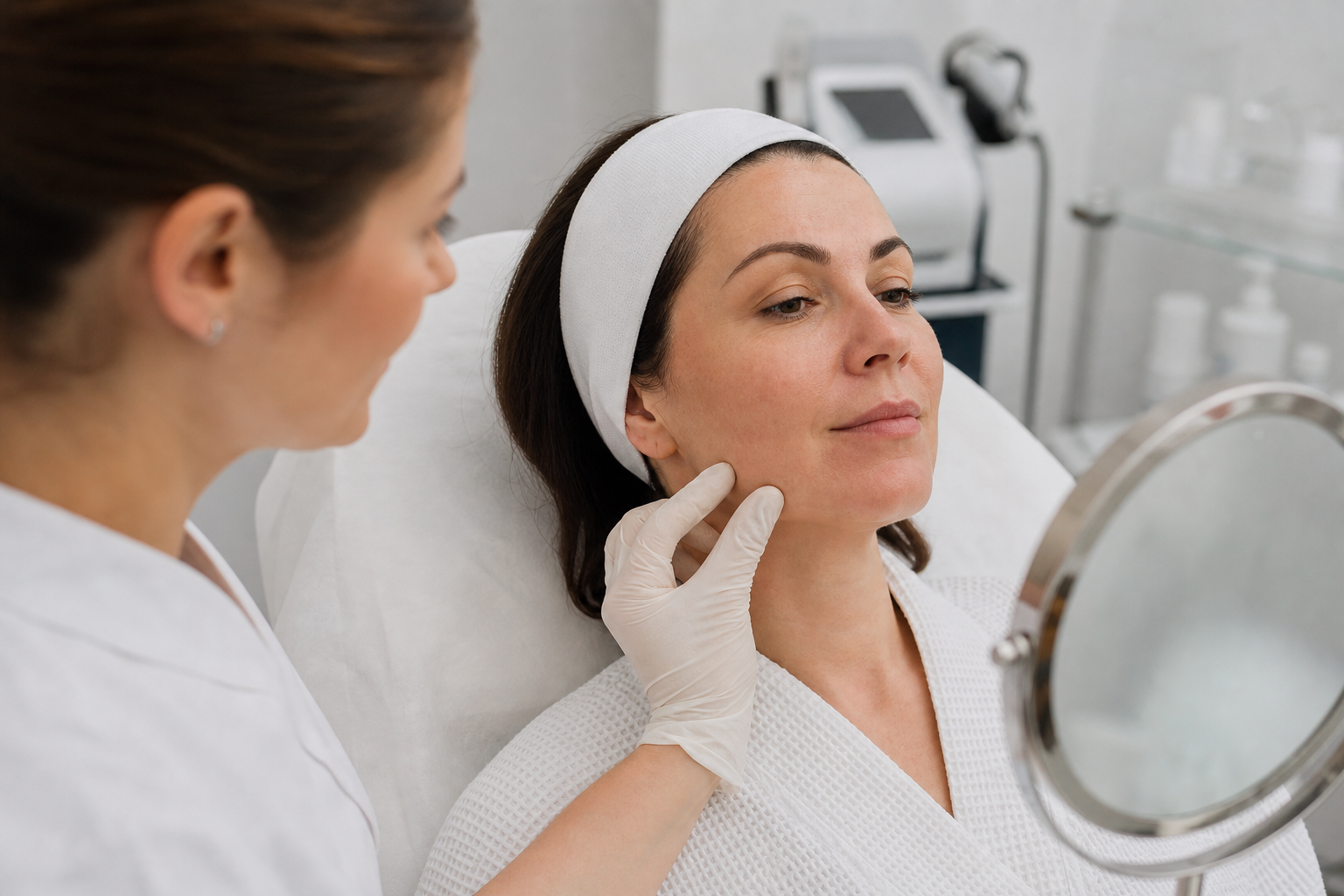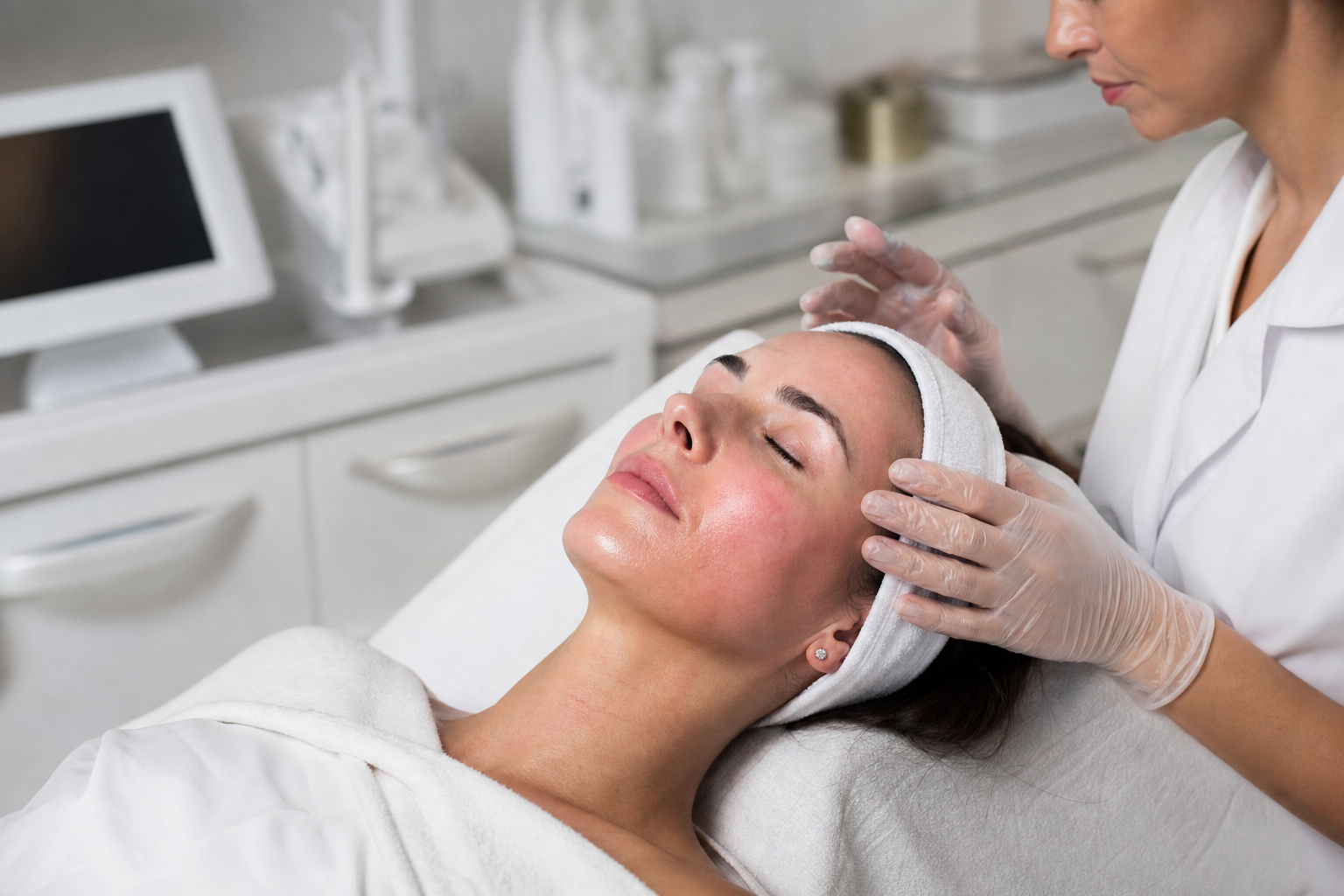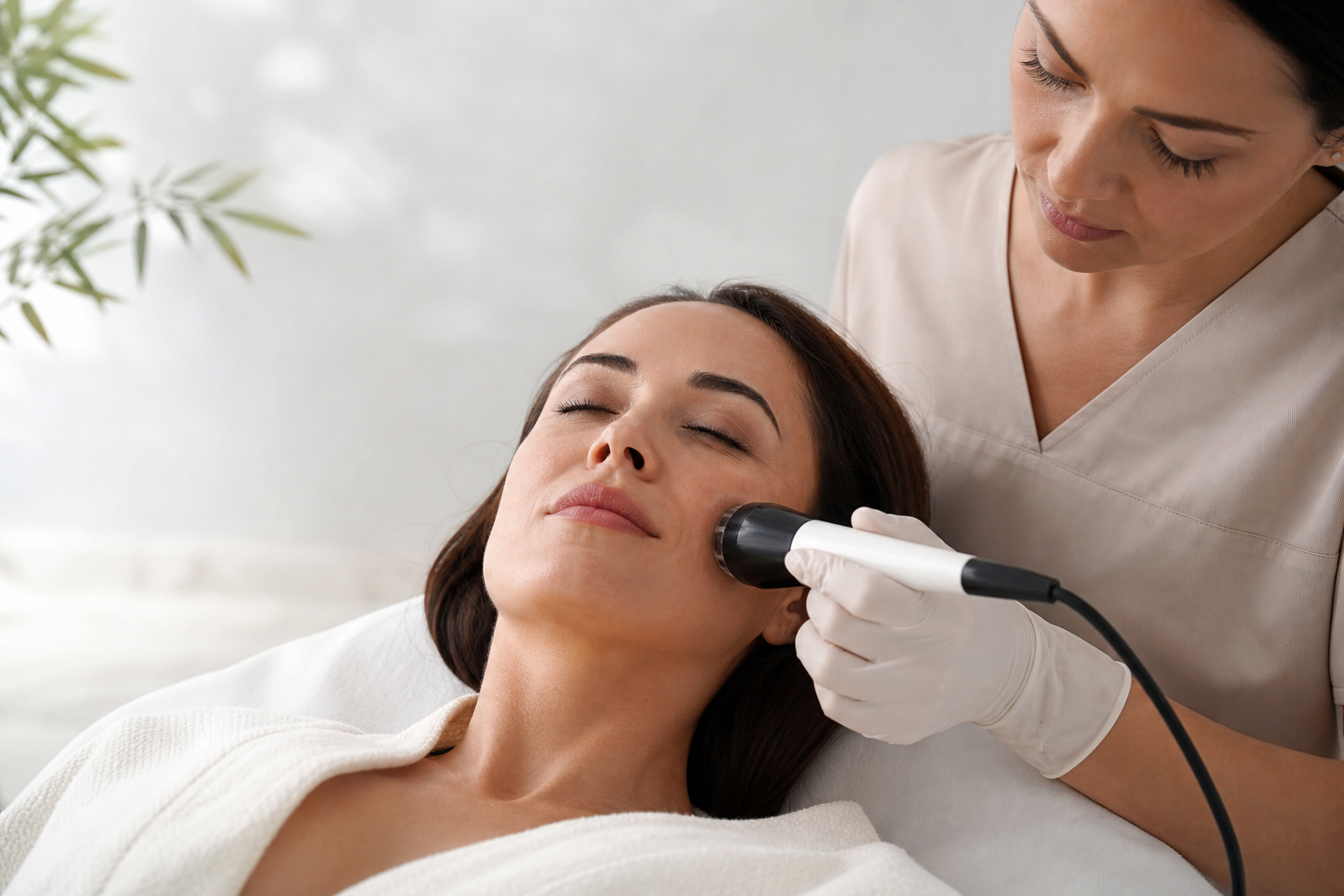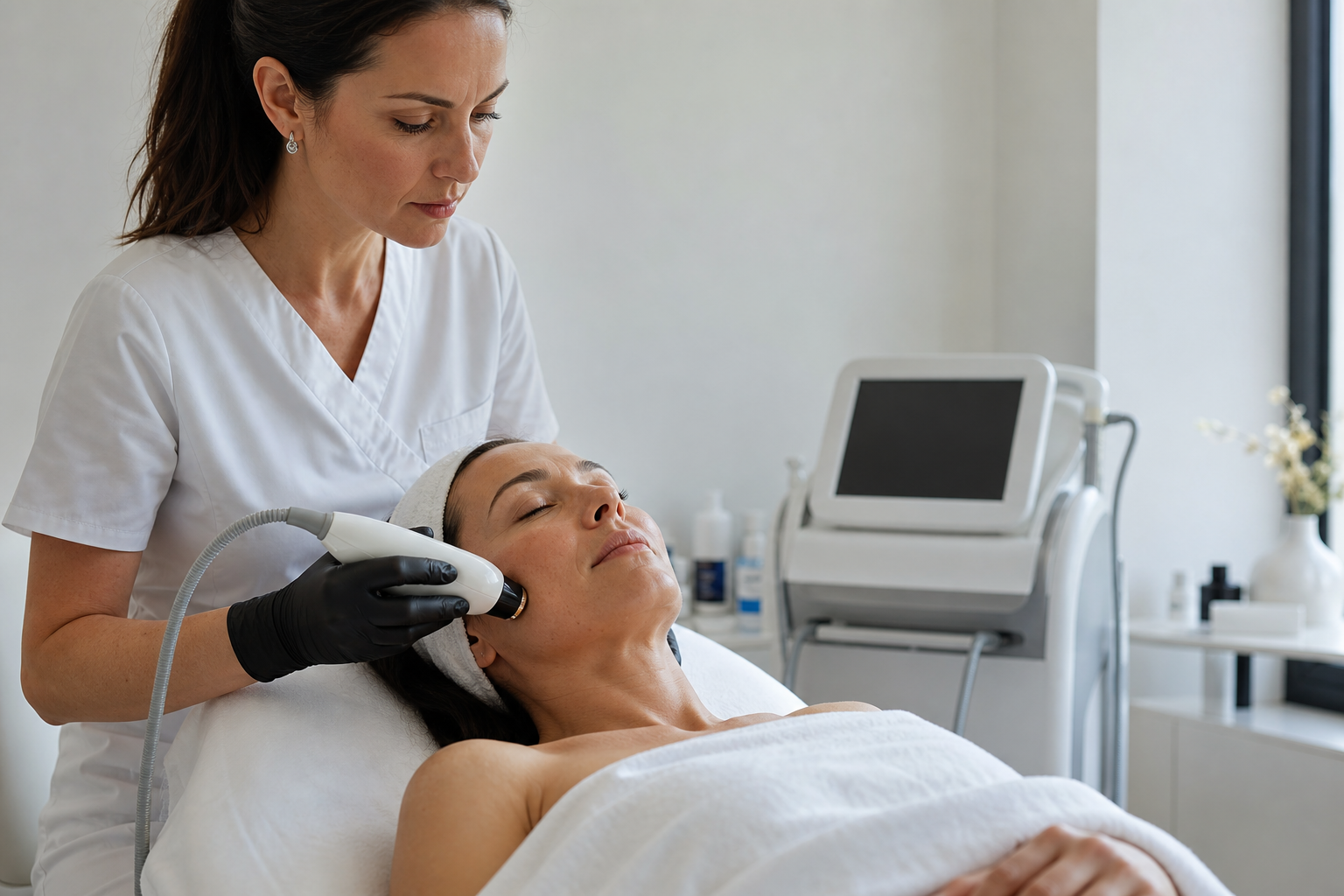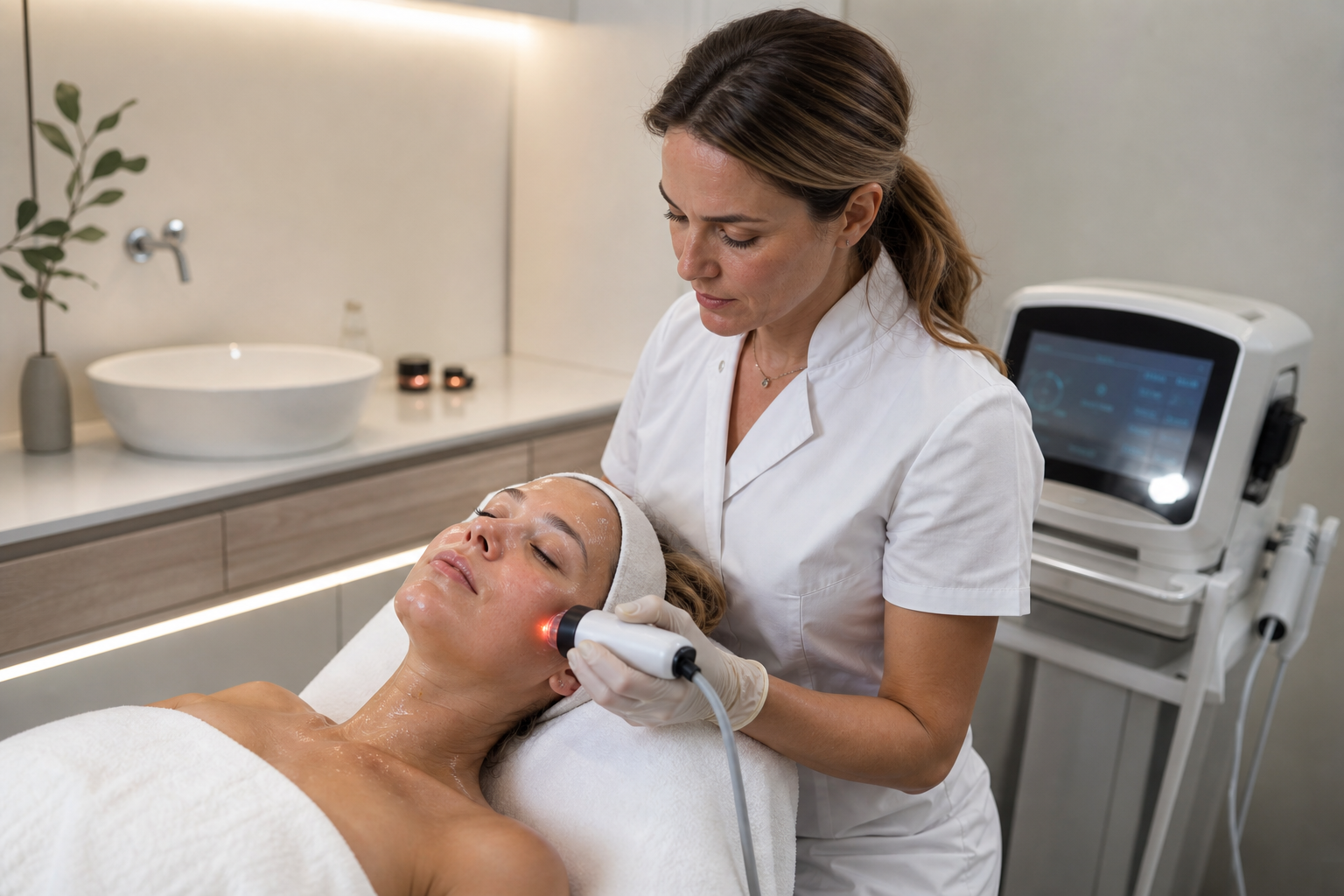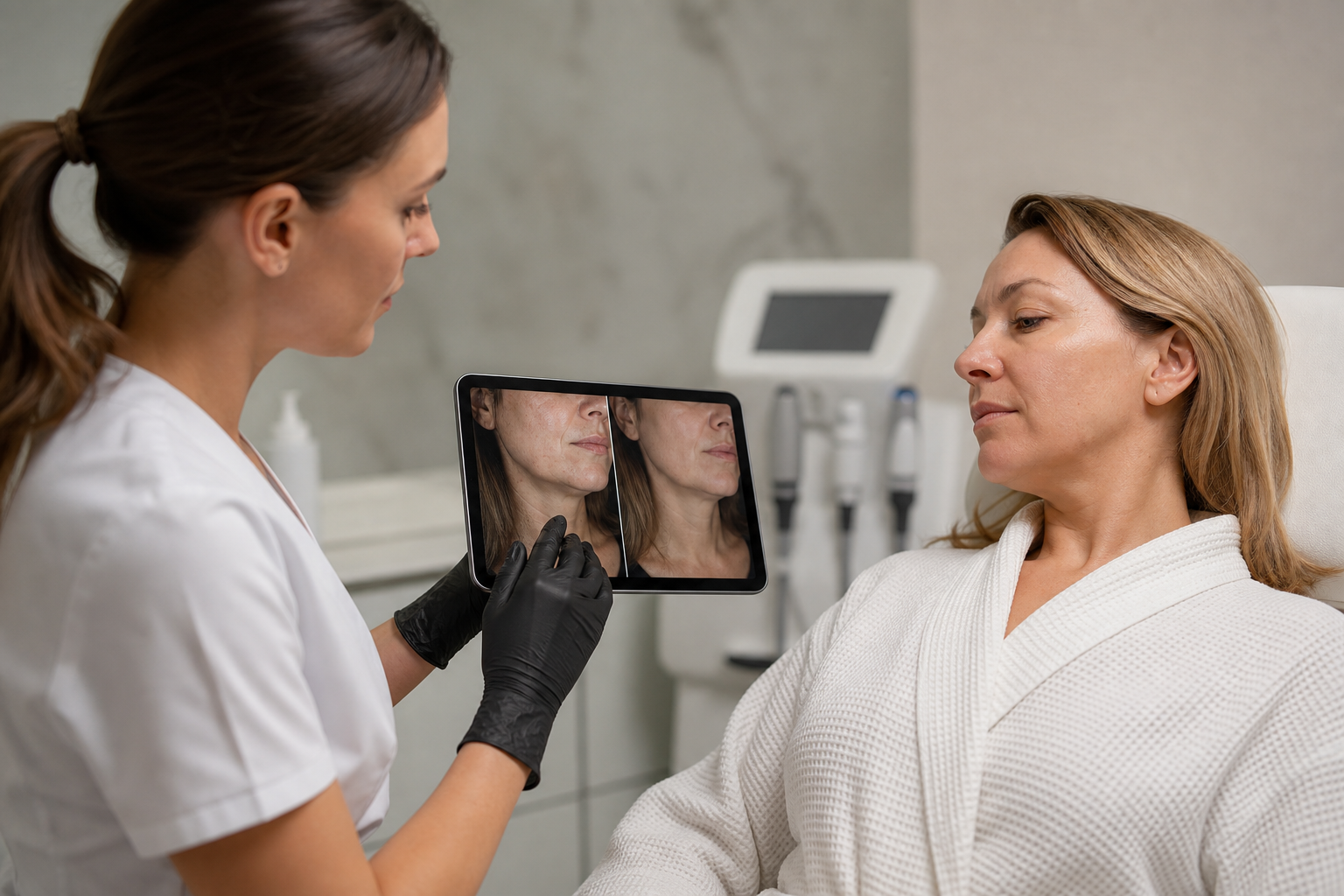
RF facial treatment, also referred to as RF lifting or radiofrequency skin tightening, represents a sophisticated approach to skin rejuvenation that eschews the invasiveness of surgery. Utilizing the power of radiofrequency waves, this method stimulates collagen and elastin synthesis deep within the skin, fostering improved firmness, elasticity, and a youthful glow. As a non-invasive procedure, it is increasingly preferred by individuals seeking noticeable anti-aging effects without the risks or downtime associated with surgical facelifts.
This article is crafted for individuals contemplating skin tightening solutions, whether they are exploring options for the first time or wish to deepen their understanding of radiofrequency-based treatments. Given the vast array of aesthetic procedures available, it is crucial to comprehend the nuances of RF facial treatments—including preparation, execution, and recovery—to make informed decisions that align with personal goals and skin health.
By delving into the science and practicalities of RF facial lifting, the discussion illuminates how this technology offers a safe, effective alternative to traditional interventions, redefining how aging skin can be naturally supported and revitalized.
What Is RF Facial Treatment and How Does It Work?
Radiofrequency facial treatment harnesses electromagnetic waves in the radiofrequency spectrum to generate controlled heat in the dermal and subdermal layers of the skin. Unlike laser treatments that primarily target surface skin, RF energy penetrates deeper to warm the tissue without damaging the epidermis. This thermal effect energizes fibroblast cells, the architects of collagen and elastin fibers, which are essential for maintaining skin’s structure and resilience.
The increase in these proteins gradually reinforces the skin's supportive matrix, leading to tighter, smoother, and more elastic skin over time. Importantly, RF treatment is not a facelift involving incisions or physical alteration of facial muscles. Instead, it encourages the skin’s intrinsic regenerative capacities, resulting in natural-looking rejuvenation.
There are several variations of RF facial treatments tailored to different needs and conditions:
Non-invasive RF: Delivered through a handpiece applied externally, it produces uniform heat to stimulate collagen in cases of mild to moderate skin laxity.
Fractional RF without needles: Combines radiofrequency energy with fractional micro-injuries on the skin surface, promoting targeted renewal with limited downtime.
RF microneedling: A minimally invasive procedure where fine needles create micro-channels while simultaneously delivering RF energy deep into the skin layers, enhancing rejuvenation for pronounced wrinkles and scars.
Who Is the Ideal Candidate for RF Facial Treatment?
RF facial treatments cater predominantly to individuals in middle age experiencing early signs of skin aging, including mild to moderate sagging, fine lines, and loss of firmness. It suits those preferring a gentle, non-surgical intervention—or those for whom surgery is contraindicated or undesirable.
Patients enjoying good skin elasticity and seeking to refresh their complexion without extensive downtime often benefit most from non-invasive RF procedures. For more advanced skin concerns such as deep wrinkles or textured scarring, RF microneedling offers a remedy through its enhanced penetration and regenerative stimulation.
However, certain populations should avoid RF treatments or seek thorough medical consultation beforehand: pregnant women, individuals with active infections or dermatological conditions, people with implanted electronic medical devices like pacemakers, and those with specific chronic illnesses. These precautions ensure safety and prevent adverse interactions.
How to Prepare for Your RF Facial Treatment
Preparation is a vital component that can influence both the effectiveness of the RF session and the comfort experienced during and after the procedure. Prior to treatment, patients should monitor several factors as recommended by their aesthetic practitioner.
Avoidance of direct sun exposure and tanning for several days is critical to reduce skin sensitivity and prevent pigmentation issues. Similarly, refraining from harsh exfoliating treatments or chemical peels avoids irritation that could complicate the RF process. The day before the session, limiting consumption of caffeine, alcohol, and tobacco optimizes skin circulation and hydration status.
On the day of treatment, it is essential to arrive with a clean face free from makeup, creams, and oils, which might impede the effective transmission of RF energy. Depending on the type of RF procedure planned, practitioners may administer a mild topical anesthetic to ensure patient comfort—particularly in minimally invasive microneedling variants.
What Happens During an RF Facial Procedure?
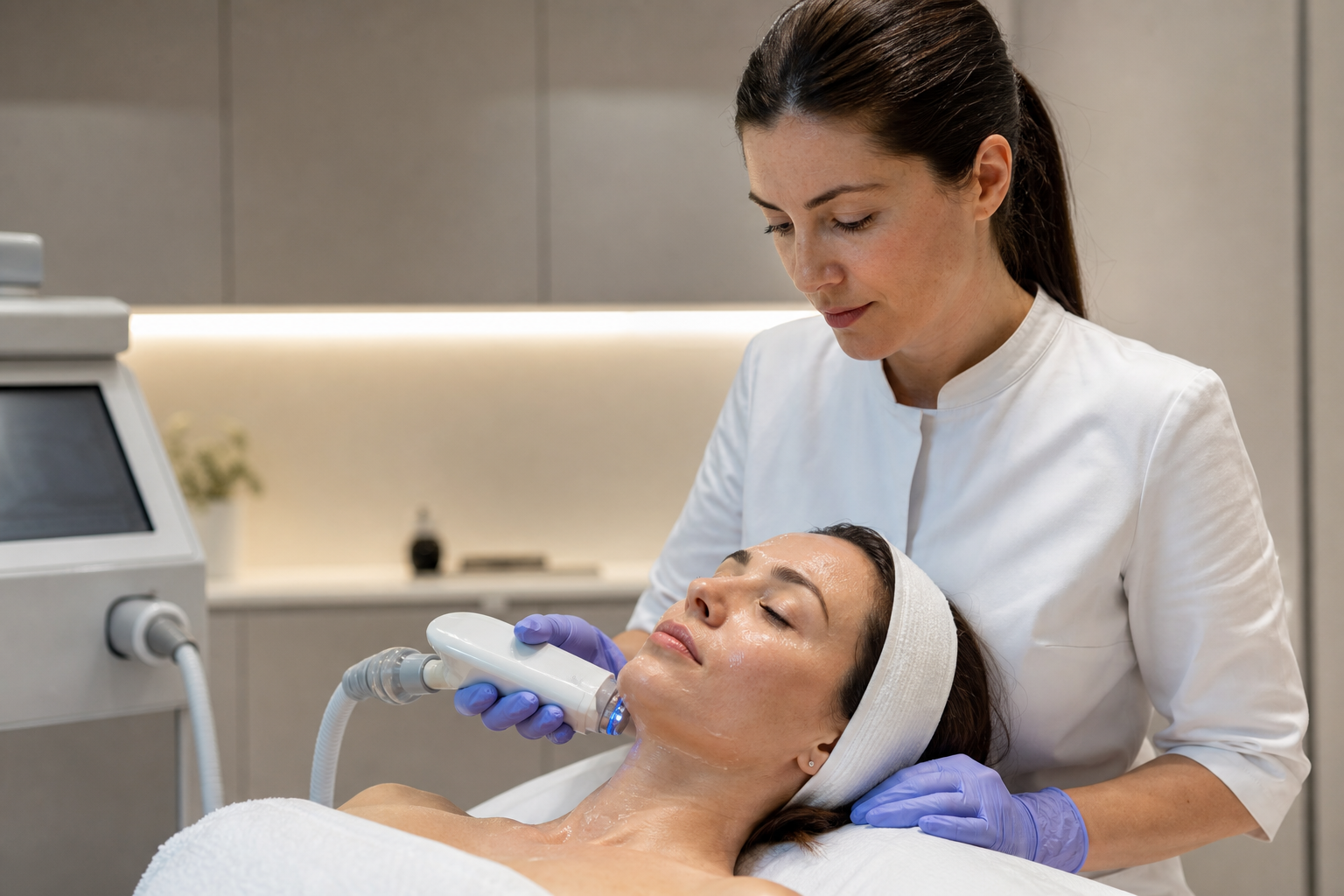
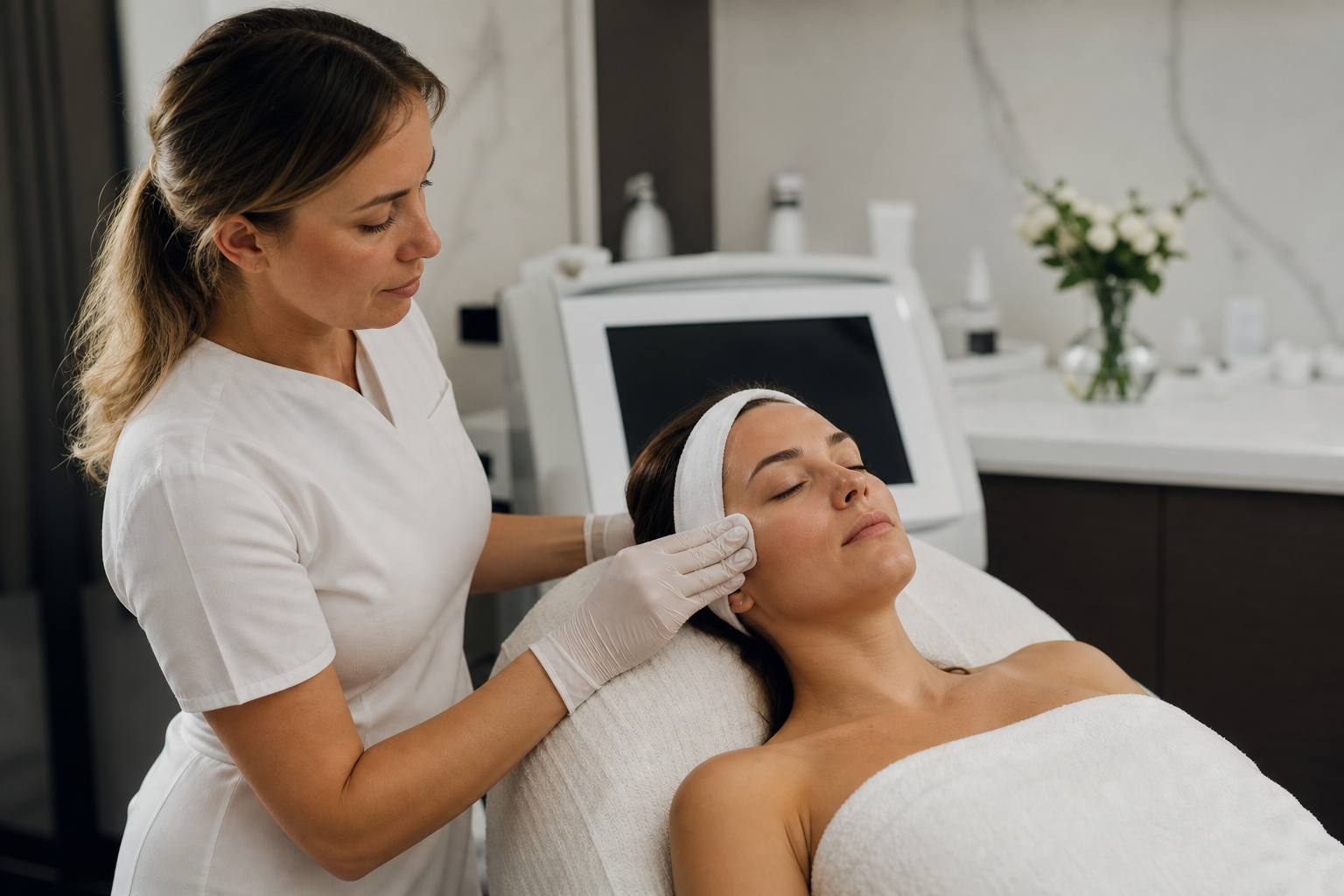
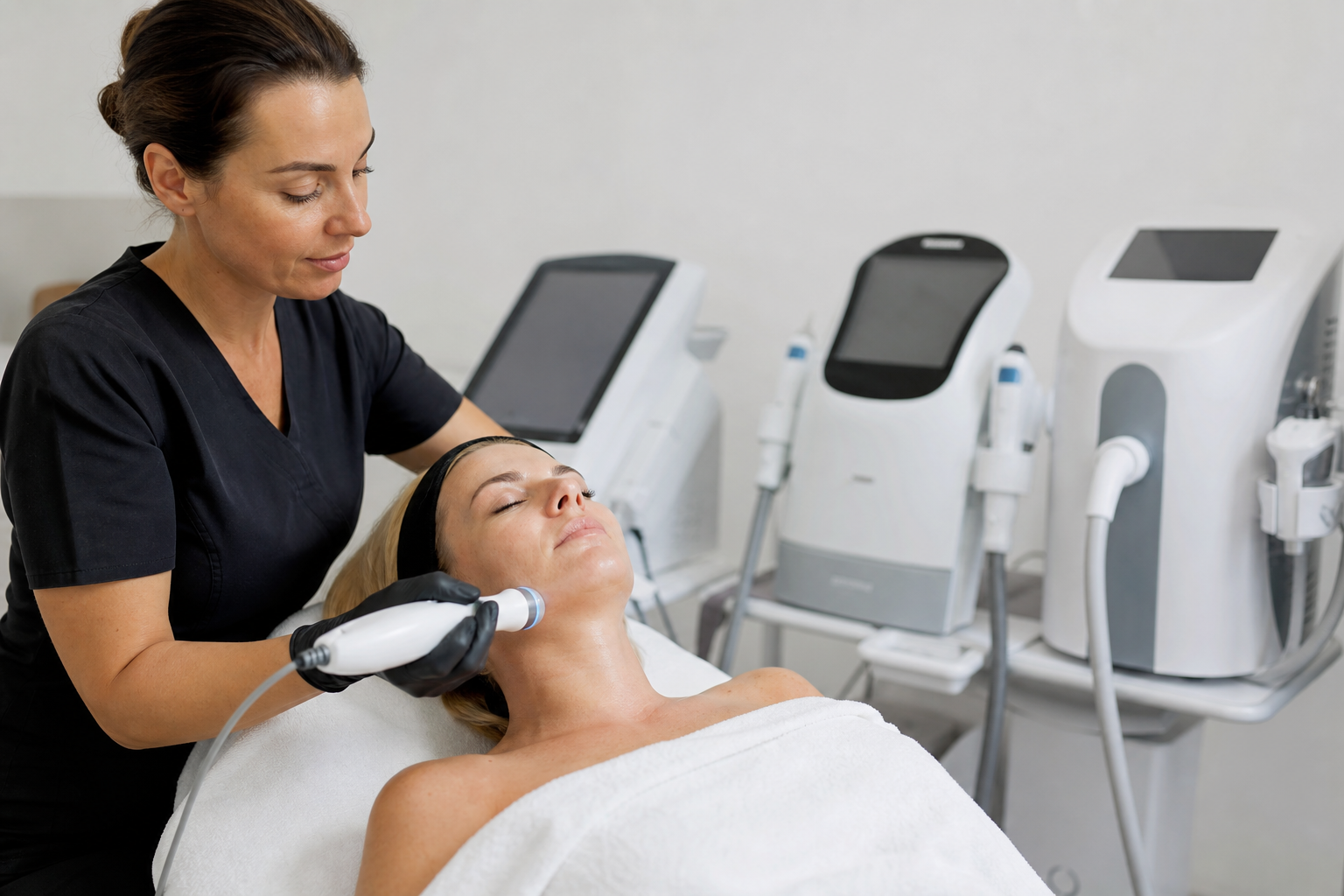
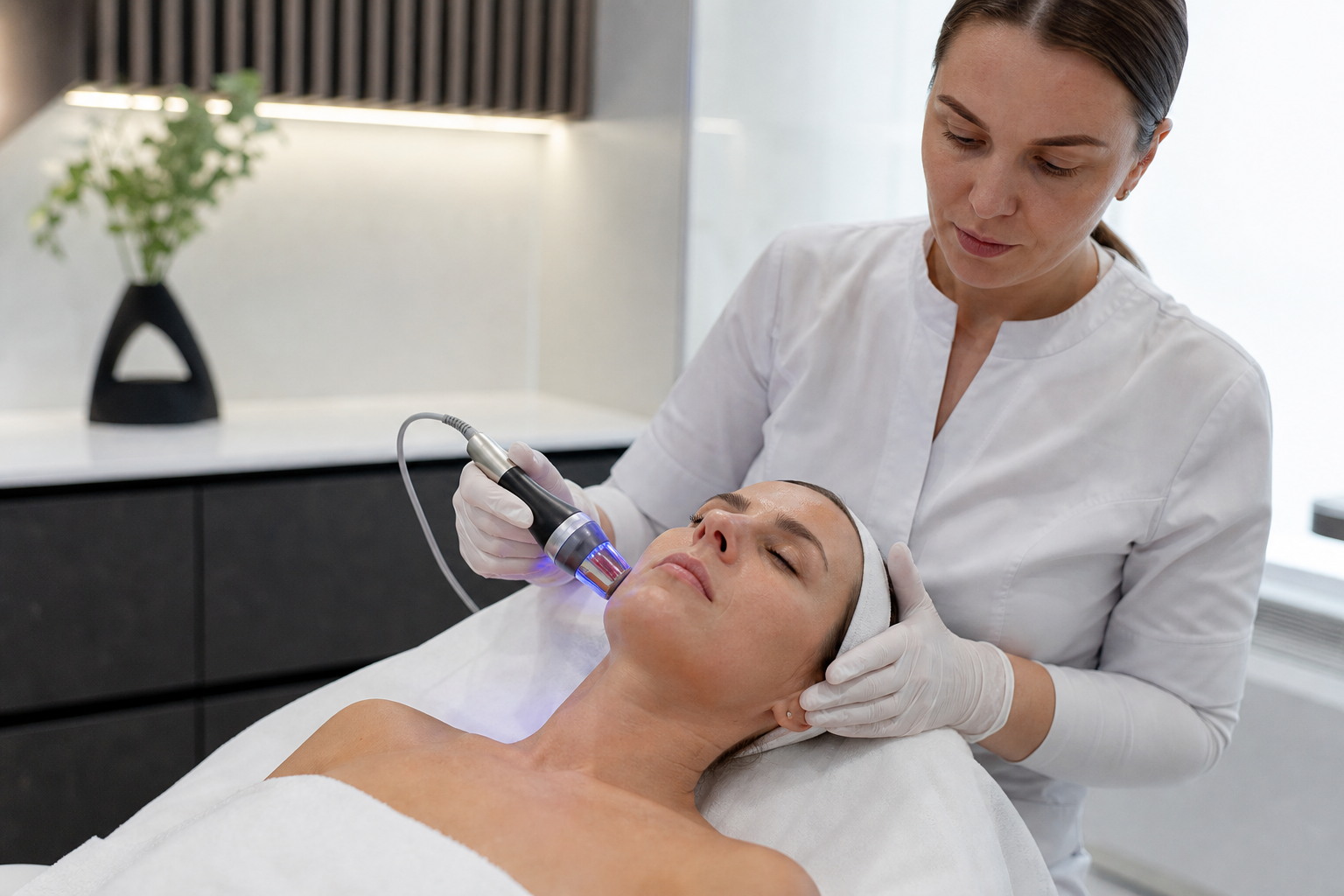
The duration of a typical RF facial treatment ranges between 30 and 60 minutes, modulated by the extent of the areas addressed. The process commences with thorough cleansing to eliminate dirt and residual products, followed by the application of a conductive gel that facilitates optimal energy delivery and device movement.
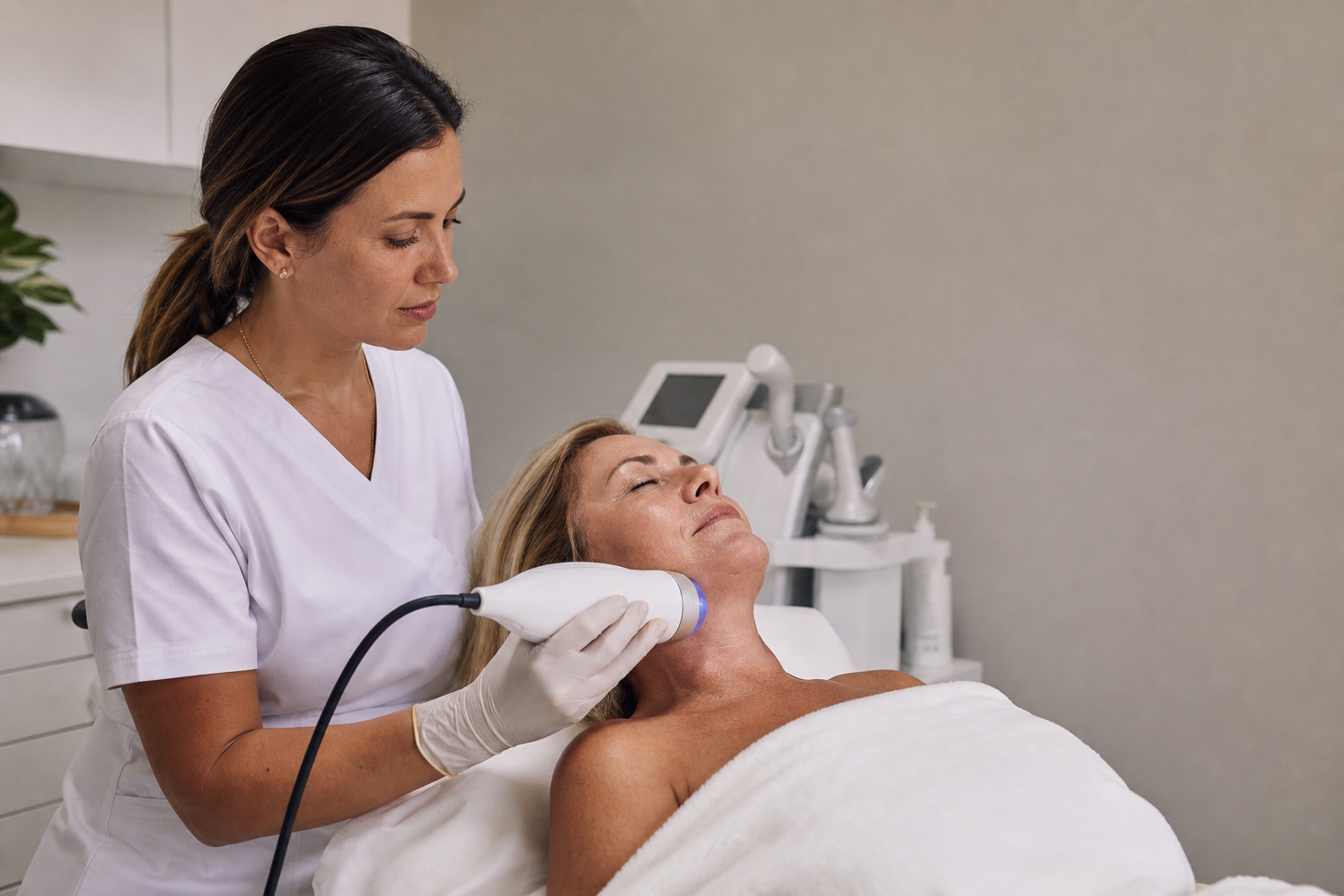
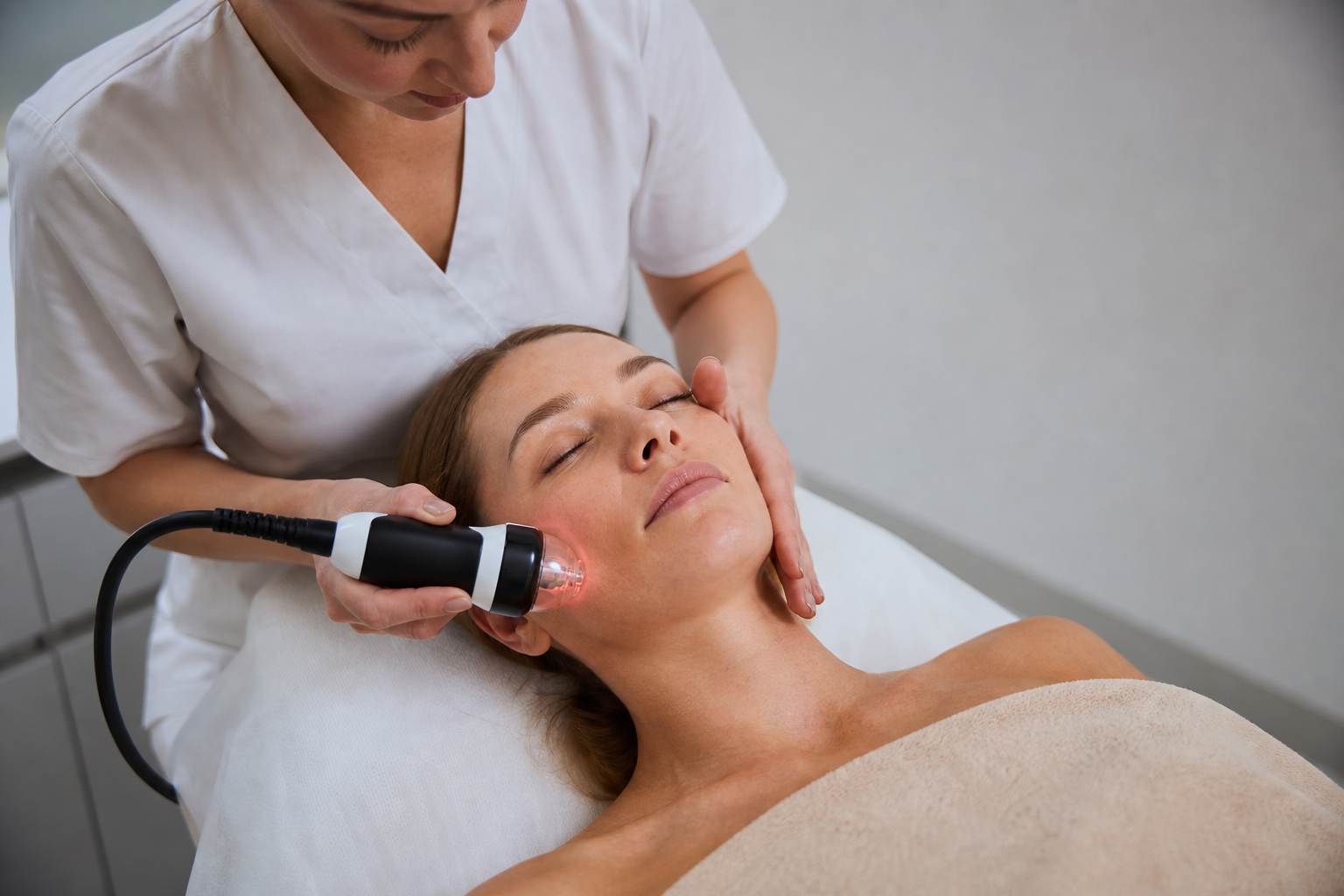
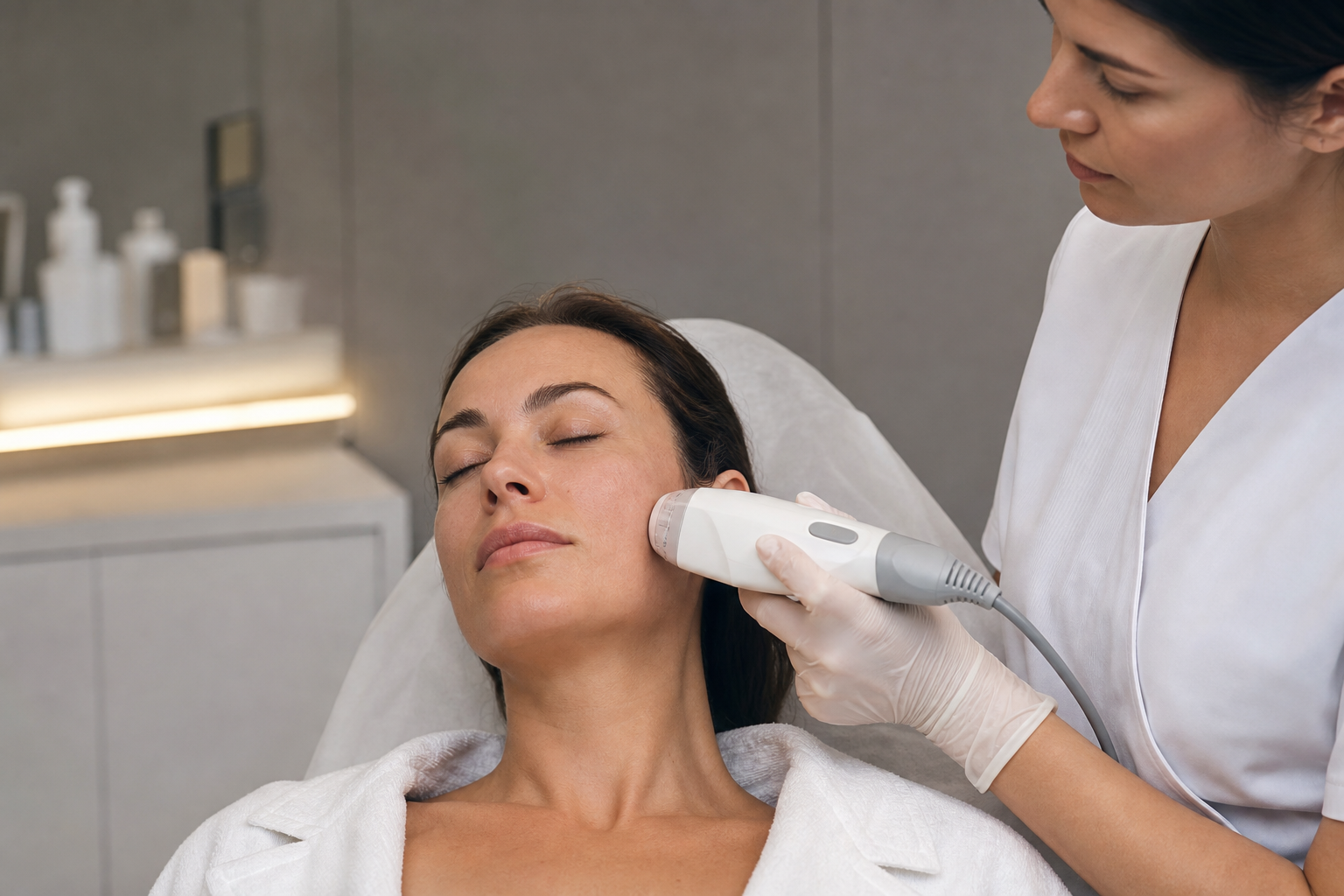
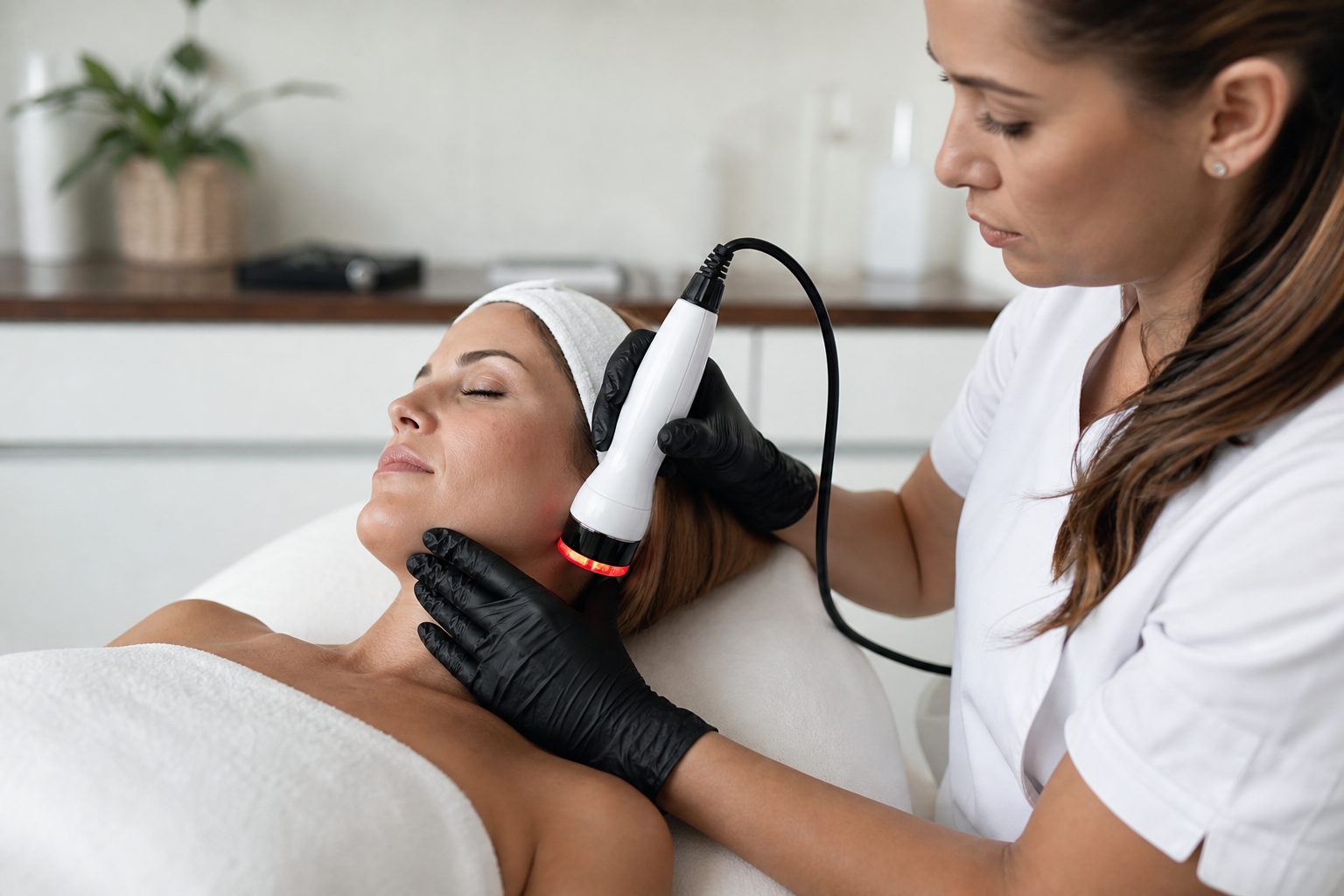
For non-invasive RF, the clinician gently maneuvers a specialized handpiece over the skin using circular motions. The device emits radiofrequency waves that warm the dermis, producing a soothing heat sensation. This feeling is a deliberate and controlled element of the treatment, intended to activate collagen production while maintaining patient comfort and protecting the skin’s surface.
In fractional RF without needles and RF microneedling, additional mechanical actions are performed: fractional micro-injuries or tiny needle punctures aid in deeper energy penetration and invoke a more robust tissue repair response. These methods require precise technique and rigorous hygiene protocols to minimize side effects and maximize benefits.
What to Expect After Your RF Facial and During Recovery
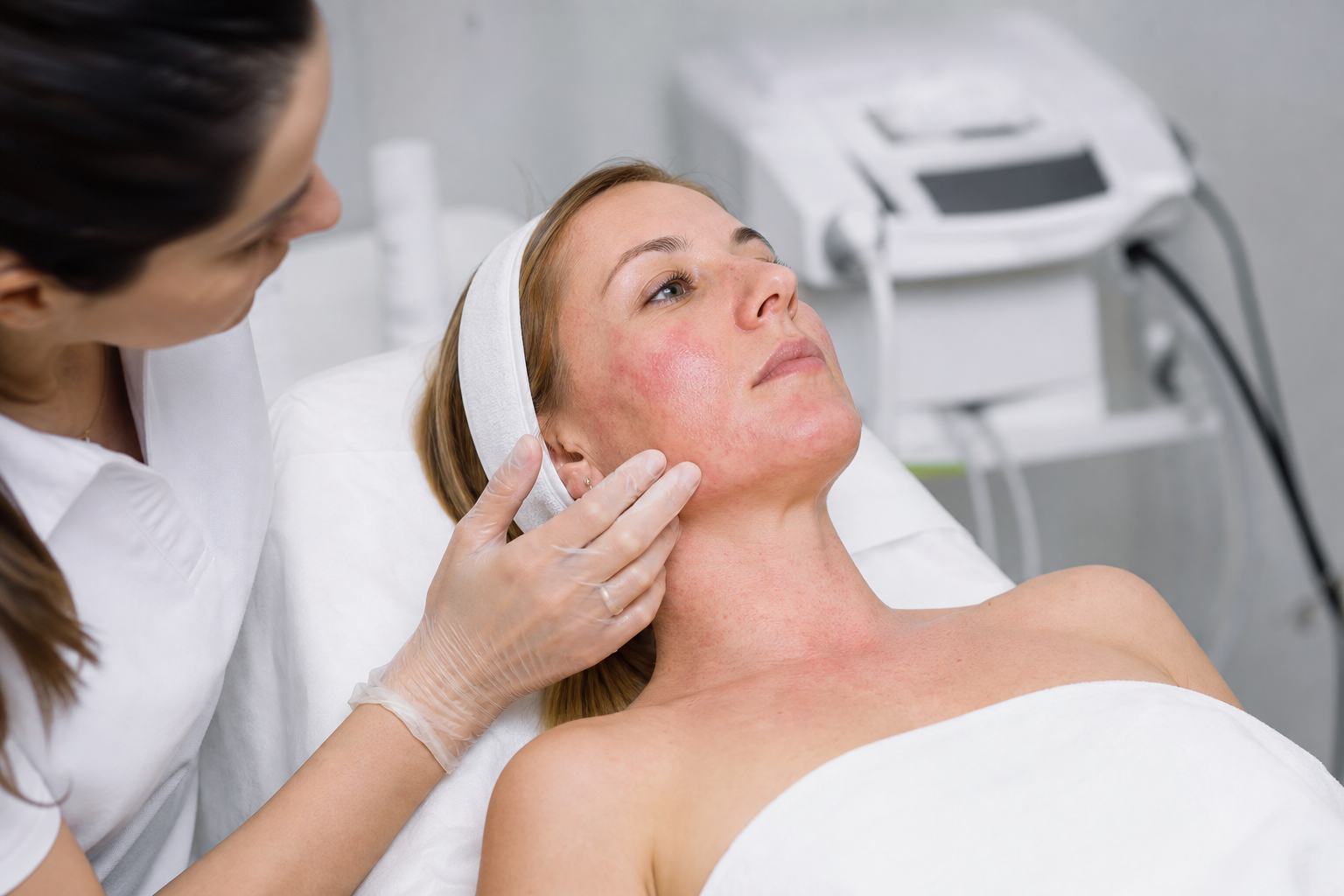
One of the defining advantages of the RF facial lifting procedure is its minimal downtime. Most patients can resume normal daily activities immediately, with only minor side effects like transient redness or swelling that usually resolve within hours to a day.
It is advisable to avoid prolonged sun exposure and aggressive topical products for a few days post-treatment to support the skin’s healing processes. Patients often notice an early sensation of skin tightness and a fresher appearance, which gradually evolves as collagen remodeling progresses over subsequent weeks.
Because results emerge progressively, multiple sessions spaced appropriately may be recommended to achieve the desired rejuvenation profile tailored to the individual's skin condition and goals.
How Does RF Lifting Compare to Other Skin Tightening Treatments?
RF lifting distinguishes itself from other cosmetic interventions by providing a harmonious balance of efficacy, safety, and comfort. Unlike surgical facelifts, it requires no incisions, anesthesia (in most cases), or extended recovery. The risk of complications commonly linked to surgery is thus mitigated.
When juxtaposed with chemical peels or laser resurfacing, RF technology penetrates more deeply without compromising the skin’s protective outer layers, resulting in less irritation and more gradual, natural-looking improvements. Relative to injectable treatments such as botulinum toxin or dermal fillers, RF targets intrinsic tissue remodeling rather than muscle relaxation or volume replacement, addressing distinct aspects of facial aging.
Its versatility allows practitioners to use RF lifting as a standalone therapy or in conjunction with other modalities, offering a customizable approach to comprehensive skin rejuvenation.
Frequently Asked Questions About RF Facial Treatment
Does RF lifting hurt? Most patients describe the sensation as pleasant warmth rather than pain. Mild tingling or needle-like feelings may accompany microneedling procedures but are generally well managed with topical anesthetics.
Is anesthesia needed for RF treatments? Non-invasive RF treatments typically require no anesthesia. For minimally invasive options like RF microneedling, local anesthetics are commonly used to maximize comfort.
How long does an RF facial treatment take? Sessions usually last from half an hour up to an hour, depending on treatment scope and technology.
What does the heat feel like during treatment? The heat should be controlled and comfortable, producing a gentle warming sensation without burning or discomfort.
Are redness and swelling expected after treatment? Temporary redness and swelling are normal but typically resolve quickly within 24 hours.