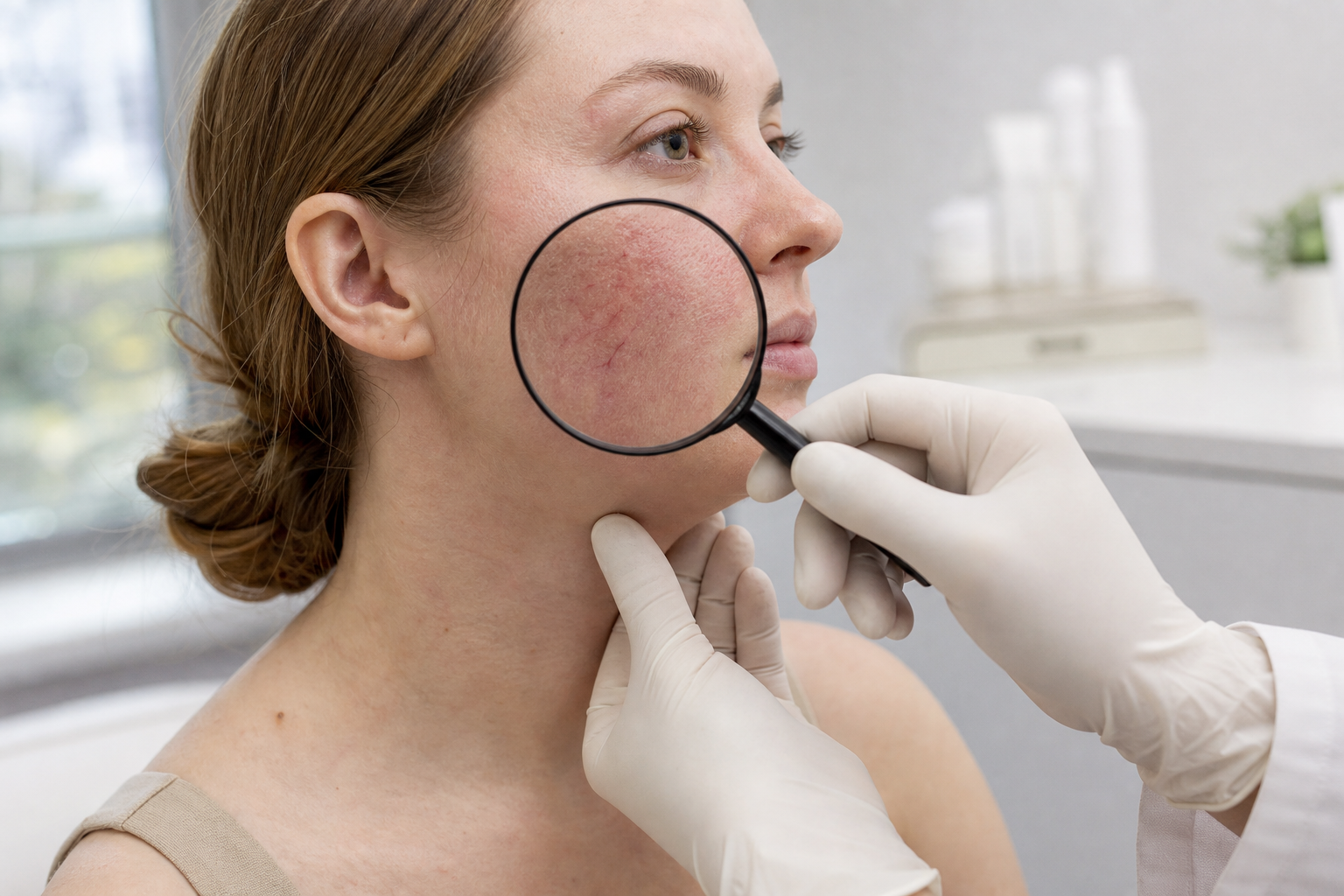
Persistent facial redness is a common concern that affects individuals across diverse skin types and ages. While occasional flushing can occur from factors like temperature changes or emotional responses, constant redness demands thorough understanding and careful attention. For those experiencing this condition, recognizing the underlying cause is vital, as the implications range from benign sensitivity to chronic dermatological disorders. Whether you're someone confronting this issue firsthand or a care provider seeking deeper insights, understanding why your face is constantly red matters both for health and quality of life.
Facial redness is not merely a cosmetic matter; it can signal conditions such as rosacea, dermatitis, sensitive skin reactions, or the lingering aftermath of acne flare-ups. The distinctions among these causes influence treatment approaches, expectations, and outcomes. Within this comprehensive editorial, we will explore these varied origins, clarify common misconceptions, and present how modern vascular laser treatments fit within the therapeutic landscape. Emphasizing evidence-based dermatological perspectives, this article will set realistic expectations about solutions, particularly focusing on laser procedures and their role.
In the broader context of advanced treatments, especially laser procedures aimed at skin rejuvenation and pigmentation correction, vascular laser treatments occupy a significant position in addressing persistent redness. This discussion extends beyond aesthetic concerns to the restoration of confidence and skin health. By unpacking common causes and treatment realities, readers will be better equipped to navigate their options thoughtfully and effectively.
What Are the Most Common Causes of Persistent Facial Redness?
Understanding persistent facial redness begins with identifying the root triggers. Several dermatological conditions and skin responses can manifest as ongoing redness, each with distinctive features and mechanisms.
Rosacea is among the primary culprits causing chronic redness. This inflammatory skin condition typically affects the cheeks, nose, chin, and forehead, presenting with visible blood vessels, swelling, and sometimes pustules. It is a complex, multifactorial disorder often linked with immune system dysregulation and environmental triggers.
Contact dermatitis and eczema represent inflammatory reactions caused by irritants or allergens. Conditions like seborrheic dermatitis or atopic dermatitis can cause prolonged redness accompanied by scaling or itching.
Sensitive skin is a less defined but widely reported cause of redness. Individuals with sensitive skin experience heightened reactivity to environmental factors, skincare ingredients, or climate changes, resulting in flushing and a persistent ruddy complexion.
Post-acne erythema describes redness that remains after active acne lesions have healed. This redness arises due to dilated capillaries and skin healing responses, differing significantly from the active inflammation of acne itself.
Additional causes such as sun damage, couperose (visible small blood vessels), and medical conditions like lupus erythematosus can also contribute to persistent facial redness but tend to have distinct clinical manifestations and diagnostic criteria.
How Does Rosacea Differ from Sensitive Skin and Other Conditions Causing Redness?
Distinguishing rosacea from sensitive skin and other redness-inducing conditions is crucial, as it governs treatment strategies and patient education.
Rosacea is a chronic condition that can have episodic flare-ups. It often involves persistent central facial redness due to vascular dilation and inflammation. Patients may notice stinging, burning sensations, and visible tiny blood vessels called telangiectasias. Unlike sensitive skin, rosacea is often progressive if untreated and may develop papules and pustules.
Sensitive skin
Conditions like couperose involve visibly dilated superficial blood vessels, often hereditary or due to skin damage. While couperose can be part of rosacea's spectrum, it can also occur in isolation, leading to persistent redness localized mainly on the cheeks and nose.
Dermatitis
Recognizing these distinctions helps in adopting appropriate interventions, avoiding unnecessary treatments, and setting realistic expectations.
Can Laser Treatment Remove Rosacea Redness, and When Is It Appropriate?
Laser treatments have emerged as a significant tool in the management of facial redness, particularly for conditions involving vascular components such as rosacea and visible blood vessels.
Vascular laser treatments target hemoglobin in dilated blood vessels, using specific wavelengths to selectively heat and narrow these vessels, resulting in reduced redness and improved skin appearance. Techniques such as pulsed dye laser (PDL) and intense pulsed light (IPL) therapy are widely used for this purpose.
However, it is important to clarify that laser treatment is not a cure for rosacea itself, as the underlying inflammatory process persists beyond visible vessel damage. Instead, laser therapy addresses the visible signs, improving skin tone and texture, and can be an effective component of a multifaceted treatment regimen.
Appropriate candidates for vascular laser treatment include those with prominent telangiectasias or persistent redness unresponsive to topical therapies. Patients with active inflammation or severe papulopustular rosacea may require medical management prior to laser intervention. Additionally, skin type, severity, and individual tolerability will influence outcomes and risk of side effects.
Laser treatments also hold promise in reducing post-acne erythema and couperose, further illustrating their versatility in managing persistent facial redness.
What Are the Benefits and Limitations of Vascular Laser Treatments for Facial Redness?
The benefits of vascular laser treatments include a significant reduction of visible blood vessels, an overall more uniform complexion, and enhanced patient confidence. Many individuals report immediate cosmetic improvement within days to weeks following treatment sessions.
Moreover, these treatments are minimally invasive, require little downtime, and can be repeated to maintain results. For many patients with persistent redness, laser therapy represents a valued adjunct to topical and systemic treatments.
Despite these advantages, limitations must be acknowledged. Laser treatments do not address the root inflammatory causes of rosacea or other skin disorders and thus cannot prevent flare-ups. Multiple sessions may be necessary for optimal improvement, and some individuals may experience temporary side effects such as swelling, bruising, or discoloration.
Realistic expectations are essential. While laser therapy can dramatically improve redness and visible vessels, it cannot eradicate all signs or replace comprehensive skin care and medical management.
How to Differentiate Between Permanent and Temporary Facial Redness?
Facial redness can appear as either a temporary reaction or a permanent state, and discerning between the two guides appropriate responses and treatments.
Temporary redness typically occurs in response to triggers such as heat, exercise, alcohol consumption, spicy foods, emotional stress, or skincare products. This flushing resolves within minutes to hours without residual signs. Sensitive skin often exhibits this reactive redness.
Permanent redness or persistent erythema is characterized by ongoing diffuse or localized redness that does not fully fade. Conditions like rosacea, couperose, or post-inflammatory erythema fall into this category. This redness results from structural changes and sustained vascular dilation.
Patients may notice that permanent redness is unaccompanied by the itchiness or scaling seen in dermatitis but persists despite avoiding common triggers.
Assessing facial redness patterns over time, alongside a dermatological consultation, is key to accurate classification and management planning.
Can Post-Acne Redness Benefit from Laser and IPL Treatments?
Post-acne erythema represents residual redness after acne lesions have resolved, attributable largely to dilated capillaries and skin healing processes. Unlike hyperpigmentation or scarring, this redness is vascular in nature.
IPL and vascular laser treatments can target these visible blood vessels effectively, promoting a more even skin tone and reducing the pink to red discoloration commonly seen after acne heals.
These treatments should be timed appropriately, typically once active acne inflammation subsides, to minimize irritation and maximize benefit. Combining such therapies with skin barrier repair and ongoing acne management can optimize outcomes.
While laser and IPL therapies do not eliminate acne, they address one of its distressing sequelae, enhancing overall skin appearance and patient satisfaction.
Red Cheeks: When It’s More Than Just Sensitive Skin?
Red cheeks are often dismissed as merely a sign of sensitive skin or blushing. However, persistent redness localized to the cheeks warrants a more detailed evaluation.
This presentation can be indicative of rosacea, couperose, seborrheic dermatitis, or even systemic conditions such as lupus. The presence of symptoms like burning, itching, scaling, or papules should alert individuals and clinicians to potential underlying causes beyond simple sensitivity.
Clinical examination revealing patterns such as persistence, visible telangiectasias, or thickened skin can guide diagnosis and appropriate management. Early identification of conditions like rosacea is particularly important, as timely interventions can mitigate progression and improve quality of life.


