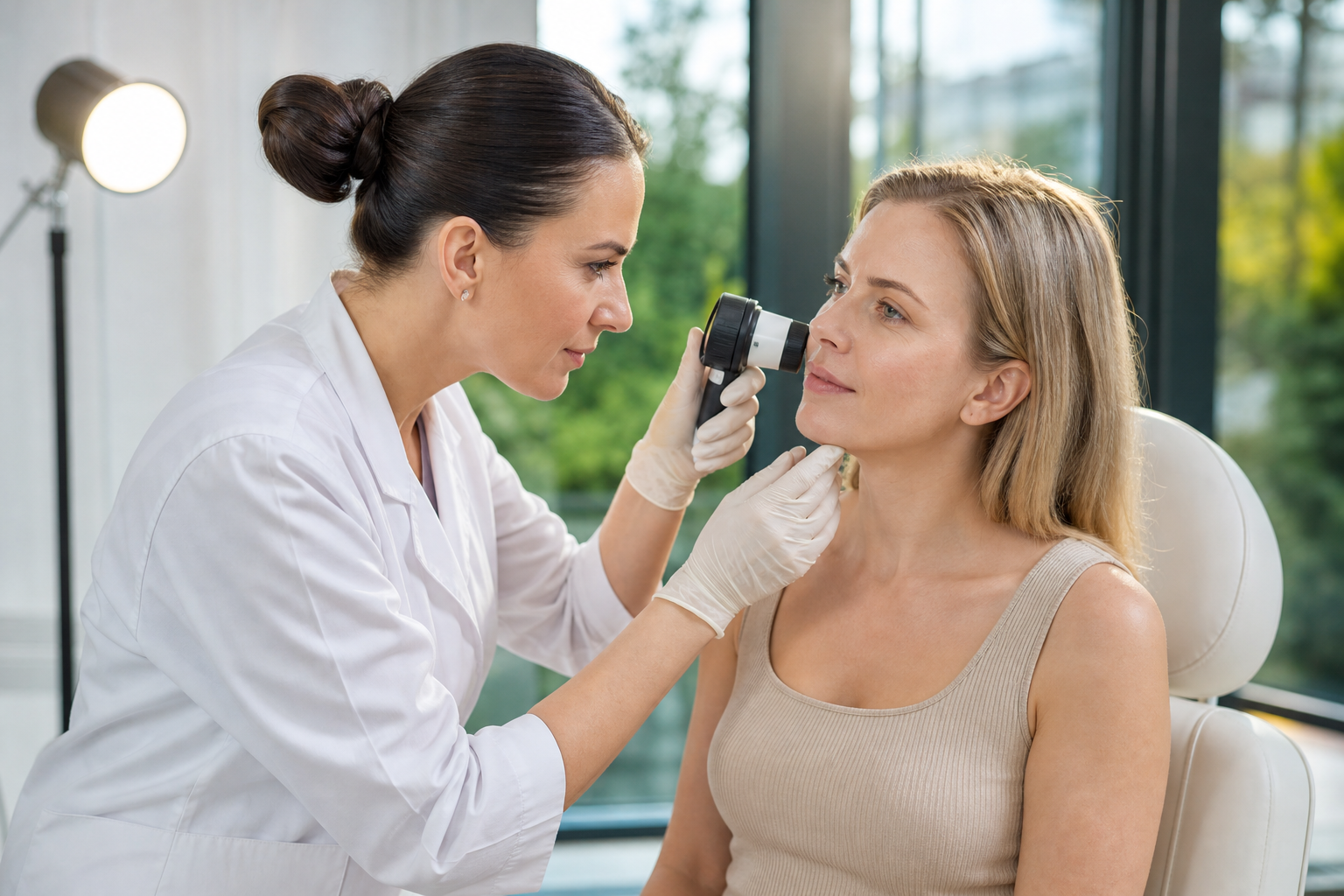
Visible capillaries, also known as spider veins, on the face or other parts of the body can be a source of discomfort and aesthetic concern for many individuals. These tiny blood vessels appear as fine red or blue lines under the skin and can detract from an even complexion. Thanks to advances in dermatological technology, particularly laser procedures, targeted removal of these capillaries has become a widely accessible treatment. However, undergoing the laser treatment itself constitutes only the initial step in addressing this condition. Post-treatment care is paramount to ensure optimal healing, minimize side effects, and preserve the results long-term.
This article aims to guide those who have recently undergone or are considering laser treatment for capillaries through the essential steps of skin care after capillary removal. Emphasizing practical advice supported by reliable dermatological sources, the discussion will clarify realistic expectations for the recovery period and long-term maintenance. Understanding and implementing the correct aftercare can significantly impact the treatment's efficacy, overall skin health, and patient satisfaction.
Whether you are concerned about redness reduction, preventing swelling, or protecting your skin from further damage, learning how to care for your skin after capillary removal is crucial. This detailed exploration will cover common post-treatment reactions, the importance of sun protection, appropriate skincare routines, and how to approach future treatments—providing a comprehensive resource for anyone invested in vascular laser therapies.
What Happens to Your Skin During and Immediately After Laser Treatment for Capillaries?
Laser treatment for capillaries utilizes targeted light energy to selectively affect damaged blood vessels beneath the skin without harming surrounding tissue. The procedure relies on the principle of selective photothermolysis, where hemoglobin in the blood absorbs specific wavelengths of laser light, leading to heating and subsequent closure or breakdown of the problematic vessels.
Immediately post-treatment, the skin area where the capillaries were targeted is often sensitive, with changes such as redness, swelling, and mild inflammation being typical physiological responses. These reactions signal the skin's healing processes and vary depending on factors including treatment intensity, specific laser technology used, and the individual's skin type.
Clients can expect temporary symptoms such as localized swelling, superficial redness resembling mild sunburn, and occasionally minor bruising. While generally transient, understanding these reactions helps manage expectations and reinforces the need for careful aftercare to support natural recovery.
What Are the Most Common Symptoms After Capillary Removal and How Should They Be Managed?
After laser treatment for visible vessels and redness, several skin responses are common and generally considered normal parts of the healing continuum. Swelling after laser capillary treatment often manifests within hours and may persist for a few days depending on treatment depth and skin sensitivity. Applying cold compresses intermittently during the initial 48 hours can soothe irritation and reduce swelling, but care must be taken not to cause excessive dryness or frostbite.
Redness and a warm sensation typically accompany swelling. Using gentle, fragrance-free moisturizers that do not clog pores can help maintain hydration and comfort. Avoid scrubbing, rigorous cleansing, or applying harsh topical products during this delicate phase, as these actions may exacerbate inflammation.
In rare circumstances, mild bruising or uneven skin coloration can occur. These effects usually resolve over days to weeks. Monitoring for increased pain, persistent redness, or signs of infection is essential; such situations warrant prompt consultation with a dermatology professional to rule out complications.
Why Is Using Sunscreen and Maintaining High SPF Levels Critical After Laser Capillary Treatment?
One of the crucial considerations after laser treatment for capillaries is protecting the regenerating skin from ultraviolet (UV) radiation. The skin's vulnerability increases significantly post-procedure, heightening the risk of hyperpigmentation, persistent redness, and delayed healing if exposed to direct sunlight without adequate protection.
Implementing a broad-spectrum sunscreen with an SPF of at least 30—or higher on highly sensitive skin areas—is fundamental. This measure shields the epidermis during its reparative phase, helping maintain the unified skin tone achieved through the laser treatment. Moreover, sun protection should remain a daily routine year-round due to incidental UV exposure, not just during the summer.
Complementary strategies to maximize protection include avoiding peak sun hours, wearing wide-brimmed hats, and using physical barriers such as clothing. This layered defense minimizes photo-induced skin stress, thereby supporting long-lasting results and overall skin vitality.
How Should You Modify Your Skincare Routine Immediately Following Capillary Removal?
Adapting your skincare regimen after capillary laser therapy is essential to facilitate healing and protect delicate skin. The first few days post-procedure require gentle care focusing on hydration, soothing irritation, and preventing microbial contamination.
Begin by cleansing the treated area with a mild, non-abrasive cleanser that respects the skin's natural barrier. Avoid products containing alcohol, fragrances, retinoids, or exfoliating acids, as these can exacerbate irritation. Moisturizers should be hypoallergenic and formulated for sensitive skin, often containing calming ingredients like aloe vera or hyaluronic acid.
It’s also pivotal to refrain from using makeup or other topical agents on the treated area until the skin has sufficiently recovered to avoid clogging pores or provoking inflammatory reactions. Keeping the area clean and monitored helps ensure complications are minimized.
What Should Patients Expect During the Longer-Term Recovery and Maintenance After Laser Capillary Removal?
Dermatologists stress that laser treatment for visible vessels is not typically a single, definitive intervention but part of an ongoing skin care approach. After the acute healing phase subsides, maintaining results hinges on preventive care and lifestyle adjustments.
This long-term strategy involves continued sun protection, gentle skin care tailored to vascular sensitivity, and avoidance of environmental factors that could exacerbate capillary fragility—such as extreme temperatures or aggressive physical treatments. Anti-inflammatory and antioxidant-based products may be incorporated to support skin resilience and vascular health.
Periodic follow-up appointments with your healthcare provider enable assessment of treatment efficacy and timing of any necessary maintenance sessions. This attentive monitoring helps address new or recurring visible vessels promptly, optimizing aesthetic outcomes over time.
Is It Safe to Undergo Capillary Treatment in Summer, and What Special Considerations Exist?
Many wonder if laser treatment for vascular issues is advisable during the summer months, given that increased sun exposure can affect healing and pigmentation. While treatment is feasible year-round, extra precautions are necessary.
Because post-laser skin is more UV sensitive, summer treatments require meticulous sun protection measures pre- and post-procedure. Patients should anticipate strict avoidance of sun exposure immediately after treatment and commit to high SPF use and physical sun barriers consistently. Medical professionals may recommend scheduling procedures during periods of lower sun intensity or targeting less exposed body areas.
Choosing experienced dermatologists who tailor parameters and device settings accordingly is especially critical during summer to minimize risks and ensure safety. Informed planning and adherence to aftercare guidelines enable safe vascular laser treatments even in sunnier seasons.
When Should Patients Consider Additional Laser Sessions for Capillary Removal?
Depending on the extent and severity of capillary visibility, multiple laser sessions might be required to achieve desired clarity. Each individual's response to the treatment varies, influenced by factors such as skin type, vascular condition, and the particular laser device employed.
Medical professionals generally advise allowing complete recovery between sessions to decrease cumulative irritation and enhance cumulative effectiveness. The interval between treatments can range from several weeks to a few months, depending on skin response and practitioner assessment.
Additionally, patients should engage in preventive skincare and lifestyle modifications to mitigate the development of new capillaries. Maintaining vascular health through regulation of blood pressure, avoiding excessive heat or cold exposure, and following a balanced diet can also contribute beneficially.


