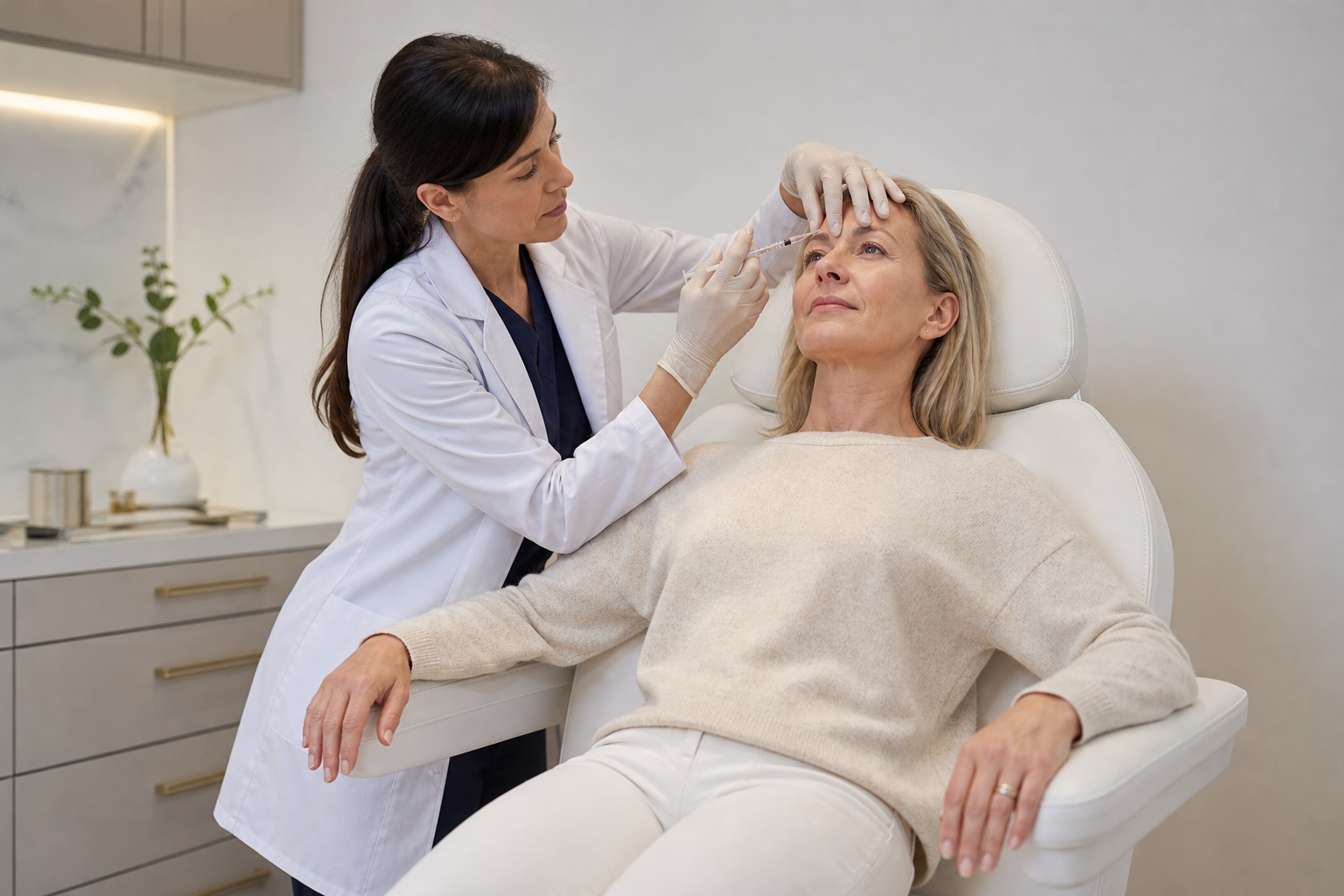
In recent years, Botox has emerged as a cornerstone in aesthetic medicine, widely acclaimed for its capacity to temporarily reduce the appearance of wrinkles and offer a fresher, more youthful look. The procedure's appeal spans a diverse demographic, including younger adults seeking preventative measures and older individuals aiming to rejuvenate their facial appearance. Despite its popularity, Botox treatment continues to generate concerns about safety, appropriate use, and the qualifications of providers. These concerns highlight the importance of understanding the treatment mechanism, managing expectations, and recognizing the critical factors that influence safety in clinical settings.
For anyone considering Botox, navigating the abundance of available information and clinics can be daunting. This editorial addresses the safety aspects of Botox specifically within medical clinic environments, focusing on the necessity of choosing qualified doctors, reliable clinics, and authentic products. By explaining Botox's mechanism of action, its realistic limitations, and essential safety considerations, we aim to provide a comprehensive view that helps patients make informed, confident decisions about their aesthetic journey.
Botox is much more than a cosmetic fad; it's a medical procedure carried out with a powerful neurotoxin that temporarily modulates muscle activity. Understanding the science behind Botox, combined with an awareness of clinical protocols and safety practices, is crucial not only for prospective patients but also for practitioners dedicated to delivering responsible care.
The Mechanism of Botox and Its Role in Modern Aesthetic Medicine
Botox, a purified form of botulinum toxin type A, functions fundamentally by inhibiting the transmission of nerve impulses to muscles. When injected into targeted muscle groups, Botox blocks the release of acetylcholine at neuromuscular junctions, leading to muscle relaxation. This effect diminishes dynamic wrinkles caused by repetitive facial movements, particularly in areas such as the forehead, crow's feet around the eyes, and frown lines between the eyebrows.
It is vital to recognize that Botox treatment is temporary. Typically, the effects last between four and six months, after which muscle activity gradually returns, often necessitating repeat treatments to maintain results. Beyond wrinkle reduction, Botox holds a preventive benefit by curbing the formation of wrinkles before they deepen into permanent lines, especially when used early in life.
The minimally invasive nature of Botox injections, combined with rapid treatment sessions and virtually no downtime, underpins its central role in aesthetic medicine. When administered correctly, Botox preserves natural facial expressions, striking a delicate balance between aesthetic enhancement and authentic appearance—a priority for both patients and clinicians.
Choosing the Right Doctor as a Pillar of Botox Safety
The single most critical factor in ensuring Botox treatment safety is the expertise of the practitioner performing the injections. Botox administration is far from a trivial procedure; it demands precise anatomical knowledge, skillful injection techniques, and an individualized approach tailored to each patient's unique facial structure and treatment goals.
Qualified providers typically have backgrounds in dermatology, plastic surgery, or specialized aesthetic medicine. Their professional experience should be evident through documented certifications, ongoing education, and a proven track record of successful treatments. Patients should seek transparency about qualifications and feel comfortable discussing any concerns, including side effects and risk factors.
The importance of choosing a credentialed medical professional cannot be overstated. Non-medical personnel or those lacking proper training may lack the ability to control dosage, recognize contraindications, or manage complications, increasing the risk of adverse events and unsatisfactory results. Thus, the foundation of safety begins with responsible provider selection.
Medical Clinics and Their Responsibility in Establishing a Safe Treatment Environment
Beyond the individual clinician, the medical clinic where Botox is administered plays a pivotal role in safeguarding patient health. Clinics must adhere to rigorous hygiene standards, ensure appropriate storage and handling of Botox products, and maintain transparent protocols aligned with regulatory guidelines.
These standards encompass sterilization of instruments, verification of product authenticity, and staff training on emergency response in the rare event of complications. Compliance with health regulations and accreditation by recognized medical bodies further affirm a clinic's commitment to safety.
Additionally, comprehensive patient communication is essential within the clinical setting. Clinics should provide detailed consultations covering treatment plans, potential side effects, misuse warnings, and post-procedure care. Offering multilingual informational materials and continuous patient support enhances trust and outcomes.
Choosing a medical facility that values these aspects ensures that patients receive not only effective Botox treatment but also a secure and professionally managed experience.
The Imperative of Authentic and Verified Botox Products in Clinical Use
The safety and effectiveness of Botox treatments hinge on the use of genuine, licensed botulinum toxin products. The market unfortunately includes counterfeit or unapproved preparations that pose significant health risks—ranging from localized allergic reactions to irreversible tissue damage.
Authentic Botox is manufactured under strict regulatory oversight and carries unique identification markers enabling traceability. Reputable clinics guarantee product provenance by sourcing directly from authorized distributors and maintaining detailed documentation of all batches used in treatments.
Patients increasingly prioritize product transparency, and clinicians must be prepared to demonstrate the origin and quality of their injectables. Verifying this information before treatment is a simple yet powerful measure for preventing adverse effects and reinforcing treatment safety.
Managing Patient Expectations and Understanding Botox’s Limitations for Safer Outcomes
Realistic expectations are key to patient satisfaction and safe outcomes. Botox is not a cure-all solution; it specifically targets dynamic wrinkles and cannot permanently erase deep static lines or restore facial volume lost due to aging. It also does not alter bone structure or serve as a substitute for surgical interventions when significant facial changes are desired.
Proper consultation with a qualified specialist is fundamental to define treatment scope aligned with individual anatomy and goals. This process involves an evaluation of medical history, possible allergies, and contraindications that might preclude treatment or require adjustment of protocols.
Patients must understand potential side effects, generally mild and temporary, such as bruising, localized pain, or minor drooping. Serious complications are rare in competent hands and with appropriate screening. Communication establishes trust and ensures patients are partners in their own safety and satisfaction.
How to Verify Professional Qualifications and Clinic Credibility in Botox Treatments
In an era of expanding aesthetic services, verification of medical credentials and clinic legitimacy is more important than ever. Patients should seek out doctors registered with recognized medical boards and specialists affiliated with reputable medical societies in dermatology or plastic surgery.
Consulting online reviews, patient testimonials, and professional portfolios can offer insight into clinical practice quality. Many regions require clinics to obtain licenses for Botox administration, which can often be confirmed through health authority directories.
Beyond certificates, evaluating whether clinics maintain privacy standards, provide thorough pre-treatment consultations, and engage in continual staff training is indicative of a commitment to excellence. Choosing an ethical and compliant medical environment forms the backbone of safe and reliable Botox treatments.
Integrating Safety Standards Into the Future of Botox in Aesthetic Practices
Botox’s role within aesthetic medicine will undoubtedly continue to expand with advancements in formulations and technique. However, this growth must be accompanied by unwavering dedication to safety standards and professional accountability.
Clinics and practitioners invested in continuous education, quality control, and patient-centered care set the benchmark for safe Botox utilization. Innovative monitoring of outcomes, transparent patient communication, and regulatory compliance are hallmarks of modern best practices.
Informed patients who prioritize medical expertise and clinic reliability not only enhance their own safety but also elevate the overall perception and integrity of Botox treatments in the healthcare community.
Ensuring Safe and Effective Botox Treatments Through Informed Clinical Choices
Ultimately, the safety of Botox in medical clinics is a multifaceted subject encompassing the skill of the provider, the integrity of the clinic, authenticity of products, and realistic patient understanding. Careful consideration of these elements empowers patients to mitigate risks and enjoy the benefits of this transformative aesthetic procedure confidently.
Prospective patients should approach Botox as a medical treatment, not merely a cosmetic service, ensuring that all decisions—from selecting the doctor to confirming product authenticity—are made prudently. Such informed clinical choices lay the foundation for successful, safe, and satisfactory Botox experiences, reflecting the highest standards of modern aesthetic medicine.


