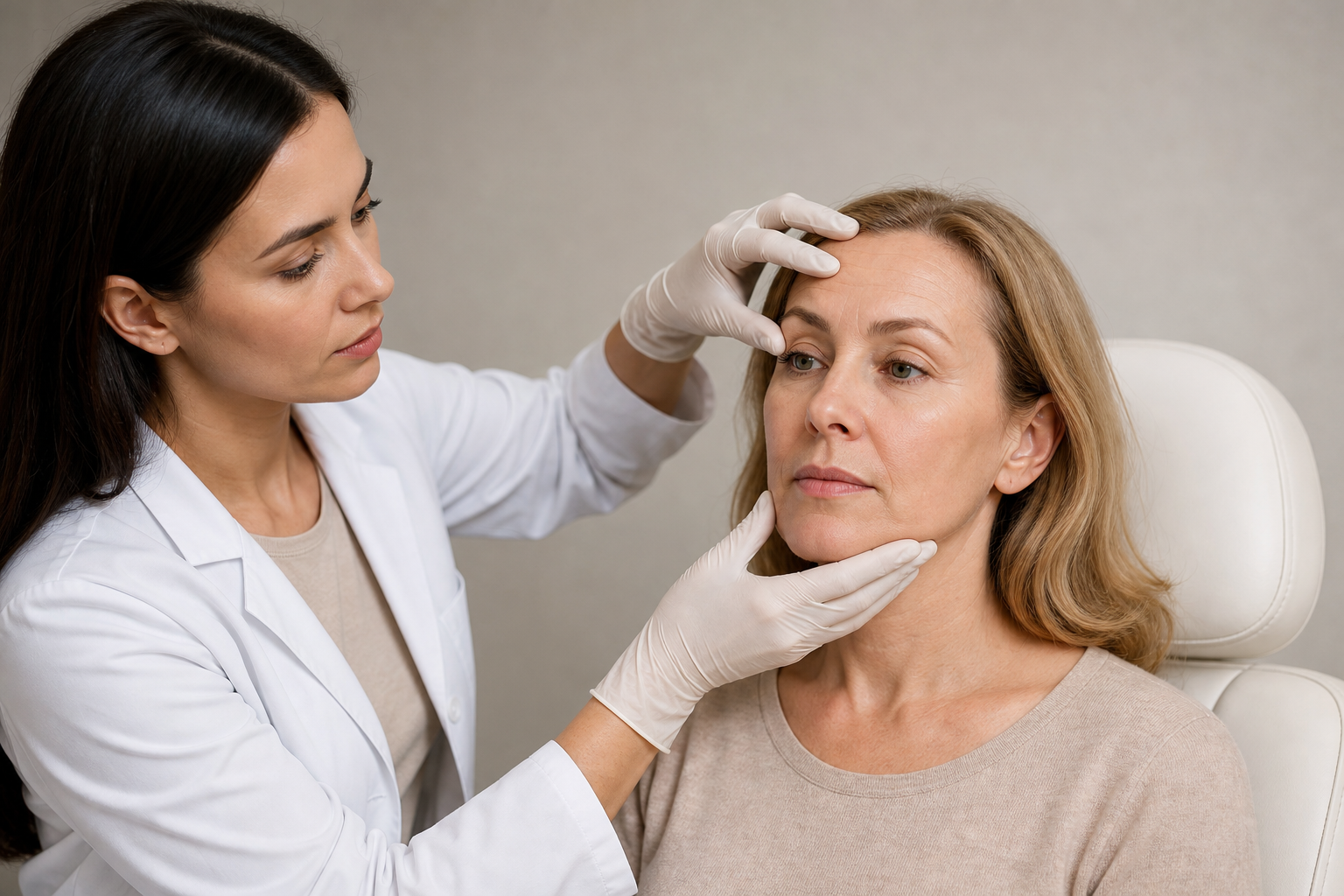
Botox has become a cornerstone of modern aesthetic medicine, renowned for its ability to smooth wrinkles and rejuvenate facial appearance without invasive procedures. However, as with any medical treatment, its application carries potential risks and side effects, one of the most concerning being the drooping of eyebrows post-injection. This complication, though relatively uncommon in skilled hands, can significantly alter facial expression and patient satisfaction, warranting a thorough understanding of its causes, assessment, management, and prevention.
For individuals considering or undergoing Botox treatment, especially in the delicate areas around the eyes and forehead, awareness of possible adverse effects like eyebrow ptosis is crucial. Not only does this knowledge empower patients to make informed decisions, but it also guides clinicians in tailoring treatments that harmonize safety with aesthetic goals. Recognizing drooping eyebrows after Botox extends beyond a mere cosmetic concern; it involves understanding facial biomechanics, neuromuscular interactions, and individualized patient anatomy.
In this editorial, we delve deeply into expert insights on evaluating and addressing eyebrow drooping following Botox injections. Situated within the broader context of adverse reactions and complications in aesthetic treatments, this discussion highlights mechanisms leading to this effect, practical assessment criteria, risk factors, preventive approaches, correction strategies, and guidance on timely professional consultation. Through a precise, educated, and pragmatic lens, the article aims to equip both practitioners and patients with the knowledge to navigate this challenge confidently and safely.
The Neuromuscular Mechanism Behind Eyebrow Drooping Post-Botox
Understanding why eyebrows droop after Botox requires familiarity with the toxin's action at the neuromuscular junction and the intricate muscle balance that maintains eyebrow position. Botox, a purified form of botulinum toxin type A, works by blocking acetylcholine release, thereby causing temporary paralysis of targeted muscles. When strategically administered, it diminishes dynamic wrinkles by reducing underlying muscle activity, most notably in the glabellar complex and forehead.
However, inadvertent diffusion or inaccurate injection into muscles critical for elevating the eyebrows—primarily the frontalis and corrugator supercilii—can upset the equilibrium between lifting and depressing forces. When these lifting muscles are weakened, the eyebrow-controlling muscles responsible for lowering, such as the orbicularis oculi and procerus, predominate, resulting in ptosis or drooping of the brow.
This imbalance not only affects cosmetic appearance by creating asymmetry or a tired, sad expression but, in some cases, can compromise the superior visual field. The subtle interplay among these muscles demands precise technique and detailed anatomical knowledge from practitioners to avoid such complications.
Clinical Evaluation and Diagnostic Criteria for Post-Botox Eyebrow Ptosis
Assessing drooping eyebrows after Botox treatment is a critical step in both identifying the severity of ptosis and planning corrective interventions. Assessment starts with a comprehensive patient history, including baseline facial anatomy, pre-existing asymmetries, and details of the Botox procedure—dose, injection sites, and timing.
Clinically, eyebrow ptosis is characterized by a measurable lowering of the eyebrow margin relative to anatomic landmarks such as the orbital rim or the contralateral brow. Both static and dynamic assessments are essential, observing the brow at rest and during attempted elevation. Photographic documentation offers an objective means to track changes over time. Dynamic muscle analysis helps differentiate true ptosis from compensatory or functional movement limitations.
Additional evaluation includes determining if the ptosis is unilateral or bilateral, the extent of any associated eyelid drooping (which may indicate more extensive toxin spread), and functional impact such as reduced upper visual field or discomfort. Subtle alterations in facial expression, including impaired frowning or raised brows, can also hint at off-target effects.
Expert clinicians often utilize scoring scales or standardized measurement tools to quantify the degree of drooping. Close monitoring within the initial two weeks post-treatment is crucial as toxin effects evolve gradually. Early identification enhances opportunities for timely correction or mitigation strategies.
Identifying Risk Factors That Enhance Susceptibility to Eyebrow Drooping
Although eyebrow ptosis after Botox remains uncommon when performed by trained specialists, certain patient and procedural factors increase vulnerability. A key risk factor lies in individual anatomical variability; patients with naturally heavy brows, low hairlines, or pre-existing mild ptosis may be prone to more noticeable descent post-injection.
Procedural factors include excessive dosage, inaccurate targeting, or injection depth errors, particularly in the glabellar or forehead regions where muscle layers overlap. Overly aggressive weakening of the frontalis muscle removes critical lifting tone, and diffusion of toxin into adjacent depressor muscles further exacerbates imbalance.
Additional considerations encompass the patient’s age and skin quality, as older individuals often have diminished skin elasticity and muscle tone, increasing drooping risk. Neuromuscular conditions affecting muscle responsiveness or nervous transmission, such as myasthenia gravis, heighten complication risks.
Previous aesthetic procedures, including multiple Botox treatments or dermal fillers, can alter tissue characteristics and toxin kinetics, necessitating dose adjustments. Awareness and identification of these factors during consultation aid in risk stratification and individualized treatment planning.
Evidence-Based Strategies to Prevent Eyebrow Drooping in Botox Treatments
Prevention of eyebrow ptosis hinges on meticulous pre-procedure evaluation, injection planning, and execution by experienced practitioners. A thorough facial examination to assess muscle strength, brow position, and skin laxity informs customized injection maps aimed at preserving muscle balance.
Dose titration is vital; minimal effective units should be injected in areas responsible for wrinkles while sparing muscles that sustain brow elevation. Techniques like aspirating before injection, using smaller gauge needles, and injecting slowly reduce toxin spread risks. Employing advanced tools such as electromyography guidance can enhance precision in complex cases.
Clinicians must educate patients on post-procedure care to avoid mechanical displacement of toxin, such as refraining from rubbing or applying pressure to treated zones within the first 24 to 48 hours. Scheduling follow-up visits allows practitioners to monitor response and adapt plans as needed.
Continuous professional development and adherence to evolving clinical guidelines contribute to minimizing incidence rates of eyebrow drooping. Patient selection criteria and cautious application in higher-risk individuals further enhance safety profiles.
Therapeutic Approaches and Corrective Options for Managing Post-Botox Brow Ptosis
If eyebrow drooping occurs despite preventive efforts, a range of corrective options exists depending on severity and patient preferences. Given that Botox effects are temporary—typically lasting three to four months—many mild cases resolve spontaneously with watchful waiting.
Adjunctive non-surgical interventions include the use of hyaluronic acid fillers strategically placed to provide mechanical lifting support to the brow area. These fillers restore volume and counteract gravity’s pull, resulting in temporary aesthetic improvement.
In some instances, low-dose Botox injections targeted at depressor muscles such as the orbicularis oculi or procerus can rebalance muscular forces, thereby elevating the brow. This approach requires nuanced understanding and caution to avoid compounding muscle weakness.
For persistent or severe ptosis compromising function or causing significant distress, surgical options like direct brow lift or upper eyelid blepharoplasty may be considered. Such interventions carry their own risks and require thorough evaluation.
Throughout management, patient communication and expectation-setting remain paramount. Individualized treatment plans, informed consent, and longitudinal follow-up ensure optimal outcomes and patient satisfaction.
The Importance of Timely Professional Consultation and Post-Treatment Monitoring
Early recognition and intervention are key to mitigating eyebrow drooping complications after Botox injections. Patients should be encouraged to report any changes in brow position, eyelid function, or facial expression within the first two weeks post-treatment, as this window represents peak toxin activity onset.
Returning to the administering practitioner or seeking evaluation from an experienced aesthetic specialist facilitates accurate diagnosis and personalized intervention. Immediate self-management tactics such as massaging or applying heat are discouraged due to potential worsening of symptoms.
Regular post-treatment appointments to track clinical progress, assess functional impact, and counsel patients represent essential elements of comprehensive care. Structured follow-up protocols enable early correction, adjustment of future treatment plans, and reinforce safety standards.
By fostering open communication, robust clinical oversight, and patient education, healthcare providers establish trust and reduce anxiety associated with adverse reactions, thereby enhancing the overall therapeutic experience.