Laser hair removal has become one of the most sought-after cosmetic procedures for those aiming to achieve long-lasting smooth skin. By using concentrated beams of light to target hair follicles, this advanced treatment offers a reduction in unwanted hair growth with results that can last for months or even years. However, the procedure doesn't end when the laser session finishes. What you do after laser hair removal plays a pivotal role in determining the overall effectiveness and safety of the treatment.
This comprehensive guide is designed for anyone undergoing or considering laser hair removal, whether it's their first session or part of an ongoing regimen. Understanding post-treatment care is essential for protecting sensitive skin, promoting healing, and minimizing potential side effects such as redness, irritation, or folliculitis. Adhering to appropriate aftercare instructions not only enhances skin comfort but also supports optimal, long-term results.
As laser technology continues to evolve, emphasizing safe and effective aftercare becomes equally important as the procedure itself. This article elucidates the key strategies and precautions to take immediately following laser hair removal, including monitoring skin reactions, using gentle cooling, maintaining proper hygiene, moisturizing effectively, prioritizing sun protection, choosing suitable clothing, and knowing when to seek professional advice. Importantly, while these recommendations provide a practical framework, individualized clinic instructions should always take precedence.
What Immediate Steps Should You Take Right After Laser Hair Removal?
Immediately following a laser hair removal session, the treated skin area often exhibits responses similar to a mild sunburn. Commonly, you may notice redness, slight swelling, tenderness, or a warm sensation. These are typical inflammatory reactions resulting from the laser's action on hair follicles and the surrounding skin, and they usually subside within a few hours to days.
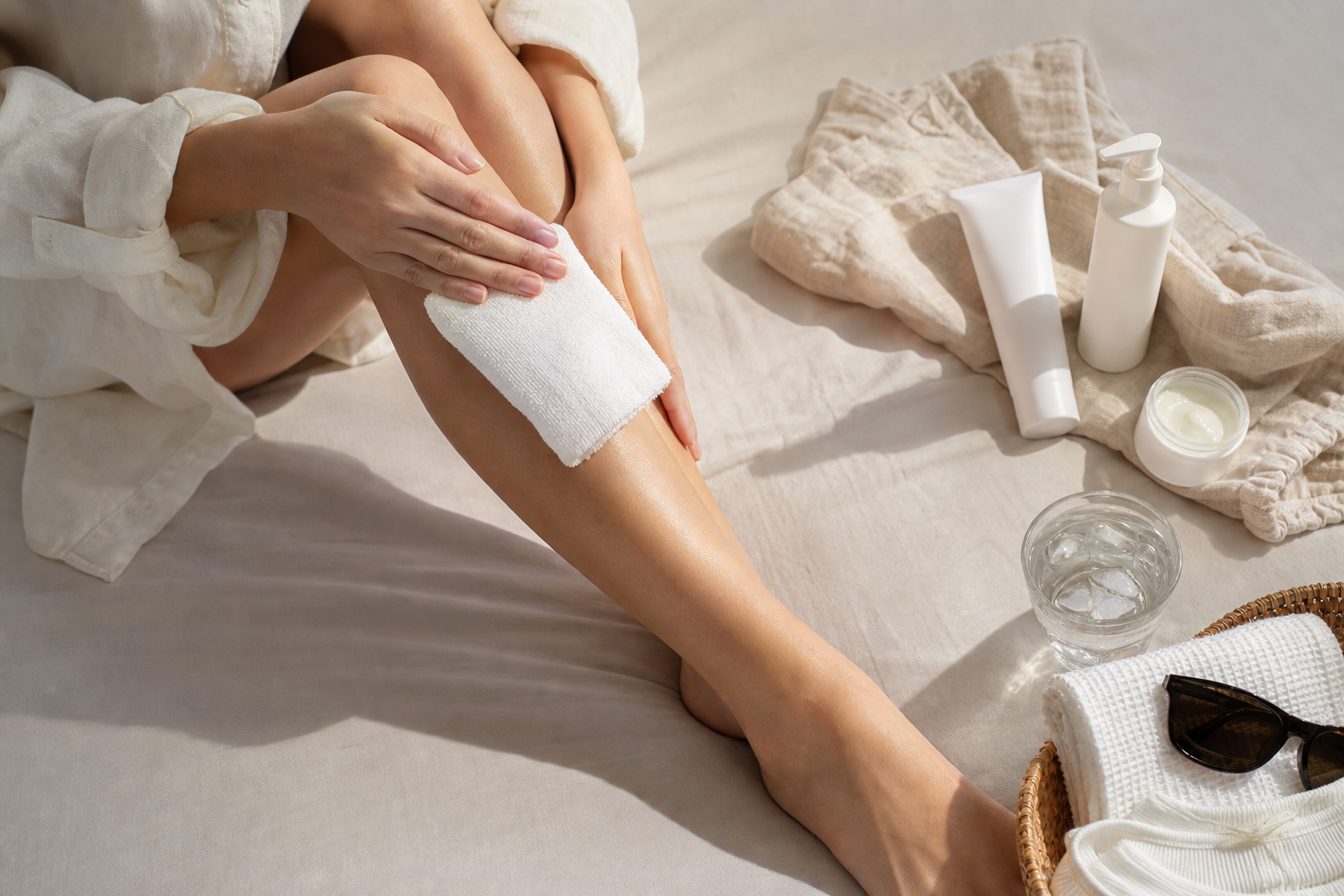
One of the first and most effective methods to alleviate discomfort after your treatment involves gentle cooling. Applying cold compresses—such as a cool, damp cloth or gel packs wrapped in a soft fabric—can soothe the skin, reduce inflammation, and minimize swelling. It is crucial to avoid applying ice directly to the skin, as this may cause frostbite or additional irritation. Follow your clinic's guidance on duration and frequency of cooling to avoid overtreatment.
In this immediate phase, it is paramount to avoid activities or environments that increase body temperature or cause excessive sweating. This includes hot showers, baths, saunas, steam rooms, vigorous exercise, or exposure to heat sources. Elevated temperature and sweat can exacerbate skin irritation and prolong inflammation, potentially hindering the healing process.
How Should You Cleanse and Moisturize Your Skin After Laser Hair Removal?
Once the initial redness and warmth reduce, typically within 24 to 48 hours, focus should shift toward maintaining gentle skin care. The skin, having undergone a delicate procedure, requires mild cleansing routines to prevent infection and promote recovery without causing further irritation.
Use lukewarm water and a fragrance-free, gentle cleanser specifically formulated for sensitive skin. Avoid overheated water and harsh soaps that strip natural oils or disrupt the skin’s barrier. After washing, gently pat the area dry using a soft towel—do not rub or scrub to prevent microabrasions.
Hydration is a key component of post-laser hair removal care. Moisturizers containing soothing and reparative ingredients such as aloe vera, panthenol, and hyaluronic acid help replenish moisture and support the restoration of skin integrity. However, it is important to avoid products with fragrances, dyes, alcohol, or active ingredients like retinoids, alpha hydroxy acids, or fragrances until your skin fully recovers.
Clinics often recommend specific creams or ointments tailored for post-laser treatment that can accelerate healing and reduce inflammation. Following these professional recommendations ensures the best compatibility and safety for treated skin.
What Role Does Sun Protection Play After Laser Hair Removal?
UV radiation from the sun can have a pronounced and adverse effect on skin immediately following laser hair removal. The treated skin is especially vulnerable to ultraviolet rays, raising the risk of post-inflammatory hyperpigmentation, redness that may linger, and in some cases, permanent discoloration.
Protecting your skin from sun exposure is crucial for at least two weeks following the treatment, with some experts advising up to a month of diligent caution depending on skin type and treatment intensity. Daily application of a broad-spectrum sunscreen with a minimum SPF of 30 is essential, even on cloudy days or when indoors near windows.
When applying sunscreen, ensure thorough coverage of the treated area and reapply every two hours during outdoor exposure, or more frequently if sweating or after water contact. Additionally, wearing protective clothing made from natural, breathable fabrics like cotton and hats with wide brims can further shield the skin from harmful rays.
What Kind of Clothing Is Recommended Post-Treatment and Why?
The choices you make regarding your wardrobe after laser hair removal significantly influence the healing environment of your skin. Tight or abrasive garments can cause friction, trapping sweat and bacteria against sensitive areas, leading to discomfort or infections such as folliculitis.
It is advisable to wear loose-fitting clothes made from soft, natural fibers that allow the skin to breathe freely. Fabrics such as cotton or bamboo reduce the risk of irritation and help maintain a cool microclimate around the treated region. Particularly for sessions involving legs, underarms, or bikini areas, avoiding synthetic or restrictive clothing minimizes pressure and chafing.
During the recovery period, aim for clothing that does not compress or rub the skin, thereby preventing unnecessary trauma that might impede recovery or provoke redness and swelling.
How Can You Monitor Your Skin’s Response to Laser Hair Removal Effectively?
Close observation of your skin following a laser hair removal session is essential to gauge the normal healing process and detect any warning signs promptly. Regularly inspect the treated areas for changes in redness intensity, swelling, blistering, oozing, or unusual discomfort.
Typical reactions such as mild redness, slight tenderness, or flaking are expected and generally resolve without intervention. However, if you experience increasing pain, spreading redness, pus formation, breaks in the skin, or systemic symptoms like fever, these could indicate infection or adverse reactions requiring immediate consultation with your treatment provider.
Having ongoing communication with your clinic or dermatologist ensures personalized advice adapted to your individual circumstances. Many clinics provide follow-up appointments or hotlines for concerns arising after sessions, which should be utilized without hesitation.
What Are the Red Flags That Require Immediate Professional Attention?
While most side effects following laser hair removal are transient and manageable at home, recognizing critical symptoms early can prevent complications. Seek medical advice promptly if you notice any of the following:
Severe or Increasing Pain: Beyond mild discomfort, escalating pain may signal nerve irritation or injury requiring evaluation.
Extensive Redness or Swelling: If inflammation spreads rapidly or worsens rather than diminishing over a few days, this could denote infection or an allergic reaction.
Blistering or Open Wounds: The appearance of blisters, raw areas, or persistent sores may warrant specialized care to avoid scarring or secondary infections.
Pus or Discharge: Any oozing of yellow or greenish fluid is often a sign of bacterial infection.
Systemic Symptoms: Fever, chills, or general malaise accompanying local skin changes should prompt urgent assessment.
How Should You Coordinate With Your Treatment Provider After Laser Hair Removal?
Maintaining open communication channels with your laser hair removal specialist is vital throughout your treatment course. They can provide tailored advice based on your skin type, treatment area, and progress, adjust schedules if needed, and recommend supportive products.
Most clinics emphasize the importance of reporting unexpected symptoms or concerns promptly. Many issues can be managed effectively with early intervention, but self-medicating or ignoring symptoms may worsen outcomes. Always rely on the expertise of licensed professionals rather than unverified sources or anecdotal advice.
Furthermore, your provider can guide you on the timing and suitability of subsequent sessions, caring for your skin between appointments, and whether alternative methods should be considered based on your skin’s response.
When Is It Safe to Resume Regular Activities Like Swimming or Exercise?
After laser hair removal, your skin needs time to recover from thermal damage caused by the procedure. Immersing treated skin in chlorinated pools, hot tubs, or engaging in strenuous workouts that cause excessive sweating should be avoided for at least 48 to 72 hours post-treatment.
Heat, bacteria in water, and mechanical irritation from physical activity increase the likelihood of irritation and infections. Returning to your normal routine too soon could counteract the benefits of the treatment or provoke adverse reactions.
Before resuming swimming or vigorous exercise, ensure that the skin feels settled and free of significant redness or tenderness. If uncertain, discuss with your clinic for personalized guidance.
What Not to Do After Laser Hair Removal?
It is equally important to understand and strictly avoid certain actions following laser hair removal to protect your skin and maximize treatment effects. Some common practices to avoid include:
Using hot water or harsh exfoliants: These can strip natural oils and disrupt recovery.
Applying perfumed or irritating skincare products: Fragrances and alcohol-based products may exacerbate sensitivity.
Engaging in hair removal techniques that pull hair out, such as waxing or plucking: These can interfere with follicle targeting during subsequent sessions.
Exposing treated areas to direct sunlight without protection: Increases risk of pigmentation issues.
Wearing tight or synthetic clothing that traps sweat: May aggravate irritation and cause folliculitis.
For a detailed list of contraindicated behaviors and precautions, consult reputable resources and your treatment provider. Avoiding these pitfalls will enhance comfort and outcomes significantly.


