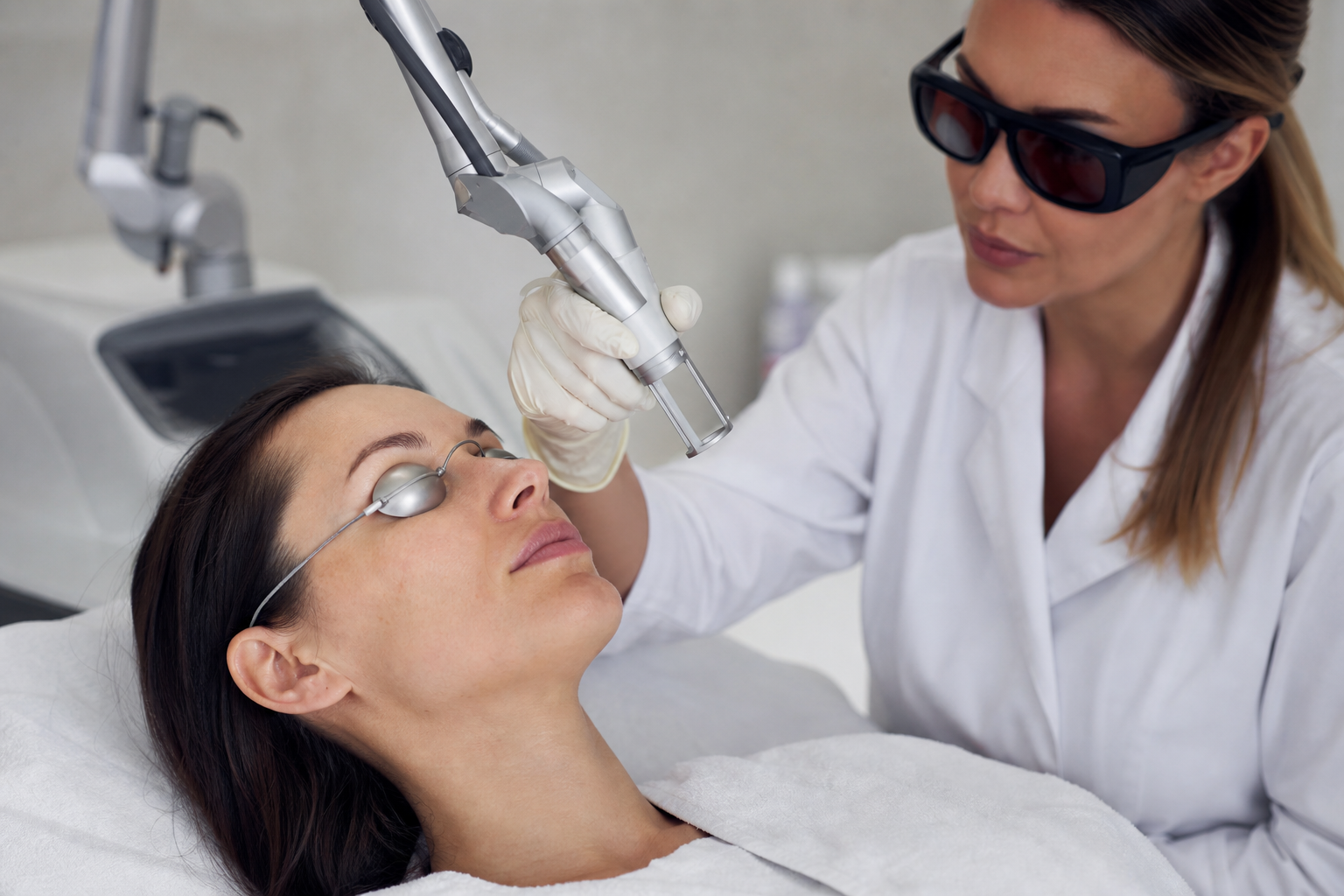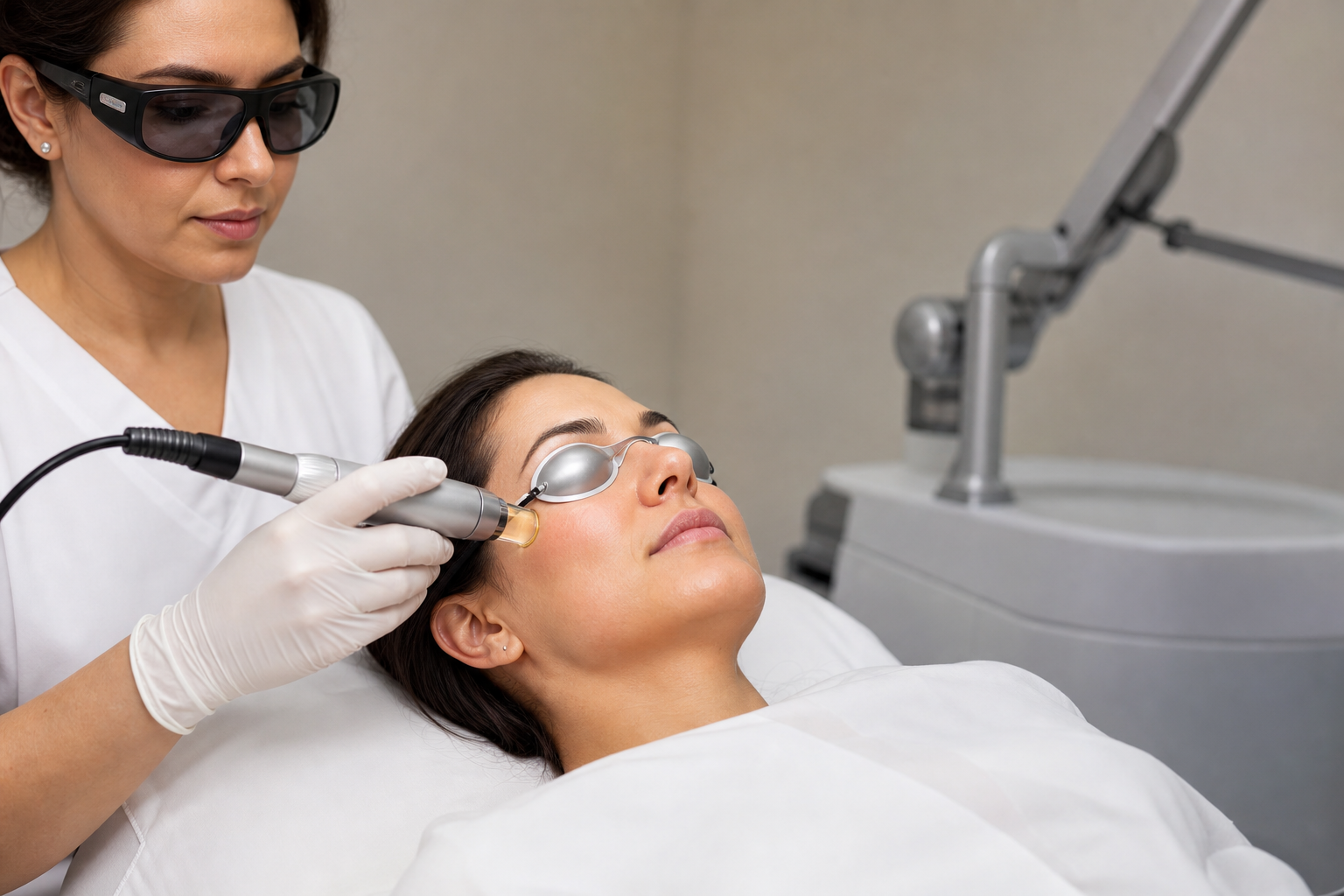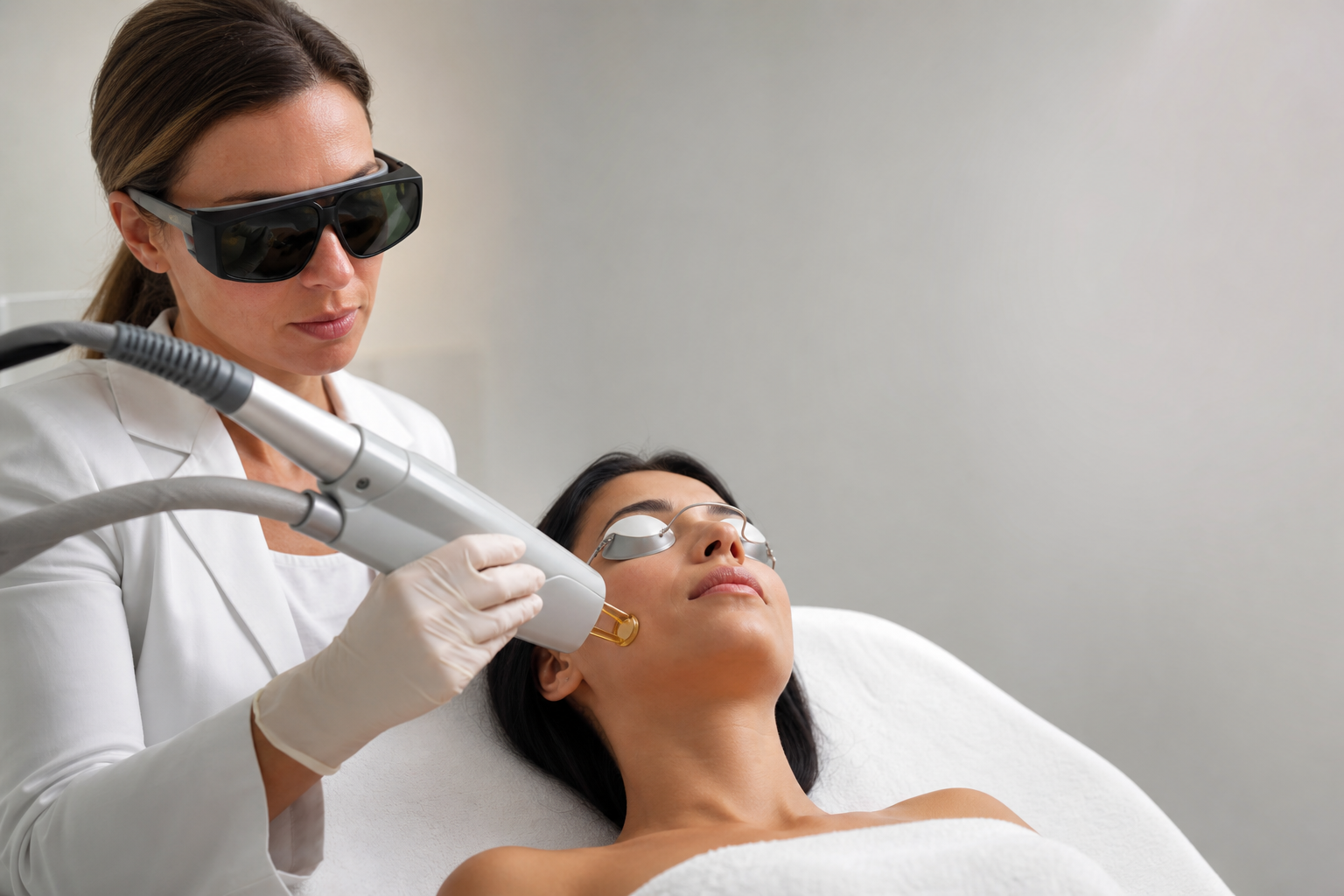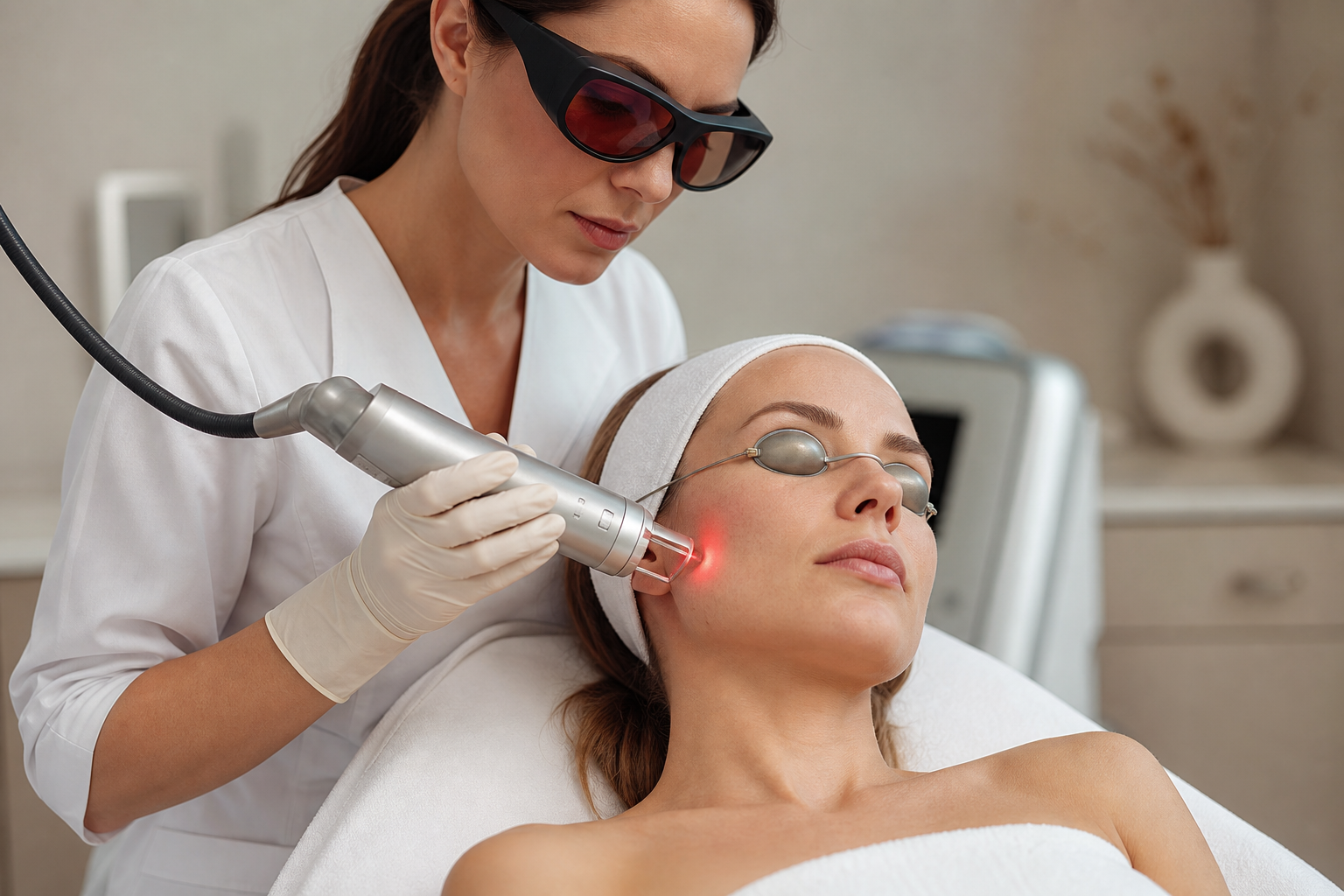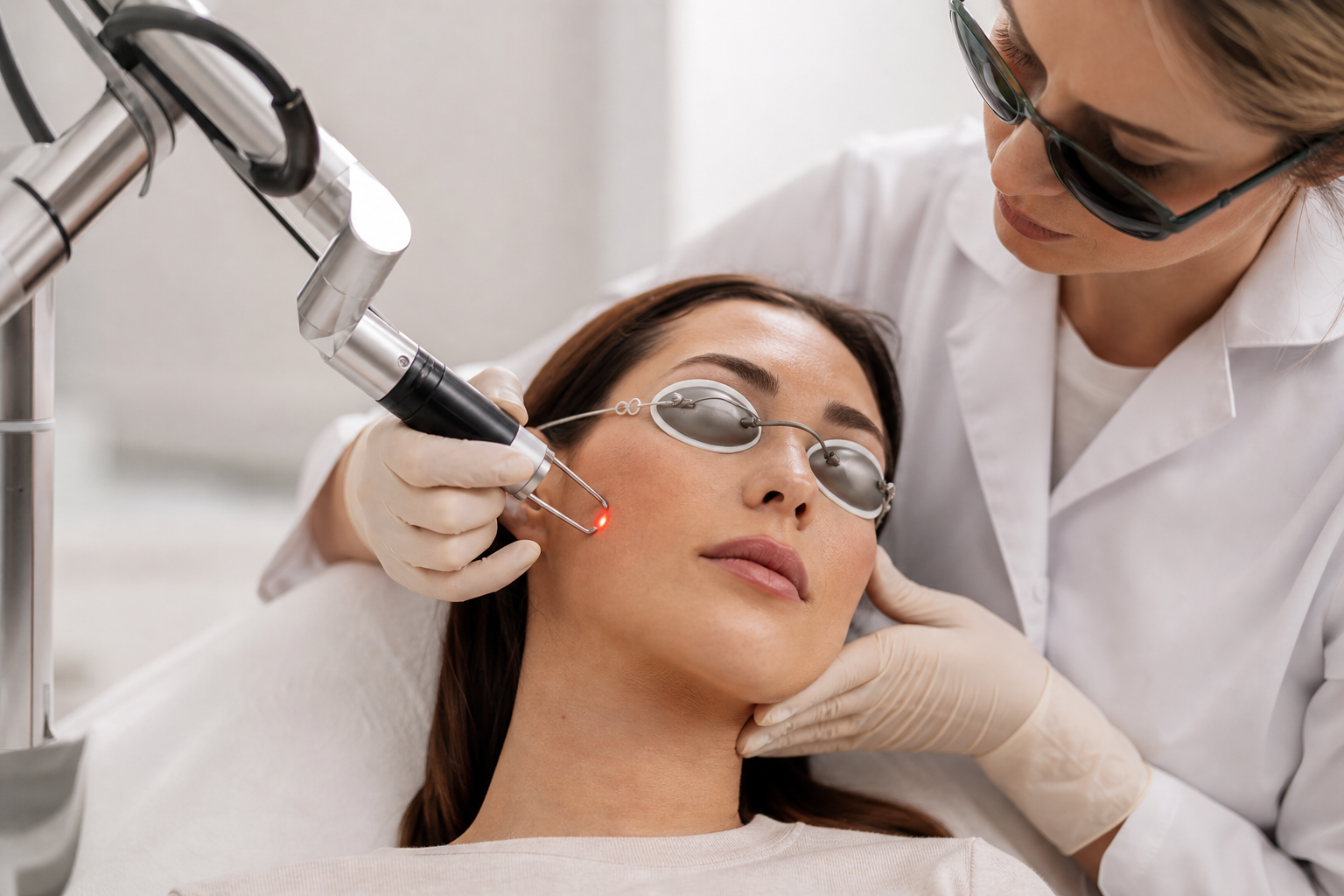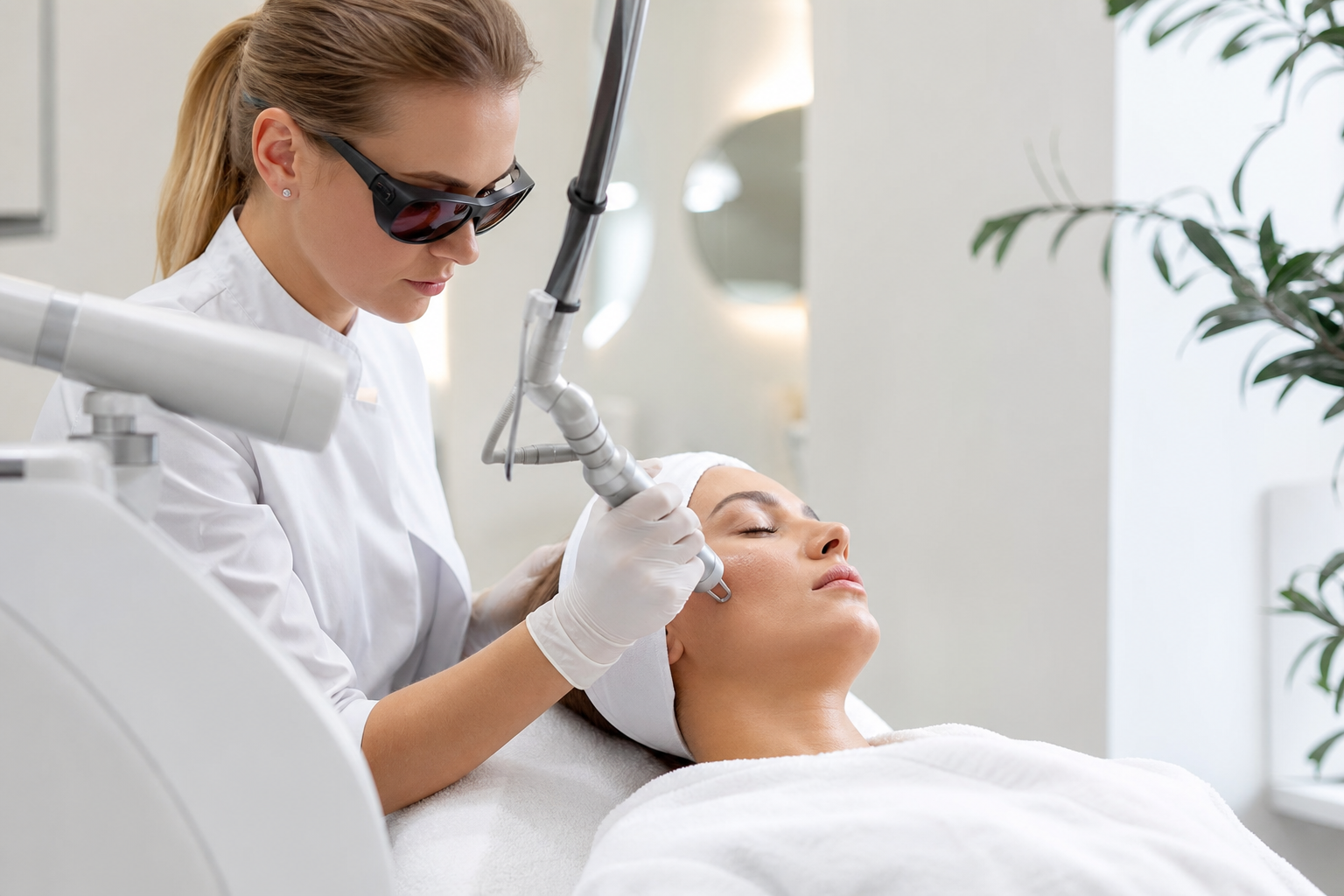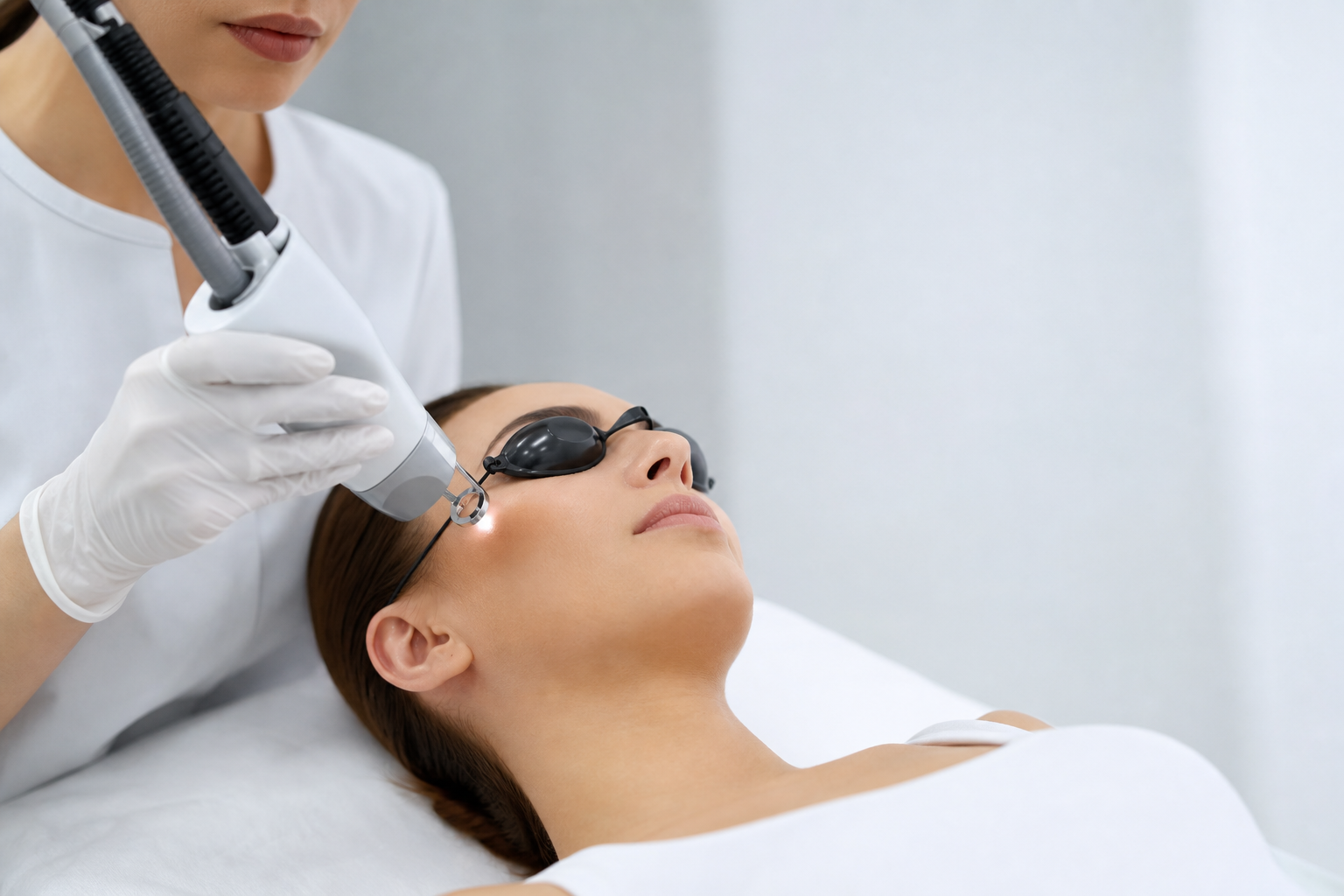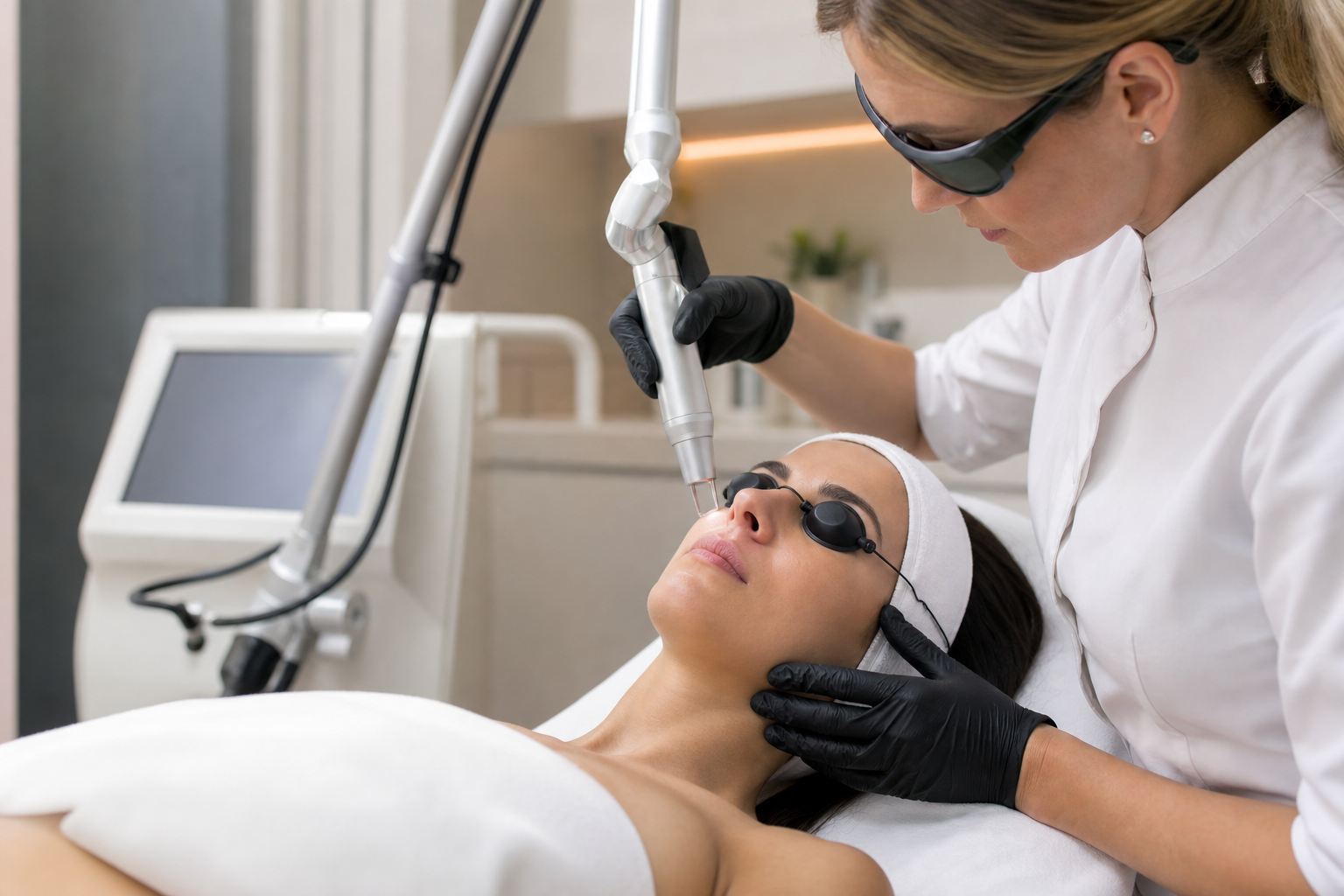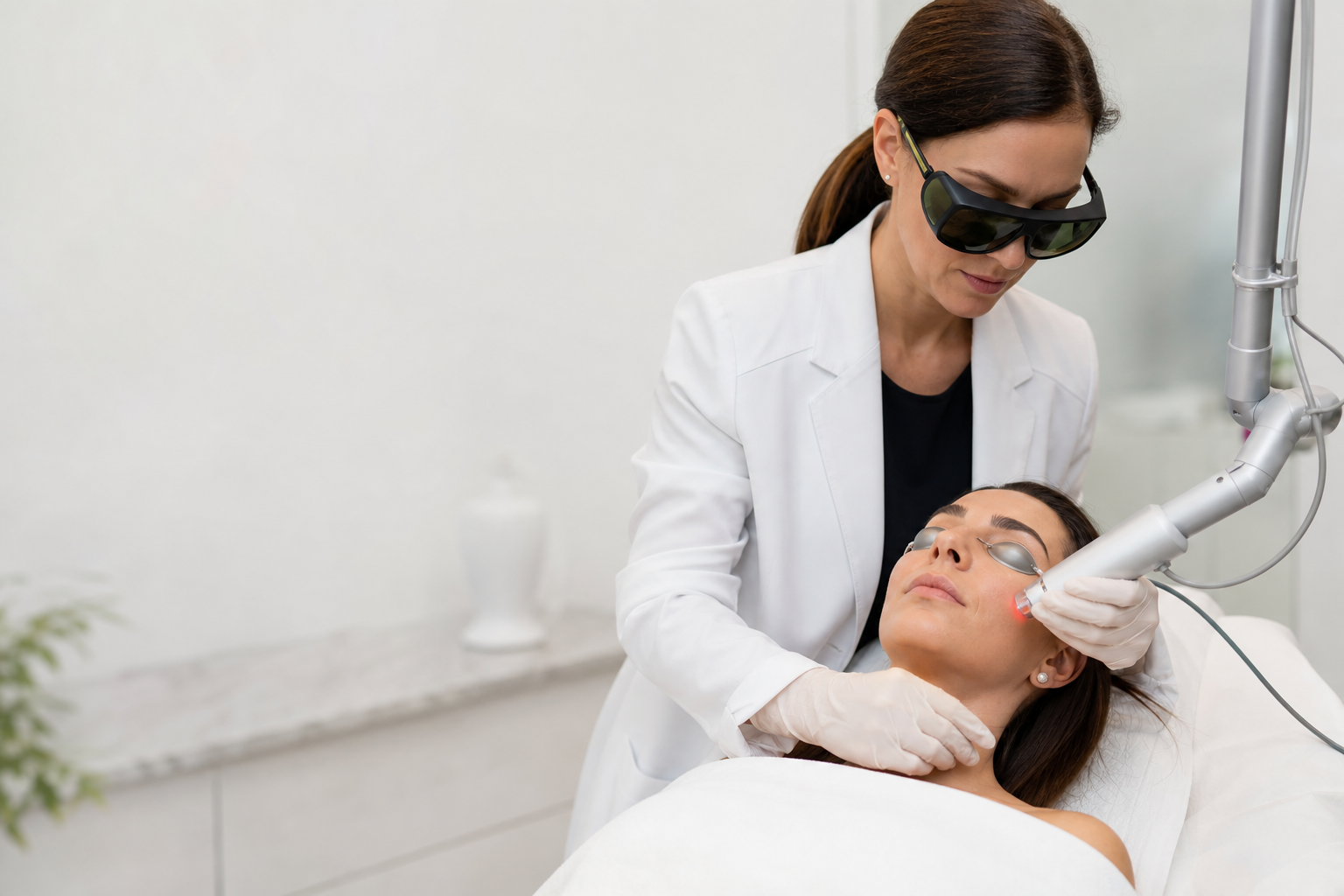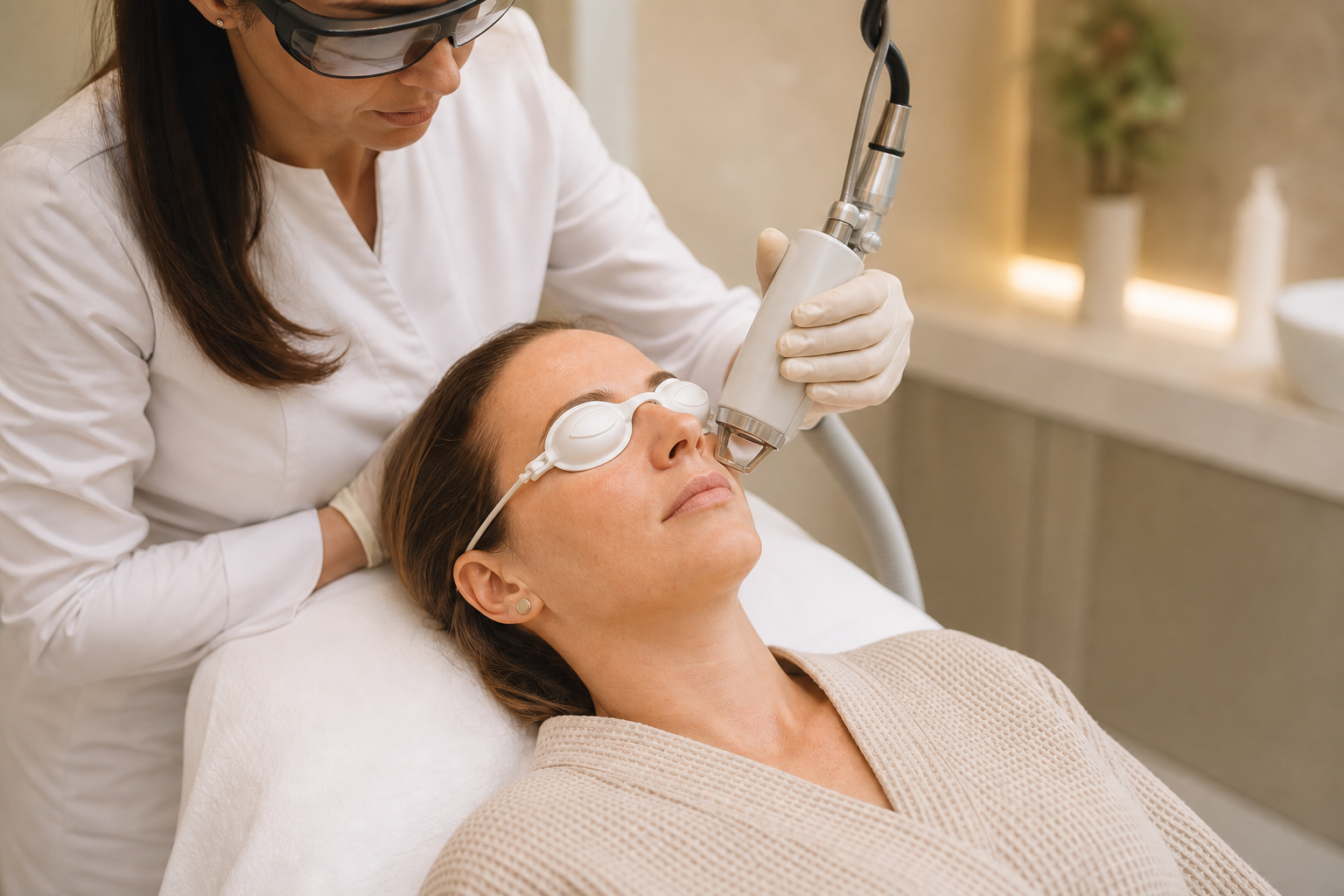
Pigmentation disorders, characterized by the appearance of unwanted dark spots, uneven skin tone, and various discolorations, are among the most common dermatological concerns worldwide. These conditions—ranging from benign lentigines and melasma to post-inflammatory hyperpigmentation—can significantly affect one's self-esteem and quality of life. Modern advances in dermatology have introduced laser treatment as a leading method for effectively addressing pigmentation issues, providing targeted and lasting improvements in skin appearance.
This article aims to explore the diverse range of lasers used for pigmentation treatment, elucidating their mechanisms, suitable indications, advantages, and limitations. By understanding the principles behind laser technologies such as Q-switched Nd:YAG, picosecond and nanosecond lasers, alexandrite and ruby systems, as well as fractional and ablative lasers like Er:YAG and CO2, patients and practitioners can make informed decisions tailored to specific pigmentation challenges. Furthermore, a comparative perspective with other options like Intense Pulsed Light (IPL) will deepen comprehension of treatment effectiveness and scope.
Whether you are a dermatologist seeking to expand your knowledge, a patient exploring treatment options, or an aesthetic professional aiming to optimize outcomes, grasping which lasers are best suited for pigment correction is critical. This knowledge not only enhances treatment safety and efficacy but also ensures realistic expectations and maximizes patient satisfaction.
What Is Selective Photothermolysis and Why Is It Central to Laser Pigmentation Treatment?
The foundational concept behind laser-based pigment removal is selective photothermolysis, a process where specific wavelengths of light selectively target pigment molecules—primarily melanin—within the skin, without damaging surrounding tissues. This specificity arises from the careful selection of laser wavelengths that are preferentially absorbed by pigment chromophores.
When the laser energy is absorbed by melanin, it converts to heat, fragmenting pigment particles into smaller fragments that are naturally cleared away by the body's lymphatic system. The duration of laser pulses, measured in nanoseconds or even picoseconds, is critical in ensuring that the energy is delivered rapidly enough to shatter pigment granules without dissipating heat to adjacent skin structures, thus preserving overall skin integrity.
This precision minimizes adverse effects such as scarring or unwanted pigment changes, making lasers highly effective and safe for pigmentation correction when administered properly. The principle of selective photothermolysis underlies the use of various laser systems tailored to different skin types, depths, and pigmentations.
Which Lasers Are Commonly Used for Pigmentation, and How Do Their Wavelengths Affect Treatment?
Several laser types are prominent in the treatment of pigmentation, each defined by their emission wavelength, pulse duration, and mode of interaction with skin pigment. These characteristics influence their suitability for targeting specific pigmentary disorders and skin types.
Q-switched Nd:YAG Laser: Operating at a wavelength of 1064 nm, this laser is optimal for treating deeper and darker pigmentations, including melasma and sunspots, particularly in patients with darker skin phototypes due to its deeper penetration and lower melanin absorption in the epidermis. It emits pulses in the nanosecond range, allowing effective fragmentation of pigment.
Picosecond and Nanosecond Lasers: Representing an advancement over traditional Q-switched lasers, picosecond lasers deliver ultra-short pulses measured in trillionths of a second. This ultra-rapid energy release produces a photoacoustic effect that more precisely shatters pigment particles, resulting in more efficient clearance with less collateral damage. They are particularly effective for stubborn pigmented lesions and tattoo removal.
Alexandrite Laser: With a wavelength of 755 nm, alexandrite lasers are absorbed strongly by melanin, making them suitable for superficial pigmentary lesions in individuals with lighter skin tones. Their pulse duration and energy parameters enable efficient targeting of lentigines and ephelides.
Ruby Laser: Emitting at 694 nm, ruby lasers have been some of the earliest used for pigment removal. Though less commonly employed today due to longer pulse durations and higher risks of side effects, they remain applicable for select pigment disorders and tattoo removal.
Fractional Lasers (Ablative and Non-Ablative): Fractional laser technology delivers laser energy in microscopic columns, treating fractions of the skin and promoting regeneration. Ablative variants, such as Er:YAG (2940 nm) and CO2 (10,600 nm) lasers, remove layers of skin, effectively treating pigmented lesions with a rejuvenation effect. Non-ablative fractional lasers stimulate dermal collagen remodeling with less downtime, benefiting moderate pigmentation combined with textural irregularities.
How Do Q-switched Nd:YAG and Picosecond Lasers Compare in Treating Pigmentation?
The Q-switched Nd:YAG laser has long been a workhorse for treating various pigmentation abnormalities. It utilizes nanosecond pulses to break down pigment efficiently, suitable for a wide range of dermal and epidermal pigmentation. Its advantage lies in safety and deeper penetration, particularly for Fitzpatrick skin types IV to VI. However, treatment sessions may be relatively longer, and some pigmented lesions can be resistant.
In contrast, picosecond lasers, with their tremendously brief pulse widths, generate a stronger photoacoustic effect that fragments pigment into much smaller particles. This enhances clearance efficiency, often requiring fewer sessions and reducing thermal injury risk. Picosecond technology is proving superior in managing recalcitrant pigmentations and some tattoo inks.
Despite these advantages, picosecond lasers can be costlier and less widely available, limiting access for some patients. The choice between these lasers depends on pigment depth, skin type, lesion characteristics, and patient preference.
When Are Alexandrite and Ruby Lasers Best Applied for Pigment Removal?
The alexandrite laser’s 755 nm wavelength targets melanin strongly within the superficial layers of skin, making it an excellent choice for treating epidermal pigmentation such as solar lentigines and freckles, especially in lighter skin types (I-III). Its energy profile permits effective treatment with relatively low discomfort and fewer sessions.
Ruby lasers, with a 694 nm wavelength, share similar applications but tend to heat the skin more extensively due to longer pulse durations. They have become less favored because of the availability of more precise alternatives. Nonetheless, ruby lasers are occasionally employed in specialized settings, particularly for delicate pigmentation or in tattoo removal protocols.
What Role Do Fractional, Ablative, and Non-Ablative Lasers Play in Pigmentation Treatment?
Fractional lasers differ in mechanism by treating skin via microscopic thermal zones, prompting controlled skin injury that stimulates healing and new collagen production. They are especially valuable for pigmented lesions coupled with photoaging, uneven texture, and scarring.
Ablative fractional lasers such as Er:YAG and CO2 physically vaporize damaged skin layers containing pigment, thus providing dramatic results in pigment correction and skin resurfacing. These treatments, while highly effective, necessitate longer downtime and rigorous post-care to prevent complications.
Non-ablative fractional lasers, conversely, induce skin remodeling without epidermal removal. They are suitable for patients seeking pigmentation improvement with minimal recovery time, though results are typically more gradual and less profound.
How Do Er:YAG and CO2 Lasers Specifically Address Pigmentation and Photoaging?
The Er:YAG laser, emitting light at 2940 nm, is absorbed efficiently by water in the skin, leading to precise ablation of superficial pigmented layers with minimal thermal spread. It is optimal for treating mild to moderate pigmentation and fine lines, offering quicker healing after treatment compared to CO2 lasers.
CO2 lasers operate at 10,600 nm and penetrate deeper layers, vaporizing skin more extensively to tackle deeper pigmentation, wrinkles, and scars. Their potency allows for significant skin rejuvenation effects but comes with an extended recovery period and increased risk for side effects if not properly managed.
In What Ways Does Intense Pulsed Light (IPL) Differ from Laser Treatments for Pigmentation?
IPL technology utilizes broad-spectrum light filtered to target melanin and hemoglobin but lacks the monochromatic and coherent properties of lasers. Consequently, IPL treats a larger skin area but with less precision and penetration depth than lasers.
IPL is effective primarily for superficial pigmentations, including sunspots and redness, with minimal invasiveness and shorter downtime. However, for deeper or more resistant pigment spots, laser treatments—especially Q-switched or picosecond lasers—tend to yield faster and longer-lasting results. Furthermore, IPL often requires maintenance sessions to sustain outcomes.
What Should Patients Anticipate Before, During, and After Laser Pigmentation Treatment?
Preparatory evaluation is vital and includes skin examination, photography, and discussions on expectations and possible risks. Pre-treatment measures involve sun protection and sometimes topical agents to minimize melanin synthesis.
During treatment, patients may experience transient warming, mild stinging, or prickling sensations. The procedure duration depends on lesion size and device type. Post-treatment, temporary redness, swelling, and minor crusting commonly occur, resolving in days to weeks. Adherence to aftercare protocols—including sun avoidance and gentle skincare—is essential to optimize outcomes and prevent complications.
What Are the Limitations and Risks Associated with Laser Pigmentation Therapies?
Although generally safe, laser treatments carry potential risks such as post-inflammatory hyperpigmentation, hypopigmentation, blistering, scarring, and infection—especially when performed incorrectly or on unsuitable skin types. Individuals with darker skin tones necessitate careful laser selection and parameter adjustment to mitigate pigmentary side effects.
Some pigmentations, due to their nature or depth, may respond only partially or require adjunctive therapies. Patient medical history, medications, and skin condition must be thoroughly evaluated to minimize adverse outcomes.