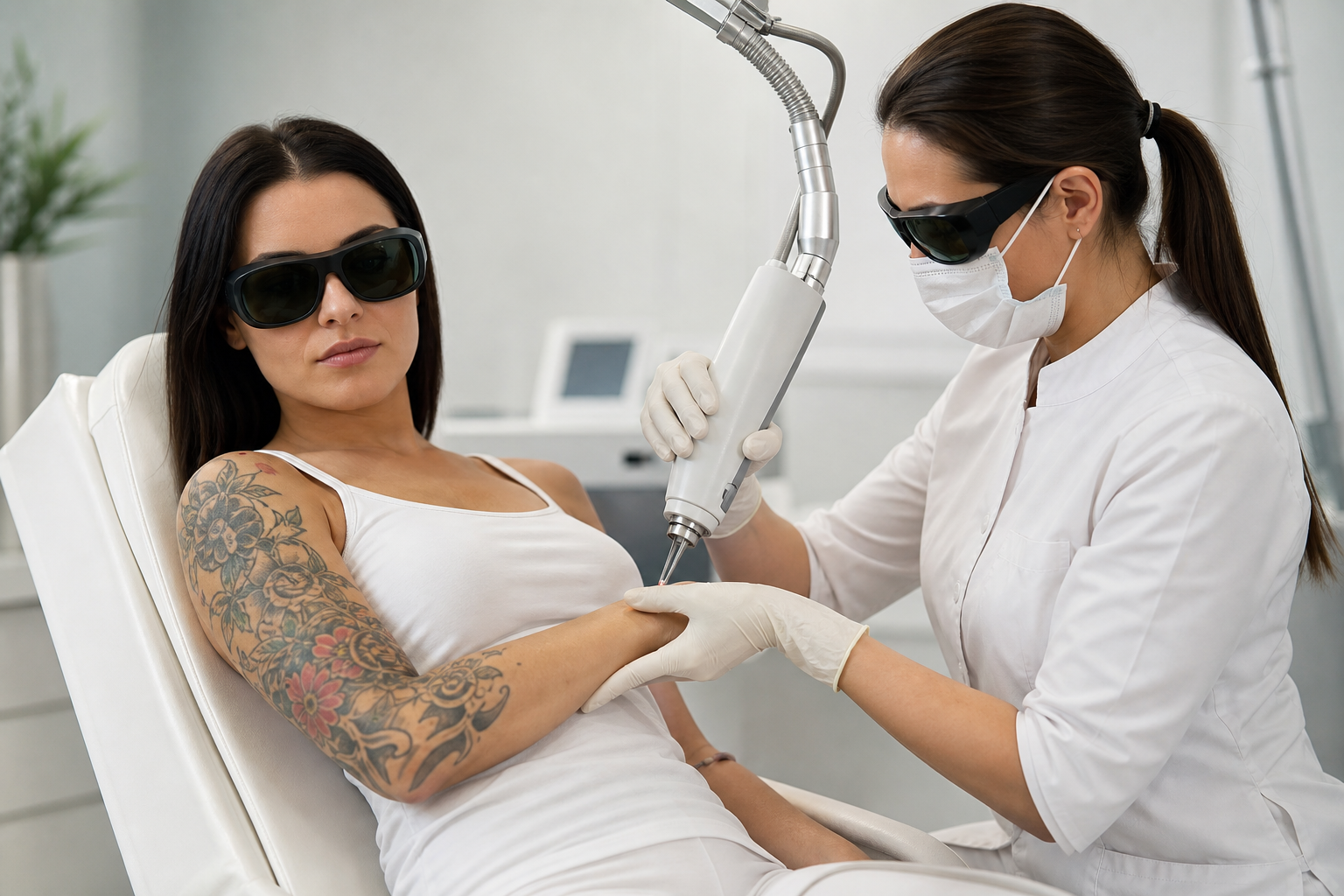
Permanent makeup has become an increasingly popular aesthetic procedure, allowing individuals to enhance features such as eyebrows, lips, and eyelids with long-lasting pigment deposits. Despite its convenience and appeal, there inevitably arise circumstances where people seek to remove or revise their permanent makeup. Motivation for removal may include dissatisfaction with the original results, changes in aesthetic preferences, or medical considerations. Among the removal methods available, laser and chemical procedures stand out as the most commonly employed techniques, each with distinct mechanisms, benefits, challenges, and risks.
This comprehensive exploration is intended for anyone considering permanent makeup removal, as well as professionals in the field of cosmetic dermatology and aesthetics who wish to deepen their understanding of removal options. By elucidating the key differences between laser and chemical permanent makeup removal, the article aims to assist readers in making thoroughly informed choices, understanding procedural intricacies, and managing realistic expectations regarding outcomes and recovery.
Given the complex nature of pigments used in permanent makeup — many of which vary in chemical composition, depth within the skin, and colorimetric properties — an expert, individualized approach is critical. Careful assessment involving test spots and knowledge of potential color shifts is necessary to minimize risks and achieve optimal aesthetic results. With heightened awareness of these differences and considerations, both clients and practitioners can navigate the removal process with greater confidence and safety.
What is Laser Permanent Makeup Removal and How Does It Work?
Laser permanent makeup removal employs targeted light energy to break down pigments embedded in the skin. Specialized laser devices emit high-intensity pulses of light at specific wavelengths that are selectively absorbed by the pigment particles. This absorption causes the pigment to fragment into smaller particles, which can then be naturally eliminated by the body's lymphatic system over time.
The fundamental strength of laser removal lies in its precision: lasers can be tuned to target particular pigment colors while sparing surrounding skin tissue. This specificity reduces collateral skin damage and facilitates a controlled process of pigment fragmentation.
Unlike typical tattoos, permanent makeup pigments are generally deposited shallower in the dermal layers and often consist of mineral and organic pigments that interact variably with wavelengths of light. As a result, the effectiveness of laser removal varies with pigment color. Dark colors such as black or deep blue respond more readily to laser energy, making them ideal candidates for this method. Conversely, warm hues like red, orange, and yellow are notoriously difficult to fully resolve with laser treatment due to their different light absorption characteristics. Therefore, practitioners frequently perform test patches prior to full treatment to observe skin and pigment responses.
How Does Chemical Permanent Makeup Removal Differ From Laser Treatment?
Chemical permanent makeup removal involves topical application of specially formulated chemical agents designed to degrade pigment molecules through a chemical reaction. These substances, which may include various solvents, acids, or enzymatic compounds, penetrate the skin to break down the pigment, allowing it to be expelled from the body.
Unlike laser removal, which uses light energy, chemical removal acts through molecular degradation of pigments. This approach can be beneficial for pigment colors less amenable to laser treatment, such as certain reds or orange tones.
However, chemical removal procedures demand meticulous control and expertise to avoid excessive irritation or damage to the skin. The chemical agents can provoke inflammatory responses, skin discolorations, or even scarring if not judiciously applied within an individualized treatment protocol. Multiple sessions are typically necessary, with intervals allowing skin recovery.
What Are the Common Risks and Side Effects Associated With Both Methods?
Both laser and chemical removal carry inherent risks that patients must understand to make informed decisions.
Laser removal may cause transient redness, swelling, and slight pain at the treatment site. Post-treatment skin can darken (post-inflammatory hyperpigmentation) or lighten (hypopigmentation), with the possibility of paradoxical darkening of the pigment—a phenomenon where pigment temporarily deepens in color upon laser exposure. This underscores the necessity of professional oversight and tailored treatment settings aligned with pigment type.
Chemical removal, meanwhile, may produce more pronounced skin irritation due to the caustic nature of removal agents. Risks include prolonged inflammation, blistering, uneven pigment fading, permanent scarring, and changes in skin texture and tone. The skin’s reaction varies based on individual sensitivity and the chemical formulation used, making professional expertise crucial.
Which Factors Should Be Considered When Choosing Between Laser and Chemical Removal?
The decision to pursue laser or chemical permanent makeup removal hinges on several critical variables.
First and foremost is the nature and color of the pigment. Dark pigments, particularly black and navy blue, generally respond well to laser interventions. Pigments containing red, orange, or yellow may be more responsive to chemical methods or may require a combined approach.
Skin type is another influential factor. Individuals with lighter skin tones often experience fewer pigmentary side effects following laser sessions, while those with darker complexions face a higher risk for color changes, mandating cautious treatment planning.
The treated area's size and location also matter. Laser treatments afford high precision suitable for smaller, delicate areas such as eyebrows or eyeliner zones, whereas chemical methods may be used for larger or more challenging pigment deposits but require careful post-treatment care due to increased skin sensitivity.
Finally, the experience of the practitioner and availability of individualized treatment protocols — including preliminary test spots to assess pigment and skin behavior — profoundly impact treatment choice and success rate.
What Does the Recovery Process Entail After Laser Versus Chemical Removal?
Recovery expectations differ significantly between the two modalities.
Following laser removal, patients can expect mild to moderate redness and swelling lasting a few days. Small crusts or scabs may form on the treated areas, which should not be forcibly removed to prevent scarring. Sun protection and the use of soothing topical agents recommended by professionals are essential to promote healing.
Post-chemical removal recovery tends to be lengthier and more sensitive. Skin irritation can be more intense and prolonged, necessitating diligent application of reparative creams and strict avoidance of irritants or sun exposure. Close follow-up care is essential to monitor healing and adjust treatments to minimize complications.
Is Combining Laser and Chemical Treatments an Effective Strategy?
In certain cases, employing both laser and chemical removal sequentially or in combination can maximize pigment elimination, especially when the pigment composition is complex or involves stubborn colors resistant to a single removal method.
A typical combined protocol might use laser to disrupt darker pigment substances initially, followed by chemical agents to address residual pigment and color shades less responsive to laser light. This approach requires careful patient selection, expert timing, and monitoring to avoid compounded skin trauma.
Why is an Expert and Individualized Approach Essential in Permanent Makeup Removal?
Each client presents a unique combination of skin characteristics, pigment type, and treatment goals. Permanent makeup pigments vary widely in chemical and physical properties, influencing their interaction with removal technologies. Therefore, removal strategies must be tailored on a case-by-case basis.
Pre-treatment test spots enable observation of immediate skin and pigment response, informing safe, effective treatment planning. Experienced practitioners also vigilantly assess for potential adverse reactions such as pigment color shifts or skin texture changes throughout the removal process.
Maintaining adherence to established medical and aesthetic standards within professional environments ensures the highest likelihood of favorable outcomes while minimizing risks. The choice of treatment provider should reflect expertise in both laser technologies and chemical methods, with clear communication and realistic expectation setting.