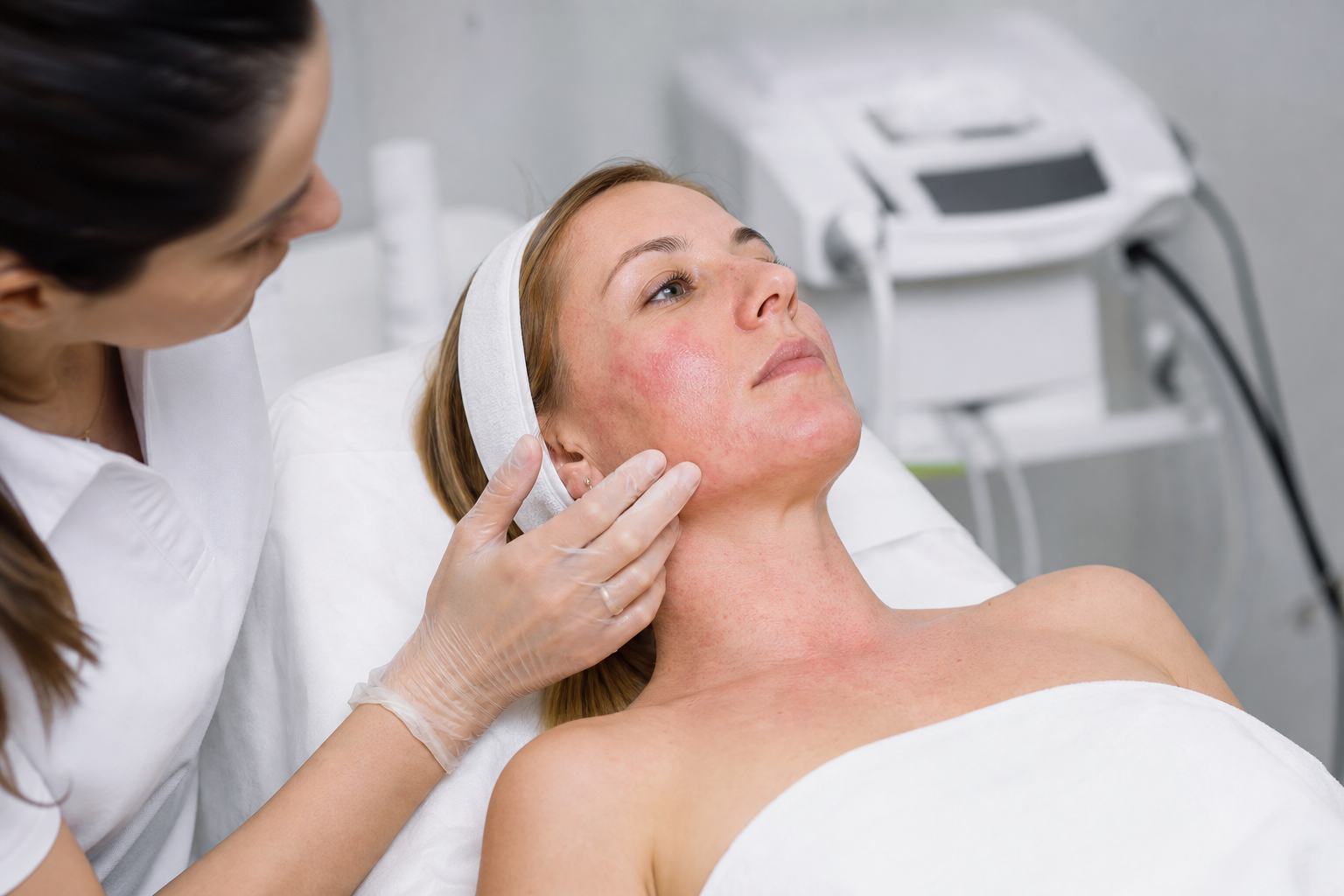
Radiofrequency (RF) treatments have increasingly become a staple in modern aesthetic medicine, renowned for their capacity to induce skin tightening and rejuvenation without invasive surgery. Among the various post-procedural considerations, redness and swelling stand out as the most commonly observed immediate reactions following RF facial procedures. For anyone considering RF facial lifting or other radiofrequency applications, understanding these transient effects is crucial. This article serves those new to RF treatments as well as experienced patients seeking a deeper comprehension of the skin’s response after treatment, providing clarity on what redness and swelling signify, how they present, and how to navigate them safely and effectively.
Essentially, RF facial treatments harness targeted heat generated by radiofrequency waves to stimulate the deeper layers of the skin, promoting collagen and elastin production. While these biologic processes rejuvenate and firm the skin, the immediate aftermath can include visible redness and puffiness, which naturally raises questions and concerns. Knowing why these changes occur, how long they typically last, and what care measures support optimal recovery empowers individuals to approach their RF treatments with confidence and realistic expectations.
This discussion illuminates the mechanisms behind redness and swelling following RF procedures, explores why such effects are generally harmless and temporary, and provides guidance on post-treatment care tailored to minimize discomfort. Moreover, the article delves into the distinctions between different RF modalities—including noninvasive RF facial treatments, fractional RF without needles, and RF microneedling—and their unique implications for skin reactions. By demystifying these common reactions, this editorial underscores the importance of informed preparation, appropriate timing, and expert supervision in achieving the safest, most satisfying outcomes from radiofrequency skin tightening.
What Exactly Is Radiofrequency Skin Tightening and Who Can Benefit From It?
Radiofrequency skin tightening—often called RF facial lifting when applied to the face—is a non-surgical cosmetic procedure that uses controlled radiofrequency energy to heat the dermal layers beneath the skin’s surface. This heating effect stimulates natural skin regeneration processes, particularly collagen and elastin synthesis, two critical proteins responsible for maintaining skin elasticity, firmness, and youthful texture.
RF technology is versatile and has been adapted across different techniques suited to a range of skin conditions and patient goals. From those seeking gentle, gradual improvements in skin laxity to patients aiming to address more pronounced sagging or fine lines, RF treatments offer tailored solutions. The noninvasive nature and relatively minimal downtime make these treatments an appealing alternative for individuals hesitant about surgery or invasive procedures.
People with mild to moderate skin laxity, loss of firmness due to aging, or early signs of wrinkles are typical candidates for RF facial lifting. Sometimes RF treatments are combined with other aesthetic procedures for enhanced results. Importantly, individuals considering RF treatment should have realistic expectations about the results, knowing these methods are best suited for subtle tightening and rejuvenation, rather than dramatic facial restructuring.
How Does Radiofrequency Treatment Work and Why Do Redness and Swelling Occur?
The fundamental principle behind RF treatments involves delivering precisely controlled radiofrequency energy to heat the deeper dermis layers while keeping the epidermis—the outer skin layer—intact and unharmed. This selective heating spurs fibroblast activity, leading to increased collagen production, which helps restore skin firmness over time.
However, the immediate thermal impact activates a local inflammatory response, a natural part of tissue repair and regeneration. This process entails vasodilation—the widening of small blood vessels—increasing blood flow to the treated area. The increased circulation causes the visible redness often noticed just after treatment.
Simultaneously, mild to moderate swelling, or edema, may occur as part of this inflammatory cascade. The body's immune cells migrate to the heated tissue to clear any cellular debris and support regeneration. This localized immune activity combined with increased fluid accumulation leads to puffiness or swelling of the skin in the hours or days following the procedure.
These responses vary depending on the intensity and depth of the RF treatment delivered. More invasive or deeper penetrating methods, such as RF microneedling, tend to provoke more pronounced redness and swelling compared to noninvasive surface RF treatments.
What Are the Differences Between Noninvasive RF, Fractional RF Without Needles, and RF Microneedling Regarding Skin Reactions?
Understanding the types of RF treatments helps patients anticipate the extent and nature of post-treatment redness and swelling.
Noninvasive RF Treatments: These usually involve handpieces that glide over the skin surface, applying heat without breaking the skin barrier. They typically induce mild redness lasting a few hours and minimal swelling, enabling quick return to daily activities.
Fractional RF Without Needles: This modality delivers RF energy in a fractionated pattern, accessing deeper layers via electromagnetic pulses that create microthermal zones without physically puncturing the skin. Here, redness may last longer—up to a couple of days—and slight swelling is more common but still generally mild.
RF Microneedling: This is a minimally invasive approach where fine needles penetrate the skin, simultaneously delivering RF energy deep into the dermis. As a result, redness is more intense and persistent, swelling is more noticeable, and some mild bruising can occur. The healing period is longer, usually about three to five days, requiring more diligent aftercare to minimize discomfort and reduce inflammation.
The choice among these modalities depends on the individual’s skin concerns, tolerance for downtime, and goals regarding the degree of skin tightening and rejuvenation.
How Long Do Redness and Swelling After RF Treatments Last, and When Should One Be Concerned?
Typically, the duration of redness and swelling depends considerably on the treatment type and individual skin response:
- For noninvasive RF facial treatments, redness usually resolves within a few hours to a day and swelling is rare or very mild.
- With fractional RF without needles, redness can persist up to 48-72 hours, with mild swelling that similarly resolves during this timeframe.
- RF microneedling tends to generate redness and swelling lasting three to five days, potentially accompanied by minor bruising or tightness.
While these symptoms are normal and expected due to tissue stimulation, certain signs warrant medical attention. Prolonged redness beyond a week, increasing or severe swelling, intense pain, signs of infection (such as pus, warmth, or fever), or blister formation should prompt immediate consultation with a healthcare professional or aesthetic specialist. These could indicate complications or adverse reactions requiring intervention.
What Post-Treatment Care Practices Help Reduce Redness and Swelling Effectively?
Proper aftercare can significantly aid recovery and comfort following RF treatments. The following measures are generally recommended:
Hydration and Gentle Skin Care: Using mild, fragrance-free moisturizers or soothing gels containing ingredients like aloe vera or hyaluronic acid helps maintain skin hydration and supports barrier restoration.
Avoidance of Irritants: It is advisable to refrain from applying harsh skincare products, exfoliants, alcohol-based toners, or makeup for at least 24 hours post-treatment to minimize irritation and inflammation.
Sun Protection: Exposure to ultraviolet rays can exacerbate redness and delay healing; thus, applying a broad-spectrum sunscreen with a high SPF is vital when outdoors during the recovery phase.
Cooling Compresses: For noticeable swelling, applying cool (not ice-cold) compresses wrapped in a soft cloth can alleviate puffiness and reduce discomfort. Direct application of ice to the skin is discouraged to prevent cold injury.
Adherence to Practitioner’s Instructions: Following tailored advice from the treatment provider ensures that care aligns with the specific RF technology used and individual skin characteristics.
How Should One Plan RF Treatments Considering the Likelihood of Redness and Swelling?
Planning RF sessions strategically can optimize convenience and minimize disruption from temporary redness or swelling. Generally, noninvasive RF treatments with minimal downtime can be scheduled with minimal planning around social events.
For RF microneedling or more intensive fractional RF treatments, it is prudent to allow a recovery window of several days. Many clients opt for treatment during cooler seasons or periods of lower sun exposure, such as autumn and winter, to reduce the risk of UV-induced irritation and better conceal any visible redness.
Scheduling treatments when one can take a brief social or professional hiatus supports emotional comfort while allowing the skin time to heal. Clients should also be informed by their practitioner of the typical duration of side effects to set realistic recovery expectations from the outset.
What Are Common Misconceptions About RF Treatments and Post-Treatment Effects?
One widespread misconception is the expectation that RF treatments yield immediate, dramatic transformations identical to those of surgical facelifts. While RF procedures enhance skin tone and modestly tighten loose skin, their results are subtle and develop over time as collagen rebuilds.
Another misunderstanding involves alarm over natural redness and swelling as pathological. These signs are physiological responses signaling that the treatment is inducing tissue remodeling, not complications in most cases.
Patients may also underestimate the importance of post-treatment care, which is crucial for maximizing results and minimizing discomfort. Lack of adherence to recommended aftercare can prolong redness and swelling or exacerbate skin sensitivity.
What Can Be Expected From a Typical RF Facial Treatment Session?
An RF facial treatment session usually begins with a thorough skin cleansing, followed by the application of a conductive gel or serum to facilitate smooth device movement and optimal energy transfer. The practitioner then glides the RF handpiece over the target areas in a methodical pattern.
The procedure duration varies based on treatment scope but typically lasts between 30 and 60 minutes. During the session, patients may experience a warm sensation and occasional mild tingling as RF energy heats the dermis.
Immediately afterward, some redness or slight swelling might be evident, but no significant discomfort is expected. Clients receive post-treatment instructions tailored to their specific procedure and skin type, with advice on care regimens, activity restrictions, and signs to monitor.
How Does Understanding Redness and Swelling Inform Better Treatment Outcomes?
By acknowledging redness and swelling as intrinsic, short-lived components of the RF treatment process, patients can approach procedures with assurance rather than apprehension. This understanding fosters realistic expectations and eases anxiety about temporary aesthetic changes.
Informed patients are better equipped to adhere to post-treatment guidelines, thereby optimizing skin healing and enhancing long-term outcomes. Equally, aesthetic providers benefit from transparently communicating these effects, enabling trust and satisfaction.
Ultimately, recognizing redness and swelling as visible markers of effective skin stimulation underscores the sophisticated nature of RF technology as a bridge between noninvasive rejuvenation and natural skin physiology.


