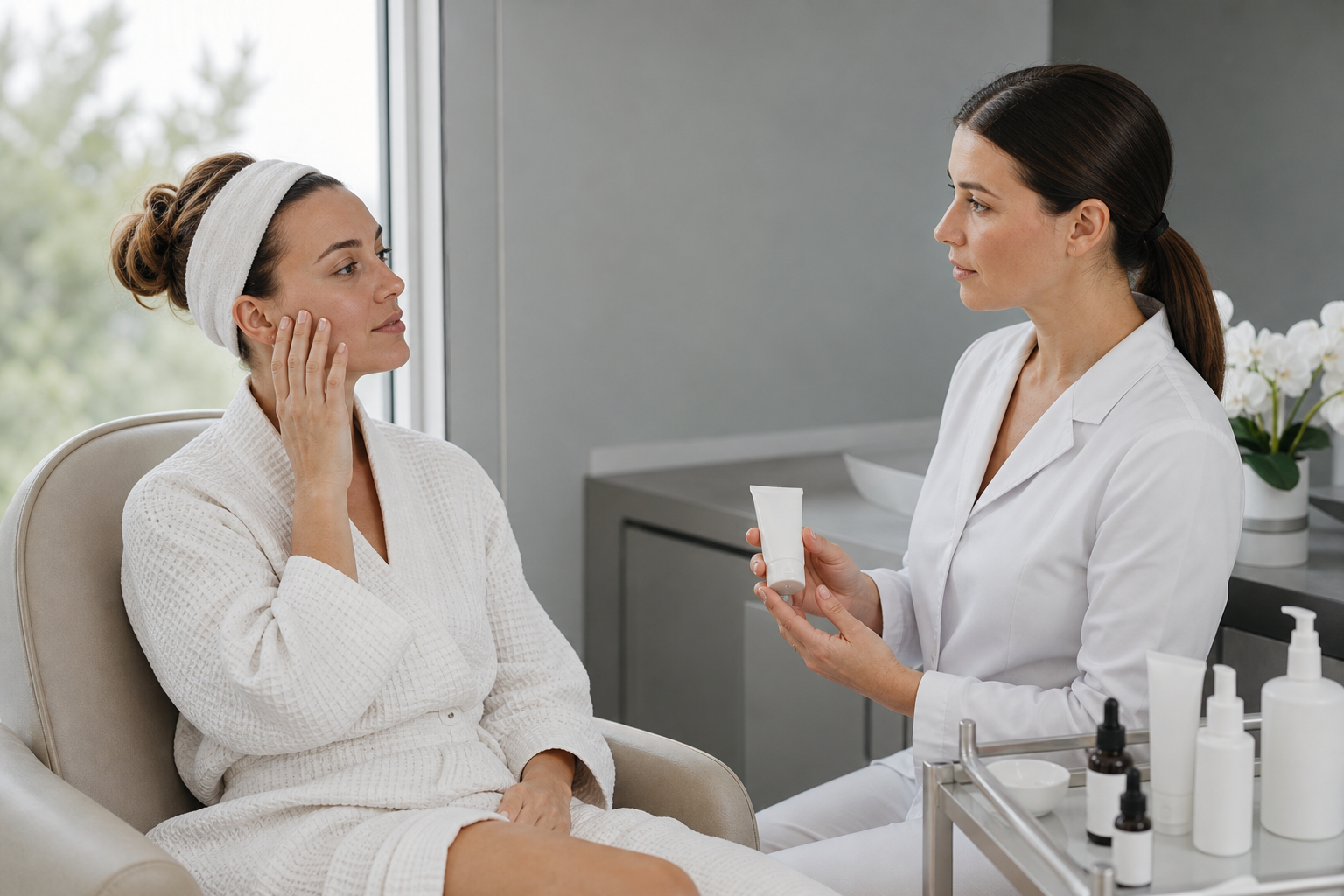
Choosing the right clinic for laser treatments and other aesthetic procedures is a decision loaded with importance, particularly because safety remains paramount in these technically demanding interventions. Each year, more individuals seek laser skin rejuvenation and other advanced treatments aiming to reverse signs of aging, remove pigmentation or vascular imperfections, and restore their skin's youthful vitality. This growing interest comes with a crowded market offering a plethora of clinics and devices—some more reliable than others.
For anyone considering such procedures, understanding whether a clinic maintains a strong safety protocol is not only prudent but essential. It directly impacts the success of the treatment, reduces the risk of adverse effects, and ultimately defines the overall patient experience. The question this article addresses is: Which questions reveal whether a clinic has a strong safety protocol? This exploration provides an insightful guide, focusing on verifiable criteria, proper documentation, informed consent, and realistic claims, all while emphasizing evidence-based and professional standards in aesthetic medicine.
This article is intended for prospective patients contemplating laser treatments such as skin rejuvenation, pigmentation correction, or vascular lesion removal. It explains crucial elements that signify a clinic’s commitment to safety and professionalism, offering a framework to assess clinical integrity and support informed decision-making before any procedure.
Why Is a Safety Protocol Critical for Laser Treatments?
Laser treatments in aesthetic medicine harness concentrated light energy to target specific skin concerns. While effective, these procedures involve technical complexity and inherent risks if not managed properly. The skin’s reaction to laser energy can vary widely depending on factors like skin type, device settings, and operator expertise. Without stringent safety protocols, complications such as burns, scarring, infections, or prolonged pigmentary changes may arise.
A robust safety protocol acts as a blueprint ensuring every stage of the treatment—from initial assessment through post-procedural care—follows best practices designed to protect patient health. It incorporates detailed patient screening, identification of contraindications, careful device selection, controlled procedural techniques, comprehensive patient education, and diligent monitoring for side effects after treatment. Together, these measures form the bedrock of quality clinical care in laser dermatology.
Thus, safety is not merely a secondary consideration or technicality; it is the foundation upon which the success and acceptability of any laser intervention rest. Patients and clinicians alike benefit from an environment where safety protocols are explicit, transparent, and rigorously applied.
Which Qualifications and Experience Should the Treatment Team Possess?
The expertise of the individuals performing laser interventions is arguably the most critical factor in ensuring safety. Prospective patients should inquire about who exactly will conduct the procedure. Is the treatment performed by a licensed dermatologist, a medically trained aesthetic practitioner, or a less qualified technician? High-caliber clinics typically employ board-certified dermatologists or physicians specialized in aesthetic medicine with specific training on laser devices.
Ask about the team’s credentials, training history, and experience with the specific laser technology intended for use. Continuous professional development and hands-on training are essential, as laser technologies evolve rapidly and each device requires particular skills and knowledge to operate safely. Regular participation in workshops, certifications, and adherence to clinical guidelines reflect a clinic’s commitment to maintaining elevated safety standards.
It is important to remember that the skill of the practitioner directly influences treatment outcomes and reduces risks. Cutting-edge devices cannot compensate for inadequate technique or insufficient clinical judgment. Therefore, prioritizing personnel with verifiable qualifications and proven experience is indispensable.
How Can You Verify if the Clinic Uses Properly Certified and Appropriate Laser Devices?
The technology involved in laser treatments is diverse, with numerous devices available worldwide. For safety and efficacy, it is crucial that clinics utilize equipment featuring recognized certifications, such as approvals from relevant health authorities or conformity with international medical device standards. Patients should ask if the device has obtained such regulatory clearances and request documentation or manufacturer details.
Beyond certification, understanding device type and its intended application helps evaluate appropriateness for a specific skin concern. A reputable clinic openly shares information on the laser’s wavelength, energy parameters, and expected effects within clinical settings. This transparency helps ascertain that the chosen technology aligns with patient needs and meets safety norms.
Beware of clinics using unregistered, outdated, or poorly documented devices, which may pose unseen risks. Seeking clarity on device provenance, maintenance procedures, and usage logs offers additional assurance of operational integrity.
What Defines a Thorough Consultation and Transparent Documentation?
The consultation is the cornerstone of safe laser treatment. It must go beyond a casual discussion and incorporate detailed health screening, skin assessment, and a comprehensive review of the patient’s medical history, including past skin conditions, allergies, medications, and prior aesthetic procedures. Identifying contraindications at this stage protects patients from preventable complications.
Good clinics provide an informed consent document that clearly outlines what the procedure entails, potential benefits, possible adverse effects, recovery expectations, and alternative options. This legal and ethical safeguard ensures patients make well-informed decisions without undue influence or exaggerated promises.
During consultation, practitioners should answer questions candidly and encourage patients to voice concerns. The quality and detail of documentation reflect the clinic’s dedication to accountability and respect for patient autonomy.
How Do Clinics Address Risks, Side Effects, and Manage Patient Expectations?
Open and honest communication about risks helps set realistic expectations. No laser treatment guarantees perfection, and understanding limitations is crucial for patient satisfaction. Effective practitioners acknowledge the spectrum of individual responses and explain the possibility of transient redness, swelling, pigment changes, or rare complications such as scarring or infection.
By providing a balanced view—emphasizing both potential results and conceivable downsides—a clinic demonstrates mature clinical judgment and ethical responsibility. This approach also includes guidance on post-treatment care, such as sun avoidance, moisturizing, and symptom monitoring to minimize side effects.
Patients should be wary of clinics promising miraculous outcomes or minimal recovery periods without acknowledging customary healing processes. A grounded, fact-based conversation about realistic results and recuperation timelines is a hallmark of trustworthy clinical practice.
What Hygiene and Sterilization Measures Safeguard Against Infection and Adverse Reactions?
Meticulous hygiene protocols prevent infections and cross-contamination, critical in any clinical procedure involving skin disruption. Patients should inquire about sterilization practices for instruments, use of disposable materials, and disinfection routines for treatment rooms and equipment surfaces.
The clinical environment must comply with recognized infection control standards, including staff adherence to personal protective equipment and proper hand hygiene. These measures are especially essential in laser treatments that create micro-injuries on the skin, potentially opening pathways for bacterial invasion.
Ask how the clinic manages patients with special considerations such as immunosuppression or sensitive skin. A clinic that adapts hygiene protocols accordingly demonstrates thoroughness and respect for diverse patient needs.
How Is Patient Safety Maintained During and After the Treatment?
Effective safety protocols extend beyond the procedure itself. During treatment, clinical staff should monitor patient responses, managing any immediate discomfort or adverse reactions promptly and competently. This includes adjusting settings or pausing treatments as necessary to protect skin integrity.
Post-procedure care is equally vital. Clinics should offer structured follow-up appointments, detailed care instructions, and easily accessible channels for patients to report concerns or complications. Prompt intervention in post-treatment complications greatly influences the overall outcome.
Ensuring continuity of care and providing a clear roadmap for recovery reflect a clinic’s ongoing commitment to patient wellbeing and safety adherence.
Why Is Transparency and Access to Verifiable Information Essential?
Transparency establishes trust and empowers patients to make informed choices. Clinics that openly share their protocols, practitioner qualifications, device details, and safety measures offer patients the opportunity to verify claims independently rather than relying solely on marketing assurances.
Access to verifiable information also fosters accountability within the clinic and safeguards against misinformation or deceptive practices. Patients empowered with knowledge can better assess whether a clinic’s safety standards align with recognized medical and professional benchmarks.
Therefore, when choosing where to pursue laser treatments, insist on clear and accessible explanations regarding all aspects of the procedure and institutional practices.
What Role Does Patient Candidacy Evaluation and Personalized Treatment Selection Play in Safety?
Not all individuals are suitable candidates for laser treatments. A comprehensive candidacy evaluation allows practitioners to identify conditions—such as active infections, photosensitive disorders, or certain systemic illnesses—that contraindicate laser use or require modifications.
Personalized treatment plans tailored to skin type, problem severity, and patient goals enhance safety by avoiding one-size-fits-all approaches. Such customization minimizes adverse events and optimizes therapeutic benefits.
Communicating clearly why a particular treatment is recommended, alongside alternative options, ensures patients understand their choices and feel confident proceeding, reinforcing a safe and ethical clinical relationship.


