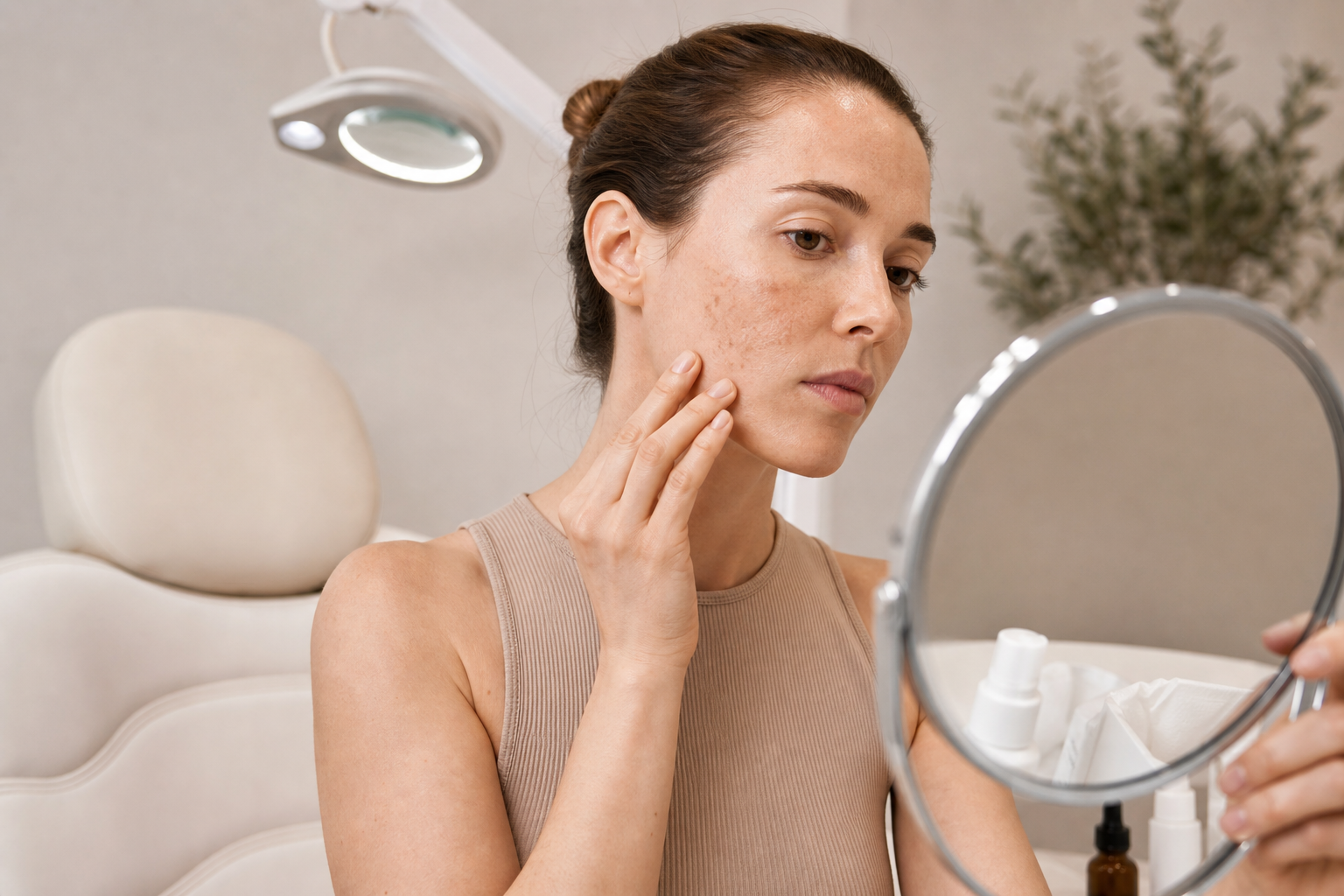
Pigmentation irregularities, such as dark spots, melasma, and uneven skin tone, present common and persistent aesthetic concerns across diverse populations. Among various treatment modalities, laser therapies have emerged as a prominent choice due to their targeted action on pigmented lesions. However, a frequently observed phenomenon is the temporary darkening of pigmentation immediately following laser treatment, which can cause confusion and anxiety for patients. Understanding why pigmentation sometimes appears to deepen after treatment is essential not only for those undergoing such procedures but also for clinicians aiming to provide clear guidance and ensure optimal outcomes.
This comprehensive article addresses the underlying reasons for this temporary darkening, often referred to as postinflammatory hyperpigmentation (PIH), and situates it within the broader context of laser pigmentation removal therapies. It is intended for prospective and current patients considering or undergoing laser treatment for pigmentation and for aesthetic professionals who seek to enhance their communication and treatment protocols based on up-to-date, medically responsible knowledge.
Delving into physiological mechanisms, treatment preparation, procedural factors, recovery stages, and maintenance protocols, this article aims to demystify the transient darkening and to provide actionable insights on how to minimize its occurrence and optimize overall results. Given the nuances related to skin phototypes, type of pigmentation, and laser devices, a nuanced discussion is necessary for an informed appreciation of treatment dynamics.
What Underlies the Temporary Darkening of Pigmentation After Laser Treatment?
The temporary darkening observed after laser pigmentation treatment primarily relates to biological responses known as postinflammatory hyperpigmentation (PIH). This phenomenon arises from the skin's natural defensive and reparative mechanisms when subjected to laser-induced injury or irritation. Melanocytes, the pigment-producing cells in the basal layer of the epidermis, can become overstimulated in response to the inflammation provoked by laser energy targeting melanin.
Laser devices selectively target pigmented skin areas through specific wavelengths that are absorbed by melanin molecules, intending to fragment excessive pigment deposits. However, the interaction can trigger localized inflammation, prompting an increase in melanin synthesis or distribution as part of the skin’s attempt to protect itself. This may result in a paradoxical darkening of the treated spots before gradual fading ensues.
Moreover, individuals with medium to darker skin phototypes (Fitzpatrick types III to V) have melanocytes that are inherently more reactive to inflammatory stimuli, making them more susceptible to PIH. The extent and duration of temporary pigmentation darkening can vary significantly depending on individual biological factors and treatment parameters.
How Does Skin Preparation Influence Laser Treatment Outcomes and Pigmentation Darkening?
Skin preparation plays a pivotal role in minimizing unwanted effects such as transient darkening and enhancing treatment efficacy. Appropriate pre-treatment care involves measures to stabilize the pigmentary condition and reduce baseline inflammation. Clinicians often advise patients to initiate a regimen of photoprotection using broad-spectrum sunscreens of at least SPF 30, commencing several weeks prior to the laser procedure, to suppress exogenous UV stimulation of melanogenesis.
In many cases, topical agents such as hydroquinone, azelaic acid, kojic acid, or retinoids may be prescribed or recommended to attenuate existing pigment intensity and regulate melanocyte activity before laser exposure. These agents help to thin the epidermis and reduce melanin content, allowing the laser energy to penetrate more evenly and effectively.
Additionally, controlled use of superficial chemical peels incorporating glycolic or azelaic acid can rejuvenate the epidermis, facilitate pigment shedding, and prime the skin for a smoother laser interaction. However, such preparatory measures require professional supervision to avoid over-exfoliation or irritation that could paradoxically increase PIH risk.
What Factors Determine the Severity and Duration of Post-Treatment Pigmentation Darkening?
The intricacies governing the depth and persistence of pigmentation darkening post-treatment are multifaceted, involving diagnostic, procedural, and individual patient variables. Foremost among these is the diagnosis and type of pigmentation—melasma, solar lentigines, post-inflammatory hyperpigmentation, or other disorders—which influences how pigment responds to therapeutic laser wavelengths.
Skin phototype also critically affects susceptibility to PIH. Darker phototypes possess more reactive melanocytes, potentially necessitating customized protocols employing lower fluences, longer pulse durations, or alternative laser types to mitigate inflammatory responses.
The choice of laser device and its technical parameters, such as wavelength, pulse width, fluence, and spot size, are equally determinative. Devices like Q-switched Nd:YAG lasers, fractional lasers, or picosecond lasers each interact differently with the pigment and skin layers, influencing treatment depth and risk profiles.
Patient adherence to post-procedural care—particularly strict photoprotection and skin barrier maintenance—is paramount in controlling pigmentary changes. Deviations in aftercare, including unprotected sun exposure, inadequate moisturization, or use of irritative products, can significantly exacerbate PIH severity or prolong its persistence.
What Are the Typical Recovery Stages and Expected Visible Changes After Laser Pigmentation Treatment?
Immediately following laser treatment, the skin undergoes a cascade of responses. Initial effects often include erythema, mild edema, and a sensation of warmth or tenderness over the treated areas. The targeted pigmentation may temporarily darken within hours to days, a sign that fragmented pigment is being moved towards the surface of the epidermis.
During the subsequent healing phase lasting approximately two to four weeks, the darkened spots generally begin to fade as the immune system clears melanin fragments and keratinocyte turnover renews the epidermis. This period may involve transient flaking or peeling as the skin sheds pigmented debris.
Patients are advised to anticipate and understand that this temporary darkening does not signify treatment failure but reflects active pigment clearance. Consistent use of sunscreen and gentle skincare during this phase supports optimal recovery and helps prevent secondary pigmentation increases.
Why Is Photoprotection Integral Before and After Laser Pigmentation Procedures?
Photoprotection represents a cornerstone of safe and effective laser pigmentation management. Ultraviolet (UV) radiation is a potent stimulus for melanogenesis and can provoke or worsen pigmentation anomalies. Pre-treatment photoprotection reduces baseline melanin activity, creating more favorable conditions for laser intervention and reducing the potential for PIH.
Following treatment, the skin’s protective barrier is temporarily compromised, rendering it more vulnerable to UV-induced damage and pigment stimulation. Without rigorous photoprotection, exposed areas risk more profound or prolonged pigmentation darkening, undermining the benefits of the laser procedure.
Recommended photoprotective measures include regular application of broad-spectrum sunscreens with a minimum SPF of 30, physical barriers such as wide-brimmed hats and protective clothing, and avoidance of peak sun exposure hours. Some clinicians may supplement with antioxidant serums or topical agents to bolster skin resilience during recovery.
How Can Patients Maintain the Results Achieved by Laser Treatments for Pigmentation?
Long-term maintenance following laser pigmentation treatment requires a commitment to ongoing skin care and lifestyle considerations. The persistence of favorable skin tone and minimized pigmentary irregularities depends on the patient’s continued avoidance of excessive sun exposure and diligent photoprotection.
In addition to sunscreen use, dermatological recommendations often include regular moisturizing with barrier-supportive formulations and periodic application of lightening agents or retinoids as suitable. For some types of pigmentation like melasma, maintenance laser sessions or combination therapies may be prescribed to manage relapses.
Lifestyle modifications that limit hormonal fluctuations, reduce stress, and maintain skin health can also contribute positively to sustaining even pigmentation. Close collaboration with a skincare professional ensures individualized adjustments based on evolving clinical status.
When Is It Advised to Consult a Specialist Regarding Post-Treatment Pigmentation Darkening?
Although temporary pigmentation darkening is common and typically self-resolving, persistent or intensifying discolorations beyond an expected recovery timeframe warrant professional evaluation. If hyperpigmentation remains markedly dark or spreads after several weeks, it could indicate complications such as exacerbated PIH or other dermatoses requiring tailored intervention.
Proactive consultation prior to initiating laser therapy is equally important to establish a precise diagnosis, tailor treatment plans to skin type and pigmentation nature, and set realistic outcome expectations. Such preparation can reduce the incidence and severity of post-treatment darkening.
Furthermore, experienced clinicians can implement contingency strategies should adverse pigmentary reactions occur, employing adjunctive therapies or modifying protocols to safeguard skin integrity while progressing treatment goals.


