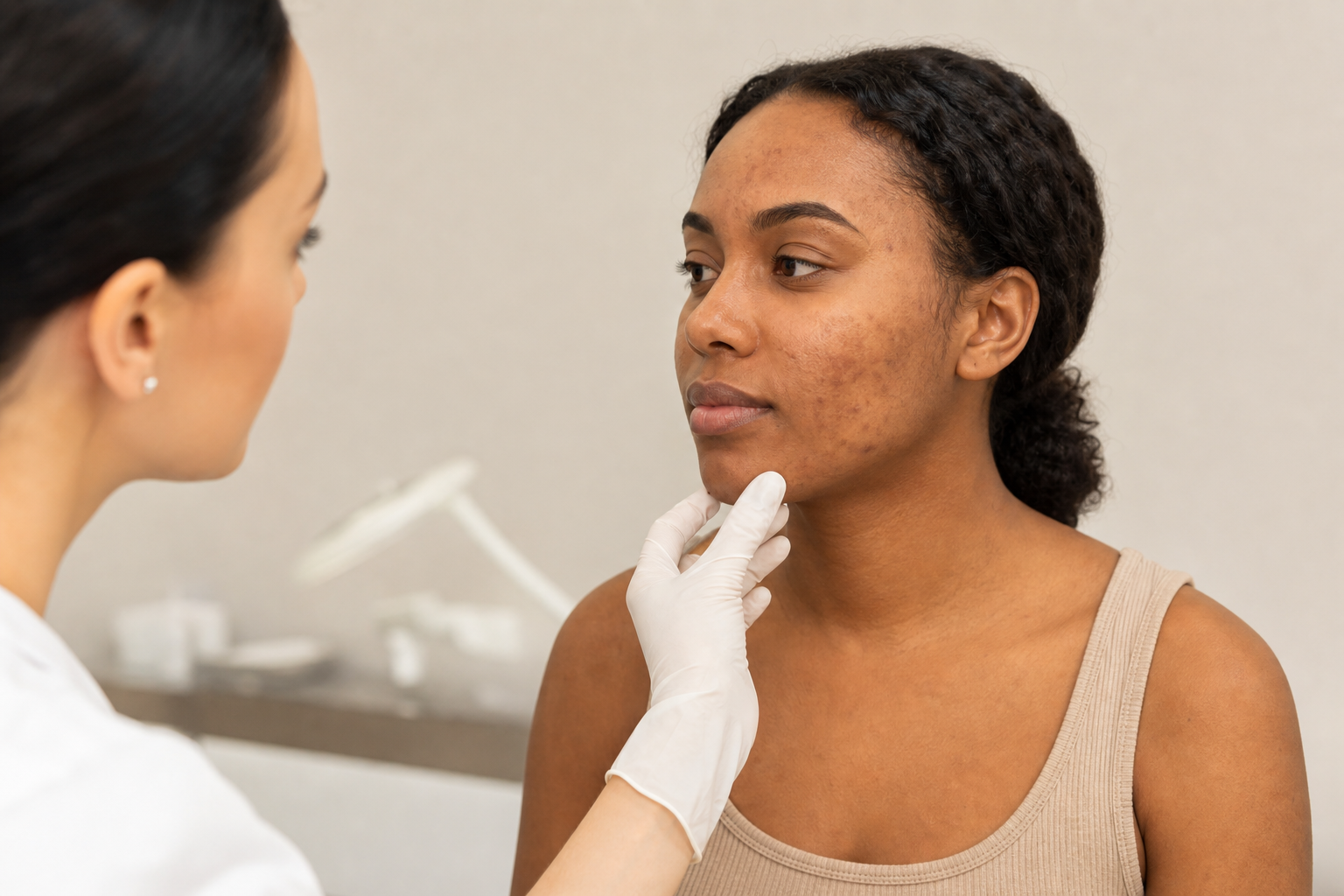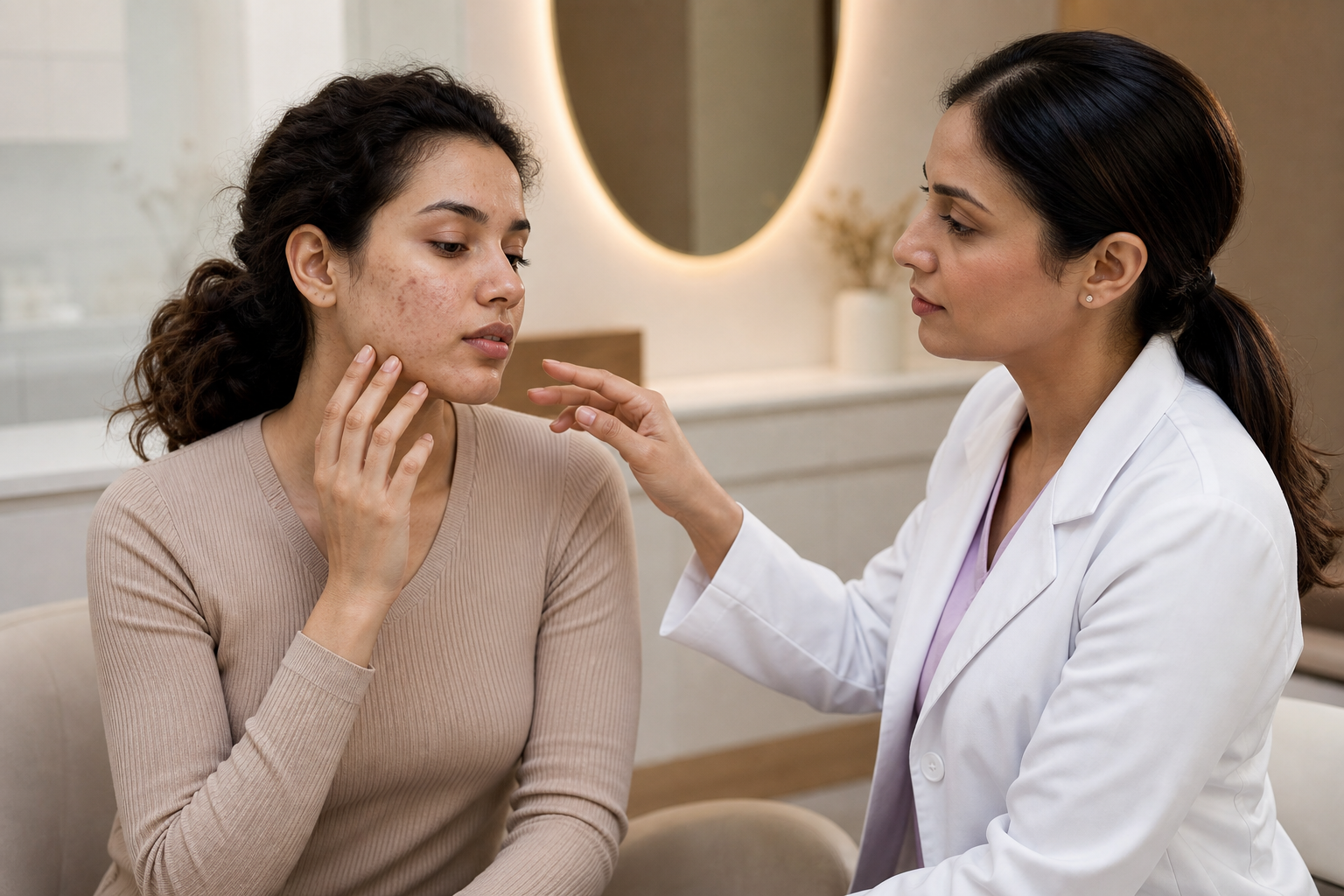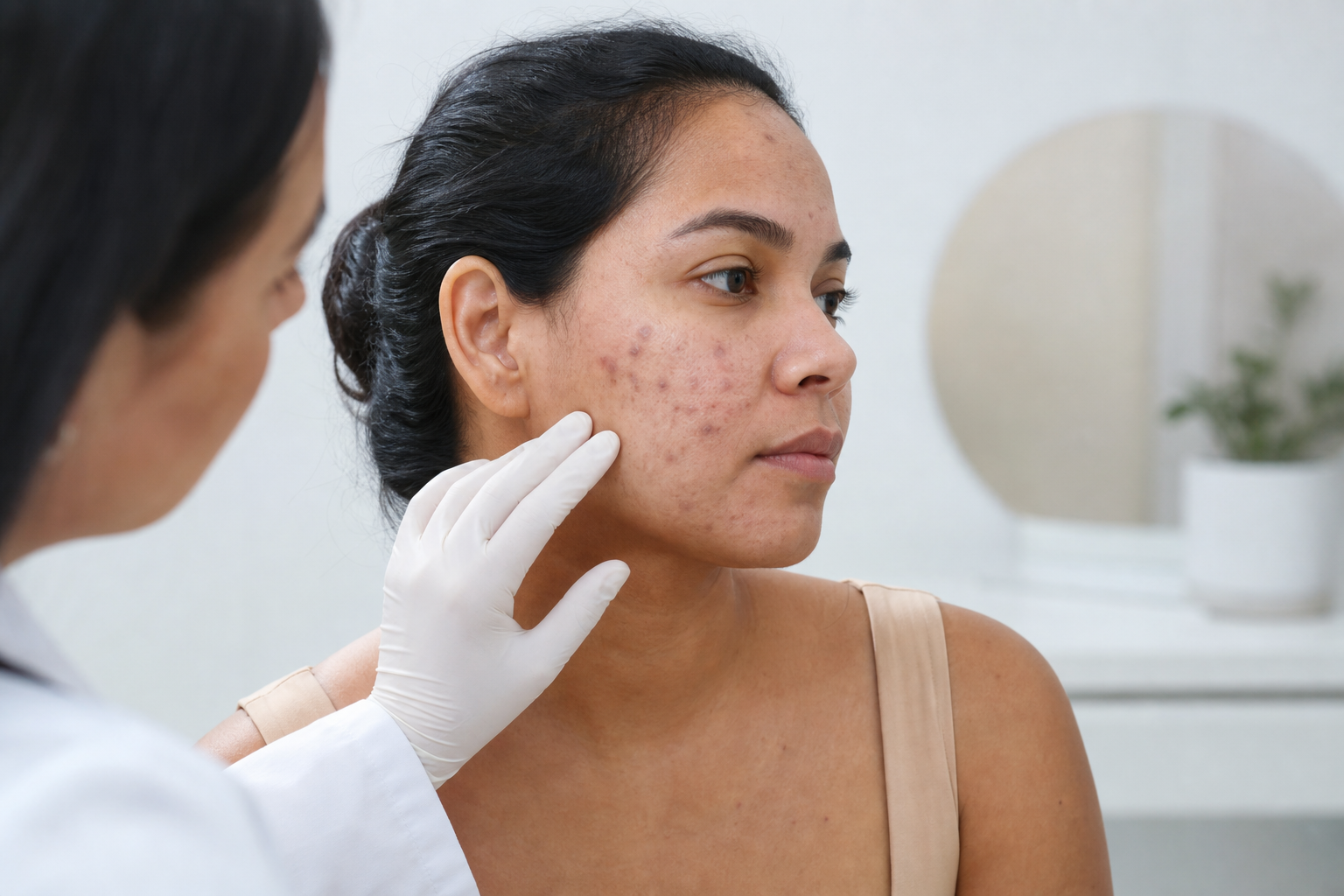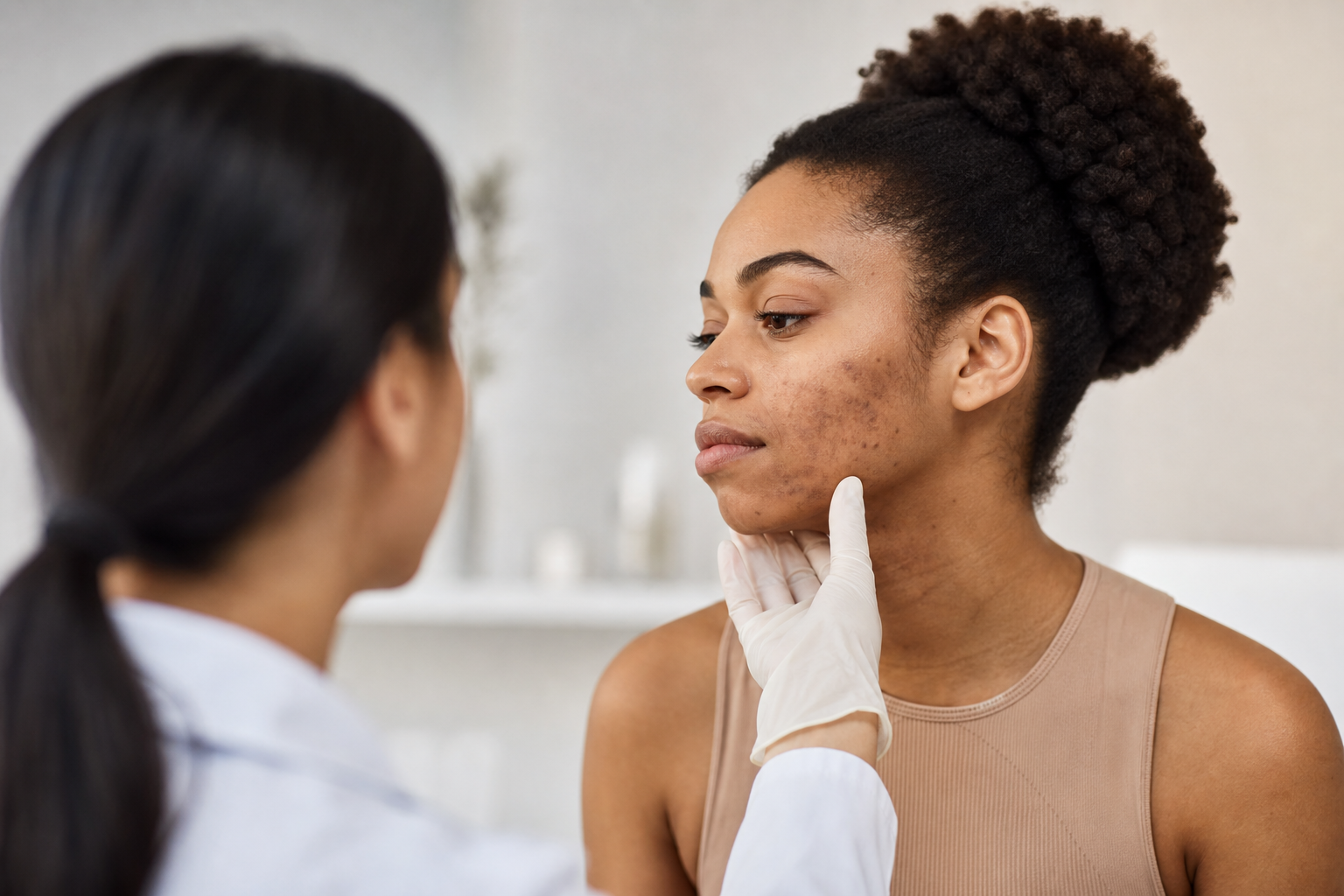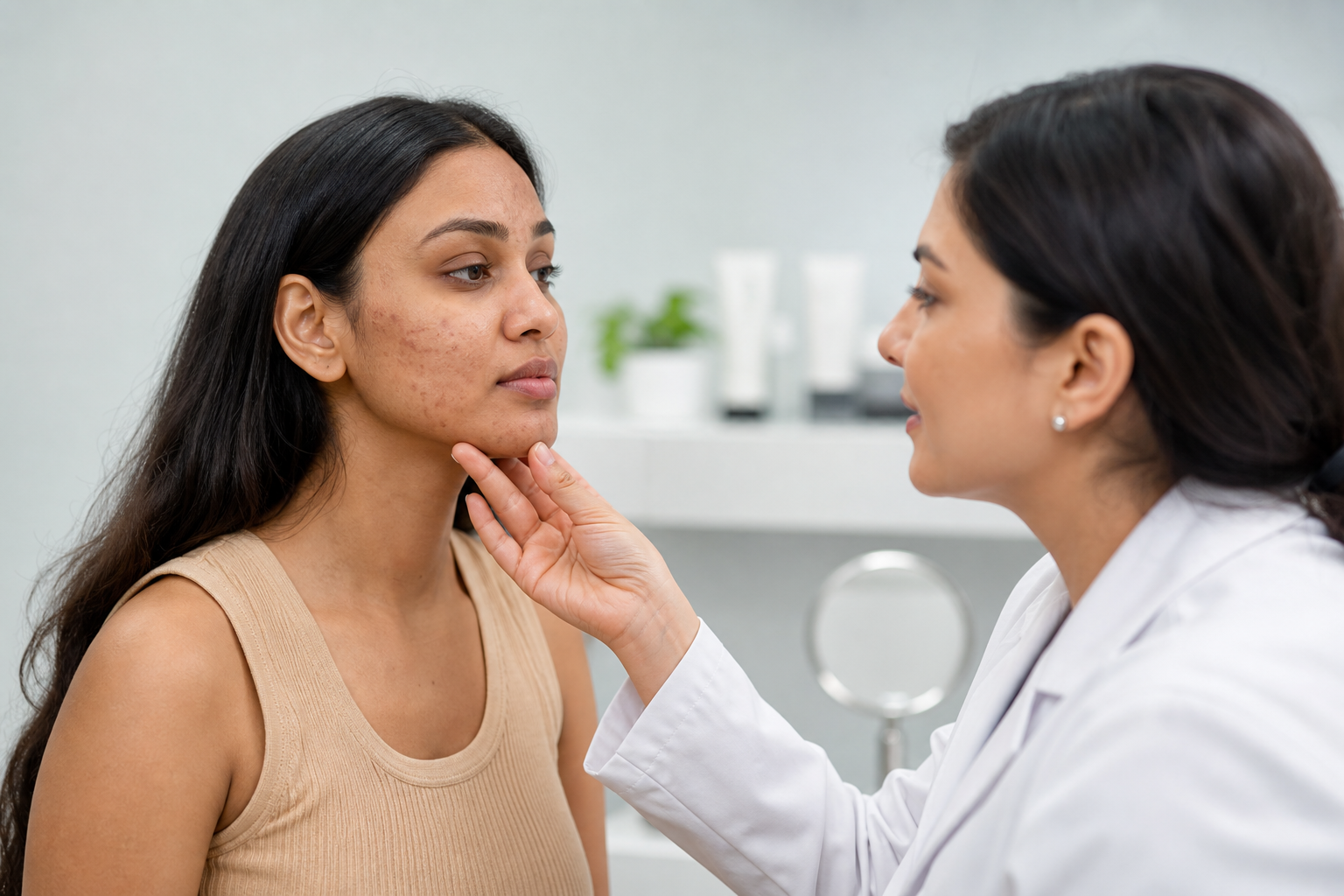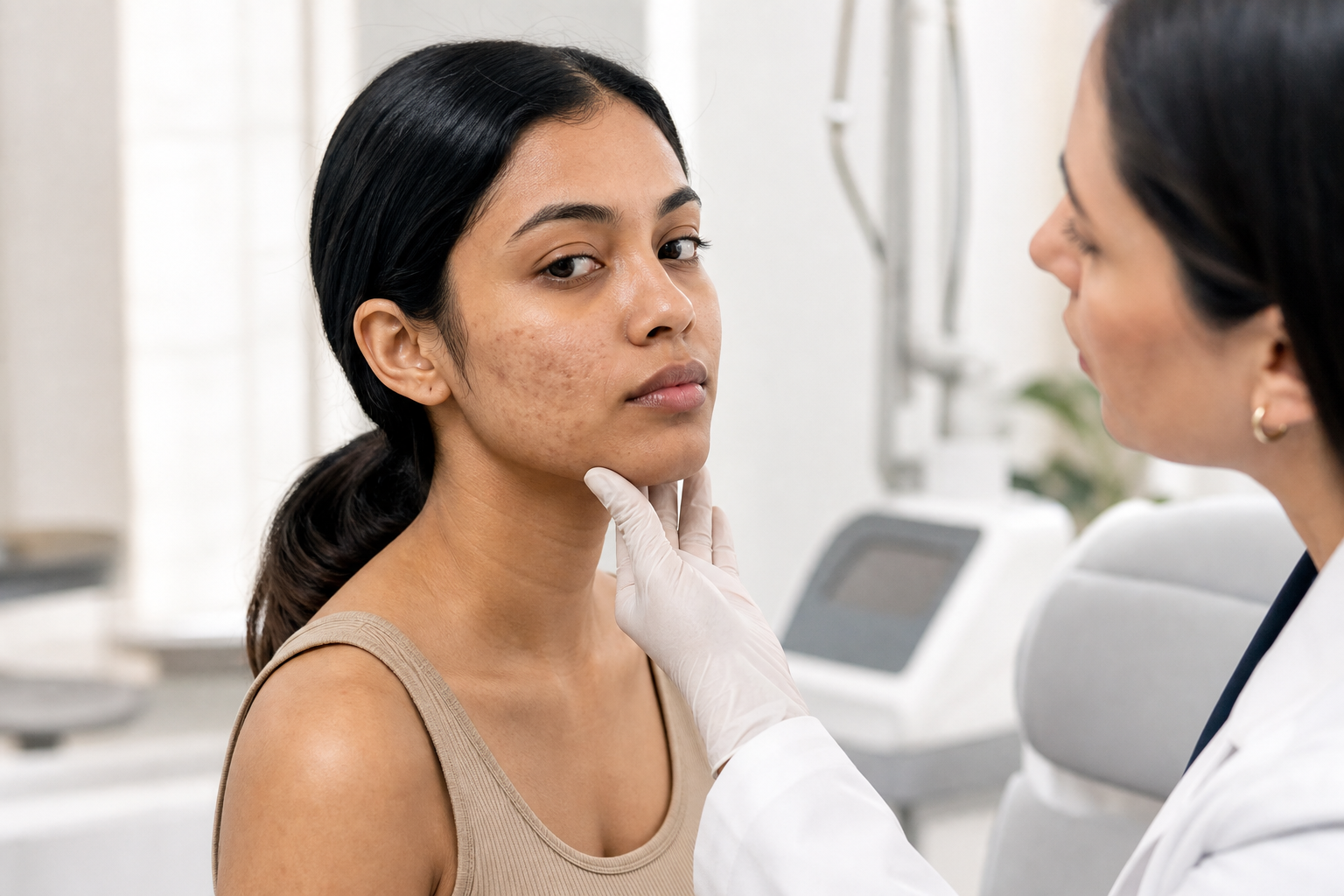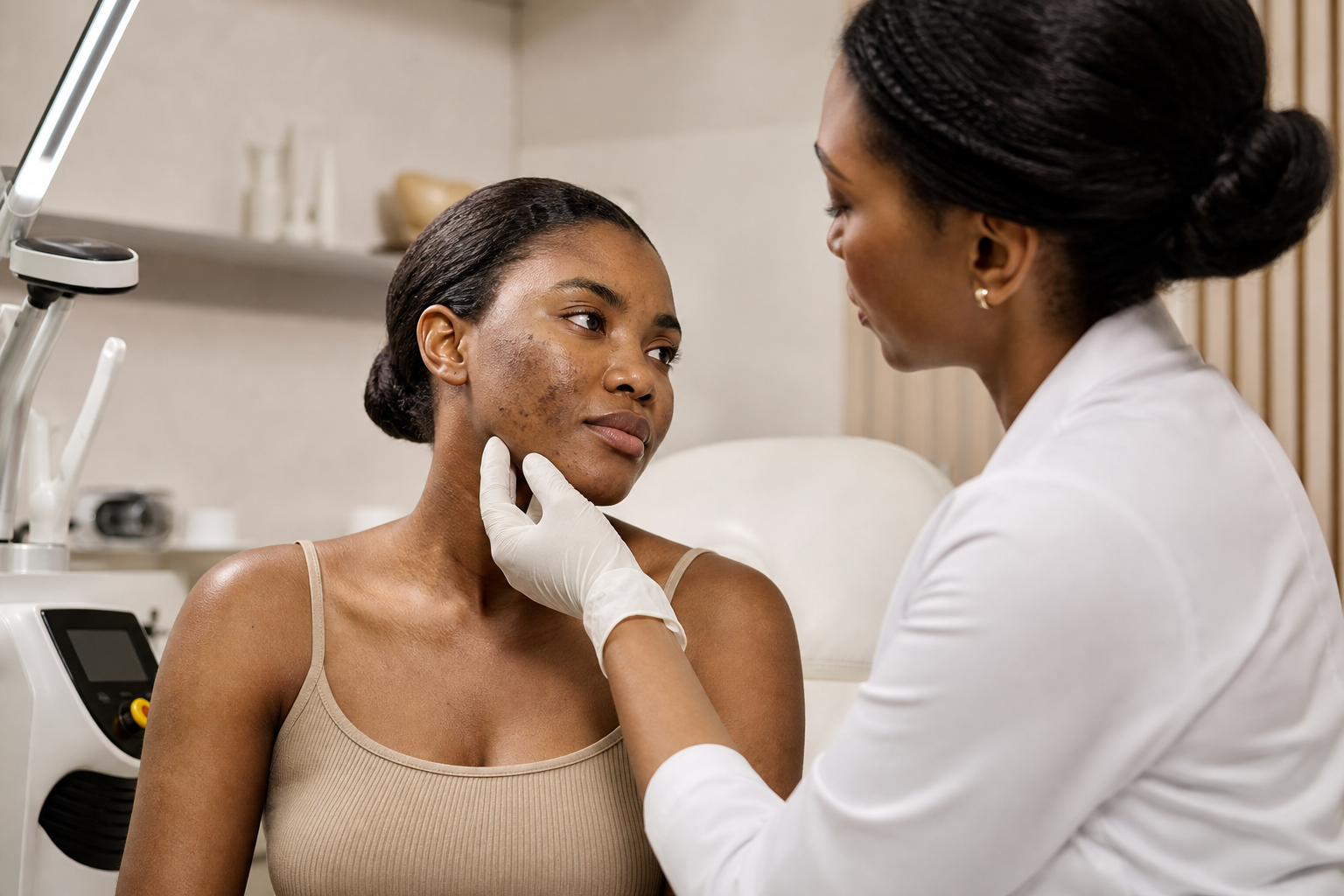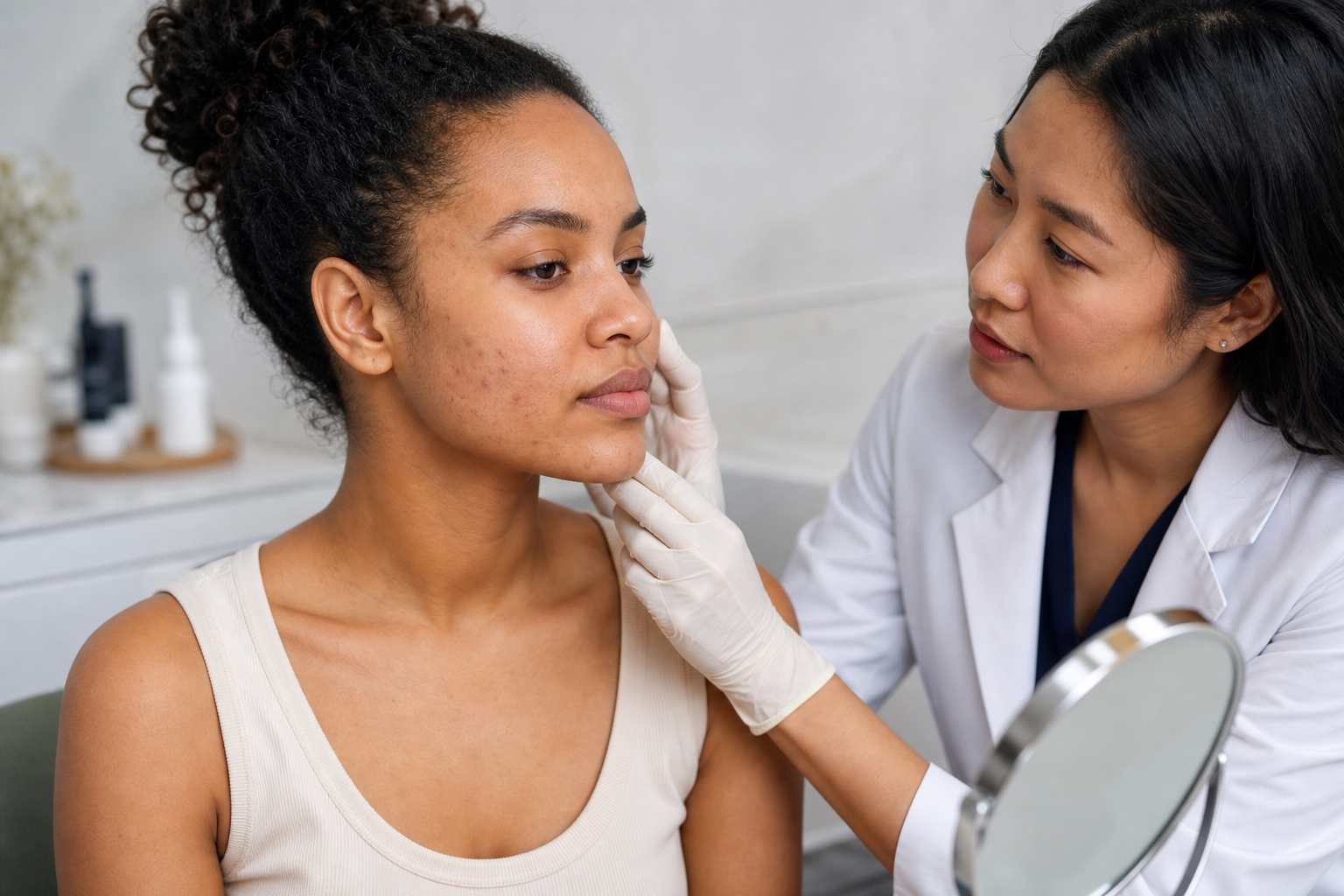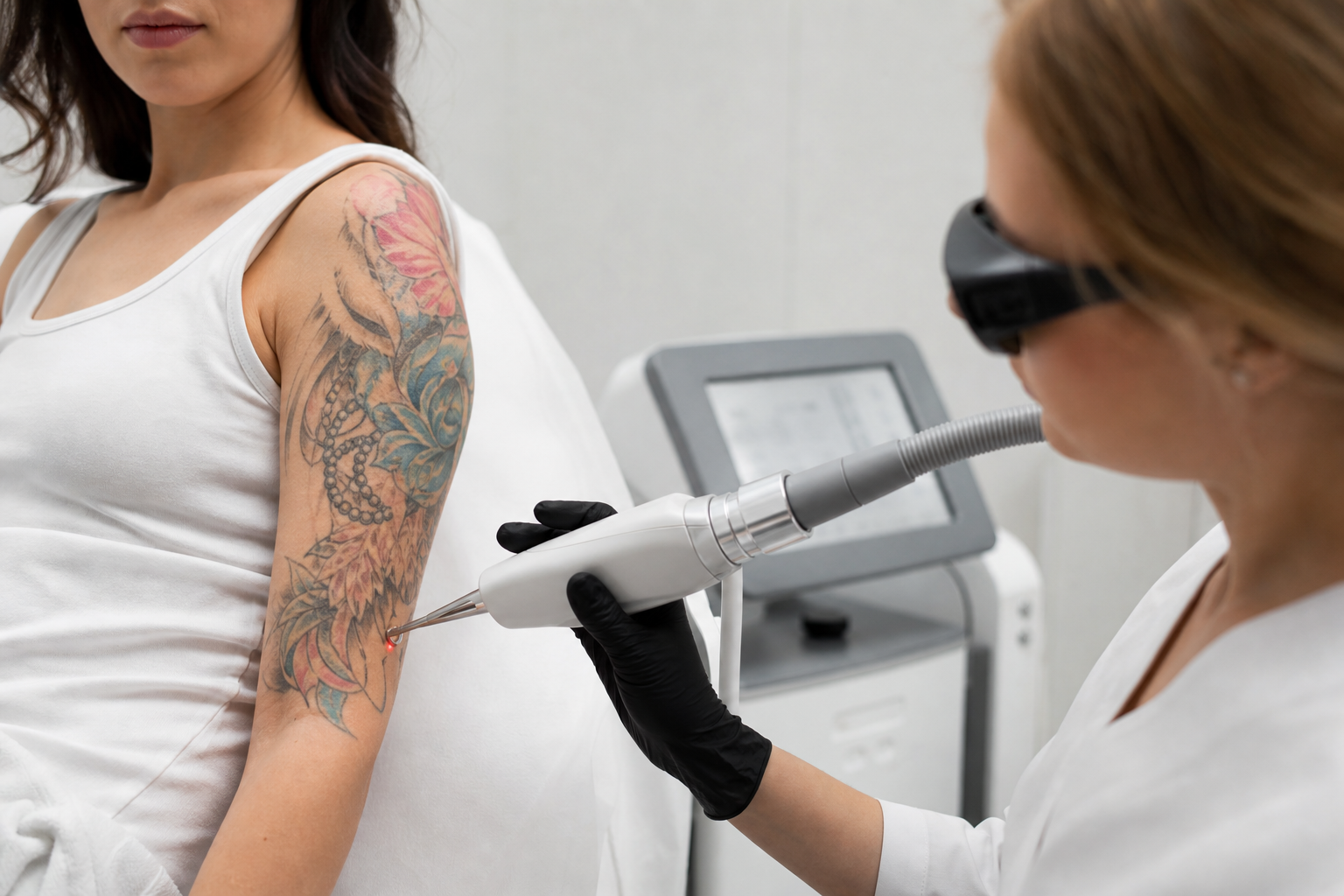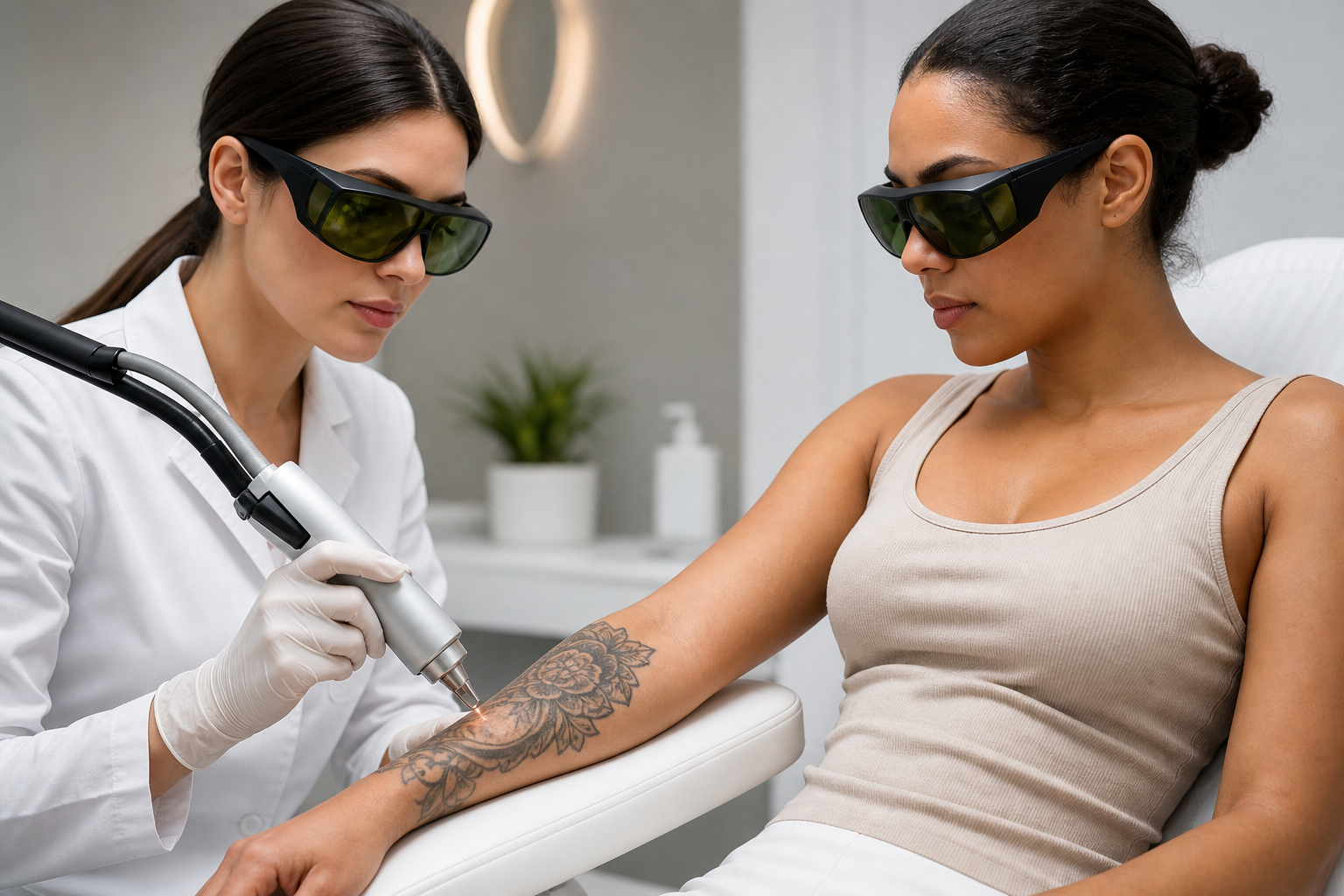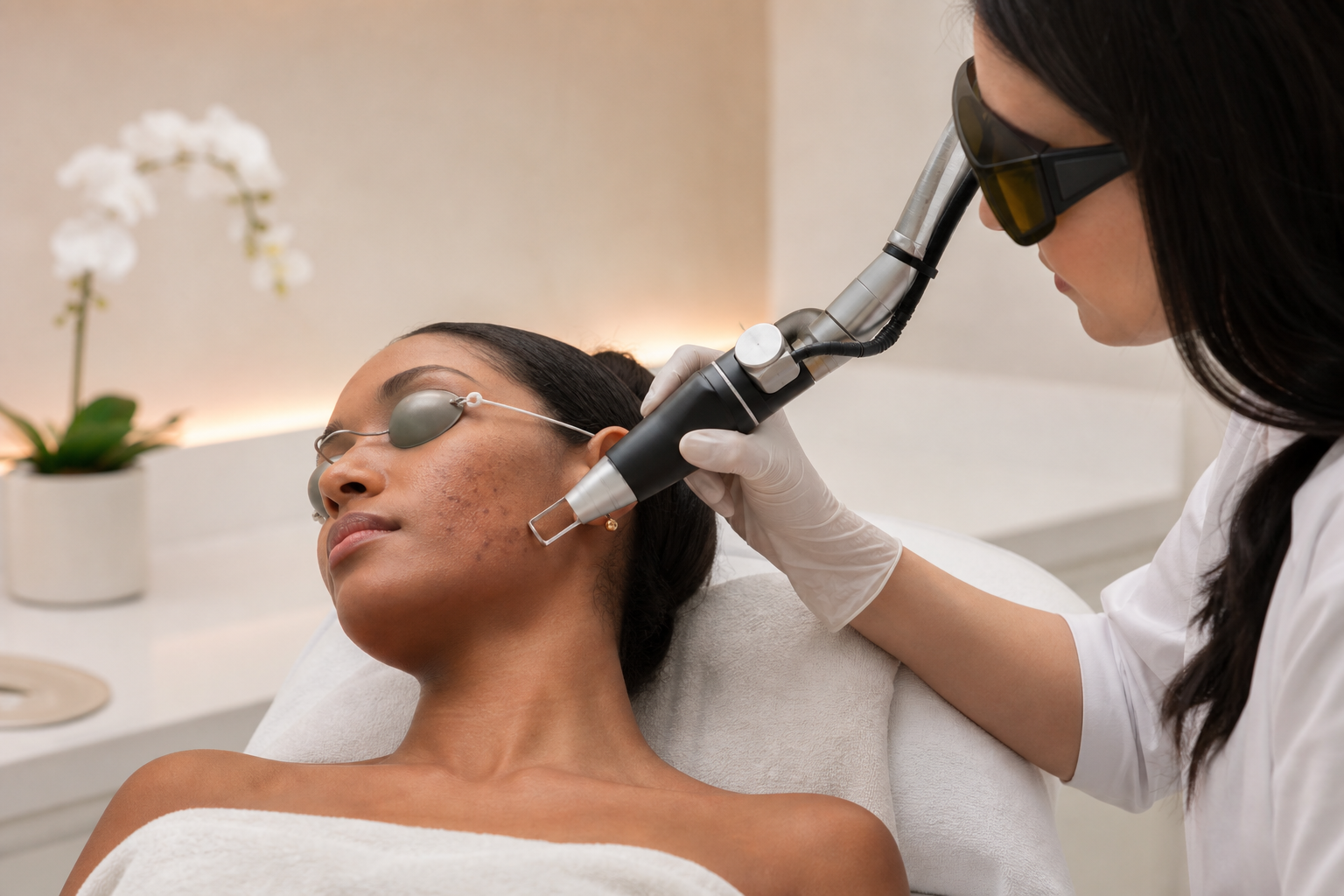
Post-inflammatory hyperpigmentation (PIH) and acne marks represent persistent and often distressing challenges for individuals recovering from acne and other inflammatory skin conditions. These darkened spots and patches are not just cosmetic concerns; they can significantly affect one's self-esteem and quality of life. Understanding laser treatment options for these pigmentation irregularities is essential for patients and clinicians aiming to restore a more even and healthier skin tone.
Laser treatments offer a cutting-edge approach to addressing PIH and post-acne marks, but their success hinges on careful patient selection, accurate diagnosis, and tailored protocol choices. The subject is particularly nuanced for individuals with darker skin phototypes, where both the nature of pigmentation and the skin’s response to laser interventions demand special consideration.
This editorial explores the mechanism of PIH and acne marks, distinguishing them from other post-inflammatory skin changes such as erythema. It further delves into when and how different laser technologies—including picosecond lasers, fractional lasers, and intense pulsed light (IPL)—can be applied effectively and safely. A critical examination of risks, especially laser-induced inflammation and potential exacerbation of pigmentation, will also be provided to inform best practices and patient outcomes.
Understanding Post-Inflammatory Hyperpigmentation and Its Distinction from Post-Inflammatory Erythema
Before exploring laser options, it is crucial to differentiate between post-inflammatory hyperpigmentation (PIH) and post-inflammatory erythema (PIE), as each requires different management strategies. PIH refers to darkened patches or spots that remain after inflammatory skin lesions, such as acne, have healed. This condition results from an overproduction or irregular distribution of melanin, the pigment responsible for skin color. Following an inflammatory insult, melanocytes can be stimulated to synthesize excess melanin, which deposits unevenly, manifesting as brown or dark marks.
In contrast, PIE is characterized by red or pink marks resulting from dilated or damaged blood vessels and increased blood flow beneath the skin surface. Unlike PIH, erythema fades as vascular repair ensues and is not related to melanocyte activity or pigmentation. Identifying this difference is pivotal because lasers that target pigment may not be effective for vascular redness and could potentially worsen erythema by provoking further irritation.
PIH is notably more prevalent and difficult to manage in individuals with darker skin tones due to their higher baseline melanocyte activity. This greater susceptibility warrants cautious laser parameter selection to avoid triggering additional pigmentation or scarring.
Who Benefits Most from Laser Treatment for Post-Inflammatory Hyperpigmentation and Acne Marks?
Laser therapy for PIH and post-acne pigmentation serves a diverse patient population, ranging from adolescents to adults who have residual discoloration after active acne resolution. Candidates typically seek treatments when topical lightening agents or chemical peels have yielded limited improvements or when rapid, targeted interventions are desired.
The ideal recipient is someone with stable skin free from active inflammation, as ongoing acne can obscure results and increase the risk of adverse effects. Patients with controlled acne and persistent hyperpigmentation marks are better suited for laser modalities.
Additionally, assessment of skin phototype guides the choice and settings of laser treatment. Patients with Fitzpatrick skin types IV to VI require more conservative approaches and often benefit from technologies capable of precise pigment targeting with minimal collateral injury.
Laser treatment may also be advantageous when deeper or extensive pigmentary changes impair aesthetic appearance notably, or when psychological distress related to uneven skin tone is significant.
Mechanisms and Types of Lasers Effective for Treating PIH and Post-Acne Marks
Laser technologies for pigmentation work by delivering specific wavelengths of light that target melanin within melanocytes or pigment deposits, breaking them into smaller particles. The body’s immune system then gradually clears these fragments, leading to lightening of the affected skin areas.
Among the primary laser types used, picosecond lasers have gained prominence for their ultra-short pulse durations—measured in trillionths of a second—that disrupt pigment mechanically rather than solely via thermal energy. This mechanism minimizes heat-induced collateral damage, reducing inflammation and the risk of subsequent pigmentation or scarring.
Fractional lasers, both ablative and non-ablative, operate by creating microscopic columns of controlled injury in the skin, stimulating collagen remodeling and pigment clearance. These are effective for both pigmentary changes and residual acne scarring, offering a dual benefit but with an increased inflammatory potential requiring careful patient monitoring.
Intense Pulsed Light (IPL) devices, although not lasers by strict definition, emit broad-spectrum light absorbed by melanin and hemoglobin, making them versatile for pigmentation and vascular concerns. IPL treatments typically require multiple sessions and meticulous parameter adjustments to avoid exacerbating PIH, particularly in darker skin types.
The Importance of Controlling Active Acne Before Laser Treatments
One of the cardinal principles in managing PIH or acne marks with lasers is ensuring that active acne is well-controlled prior to intervention. Active inflammatory lesions represent ongoing skin disruption; subjecting such skin to laser energy risks aggravating inflammation and precipitating new pigmentary changes.
Effective acne control involves standard therapeutic regimens—topical retinoids, benzoyl peroxide, antibiotics, or systemic agents as necessary—and should be established for a sufficient duration to confirm stability before laser treatment scheduling.
Without first subduing active acne, laser interventions may lead to paradoxical worsening, triggering more pronounced PIH or causing new scarring. This stepwise approach underscores the need for comprehensive dermatologic evaluation and personalized treatment planning.
When and How to Choose Picosecond, Fractional, or IPL Approaches for Different Patient Needs
The selection among picosecond lasers, fractional lasers, and IPL treatments depends on several factors including skin phototype, depth and extent of pigmentation, presence of scarring, and patient preference regarding downtime and risk tolerance.
Picosecond lasers are well-suited for patients with darker skin tones who need targeted pigment disruption with minimal inflammation. Their precision and gentle action reduce the likelihood of PIH worsening while efficiently breaking down pigment particles. Additionally, picosecond lasers are effective for small, discrete post-inflammatory dark spots.
Fractional lasers hold an advantage when patients present with both pigmented marks and textural irregularities from acne scarring. Their ability to resurface and stimulate collagen can improve overall skin quality; however, the associated inflammatory response requires judicious use and conservative settings in darker phototypes to avoid exacerbating pigmentation disorders.
IPL devices are often favored for lighter skin types with more diffuse pigmentation or mixed vascular components. The non-ablative nature of IPL offers lower recovery times, though the risk of post-treatment irritation in sensitive or dark skin necessitates careful modulation of energy levels and pulse durations.
Potential Risks: How Laser Procedures Can Trigger New Inflammation and Darkening
While laser treatments for PIH and acne marks are generally safe when performed by experienced practitioners, they are not without risks, especially in individuals with higher Fitzpatrick skin types.
Laser-induced inflammation can paradoxically increase melanocyte activity, worsening hyperpigmentation—sometimes more intensely than the original insult. This phenomenon underscores the importance of gentle parameters, pre-treatment priming with topical agents, and rigorous post-treatment sun protection.
Another risk is post-inflammatory erythema and swelling, which may be misinterpreted as treatment failure but can signal excessive inflammatory response. In rare cases, burns or scarring can occur if inappropriate laser settings are used.
Preventive strategies include patch testing, gradual escalation of laser fluence, incorporation of cooling techniques, and careful patient education about skincare and sun avoidance post-procedure.
Expected Outcomes and the Role of Maintenance in Laser Therapy for PIH
Effective laser treatment of PIH and post-acne marks can yield significant improvement in pigmentation uniformity, skin brightness, and overall complexion. However, these results typically accumulate over multiple sessions and require patience and adherence to post-care protocols.
Maintaining the benefits involves diligent photoprotection, use of topical agents that inhibit melanogenesis, and lifestyle modifications to minimize triggers of new pigmentation.
Laser therapy does not erase pigment instantaneously nor guarantee permanent resolution; rather, it is an integral component of a multimodal approach aimed at restoring skin clarity and preventing recurrence.
Addressing Common Patient Questions About Laser Treatment for PIH and Acne Marks
Patients often inquire whether laser treatments are painful, how many sessions are necessary, or if they can cause their pigmentation to worsen. Generally, discomfort is mild to moderate and well-managed with topical anesthetics and cooling measures. Treatment sessions commonly range from three to six spaced several weeks apart, depending on the technology and clinical response.
Concerns about worsening hyperpigmentation are valid, particularly for darker skin types. This risk can be minimized with appropriate laser selection and conservative protocols, underscoring the necessity of treatment by qualified dermatologic professionals.
Patients also ask about downtime and side effects; non-ablative lasers and IPL typically have shorter recovery periods than ablative or fractional lasers, but individual experiences vary based on skin sensitivity and extent of treatment.