As the quest for youthful appearance and well-defined facial contours continues to inspire innovations in aesthetic medicine, RF lifting has emerged as a leading non-surgical option that addresses common concerns of skin laxity and loss of definition in the jawline and lower face. Radiofrequency (RF) lifting relies on controlled energy waves to tighten skin and rejuvenate underlying tissues, offering individuals a less invasive alternative to traditional surgical facelifts. This technique is especially relevant for those who notice the early to moderate signs of aging around their jaw and lower facial region, seeking improvement without extended downtime.
RF lifting for jawline and lower face contouring harnesses radiofrequency energy to stimulate natural collagen production deep within the skin layers. With aging, gravity, and environmental factors leading to a decrease in skin elasticity and firmness, the lower third of the face—particularly the jawline—can lose definition, resulting in sagging skin and a less youthful silhouette. Understanding the non-invasive treatment options available is vital for those aiming to enhance facial contours and refresh their appearance efficiently and safely.
This comprehensive editorial explores the multifaceted aspects of RF lifting specifically tailored to the jawline and lower face. It addresses what the treatment entails, who will benefit most, the range of available RF technologies, realistic expectations, and how this modality fits into the broader spectrum of facial rejuvenation methods. We also clarify common misconceptions and guide readers on selecting qualified professionals for their treatment, all within the context of advancing aesthetic science.
What Is RF Lifting for the Jawline and Lower Face, and How Does It Work?
Radiofrequency lifting for the jawline and lower face is a dermatological procedure that employs radiofrequency energy to generate heat in the deeper dermal layers without damaging the skin's surface. This heat activates fibroblast cells responsible for producing collagen and elastin—key structural proteins that confer firmness and elasticity to the skin. By stimulating these reparative processes, RF lifting promotes remodeling of existing collagen fibers and generation of new ones, culminating in tightened, smoother skin and enhanced facial definition.
Unlike surgical facelifts, RF lifting requires no incisions or anesthesia, significantly reducing risks and recovery time. The focus on the jawline and lower face is critical because they are among the first areas to show signs of aging due to gravitational pull and skin laxity. Improvements target mild to moderate sagging, fine lines, and early jowling, contributing to a refreshed and rejuvenated appearance.
Mechanistically, the procedure increases tissue temperature to an optimal range (typically between 40°C and 45°C), which is sufficient to cause immediate contraction of collagen fibers and to initiate a biological response for collagen synthesis over the following weeks. As a result, patients experience gradual improvement in skin tightness, texture, and contour over a course of periodic treatments.
Who Benefits Most from RF Treatment for Jawline and Lower Face Contouring?
The ideal candidates for RF lifting are individuals presenting with mild to moderate skin laxity localized to the jawline and lower third of the face. This typically includes men and women in their 30s to mid-50s who observe the early signs of aging such as subtle drooping skin along the jawline, softening of the chin contour, or superficial fine lines without significant excess skin or deep wrinkles.
People seeking non-surgical solutions without the downtime and risks associated with surgical facelifts often find RF lifting appealing. Additionally, it suits those who prefer gradual, natural-looking enhancements as it works by reactivating the skin's intrinsic repair mechanisms. Patients with lighter skin phototypes and good skin thickness tend to respond optimally, although the treatment is broadly effective across diverse demographics.
However, individuals with advanced skin sagging, pronounced jowls, or considerable volume loss from underlying fat and musculature may require alternative or adjunctive interventions to achieve desired outcomes. Moreover, certain medical conditions or implants near the treatment zone may contraindicate radiofrequency use, highlighting the importance of thorough consultation with an experienced practitioner.
What Are the Different Types of RF Technologies Applied to Jawline and Lower Face Contouring?
RF treatments vary in methodology, penetration depth, and invasiveness. Understanding these variations is crucial for tailoring the approach to individual patient needs.
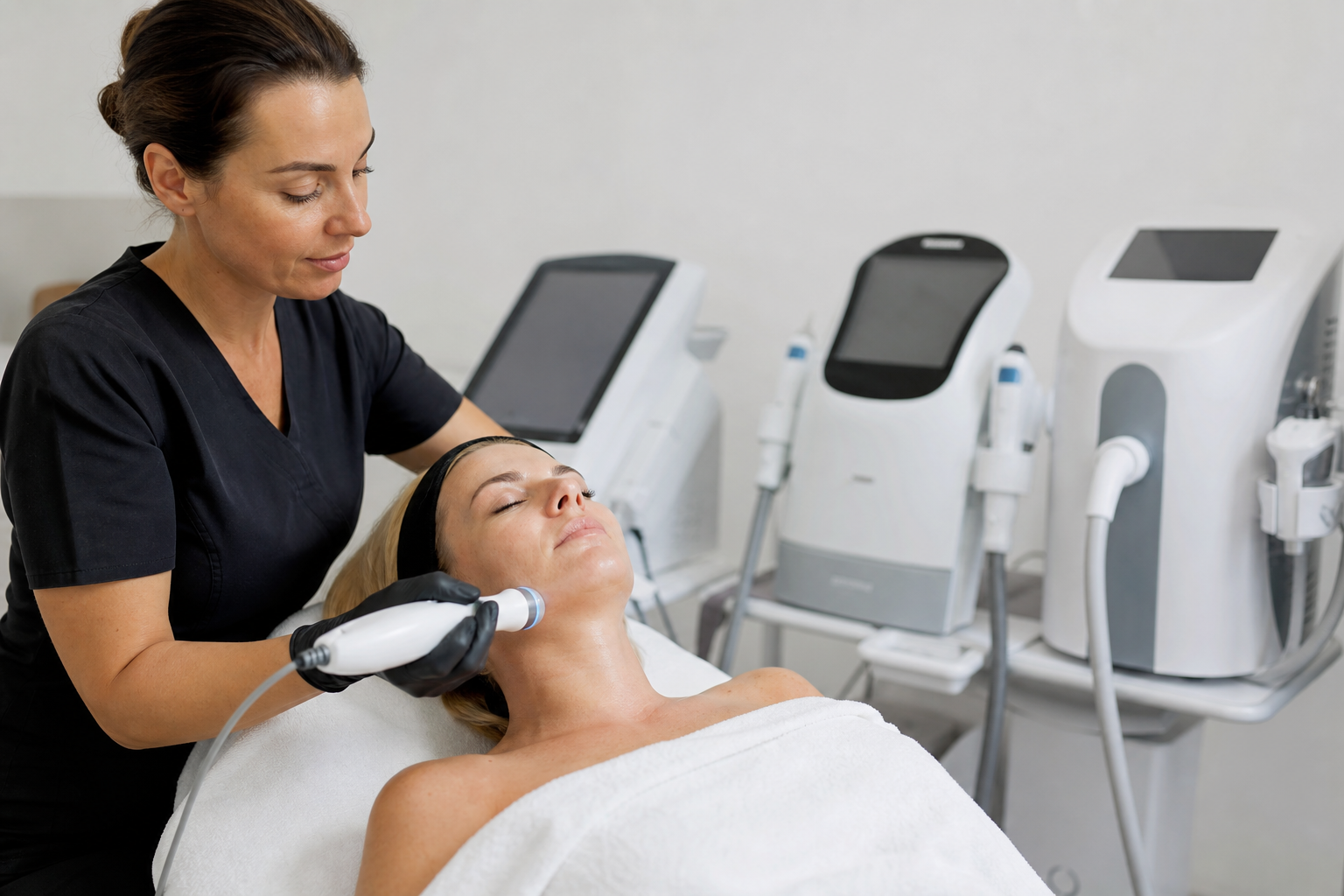
1. Non-Invasive Monopolar and Bipolar RF: These devices deliver radiofrequency energy through electrodes placed on the skin's surface. They generate heat primarily in superficial dermal layers and are suitable for patients with early skin laxity. Sessions are generally painless, with minimal risk and no recovery time.
2. Fractional (Fractured) RF Without Needles: This modality combines radiofrequency energy with fractional heating patterns that create microscopic zones of thermal injury within the skin. Although no needles are used, this controlled trauma triggers a more robust collagen response, with mild recovery needed for superficial redness or swelling.
3. RF Microneedling: This more advanced technology integrates tiny needles with radiofrequency delivery, penetrating the skin to deposit energy directly within lower dermal layers. It effectively treats more significant laxity and textural irregularities, with some downtime from mild swelling, redness, or pinpoint bleeding.
4. Minimally Invasive RF Systems: These techniques utilize thin probes inserted beneath the skin or into subcutaneous layers to target soft tissue more deeply, akin to surgical tightening but without large incisions. These treatments require local anesthesia and skilled operators and are reserved for patients with moderate laxity who desire more significant lifting without full surgery.
How Does RF Lifting Compare to Surgical Facelift for Lower Face Contouring?
RF lifting offers several advantages over surgical facelifts, primarily by virtue of its non-invasive nature. It reduces the risk of complications such as scarring, infection, and nerve damage, eliminates anesthesia-related concerns, and allows patients to resume normal routines immediately without the need for extended convalescence.
In terms of outcomes, RF lifting is excellent for enhancing skin tightness, elevating mild sagging, and improving skin texture in the lower face. The results are natural and progressive as collagen regenerates, generating subtle but meaningful improvements over time.
Conversely, surgical facelifts produce dramatic and immediate results by physically repositioning tissues and removing excess skin. They are the preferred choice for advanced signs of aging but require general anesthesia, longer recovery, and a higher level of invasiveness.
Ultimately, RF lifting represents a valuable option for patients prioritizing safety, convenience, and subtle rejuvenation, while surgery remains reserved for those with substantial structural changes needing comprehensive correction.
What Should Patients Expect During the RF Lifting Procedure for the Jawline and Lower Face?
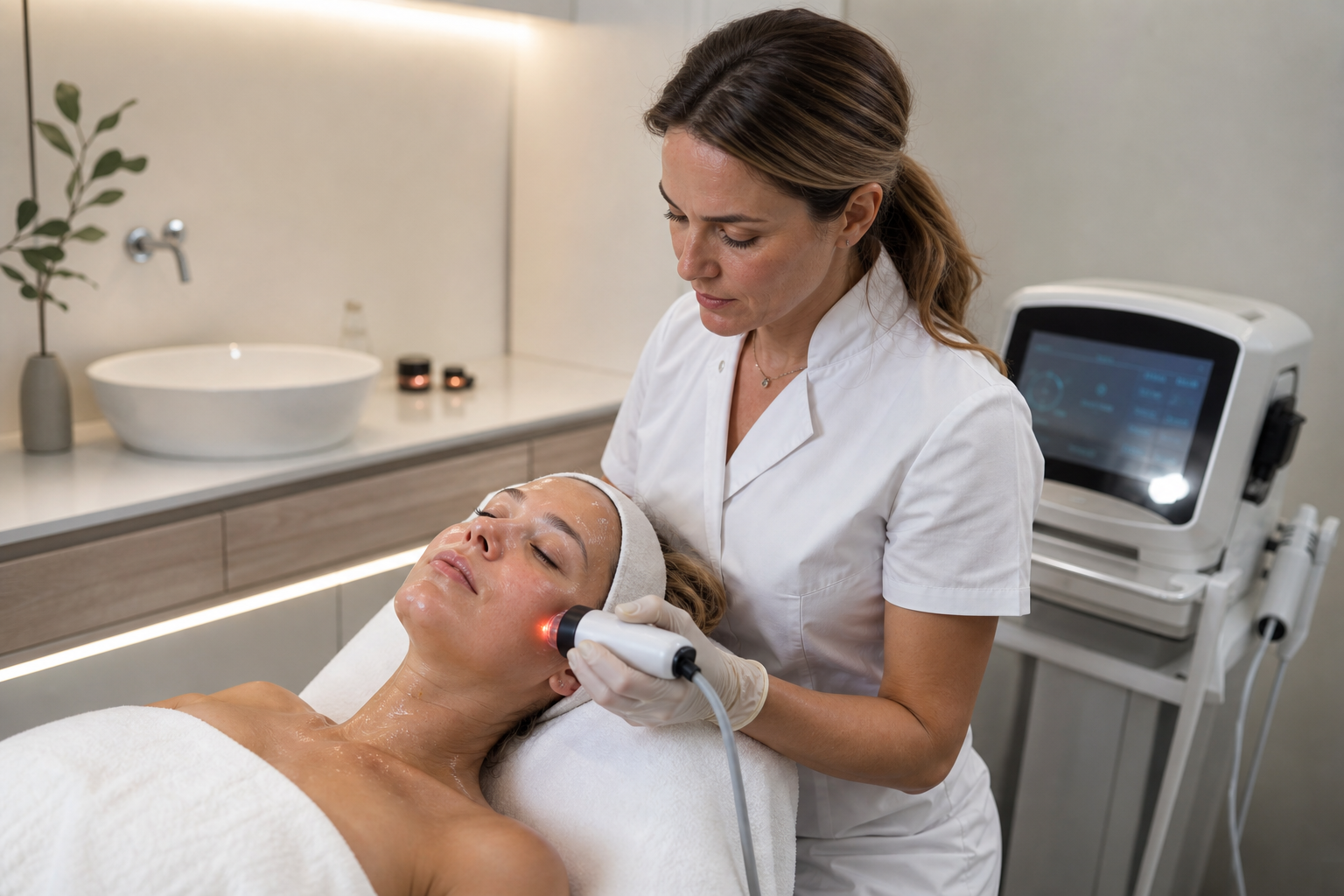
Procedures typically last 30 to 60 minutes and are performed in dermatology or aesthetic medicine clinics. Prior to treatment, the skin is cleansed and a conductive gel may be applied to facilitate energy transmission and protect the epidermis.
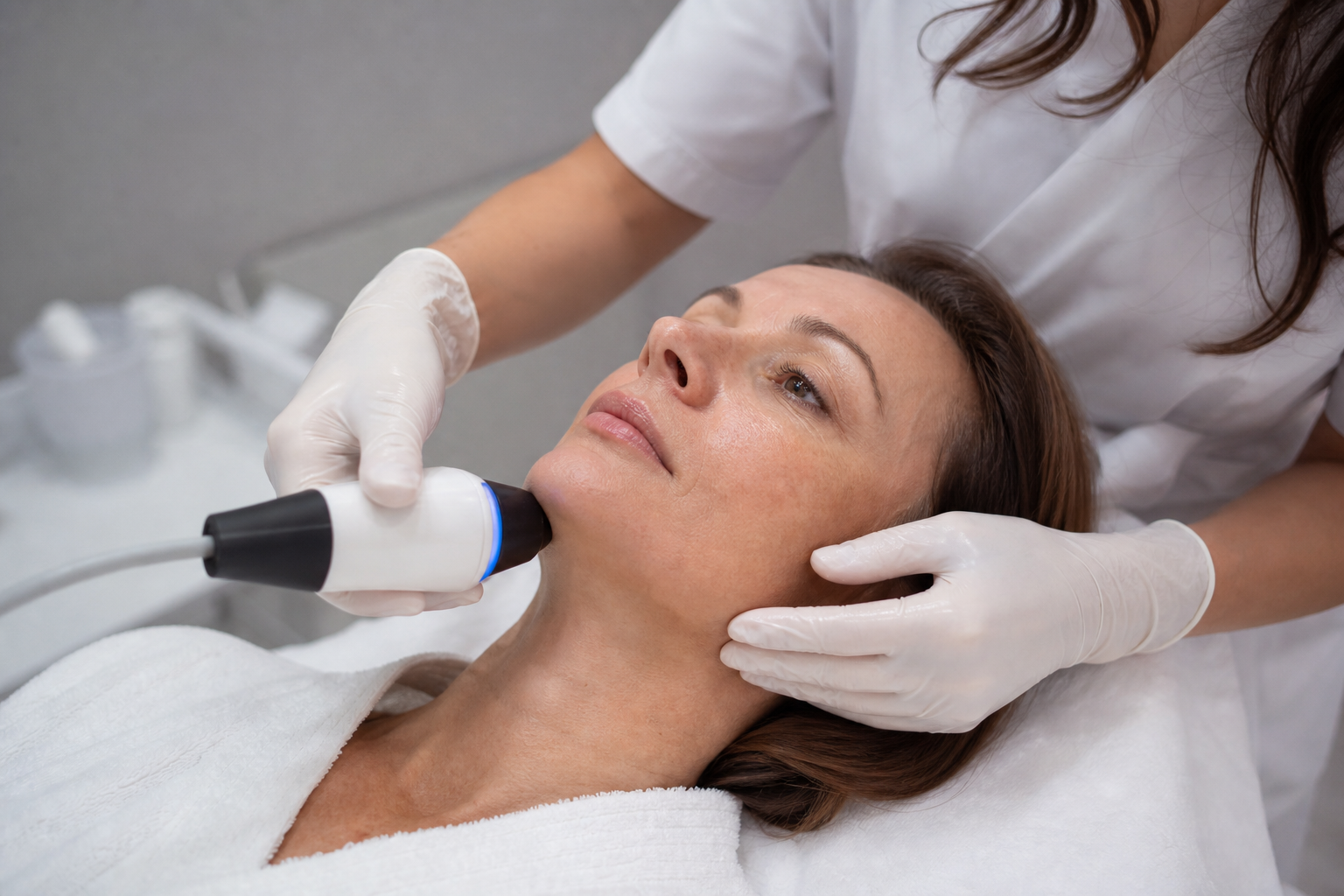
The RF device is then slowly maneuvered over the jawline and lower face, delivering controlled radiofrequency waves. Patients often report a warm sensation deep in the skin, which is generally comfortable and well-tolerated. Operators carefully monitor temperature levels to ensure safety and optimal therapeutic effects.
After treatment, slight redness or mild swelling may be visible but usually wanes within hours. There is no downtime, allowing immediate return to daily activities. Multiple sessions, spaced weeks apart, are typically recommended to build collagen remodeling and achieve progressive tightening.
What Are the Realistic Results and Limitations of RF Lifting for Lower Facial Contouring?
With a proper treatment regimen, patients can expect firmer skin texture, less visible fine lines, and improved jawline definition that restores a youthful profile. The natural collagen regeneration process contributes to ongoing enhancements over several months.
However, RF lifting is not intended to remove deep nasolabial folds, eliminate substantial skin excess, or sculpt fat deposits such as pronounced double chins with the precision of surgical or energy-based lipolysis methods. Its impact is primarily on skin quality and mild tissue contraction rather than dramatic restructuring.
Moreover, individuals’ responses may vary due to factors like age, skin type, lifestyle, and the extent of initial laxity. Setting appropriate expectations and maintaining open communication with the treating professional are crucial to patient satisfaction.
How to Choose a Qualified Professional and Clinic for RF Lifting Treatments?
Given the technical nuances and safety considerations of RF lifting, selecting an experienced and credentialed practitioner is essential. Board-certified dermatologists or plastic surgeons with specialized training in RF technologies are best equipped to perform these procedures competently.
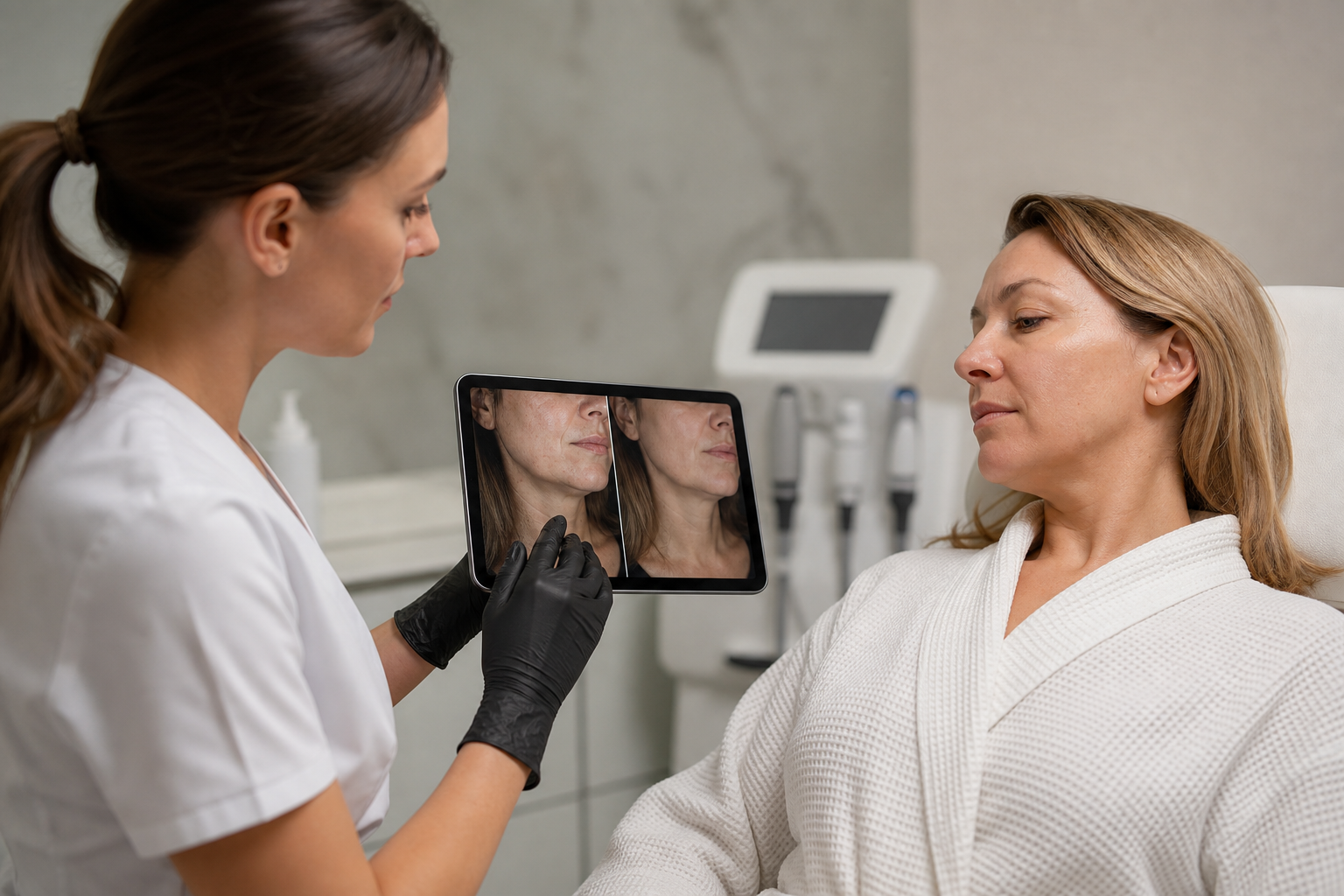
Prospective patients should inquire about the specific equipment being used, review before-and-after galleries, and assess the provider’s familiarity with lower face contouring applications. Personal consultations allow for tailored treatment plans aligned with individual goals, health status, and skin characteristics.
Ensuring adherence to rigorous hygiene protocols and transparent discussion of risks and benefits further supports a successful and safe treatment experience.
What Common Misconceptions Surround RF Lifting for the Jawline and Lower Face?
One pervasive myth is that RF lifting can replace comprehensive cosmetic surgery for all types of facial aging. While it is powerful for enhancing skin tone and texture, it does not replicate the structural outcomes of surgery, especially in advanced cases. Unrealistic expectations can lead to disappointment if not managed appropriately.
Another misunderstanding is the assumption that results are immediate and permanent after a single session. In reality, collagen remodeling unfolds gradually, and maintenance treatments may be necessary to sustain improvements over time.
Lastly, while generally considered safe, RF procedures are not devoid of minor side effects such as transient redness or swelling, which should be respected by patients to ensure optimal healing.