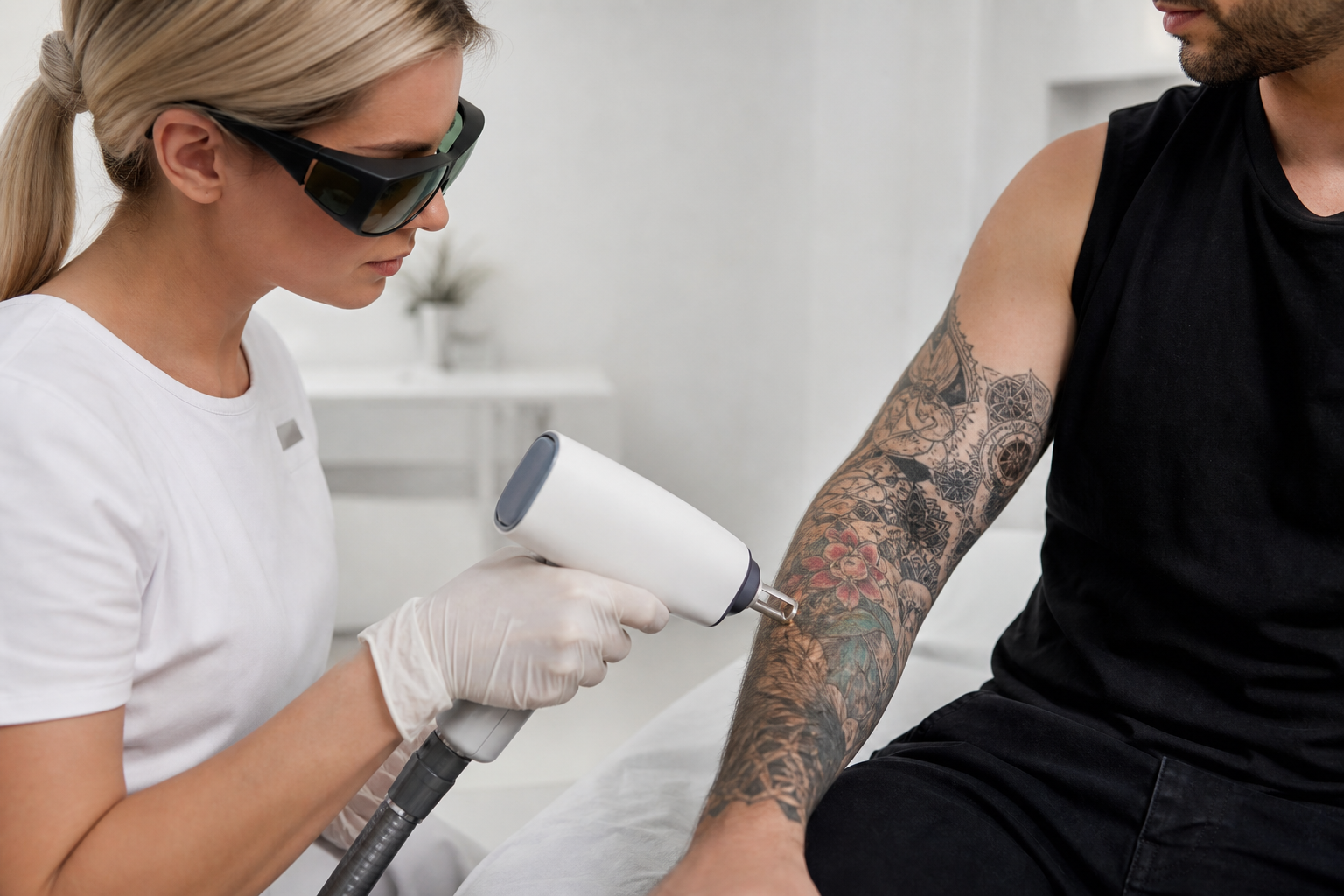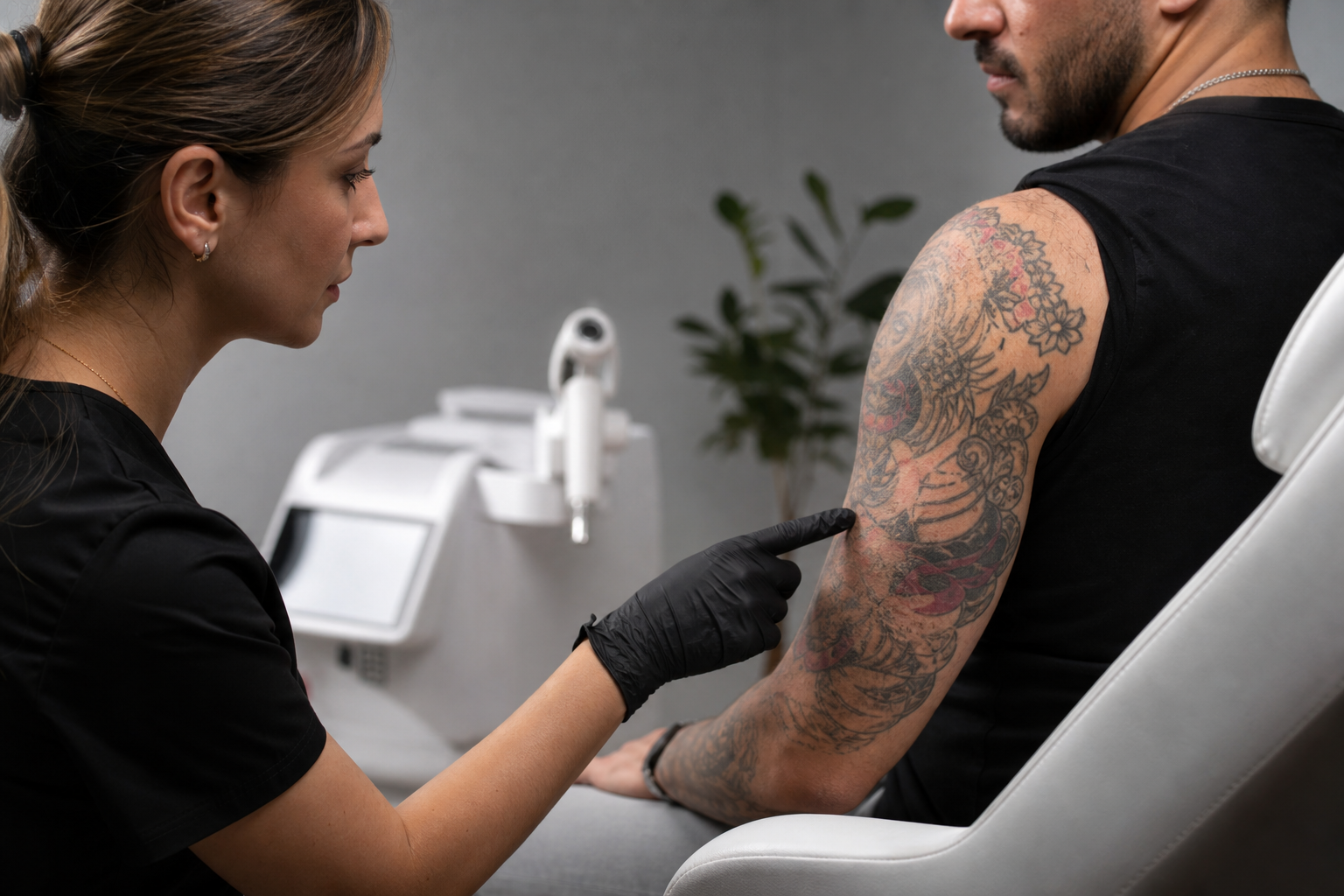
Laser tattoo removal has revolutionized the way people approach the permanence of their tattoos. Once considered a lifelong mark, tattoos are now often seen as flexible expressions—elements that can be altered or even erased with modern technology. However, one of the most common questions from those considering tattoo removal is straightforward yet crucial: How many sessions are needed to remove a tattoo? This question, while seemingly simple, involves a nuanced answer because the number of sessions is not a fixed figure but a variable influenced by several important factors.
This article delves deeply into the intricacies of laser tattoo removal sessions. It is crafted for anyone interested in understanding the process thoroughly—whether you are contemplating your first treatment, in the midst of removal and seeking clarity on progress, or simply want to set realistic expectations grounded in medical expertise. Understanding why the session count varies and which considerations guide that variation is vital for making informed decisions and having a satisfying outcome.
Beyond just counting sessions, we will explore the reasons behind session variability, the science of laser treatment, and the importance of expert consultation. From pigment color and depth, tattoo size and location, to skin type and immune response, multiple elements interact to define the journey of tattoo fading. Ultimately, navigating tattoo removal responsibly involves embracing patience and medical guidance to achieve the best possible results without compromising skin integrity.
What Determines the Number of Sessions Required for Laser Tattoo Removal?
The fundamental principle behind laser tattoo removal lies in the laser’s ability to break down ink pigments embedded in the skin. These fragmented pigment particles are then gradually eliminated by the body's immune system. However, this seemingly straightforward mechanism is influenced by many variables, resulting in a wide range of session requirements from person to person.
Ink Composition and Color: Different colors absorb laser wavelengths with varying efficiencies. Black ink, which absorbs most laser wavelengths strongly, is typically the easiest and quickest to remove. In contrast, lighter colors such as yellow, green, or blue require specialized lasers and often more sessions to achieve meaningful fading.
Depth and Concentration of Pigment: The deeper the pigment resides beneath the epidermis and into the dermis, the more challenging it is to reach and fragment effectively. Professional tattoos tend to deposit ink more uniformly and deeply, while amateur tattoos often deposit pigment superficially, making them easier to remove.
Tattoo Size and Density: While larger tattoos generally need more sessions due to the greater area treated, density and saturation of pigment also matter. A smaller tattoo with dense, dark ink can sometimes require as many or more sessions than a larger tattoo with lighter, faded ink.
Skin Type and Health: Individual biological factors including skin type, immune system efficiency, and overall health impact how quickly the body clears fragmented ink particles. Some skin types might respond differently, necessitating variations in treatment frequency and intensity to ensure safety and efficacy.
How Does the Location of the Tattoo Affect Treatment Sessions and Effectiveness?
The placement of a tattoo on the body significantly influences both the removal process and the number of sessions needed. This is primarily due to variations in blood flow, lymphatic drainage, and skin characteristics at different body sites.
Tattoos located on areas with rich blood circulation, such as the upper arms, chest, or face, often respond better and faster to laser treatments. Efficient circulation aids in the transport and clearance of fragmented ink byproducts, which can reduce the total number of sessions and enhance healing.
Conversely, tattoos on distal extremities or areas with poorer circulation—such as wrists, ankles, hands, and feet—often require more sessions spaced out over longer periods. The immune system clears pigment more slowly in these regions, extending treatment duration.
Additionally, the skin’s thickness and sensitivity vary by location. Thinner or more delicate skin may limit the laser energy that can be safely applied, potentially increasing the total number of sessions and the caution needed between treatments to avoid adverse effects.
Why Are Professional Tattoos Generally More Challenging to Remove Than Amateur Tattoos?
Professional tattoos typically involve deeper, more consistent pigment implantation using high-quality inks that are designed to be long-lasting. In contrast, amateur tattoos often use less stable inks deposited more superficially, which usually results in easier removal.
The uniform depth and density of professional tattoos mean that the laser must penetrate consistently and fragment a substantial amount of pigment. This often translates to more treatment sessions spread over a longer period to achieve satisfactory fading.
Amateur tattoos, having shallower and less concentrated pigments, generally respond to fewer treatments and show faster progress. However, variations within each category occur due to individual differences in ink composition and skin characteristics.
This distinction is important in setting patient expectations and crafting personalized treatment protocols. It emphasizes the necessity of initial professional assessment to evaluate tattoo type and complexity.
What Is the Recommended Interval Between Laser Tattoo Removal Sessions and Why?
Allowing adequate time between laser sessions is paramount to the safety and success of tattoo removal. The usual recommended interval ranges from 6 to 8 weeks, though in some cases it may be extended based on individual healing and response.
This resting period enables the body's immune system to process and remove the fragmented pigment particles broken down by the laser. Simultaneously, it allows the skin to heal the mild trauma caused by the procedure, reducing the risk of complications such as scarring, infection, or pigmentation changes.
Shortening the interval between sessions may seem appealing for faster results but can lead to adverse effects and impaired healing. Each session must build progressively upon the previous one with the skin regaining strength for subsequent treatments.
Practitioners closely monitor skin condition and healing progress during this waiting period to determine the optimal timing of next sessions and adjust treatment parameters accordingly.
When Can Patients Expect to See Visible Results, and How Should Progress Be Monitored?
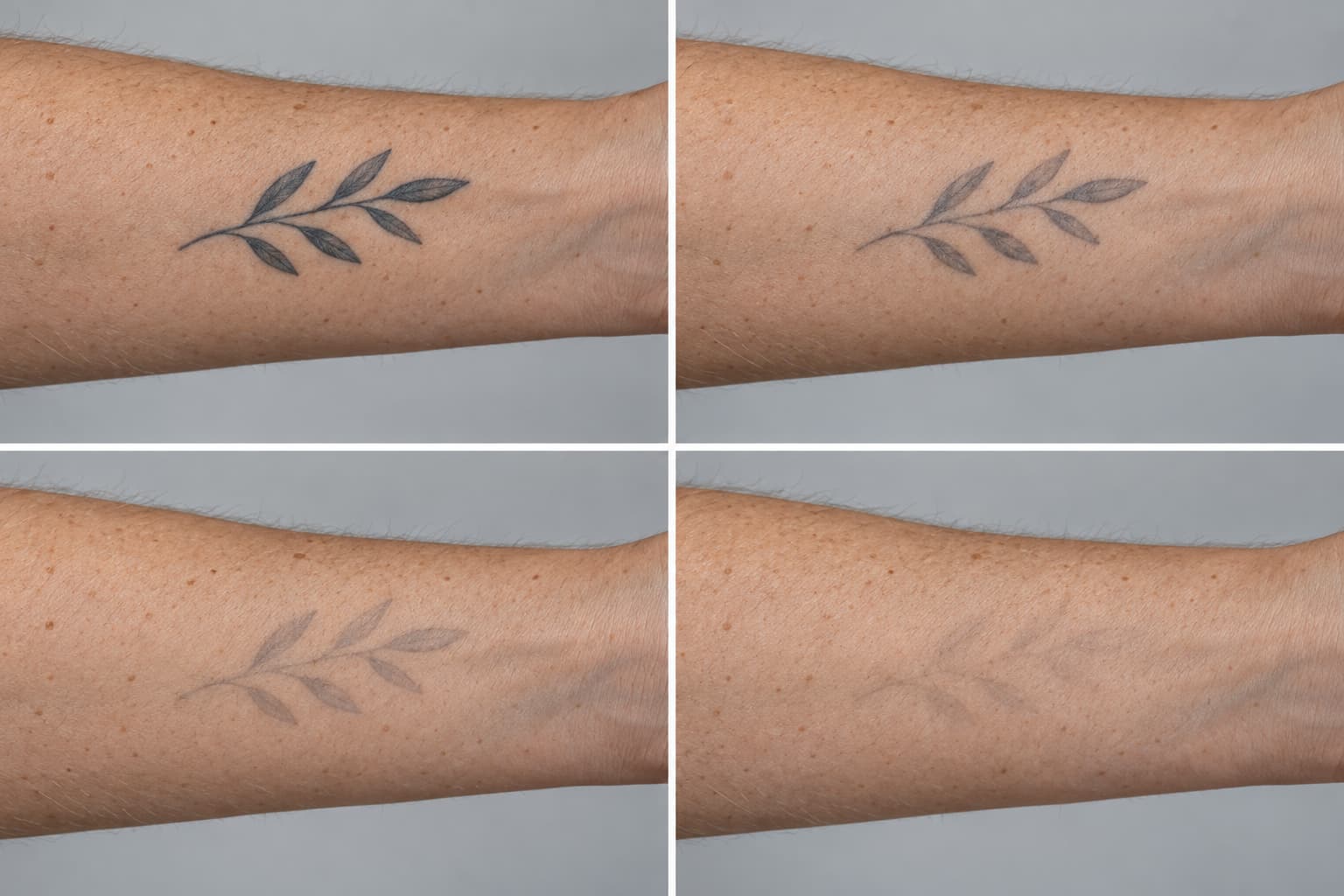
While some fading may be noticeable after the first laser session, the tattoo removal process is fundamentally gradual. Visible changes tend to accumulate over multiple treatments as the ink lightens and lines become less defined.
Typically, after two to three sessions, appreciable differences in color intensity and clarity of the tattoo will be observed. However, this timeline varies depending on the tattoo’s characteristics and individual factors.
Progress is best gauged by comparing photographs taken before treatment and during follow-up evaluations. This objective assessment aids in adjusting treatment plans and maintaining realistic expectations.
It is important for patients to understand that complete removal may require upwards of ten or more sessions in some cases, especially with resistant pigments and professional tattoos. In others, significant fading sufficient to allow cover-up tattoos or acceptable cosmetic appearance may be achieved earlier.
Why Is It Medically Risky to Speed Up the Tattoo Removal Process?
Attempting to accelerate tattoo removal by shortening intervals between sessions or increasing laser intensity beyond recommended levels compromises both safety and outcomes. The skin and immune system require adequate time to handle the pigment breakdown and tissue recovery.
Excessive or premature treatments may lead to complications such as blistering, swelling, persistent redness, scarring, or permanent changes in skin color (hyperpigmentation or hypopigmentation). These not only impact cosmetic results but can result in lasting skin damage.
A cautious, measured approach ensures that each laser session effectively targets pigment particles while preserving healthy skin and promoting proper healing. Clinician supervision ensures that individual response guides the treatment timeline rather than arbitrary acceleration.
How Can One Recognize When It’s Appropriate to Stop Tattoo Removal Treatments?
Not all tattoos respond equally to laser removal, and sometimes the process reaches a plateau where further sessions yield minimal improvement or pose increasing risk. Indicators to consider discontinuation include:
Lack of Significant Fading: If after multiple treatments, the tattoo remains substantially unchanged, it may suggest pigment types or depths resistant to laser therapy.
Skin Health Concerns: Development of adverse skin reactions, such as prolonged irritation, scarring tendencies, or pigmentation disorders, may contraindicate continuing treatment.
Satisfactory Aesthetic Outcome: Some patients may decide that partial fading is sufficient for their goals, such as making the tattoo less conspicuous or preparing it for a successful cover-up tattoo.
In such cases, alternative approaches can be explored including cosmetic camouflage, surgical excision in selected instances, or professional tattoo cover-ups. It is essential to consult experienced professionals to weigh options and avoid unnecessary skin trauma.