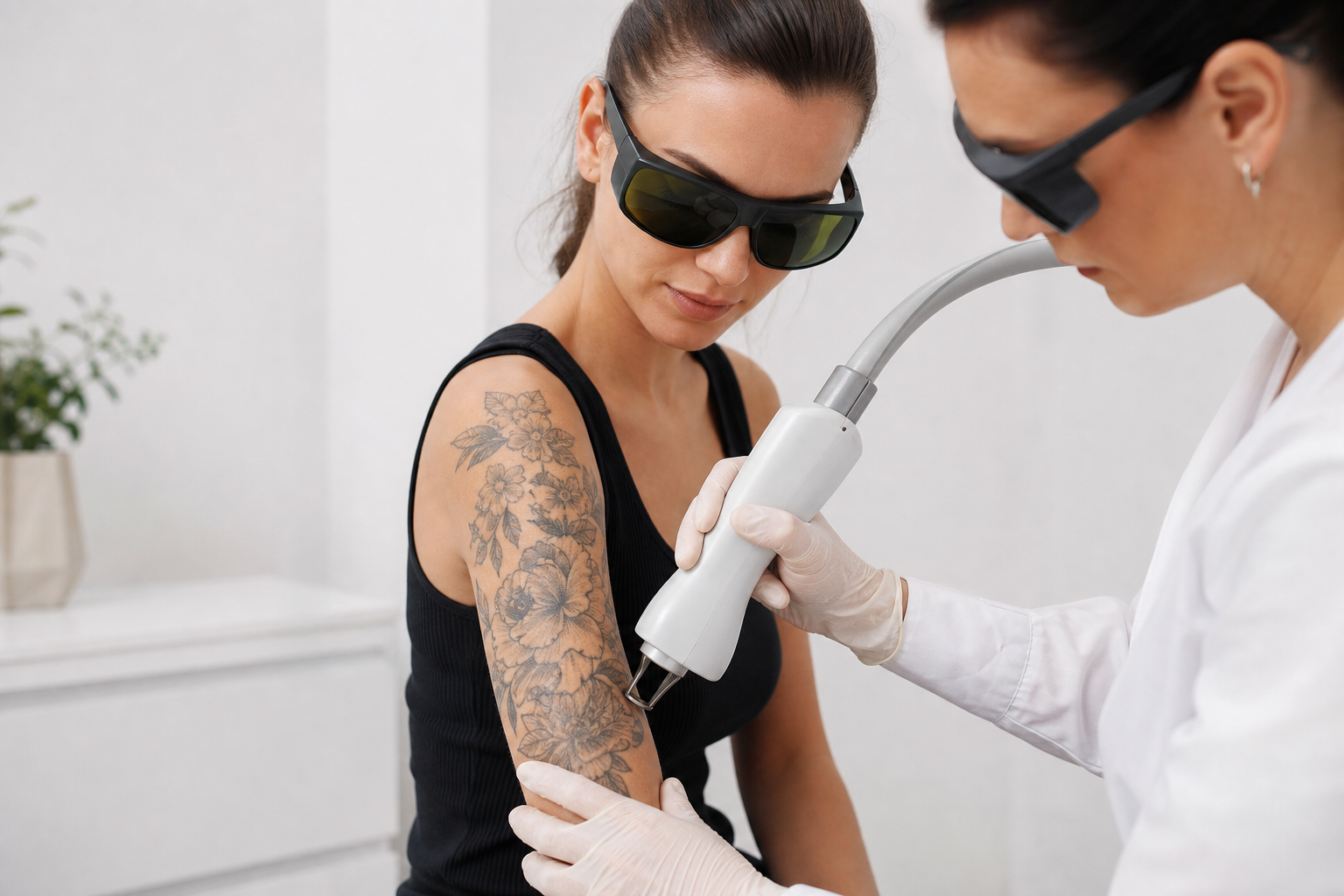
Laser tattoo removal has become increasingly popular as individuals seek to erase or modify undesired tattoos. While advancements in technology have made these procedures more accessible and effective, understanding the common skin reactions that follow laser treatments is paramount. This knowledge is crucial not only for those considering tattoo removal but also for dermatologists and aesthetic practitioners aiming to ensure both safety and optimal results. Recognizing expected skin responses, associated risks, and appropriate care measures helps manage patient expectations and reduces the likelihood of adverse effects.
This comprehensive article explores the typical skin reactions after laser tattoo removal, emphasizing why these responses matter for safety and treatment efficacy. Special attention is directed at how different skin types, particularly darker and tanned skin, influence these reactions and related risks. Importantly, the article clarifies that laser tattoo removal should never be approached through do-it-yourself (DIY) methods due to potential complications and the need for professional expertise.
By delving into this topic, both prospective patients and healthcare providers can gain a deeper appreciation of post-treatment expectations, enabling careful preparation, vigilant monitoring, and appropriate intervention when necessary. This approach fosters safer outcomes and contributes to the advancement of laser procedures within dermatology and aesthetic medicine.
What Are the Most Common Skin Reactions Following Laser Tattoo Removal?
The skin is the primary organ affected during laser tattoo removal since it serves as both the interface and the target tissue. Immediately after treatment, a spectrum of skin reactions can be observed, most of which are part of the natural healing and immune response to laser-induced pigment fragmentation.
The most frequently reported skin reactions include mild erythema (redness), edema (swelling), itching, burning sensations, and warmth localized to the treated area. These symptoms collectively represent an acute inflammatory response, stimulated by the laser's photothermal effect targeting tattoo ink particles. Importantly, laser systems are designed to selectively affect pigment while minimizing damage to surrounding skin structures.
Redness typically occurs due to increased blood flow in superficial capillaries responding to micro-injuries caused by laser energy. Swelling arises as fluid accumulates in the interstitial space during inflammation but is generally transient, resolving within hours to a few days. Patients may also experience pruritus and mild burning as nerve endings react to tissue disruption and the reparative process.
Less commonly, some individuals may develop blisters or vesicles, which signal a heightened skin reaction or overexposure to laser energy. These manifestations warrant careful assessment, as they can predispose to secondary complications if left unmanaged. Additionally, pigmentary alterations—either darkening (hyperpigmentation) or lightening (hypopigmentation) of the skin—may emerge days to weeks following treatment, reflecting melanocyte activity changes in response to inflammation or injury.
Why Is Understanding Skin Reactions Crucial for Treatment Safety?
Comprehension of typical versus atypical skin responses is integral to ensuring the safety of laser tattoo removal procedures. Expected reactions indicate that the laser has effectively interacted with the targeted ink particles and that the skin's reparative mechanisms are underway. However, deviations from typical presentations might reveal early signs of adverse effects such as infections, excessive tissue damage, or improper laser parameters.
Both practitioners and patients benefit from recognizing these early warning signs to enable timely intervention. For instance, prolonged or worsening redness and swelling could suggest infection, while severe blistering might indicate an inappropriate laser fluence setting. Prompt identification and management can prevent progression to scarring or permanent pigmentary changes.
This vigilance assumes increased importance when treating individuals with darker skin tones or recently tanned skin, where heightened melanin levels can intensify inflammatory responses and pigment alterations. Hence, a thorough understanding of skin reactions is not only essential for treatment efficacy but also for minimizing risks and protecting patient well-being.
How Do Skin Type and Tanning Affect Reactions After Laser Tattoo Removal?
Skin phototype classification, which ranges from very light (Type I) to very dark (Type VI), fundamentally affects how skin responds to laser energy. Lighter skin types typically tolerate laser tattoo removal with fewer complications due to lower melanin concentration, which reduces inadvertent absorption of laser energy by surrounding tissues. This contrast between tattoo pigment and skin predisposes to efficient ink targeting and a reduced risk of unwanted pigmentary shifts.
Conversely, darker skin types harbor more melanin, which can absorb laser energy and provoke a pronounced inflammatory response. This increased melanin presence escalates the possibility of hyperpigmentation, where the skin darkens after treatment, or hypopigmentation, characterized by lightened patches resulting from melanocyte damage. Additionally, individuals with darker skin are more susceptible to keloid and hypertrophic scar formation, further complicating the healing process.
Preexisting sun exposure and active tanning can exacerbate these risks. Tanned skin elevates melanin levels transiently, heightening the potential for thermal injury and irregular pigment changes. Given these considerations, laser parameters must be carefully calibrated, and treatments delayed if recent sun exposure has occurred. Evaluation by a dermatologist with expertise in laser therapy is vital to tailor interventions suited to each patient's phototype and skin condition.
What Preventive Measures Can Minimize Adverse Skin Reactions?
Effective prevention begins well before the first laser session. Patients are advised to avoid sun exposure and tanning beds for several weeks prior to treatment, thereby reducing melanin load in the epidermis and lowering the risk of unwanted pigmentary reactions. Hydrating and conditioning the skin enhances resilience and supports faster recovery.
During the procedure, experienced clinicians select laser types and laser energy settings appropriate for the tattoo colors and skin phototype. Careful test spots may be performed to ascertain skin tolerance. Post-treatment protocols emphasize protective and soothing skincare measures, including the use of topical emollients, avoidance of irritants such as harsh soaps, and strict sun protection with broad-spectrum sunscreens.
Monitoring by healthcare professionals during the healing phase ensures early detection of any complications, which facilitates swift management and adjustment of treatment plans. Importantly, patients should be dissuaded from attempting DIY removal methods or neglecting aftercare instructions, both of which can potentiate skin damage and impede successful outcomes.
When Should Patients Seek Dermatological Evaluation After Laser Tattoo Removal?
While mild redness, swelling, and discomfort are anticipated and self-limiting, certain symptoms necessitate prompt medical attention. Patients should consult a dermatologist if they observe persistent or worsening edema beyond several days, significant pain, formation of ulcers or crusted lesions, purulent discharge, or extensive pigmentary changes that do not improve.
Moreover, any signs of systemic infection such as fever, or the development of unusual skin texture and scarring, require specialist evaluation. Individuals with darker skin or a history of pigmentary disorders should remain particularly vigilant and maintain regular follow-up visits to monitor their skin's response. Early intervention can prevent progression to permanent scarring or dyspigmentation and optimize overall treatment safety.
What Are the Potential Pigmentary Changes Following Tattoo Removal?
Post-laser pigmentary alterations can manifest as hyperpigmentation or hypopigmentation. Hyperpigmentation results from melanocyte stimulation secondary to the inflammatory milieu, causing localized darkening of the skin. Although often temporary, these dark spots can persist for months and are distressing for many patients.
Hypopigmentation occurs when melanocytes are damaged or destroyed by laser energy, leading to lighter patches on the treated skin. This condition may resolve slowly over time but can persist and become permanent without appropriate management.
Distinguishing between these two pigmentary conditions is essential for applying specific therapeutic strategies. Understanding these differences enables informed patient counseling and helps set realistic expectations.
Is Scarring a Common Consequence of Laser Tattoo Removal?
Modern laser systems and evidence-based protocols have significantly reduced the risk of scarring after tattoo removal. When performed correctly by skilled practitioners, the incidence of permanent scarring is minimal. However, certain circumstances increase this risk: overly aggressive laser settings, improper technique, secondary infections, or failure to adhere to aftercare instructions.
How Does Practitioner Expertise Impact Safety and Outcomes?
The qualifications and experience of the professional performing laser tattoo removal are fundamental determinants of both safety and effectiveness. Seasoned practitioners possess nuanced understanding of laser physics, skin biology, and individualized treatment planning. They can accurately assess skin type, tattoo characteristics, and contraindications, selecting appropriate laser parameters to maximize ink clearance while safeguarding skin integrity.
Untrained or inexperienced operators are more prone to errors such as excessive energy application or inadequate patient assessment, leading to complications including burns, pigmentation disorders, and longer recovery. Patients should seek treatment from board-certified dermatologists or licensed medical professionals with documented expertise in laser procedures. Consulting materials like "Why Does Practitioner Experience Affect Safety?" provide valuable perspectives on this topic.
Why Must Treatment Be Delayed or Adjusted for Tanned Skin?
Recent tanning or naturally dark skin presents a unique challenge due to elevated epidermal melanin, which absorbs laser energy nonspecifically. This can cause unintended thermal injury to normal skin cells, amplifying inflammation and increasing the risk of adverse pigmentary changes and scarring.
Therefore, dermatologists often recommend postponing laser tattoo removal until the skin returns to its baseline tone. During this waiting period, rigorous sun protection using high SPF broad-spectrum sunscreens is imperative. Adjusting laser protocols, such as lowering fluence or opting for longer wavelengths, also helps minimize melanin targeting and potential complications.
Understanding these risks is critical for patient safety and successful outcomes. For a detailed exploration of this topic, resources like "Risks of Treating Tanned Skin" outline practical guidelines and scientific rationale.
What Should Patients Expect Immediately Following Laser Tattoo Removal?
Following a laser tattoo removal session, patients can expect transient redness and swelling at the treatment site, often accompanied by a mild burning or tingling sensation. These effects typically resolve within hours to a few days. Blistering or crust formation is less common but can occur, warranting careful skincare and avoidance of trauma to the area.
It is essential to apply soothing topical agents as recommended, maintain cleanliness, and protect the skin from sun exposure to support healing. Most patients require multiple sessions spaced several weeks apart to achieve significant tattoo fading, each reinforcing gradual ink breakdown and skin recovery.
Awareness of typical post-treatment symptoms, the importance of aftercare, and when to seek medical advice empowers patients to engage confidently in their tattoo removal journey, optimizing safety and satisfaction.


