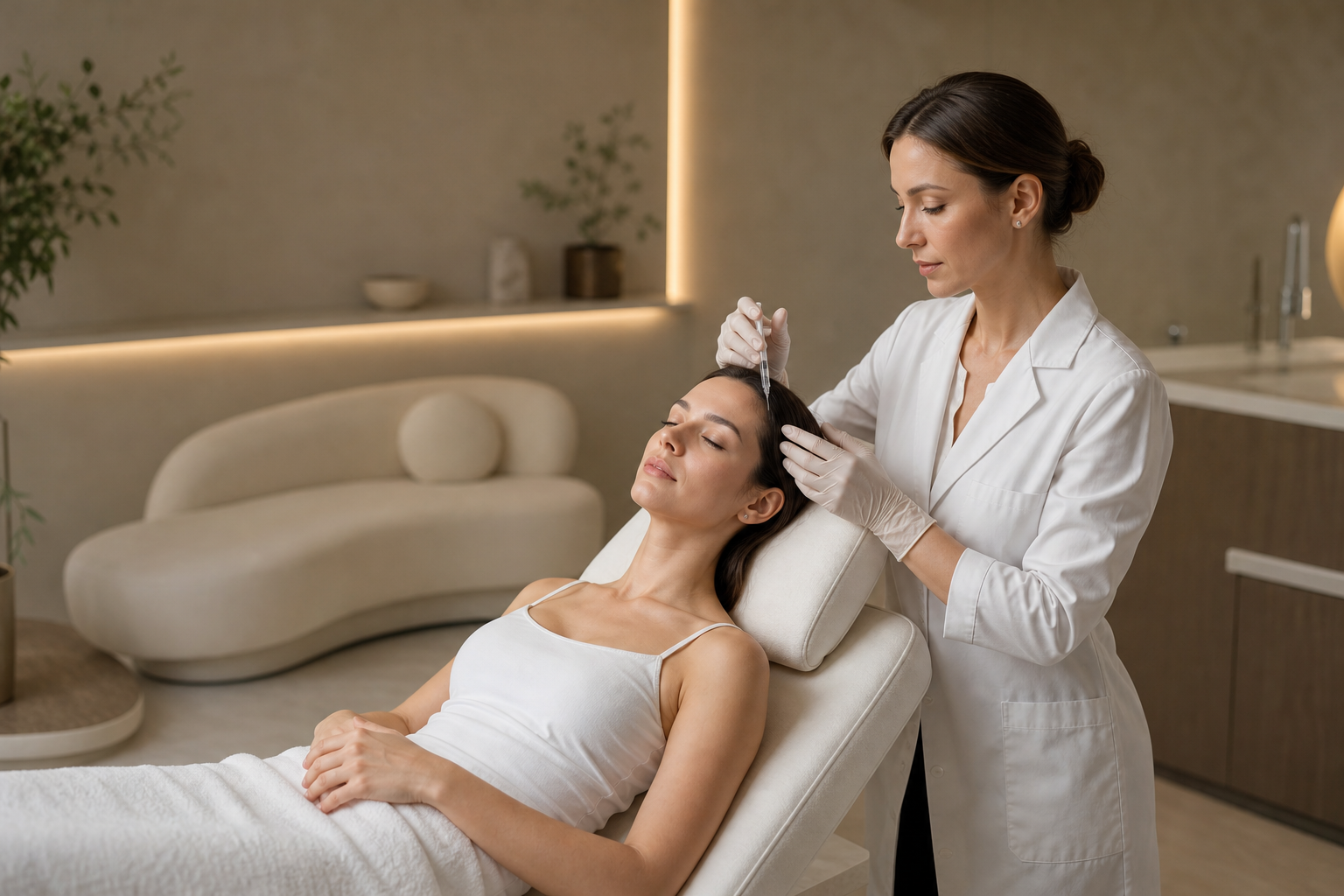
In the evolving world of aesthetic medicine, Botox has emerged as a cornerstone treatment against visible signs of aging. Traditionally seen as a remedy for existing wrinkles, recent years have witnessed the rise of a more proactive approach known as preventive Botox. This method aims not merely to erase wrinkles that have already formed but to delay their appearance altogether. Preventive Botox is gaining attention among younger individuals who have yet to develop pronounced wrinkles, as well as among older patients seeking to maintain a refreshed, youthful skin appearance over time.
This editorial offers a precise and insightful exploration of preventive Botox, unpacking its meaning, mechanisms, advantages, limitations, and the realistic expectations patients should harbor about its use. It will also highlight safety considerations and the importance of consulting qualified specialists for individualized treatment plans. Understanding preventive Botox requires familiarity with both the science underlying Botox and the evolving philosophy behind its application across different life stages.
The concept of preventive Botox is shaping the future of aesthetic care by encouraging an anticipatory rather than reactive mindset toward facial aging. It holds appeal for those who wish to maintain their natural look while embracing the benefits of modern dermatological science. However, it is crucial to approach this treatment with clear, evidence-based knowledge and realistic goals to fully appreciate its potential and boundaries.
The Medical Science Behind Preventive Botox and Facial Aging
Botox, scientifically known as botulinum toxin type A, operates by inhibiting the release of acetylcholine, a neurotransmitter responsible for signaling muscle contractions. When injected into targeted facial muscles, Botox temporarily relaxes these muscles, diminishing their ability to contract. Since wrinkles, especially dynamic ones like frown lines or crow's feet, form primarily due to repeated muscle movements, this inhibition can prevent or reduce wrinkle development.
Preventive Botox applications are typically directed at individuals between their early 20s and mid-30s, though some choose to start in their 40s. The premise is to minimize the frequency and strength of facial expressions that eventually etch lines into the skin. Younger skin generally still possesses robust elasticity and collagen density, thus responding favorably to these treatments. By dampening the underlying muscle activity early, preventive Botox delays the transition from fine lines to deeper, more permanent wrinkles. This strategy effectively slows the aging process without erasing natural expression.
Additionally, preventive Botox may help maintain skin volume and contour by reducing the mechanical stress exerted on the dermal layers. Prolonged muscular movements can contribute not only to surface creases but also to volume loss, contributing to an aged appearance. Therefore, early interventions can help preserve youthful skin texture and tone for a longer duration.
Adjusting Botox Strategies According to Life Stages
Botox's utility spans a broad age range, with treatment approaches tailored to the patient's age and aesthetic goals. For patients in their 20s and 30s, preventive Botox primarily serves to forestall wrinkle formation—for instance, softening the occasional repeated expressions that can harden into lines over years. The goal here is subtle moderation, maintaining a natural and dynamic facial appearance rather than a frozen look.
As patients progress into their 40s and 50s, the treatment strategy evolves. Early wrinkles may already be visible, and Botox serves a dual purpose: preventing deepening of existing lines while refreshing overall skin appearance. Deciding dosage and injection sites during these years requires nuanced clinical judgment to balance efficacy with expression preservation.
For patients beyond 60, Botox remains a valuable tool but functions best as part of a multimodal anti-aging plan. At this stage, skin laxity, volume loss, and textural changes play a more prominent role alongside dynamic wrinkles. Botox alone may offer limited results but when combined with dermal fillers, laser therapies, or skin tightening procedures, it can contribute meaningfully to a rejuvenated appearance.
It is also important to recognize gender-specific considerations in Botox application. Male facial muscle mass tends to be greater, necessitating tailored injection techniques and doses to avoid unnatural effects and to preserve masculinity in facial expressions. Preventive Botox, when skillfully administered, can subtly reduce wrinkle formation in men while respecting their distinct aesthetic needs.
Realistic Outcomes and the Role of Preventive Botox in Long-Term Skin Health
Though preventive Botox offers exciting possibilities, understanding its limitations ensures a balanced view. Botox does not halt biological aging but mitigates one visible component—dynamic wrinkle formation. Factors such as genetics, lifestyle choices, sun exposure, and skincare regimens significantly influence the skin's aging trajectory beyond muscle activity alone.
Patients opting for preventive Botox should recognize that results typically emerge within days and last between three to six months. Maintenance treatments are essential to sustain benefits. Moreover, Botox is most effective when integrated into a holistic skincare strategy encompassing sun protection, nutrition, hydration, and non-invasive procedures that bolster collagen and skin elasticity.
The psychological benefits of preventive Botox are notable. Many individuals report enhanced confidence and comfort in their appearance, with subtle treatment effects that avoid a frozen or artificial look. This naturalness is key to patient satisfaction and long-term adherence to anti-aging care.
Nonetheless, realistic expectations are critical. Botox is not a cure-all and cannot erase established wrinkles or skin laxity by itself. Transparency between practitioner and patient regarding achievable results fosters trust and helps prevent dissatisfaction.
Ensuring Safety Through Expert Consultation and Custom Treatment Planning
Botox is among the most extensively studied aesthetic treatments with a strong safety record when administered by trained healthcare professionals. Safe use demands personalized assessment of medical history, skin condition, and contraindications such as pregnancy, breastfeeding, neurologic disorders, or local infections.
Preventive Botox requires particular caution to avoid overtreatment, which can lead to unnatural facial expressions or asymmetry. The expertise of the practitioner is paramount in determining optimal injection sites and doses tailored to each patient's anatomy and aging signs.
Before initiating any Botox regimen, individuals should engage in thorough discussions with a qualified specialist who can clarify benefits, risks, and realistic expectations. Such informed consent empowers patients to make confident decisions aligned with their cosmetic and health priorities.
Intrinsic Limits of Preventive Botox Within Contemporary Aesthetic Practices
While preventive Botox presents compelling benefits, its scope is inherently confined. The underlying processes of aging involve not just muscle activity but complex changes in collagen structure, skin hydration, fat redistribution, and skeletal remodeling. Botox's capacity is restricted primarily to muscle relaxation; it does not restore volumetric loss or skin tightening caused by gravity and diminished tissue elasticity.
Consequently, for patients with advanced aging signs, combination therapies are often necessary to achieve noticeable rejuvenation. Dermal fillers can restore lost volume, lasers may enhance skin texture, and other modalities can tighten skin. Preventive Botox functions best as part of this integrated approach rather than a standalone solution.
Another limitation involves the temporary nature of Botox effects. Long-term commitment to treatment schedules is required, and discontinuation typically results in gradual reversion to previous wrinkle patterns. For those unwilling or unable to maintain treatments, expectations must be adjusted accordingly.
Lastly, psychological coping with aging involves more than physical treatments. Patients should be encouraged to cultivate broader wellness strategies encompassing mental health, nutrition, and lifestyle choices alongside aesthetic interventions.


