Fine lines around the eyes are among the first visible signs of aging, often revealing the passage of time more prominently than other facial features. The delicate skin in this area is thinner, more susceptible to environmental stressors, and naturally loses elasticity sooner than other parts of the face. For many, these lines are a cosmetic concern that affects confidence and overall facial harmony. In recent years, radiofrequency (RF) treatments have emerged as a leading, non-invasive solution to address these fine lines, offering a way to rejuvenate the skin without surgery or extensive downtime.
RF treatments use controlled radiofrequency energy to stimulate the skin’s natural production of collagen and elastin, essential proteins responsible for maintaining skin’s firmness and youthful texture. This technology has gained popularity for its ability to tighten skin and diminish the appearance of fine lines, especially in the sensitive eye area where traditional aesthetic procedures might pose greater risks. Whether a person is noticing the earliest signs of aging or seeking to enhance their skin’s tone without aggressive interventions, RF treatments provide a promising path.
This article serves as a comprehensive guide for those considering radiofrequency treatments for fine lines around the eyes. We will explore what RF therapy entails, who stands to benefit most from it, the variety of available techniques, and what results patients can realistically expect. By understanding this innovative approach, readers can make a well-informed decision grounded in safety, efficacy, and personal skin needs.
What Is Radiofrequency Treatment and How Does It Work on Fine Lines Around the Eyes?
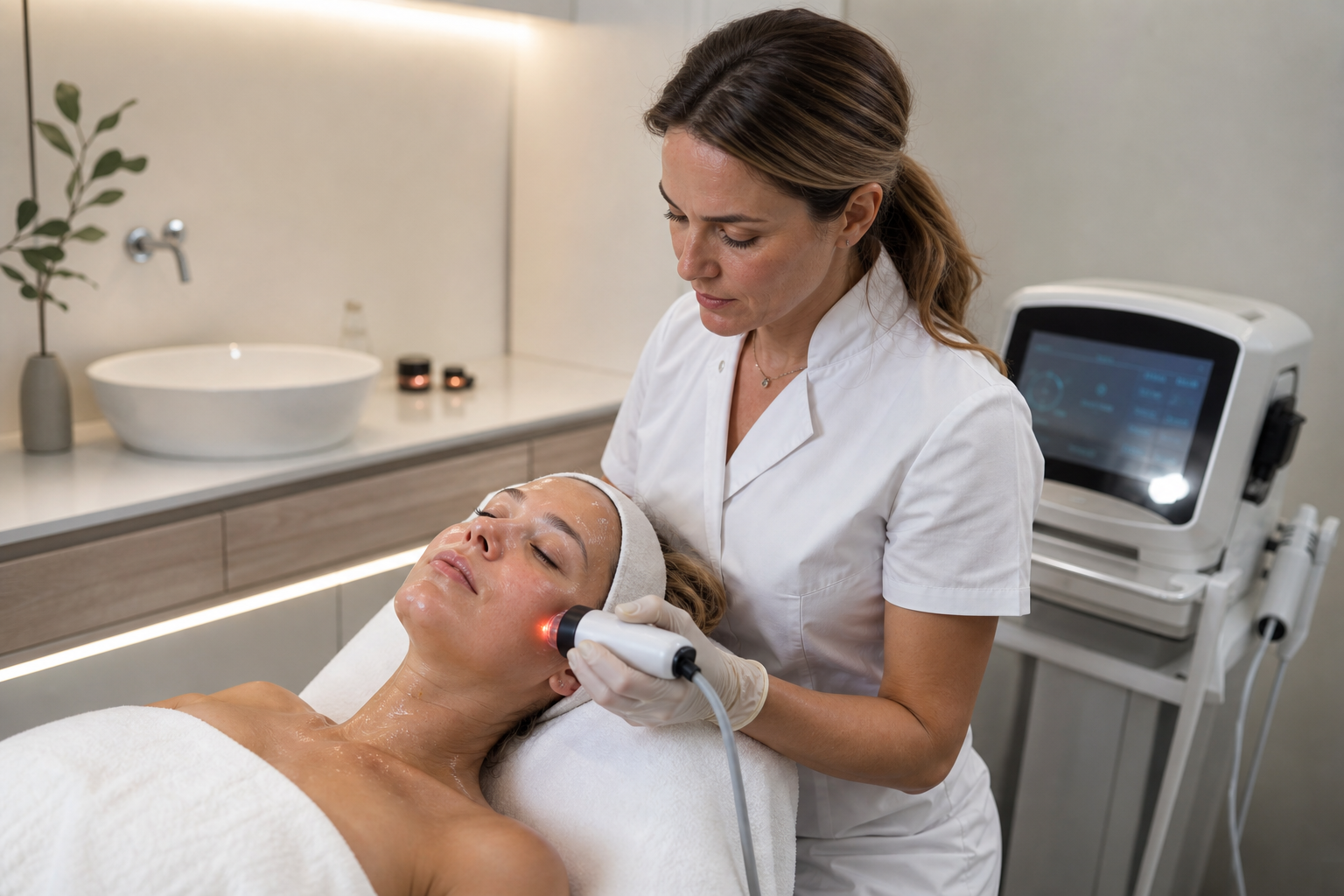
Radiofrequency skin tightening, commonly referred to as RF lifting in aesthetic medicine, is a technique that uses radiofrequency energy waves to heat targeted layers of the skin. This controlled heating stimulates fibroblasts, the skin cells responsible for synthesizing collagen and elastin fibers. These proteins provide structure, elasticity, and resilience to the skin, which diminishes as aging and environmental damage occur.
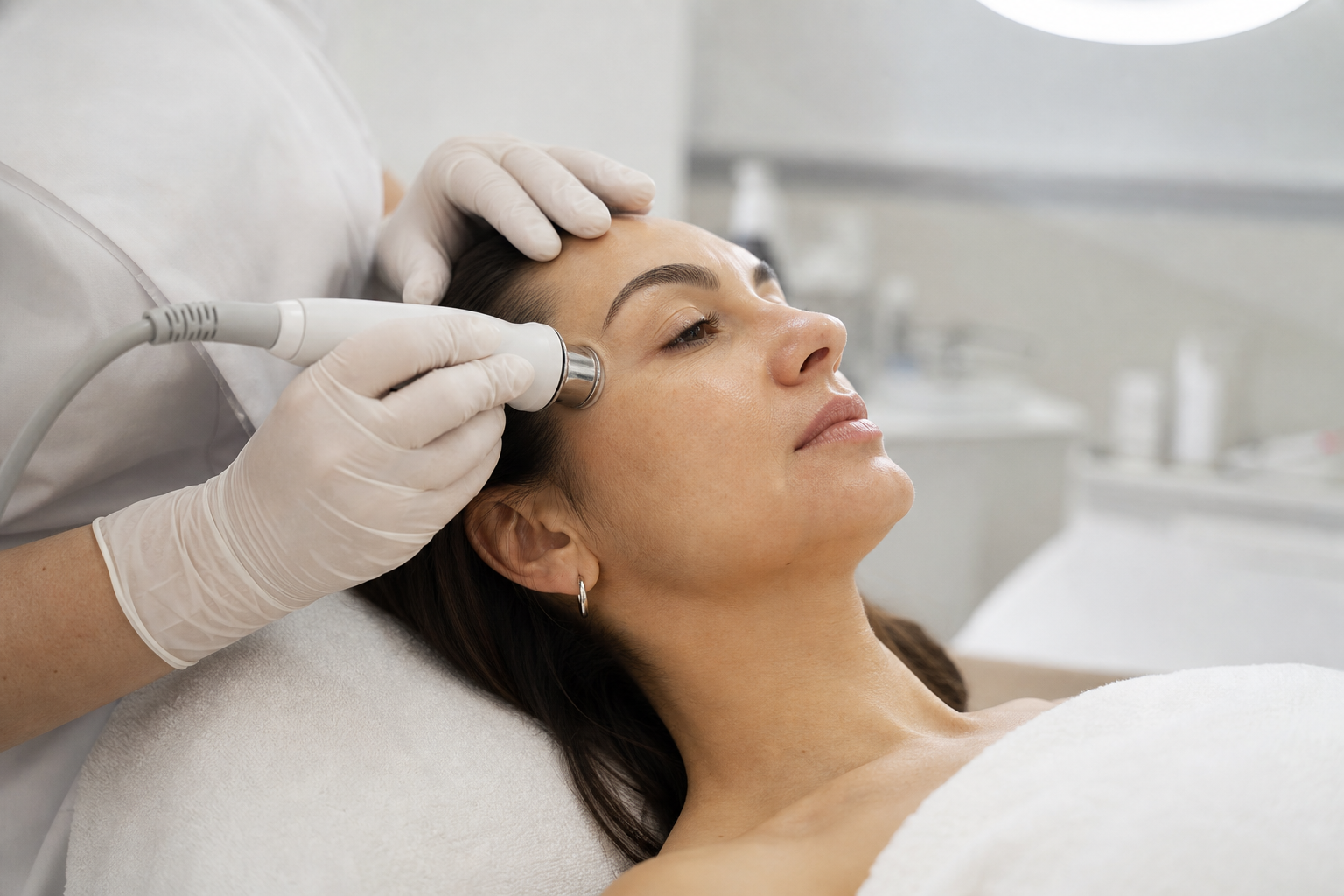
Specifically for the periocular area—the skin surrounding the eyes—RF treatment is designed to be gentle yet effective. The skin here is considerably thinner and more sensitive compared to other facial regions, demanding a precise and safe approach. Radiofrequency devices deliver thermal energy beneath the surface without damaging the epidermis, thus promoting collagen remodeling over time.
The heat generated during an RF session causes existing collagen fibers to contract immediately, producing a subtle tightening effect. More importantly, it kickstarts a process called neocollagenesis, where new collagen is formed gradually over several weeks. This cumulative collagen renewal leads to long-lasting improvements in skin firmness and texture, reducing the depth and visibility of fine lines around the eyes.
Unlike more invasive procedures, RF treatments generally do not require anesthesia or lengthy recovery periods. The non-ablative nature of radiofrequency makes it a particularly suitable option for individuals seeking discreet rejuvenation with minimal discomfort and risk.
Who Is the Ideal Candidate for RF Treatments Targeting Fine Lines Around the Eyes?
Radiofrequency treatment around the eyes is primarily intended for adults who have begun to notice fine lines, mild skin laxity, or subtle volume loss in this delicate area but who wish to avoid more aggressive procedures. Typically, candidates fall within their late 20s to mid-50s, when skin aging signs start to manifest but before the development of deeper wrinkles or significant sagging.
Individuals with fair to medium skin tones tend to respond well, though RF technology is versatile and commonly safe for all skin types. Importantly, those who have previously undergone cosmetic procedures but desire maintenance or gradual improvement without additional downtime often find RF treatments beneficial.
However, RF therapy may not be appropriate for everyone. People with certain medical conditions such as implanted electronic devices (e.g., pacemakers), active skin infections, keloid tendencies, or recent eye surgeries should consult thoroughly with a qualified provider. Additionally, pregnant or breastfeeding women are usually advised to postpone treatments until after these periods for safety reasons.
Choosing RF as a rejuvenation strategy is often motivated by a preference for natural-looking, gradual enhancements coupled with minimal intervention. It tends to appeal to those who value safety, versatility, and rejuvenated skin tone without the risks associated with surgery or laser-based therapies that can have longer healing times and possible pigmentary changes.
What Are the Different Radiofrequency Treatment Techniques for the Eye Area?
The landscape of RF technology has evolved to include several distinct modalities designed to cater to varying degrees of skin aging and patient preferences. Understanding these options helps select the treatment that best fits individual needs.
Non-Invasive Monopolar and Bipolar RF Devices
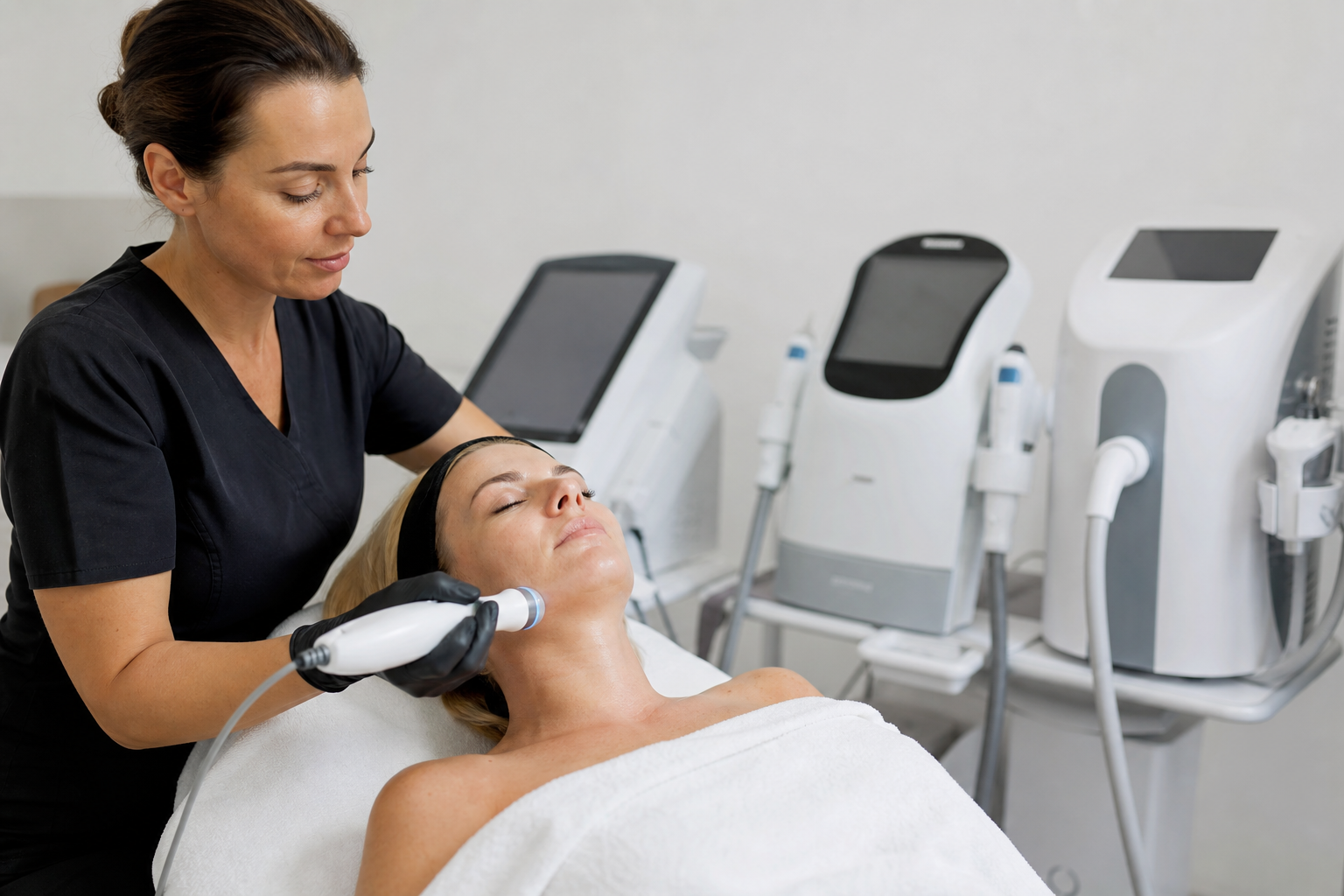
These are the most common and traditional forms of RF treatment for fine lines around the eyes. Devices applying monopolar or bipolar radiofrequency energy heat the dermis through electrodes placed on the skin’s surface. Treatments typically last 20 to 30 minutes and are painless, with only a warm sensation experienced during the procedure. Multiple sessions spaced weeks apart are often recommended for optimal results. This mode is excellent for early fine lines and mild skin tightening.
Fractional RF Microneedling
Fractional RF employs tiny needles that penetrate the skin and deliver radiofrequency energy directly into deeper layers. This method combines the benefits of microneedling—known for stimulating collagen through controlled micro-injury—with RF energy's thermal effects. Fractional RF microneedling is more intensive than surface RF treatments and may produce more noticeable improvements in fine lines and skin texture, albeit with some mild downtime due to temporary redness and swelling.
Multipolar and Tripolar RF Systems
These devices use multiple electrodes to create more uniform and deeper heating with enhanced safety profiles. Multipolar RF can improve collagen synthesis and skin elasticity by simultaneously delivering radiofrequency energy in a controlled, three-dimensional manner. They are well-suited for patients seeking progressive rejuvenation with minimal side effects.
Combination RF and Other Modalities
Some advanced treatments blend RF energy with additional technologies such as pulsed electromagnetic fields or light-based therapies to amplify skin rejuvenation. For example, RF combined with ultrasound or laser therapies can target various skin layers and concerns simultaneously, addressing both fine lines and pigmentation irregularities.
Ultimately, the choice of RF technique depends on the patient's skin condition, aesthetic goals, and tolerance for recovery time. A thorough consultation with a trained aesthetic professional is essential to customize the treatment plan.
What Are the Benefits of Choosing RF Treatments for Fine Lines Around the Eyes Compared to Other Options?
Radiofrequency treatments boast several advantages that have contributed to their increasing popularity among both patients and clinicians.
Non-Invasive Nature: RF treatments do not involve incisions, injections, or removal of skin tissue, significantly reducing risks such as scarring and infections commonly associated with surgical procedures.
Minimal Downtime: Most patients can resume normal activities immediately after treatment, making RF an attractive option for busy individuals seeking convenient skin rejuvenation.
Progressive and Natural Results: The stimulation of new collagen occurs gradually, providing subtle to noticeable improvements without the harsh or artificial look sometimes produced by more aggressive interventions.
Wide Applicability: RF technology can treat various signs of aging including fine lines, mild laxity, and uneven tone, making it a versatile solution especially for delicate zones like the area around the eyes.
Safety Profile: When performed by trained professionals, RF treatments have a low incidence of adverse effects. The specific parameters of radiofrequency energy delivery can be adjusted to suit sensitive skin areas.
How Should One Prepare for an RF Eye Treatment and What to Expect During the Procedure?
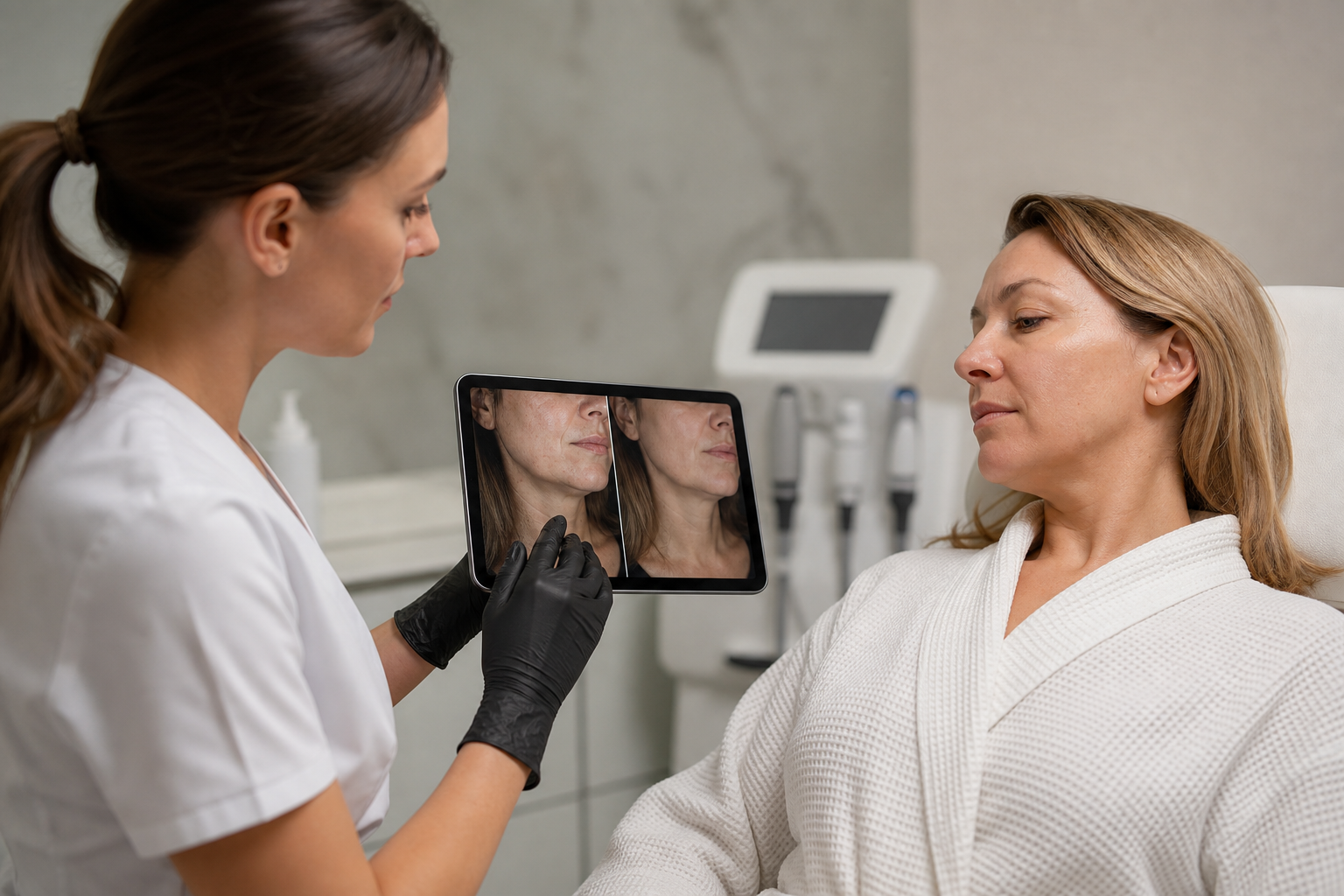
Preparation begins with a detailed consultation to assess skin quality, medical history, and aesthetic objectives. Patients may be advised to avoid excessive sun exposure, certain skincare products, or blood-thinning medications prior to the session to minimize complications.
On the day of treatment, the skin will be cleansed thoroughly. Some clinics apply a topical anesthetic for enhanced comfort, although most patients tolerate the procedure well without it due to the mild sensation of warmth generated by RF energy.
The actual treatment involves the application of RF devices over the eye area in a methodical pattern, ensuring even energy delivery. Sessions generally last between 20 and 45 minutes depending on the device and treatment extent. Patients may feel a warming sensation, but it should not become uncomfortable.
Post-procedure care usually involves avoiding extreme heat, sun exposure, and vigorous facial treatments for a few days. Mild redness or swelling is possible but typically resolves quickly. Hydration and gentle moisturization support skin recovery.
What Results Can Be Expected, and How Long Do They Last?
Results from RF treatments develop gradually over several weeks as new collagen forms and remodels the skin’s architecture. After a series of sessions—often three to six spaced about a month apart—patients usually notice firmer, smoother skin with diminished fine lines in the eye area.
While not equivalent to the dramatic effects of surgical lifts, RF treatments provide a subtle and natural restoration of youthful skin quality. Maintenance sessions every six to twelve months help prolong these benefits by sustaining collagen production.
Individual outcomes depend on factors such as age, skin condition, lifestyle, and specific treatment protocols. Combining RF treatments with a comprehensive skincare routine and sun protection further enhances and preserves results.
Are There Any Common Concerns or Questions About RF Treatments for Eye Lines?
Many patients inquire about the safety and suitability of RF therapy for their unique skin type. RF treatment is generally safe when administered by qualified practitioners, but individuals with sensitive or reactive skin should disclose all conditions during consultation.
Another frequent question revolves around pain and discomfort; most report only mild warmth with little to no pain during the procedure. Temporary redness or swelling may occur but typically subsides within a few days.
Patients often want to know whether the treatment can replace surgical interventions entirely. While RF treatment effectively improves fine lines and mild laxity, it may not address more advanced aging signs requiring surgical correction.
Finally, some ask about combining RF with other aesthetic treatments. RF can complement injectables, fillers, or topical regimens, but sequencing and timing should be carefully planned with professional guidance to avoid complications and optimize outcomes.