Radiofrequency (RF) treatments have revolutionized the field of aesthetic medicine by offering a non-invasive means to tighten and rejuvenate the skin. Often referred to as RF lifting, this technology employs controlled radiofrequency energy to stimulate collagen and elastin production deep within the dermis, leading to firmer and more youthful skin. However, anyone who has explored or undergone RF facial lifting knows that results can vary widely from person to person. This variability raises important questions: Why do some individuals experience dramatic skin tightening while others see more subtle improvements? What are the contributing factors to these differing outcomes? Understanding these nuances is crucial for patients considering RF treatments and for practitioners aiming to optimize results through personalized approaches.
This article delves deeply into the factors behind the variable efficacy of RF treatments. It is intended for those curious about non-surgical skin rejuvenation options, individuals who have begun RF treatment regimens but are puzzled by inconsistent results, and medical professionals who seek to refine protocols based on patient-specific variables. We will cover the foundational science of RF technology, highlight different types of RF procedures available, and analyze the critical biological and technical elements that influence treatment success. Our goal is to provide a comprehensive, evidence-based perspective that assists in setting realistic expectations and guiding informed decisions about RF skin tightening.
What Exactly Is RF Facial Lifting and How Does It Work?
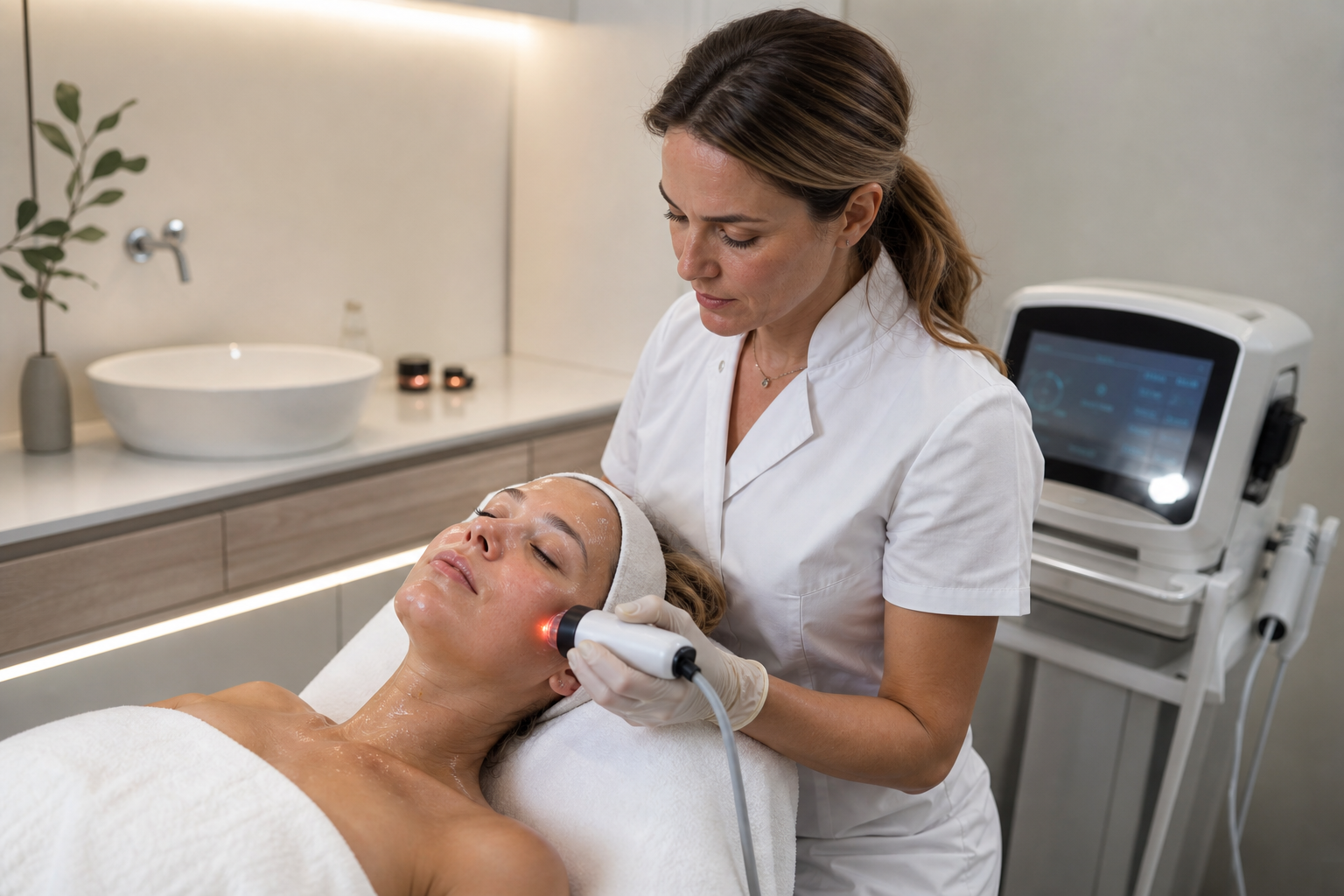
Radiofrequency facial lifting is a cosmetic procedure that utilizes radiofrequency energy—a form of electromagnetic wave—to heat the underlying layers of skin selectively without damaging the surface. This targeted heating effect triggers a physiological response in fibroblast cells, which synthesize collagen and elastin, the proteins responsible for skin's firmness and elasticity. As natural aging and environmental factors decrease collagen production, skin becomes lax and wrinkled. By restarting collagen synthesis, RF treatments seek to reverse these changes.
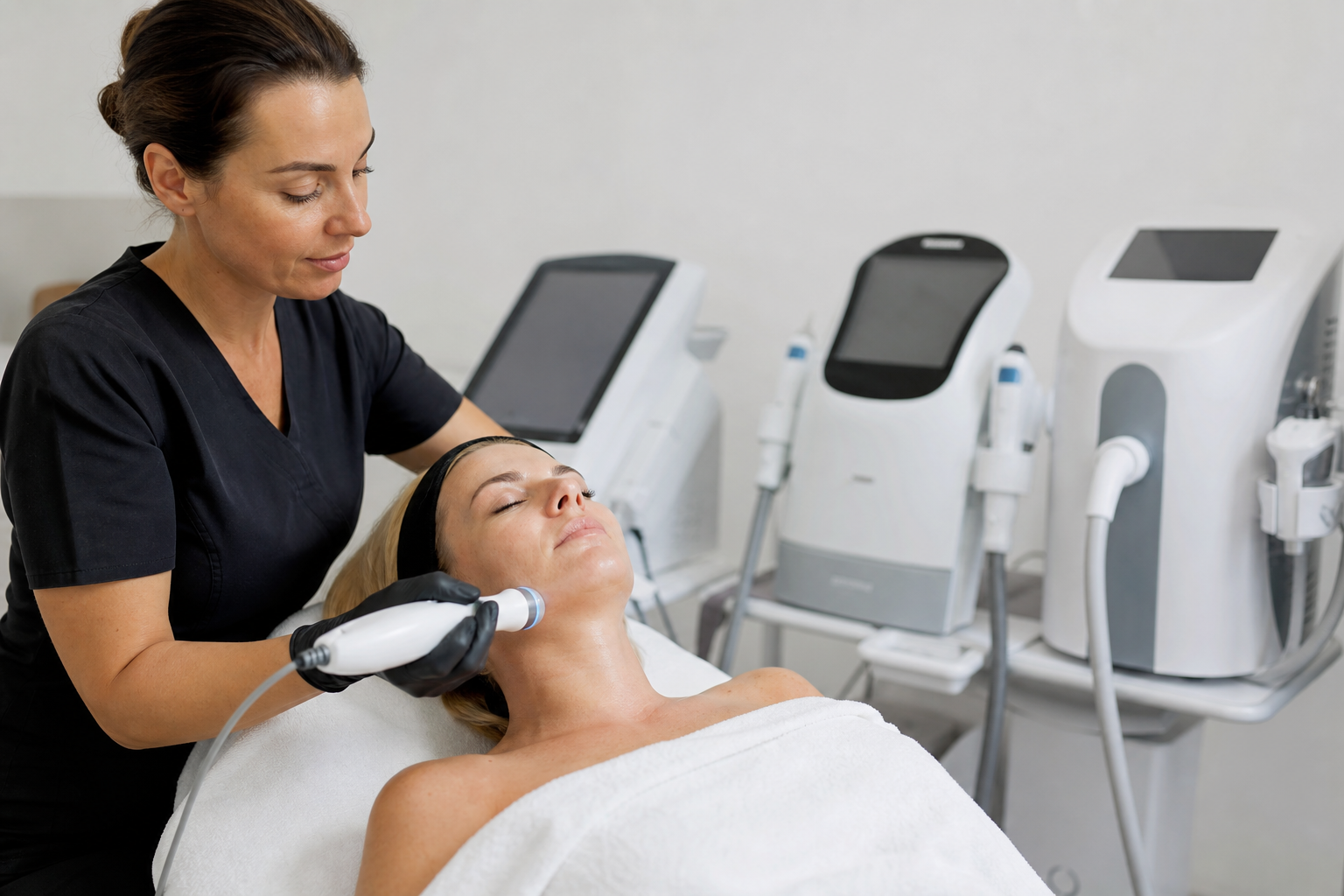
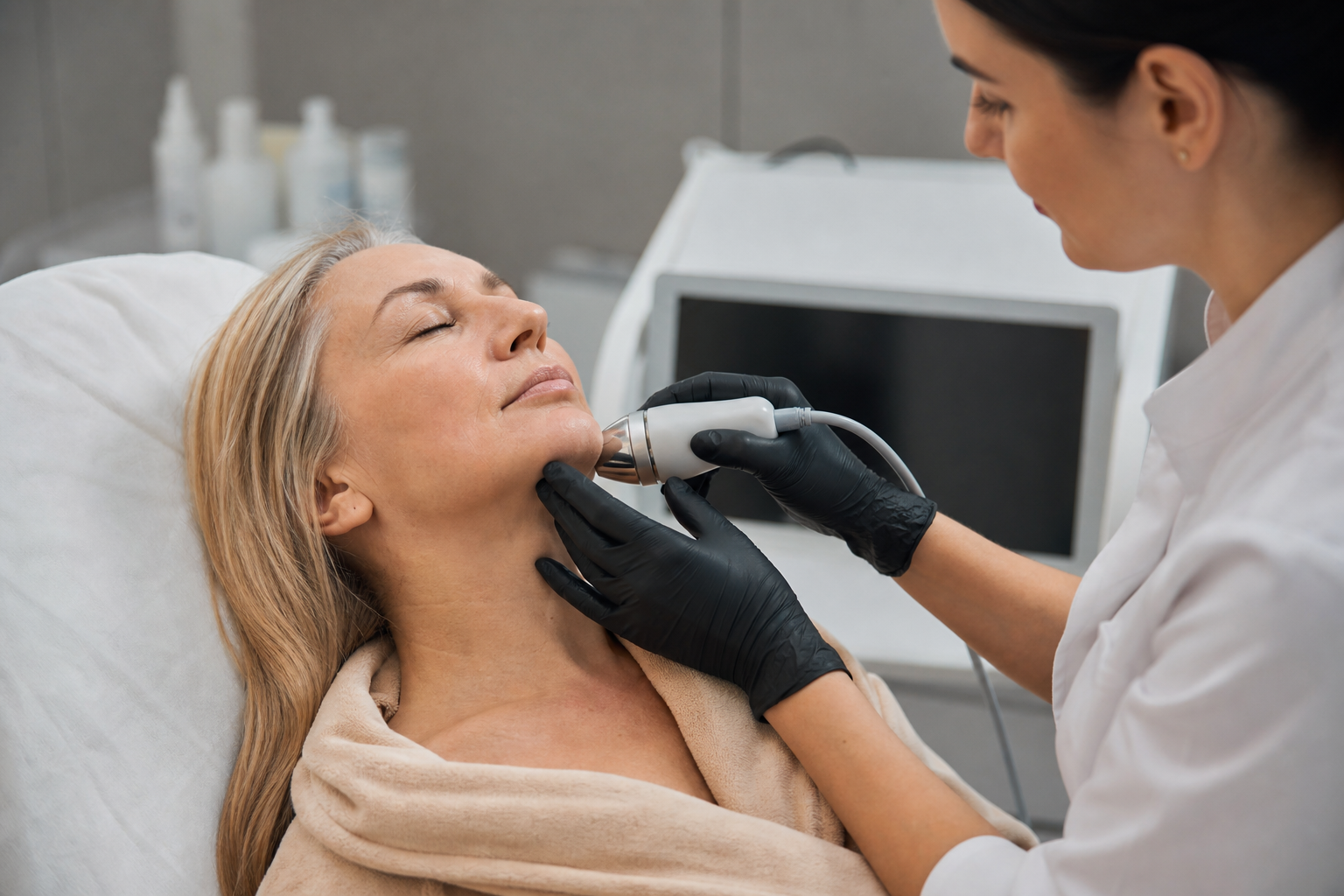
There are several variations of RF technology, each differing in delivery method, depth of penetration, and intensity. The most common is the non-invasive transcutaneous RF, which heats the dermis from the skin’s surface using specialized handpieces. Fractional RF devices employ microneedles to deliver energy directly into the deeper dermal layers, combining mechanical and thermal stimulation to produce more robust results. Additionally, some hybrid treatments integrate RF with other modalities like ultrasound or laser to enhance collagen remodeling.
Who Benefits Most from RF Skin Tightening Treatments?
RF lifting is particularly suited for individuals exhibiting early to moderate signs of aging, such as fine lines, mild sagging, and loss of skin tone. Because it is non-surgical and generally well tolerated, it appeals to those seeking gradual, natural-looking improvements without downtime. Ideal candidates typically have good baseline skin integrity and realistic expectations about the extent and timeline of visible changes.
Conversely, individuals with advanced skin laxity or deep wrinkles may find RF alone insufficient and might require more invasive procedures for pronounced correction. Skin type and ethnicity also influence suitability; for example, RF treatments are considered safe across various skin tones without the pigmentary risks associated with some laser therapies.
What Determines the Results of Radiofrequency Treatments?
The outcomes of RF facial lifting are influenced by multiple interconnected factors spanning the technology used, individual patient characteristics, and treatment parameters. To appreciate these contributors, it’s essential to explore each with nuance.
1. Depth and Type of RF Technology: Different devices deliver radiofrequency energy at varying depths and intensities. Non-invasive RF heats superficial dermal layers, producing modest collagen induction, while fractional microneedling RF penetrates deeper, often yielding more significant remodeling. The choice of technology is critical because insufficient depth may lead to minimal improvement, whereas excessive energy can cause discomfort or adverse effects.
2. Patient’s Age and Skin Condition: Younger individuals with early signs of aging generally have more responsive fibroblasts and a higher reservoir of collagen precursors. In contrast, older patients with advanced dermal thinning or damage may have a diminished biological capacity to regenerate collagen, leading to less dramatic results.
3. Skin Thickness and Composition: Thicker skin may require more energy or multiple sessions to achieve noticeable tightening compared to thinner skin, which can heat faster but may be more sensitive. The amount of fat and hydration levels in subcutaneous tissues also affect energy absorption and heat distribution.
4. Lifestyle Factors and Health Status: Smoking, sun exposure, nutrition, and overall health impact skin’s regenerative potential. For instance, chronic sun damage can degrade collagen and impair fibroblast function, making RF treatments less effective.
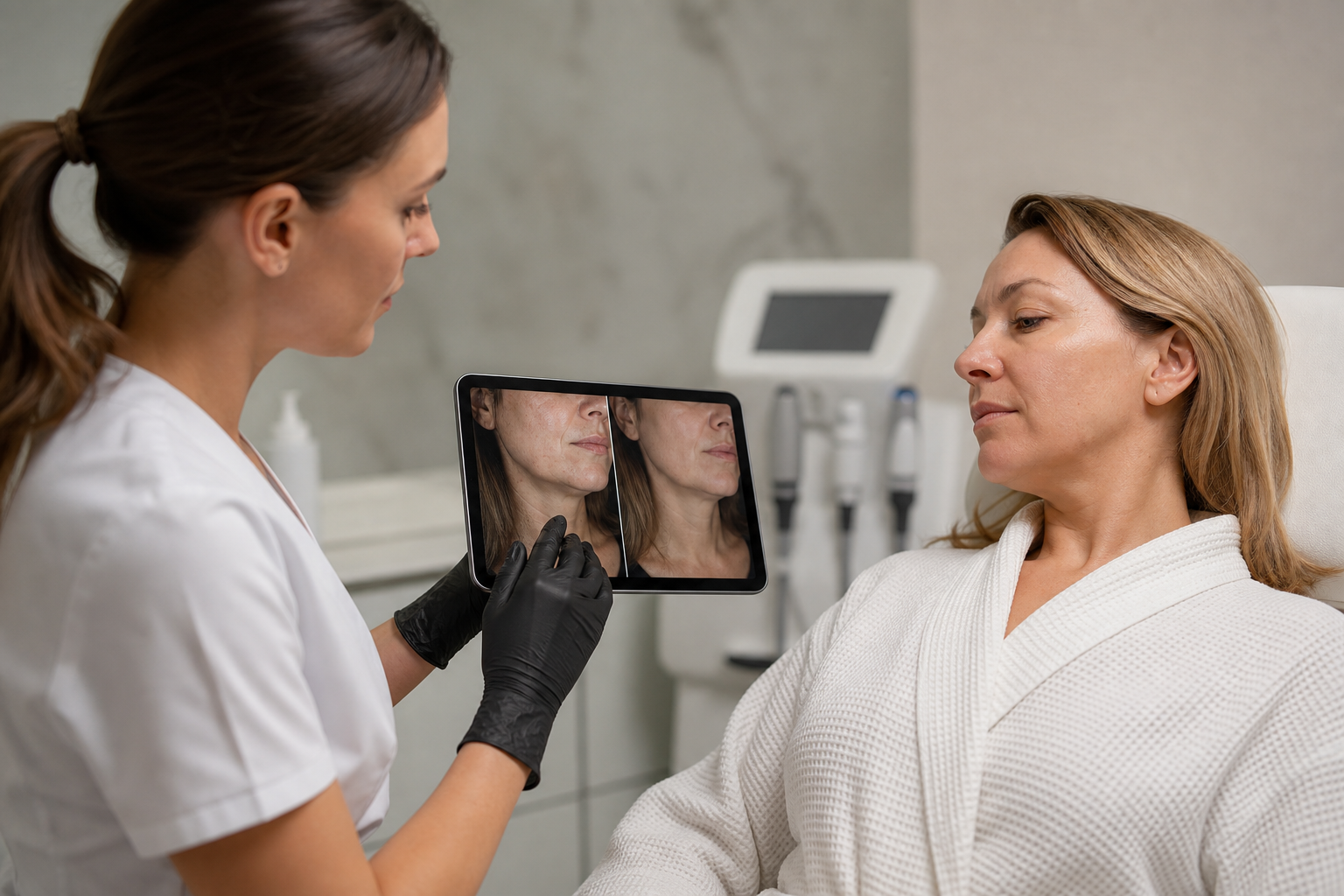
5. Treatment Protocols and Practitioner Expertise: The skill and experience of the provider in selecting appropriate settings, customizing treatment zones, and scheduling follow-ups greatly influence outcomes. Proper patient assessment and treatment planning are indispensable for optimizing collagen stimulation while ensuring safety.
How Long Does It Take to See Results from RF Facial Lifting?
Patients often ask when they can expect visible changes after RF treatment. Unlike surgical facelifts that offer immediate mechanical tightening, RF lifting works by gradually stimulating collagen remodeling. Typically, initial improvements in skin tone and texture can be noticed within 1 to 3 weeks post-treatment. As collagen synthesis progresses over several months, the skin becomes firmer and wrinkles moderate.
Optimal results generally appear between 2 to 6 months following the final treatment session, particularly when multiple sessions are spaced accordingly. The longevity of these effects depends on ongoing collagen maintenance and aging factors; annual or biannual maintenance sessions are commonly recommended to preserve benefits.
When Should RF Treatments Be Customized or Combined with Other Procedures?
In clinical practice, a one-size-fits-all approach to RF lifting is rarely effective given the diversity of skin aging presentations and individual biology. Customization based on factors such as skin type, severity of laxity, and patient goals is essential. For example, combining RF with microneedling can enhance collagen induction in patients requiring a more vigorous stimulus. Patients with significant volume loss may benefit from adjunctive use of fillers or fat grafting alongside RF to restore youthful contours.
Moreover, sequential protocols that integrate RF with other energy devices, such as ultrasound or pulsed light, are increasingly being used to target multiple layers and components of skin aging simultaneously. Such multimodal strategies tailor treatment intensity and depth to each patient's unique needs, improving overall outcomes and patient satisfaction.
What Can Patients Expected During and After RF Procedures?
RF treatments are generally well tolerated and involve minimal discomfort. Most non-invasive RF sessions last between 20 to 60 minutes and do not require anesthesia. Patients may feel a warming sensation during treatment and occasional mild redness or swelling afterward, which typically subsides within hours.
There is no downtime, allowing patients to resume normal activities immediately. Gentle skincare and protection from sun exposure are advised during the treatment course to support optimal healing and prevent pigmentary changes. While RF is safe for most skin types, rare side effects can include burns or blistering, underscoring the importance of receiving treatment from qualified professionals.
Why Do Some People See More Dramatic RF Lifting Results Than Others?
The disparity in RF treatment outcomes boils down to the complex interaction between the device’s technical capabilities and the patient’s biological response. Individuals with robust collagen-producing capacity, good skin thickness, and minimal environmental skin damage tend to exhibit more pronounced tightening effects. Conversely, those with depleted collagen reserves, structural skin damage, or metabolic conditions may experience more modest improvements.
Additionally, adherence to treatment frequency, post-care instructions, and healthy lifestyle choices can significantly enhance effectiveness. Therefore, realistic expectations informed by a thorough consultation are vital to patient satisfaction.
How Does RF Lifting Compare to Other Skin Tightening Modalities?
RF treatments hold a distinct position among skin rejuvenation options due to their non-invasive nature, safety profile across skin types, and capacity for gradual collagen remodeling. Unlike ablative lasers that remove skin layers, RF minimizes surface injury, reducing risks of scarring and pigment changes. Surgical facelifts yield immediate and dramatic tightening but carry higher risk, cost, and downtime. Ultrasound-based devices also stimulate collagen but differ in depth and mechanism.
The choice between these modalities depends on individual skin conditions, desired outcomes, tolerance for downtime, and medical history. In many cases, RF serves as an excellent initial or maintenance treatment for mild to moderate aging signs.
The Role of Technology Advancements and Future Directions in RF Treatments
Ongoing innovations continue to expand the capabilities and customization potential of RF skin tightening. Emerging devices offer adjustable energy levels, real-time temperature feedback, and the ability to deliver fractional or microneedling RF in a controlled manner. These advancements allow more precise targeting of aging skin structures and improved safety.
Research into RF combined with topical agents or regenerative medicine approaches, such as platelet-rich plasma, holds promise for synergistic enhancements. As understanding deepens regarding individual biological variability, personalized protocols tailored through imaging and biomarker analysis may become standard, further optimizing results.