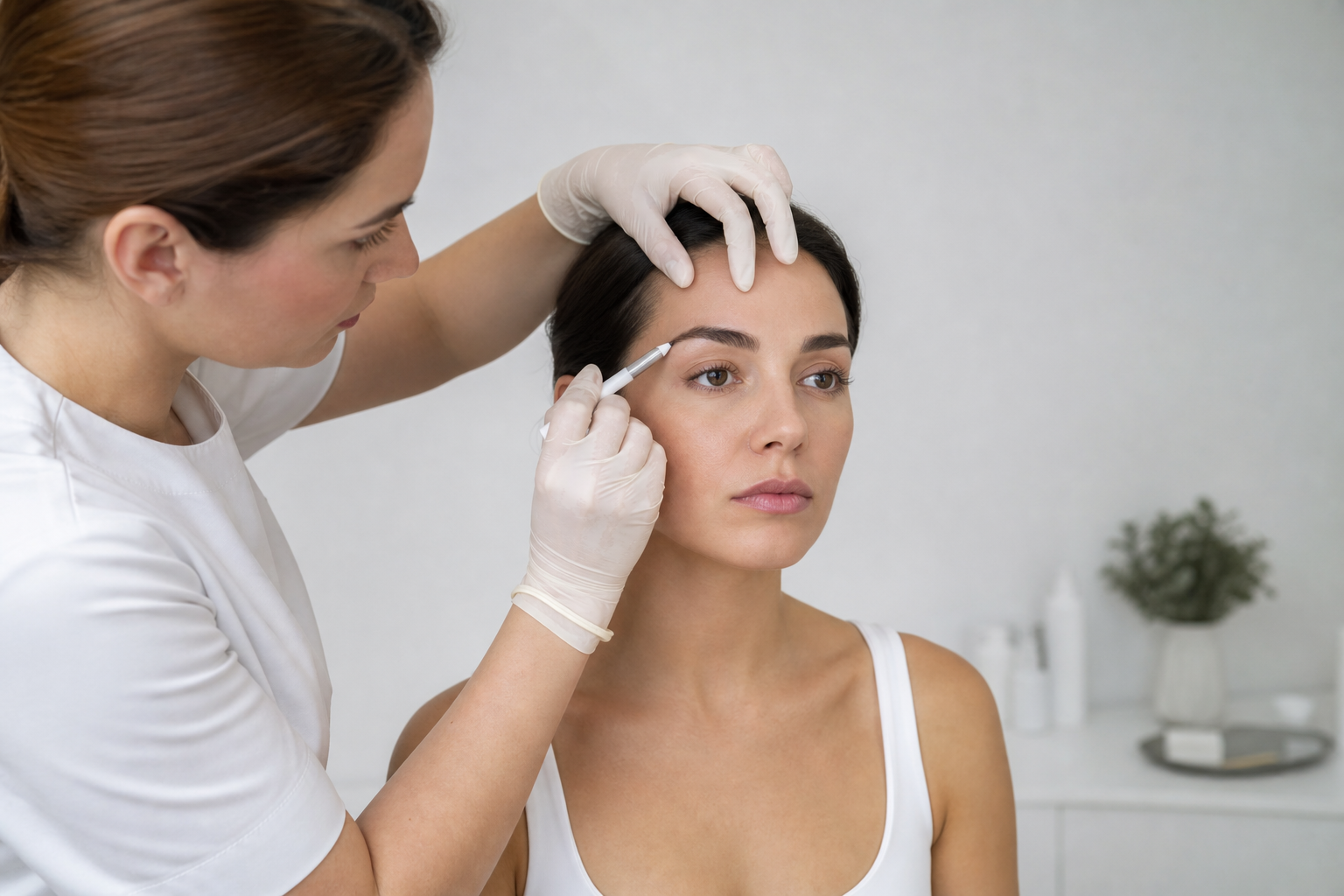
Asymmetrical eyebrows often present a notable challenge in aesthetic medicine, especially when administering Botox treatments around the eye and brow area. Such asymmetries are not uncommon and may arise from natural developmental variations, age-related changes, or the consequences of previous cosmetic procedures. Thorough documentation of eyebrow asymmetry before initiating Botox therapy is indispensable for achieving optimal results, managing patient expectations realistically, and ensuring maximum safety throughout treatment.
This editorial targets cosmetic dermatologists, medical practitioners specializing in aesthetic treatments, and patients seeking a deeper understanding of why precise recording of asymmetrical eyebrows is crucial prior to Botox intervention. By exploring the underlying mechanisms of eyebrow asymmetry, the functional impact on muscular tone, and how unaddressed asymmetries influence outcomes, this article underscores the essential role of detailed pre-treatment documentation. We will also traverse practical approaches for accurate evaluation, treatment planning, and when to seek expert consultation for complex presentations.
Understanding the significance of meticulously recording eyebrow asymmetry before treatment transcends mere technical protocol—it forms the foundation for achieving natural, harmonious appearances after Botox application. Careful assessment and tailored planning, grounded in well-documented parameters, empower clinicians to overcome the intricacies asymmetry poses, thereby minimizing unwanted adverse effects such as brow ptosis or uneven symmetry following treatment.
Origins and Characteristics of Eyebrow Asymmetry Relevant to Botox Intervention
Eyebrow asymmetry manifests in diverse ways: one brow may sit higher, be broader, or assume a different orientation compared to the other. These discrepancies can range from subtle to pronounced, profoundly shaping overall facial expression and perceived aesthetics. When utilizing Botox around the eyes and brows, even minor variations in muscular contraction can produce markedly different visual results if not thoughtfully managed.
The etiology behind such asymmetry is multifactorial. Inherent developmental differences often establish baseline asymmetry early in life. Age-related phenomena such as ptosis—drooping of skin and underlying tissues—and dermal elasticity loss exacerbate these imbalances over time. Additionally, external factors like cumulative sun exposure and prior medical or cosmetic treatments contribute to uneven eyebrow positioning and contour.
Recognizing these causative factors is paramount, as Botox operates by selectively relaxing targeted muscles to decrease contraction and smooth wrinkles or unwanted facial expressions. Without individualizing treatment to account for side-to-side muscular disparities, outcomes may be uneven, causing asymmetry to persist or even worsen, jeopardizing symmetry and aesthetic harmony.
Technical Framework for Comprehensive Documentation of Eyebrow Asymmetry
Meticulous documentation of eyebrow asymmetry is a proactive investment in treatment success rather than a simple record-keeping step. High-resolution photography under standardized lighting and consistent head positioning is essential to capture subtle variations in brow shape, height, and spatial relationships accurately. These images serve as invaluable references for pre-treatment analysis, in-session adjustments, and post-treatment evaluation.
Standardizing patient posture and facial expression during imaging prevents confounding variables that could mask or exaggerate asymmetry. Incorporating measurable markers—such as scales or reference points—permits quantification of eyebrow height differences, inter-brow distances, and relative muscle activation zones. This objective data complements visual assessments, enabling precision in dose calculation and injection site selection.
Beyond imaging, supplementary documentation should include detailed notes on skin condition, elasticity, wrinkle depth, and habitual facial expressions. These factors influence muscle dynamics and treatment response, guiding tailored approaches. Such comprehensive records facilitate the design of individualized treatment plans aimed at enhancing balance while retaining natural expressiveness.
Documenting Asymmetry as a Cornerstone for Realistic Expectations and Treatment Safety
Clear, transparent communication grounded in thorough pre-treatment documentation helps manage patient expectations effectively. Educating patients on the nuances of asymmetry and its impact on therapeutic outcomes fosters understanding that Botox—while powerful—does not guarantee perfect symmetry, especially when preexisting muscular and anatomical imbalances exist.
The safety profile of Botox treatment in the eyebrow region hinges on careful dosing guided by accurate asymmetry assessment. Imprudent injection into muscles controlling brow elevation can result in undesired sequelae such as brow drooping or unnatural facial expressions, undermining both function and aesthetics. Detailed documentation allows clinicians to anticipate potential risks and modify techniques accordingly.
Moreover, thorough records support ongoing monitoring of effects and enable timely interventions if unexpected changes occur. They serve as vital tools in the continuity of care, facilitating subsequent treatments and adjustments to sustain optimal brow positioning and appearance over time.
Strategic Guidelines for Botox Administration in Patients Exhibiting Eyebrow Asymmetry
When treating asymmetrical brows with Botox, the clinical approach must be nuanced and incrementally adaptive. Initiating with conservative dosing tailored to the more dominant or hyperactive side minimizes the chance of over-relaxing critical muscles, which could exacerbate imbalances or induce brow ptosis.
Post-injection follow-up is crucial. Immediate assessment allows clinicians to evaluate outcomes, providing an opportunity for touch-up injections designed to fine-tune symmetry without risking overtreatment. This iterative process demands experienced judgment and patient cooperation.
In certain situations, integration of adjunct aesthetic modalities, such as hyaluronic acid fillers, can complement Botox by restoring volume deficits or reshaping brow contours, thus enhancing overall symmetry. Coordinating such combination treatments necessitates vigilant documentation of baseline and evolving states to optimize safety and efficacy.
Influence of Preexisting Eyebrow Asymmetry on Aesthetic Outcomes and Patient Satisfaction
The impact of untreated asymmetry on the visual and psychological results of Botox procedures cannot be overstated. Neglecting to recognize and document subtle anatomical differences may result in unnatural expressions or accentuation of asymmetric features, ultimately diminishing patient confidence and satisfaction.
Conversely, attentive documentation and customized treatment planning directly contribute to more balanced, pleasing aesthetic outcomes. This enhances patients’ acceptance and enjoyment of their results, reinforcing trust in their practitioner and motivating adherence to maintenance protocols.
Patient satisfaction is an integral indicator of therapeutic success, achieved through transparent dialogue about realistic goals and methodical execution grounded in documented evidence of each individual’s unique brow morphology and muscular function.


