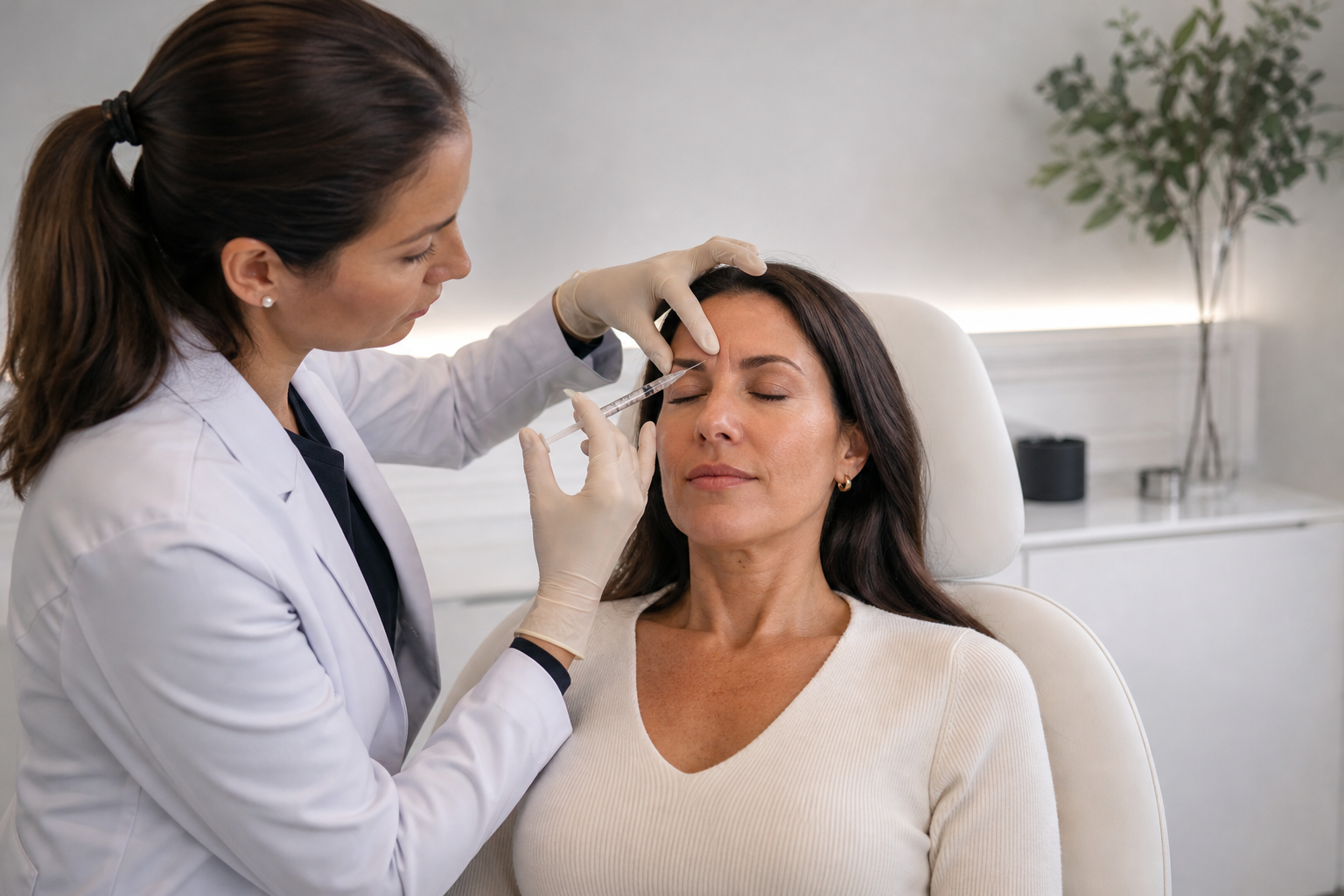
Frown lines, also known in medical and aesthetic circles as glabellar lines, are the distinctive vertical wrinkles that appear between the eyebrows. These lines, often called "11s" because of their resemblance to two parallel lines, are among the most recognized indicators of facial aging and a common source of dissatisfaction for many seeking to refresh their appearance. The presence of these lines can convey unwanted emotions such as fatigue, anger, or stress, even when the face is relaxed. Addressing these concerns, Botox treatment targeted specifically at frown lines offers a refined, minimally invasive approach to soften these wrinkles, smooth facial expression, and rejuvenate the overall look.
This editorial is designed for individuals considering aesthetic treatments for the forehead and glabellar region, as well as for healthcare practitioners specialized in dermatology or aesthetic medicine who wish to deepen their understanding of Botox application in this sensitive and expressive area. By exploring the mechanism of Botox action, its strategic use on the muscles between the eyebrows, potential benefits, realistic expectations, and safety considerations, this comprehensive guide aims to equip readers with expert insights into a treatment that forms a cornerstone of modern non-surgical facial rejuvenation.
Understanding Botox’s role in modulating facial expression and treating the dynamic causes of frown lines is essential for patients who want results that harmonize with their natural features, and for clinicians who strive to optimize outcomes while prioritizing safety and patient satisfaction. In the paragraphs that follow, we will delve into the anatomical and physiological basis of frown lines, the specifics of Botox treatment in the forehead and glabellar area, as well as best practices and considerations that define expert-level care in this domain.
A Closer Look at the Anatomy and Mechanism Behind Frown Lines
The glabellar region, nestled between the eyebrows, is governed by a complex interplay of facial muscles primarily responsible for expressions tied to concentration, concern, or displeasure. Among these, the corrugator supercilii, procerus, and depressor supercilii muscles play leading roles. Their repeated contractions over time crease the skin, forming vertical lines which can persist even at rest as the skin and underlying tissues change with age.
Botox, the commercial name for botulinum toxin type A, functions by temporarily inhibiting the release of acetylcholine at the neuromuscular junction, resulting in localized muscle relaxation. When precisely injected into the muscles responsible for frowning, Botox interrupts the overactivity that leads to wrinkle formation. This reduction in muscle contraction alleviates the tension causing the skin to crease, permitting the lines to soften or even disappear over time.
The efficacy of Botox in this region is closely linked to the expert understanding of facial muscular anatomy. For example, the corrugator muscles draw the eyebrows together, creating the characteristic furrow of frown lines. Meanwhile, the procerus pulls the skin between the eyebrows downward, adding horizontal and vertical creasing. Targeting such muscles carefully with Botox injections requires detailed knowledge to relax them effectively without compromising natural expression.
Why Combining Botox for the Forehead and Glabellar Area Enhances Aesthetic Outcomes
While the frown lines between the eyebrows are a primary target, treating this area in isolation may underestimate the dynamic interplay of muscles influencing the overall appearance of the upper face. The forehead muscles, principally the frontalis, responsible for elevating the eyebrows and creating horizontal forehead lines, work in concert with the glabellar muscles. Imbalances can produce unintended effects if only one region is treated.
Administering Botox for both the forehead and the glabellar region simultaneously and with calibrated dosing provides a balanced modulation of muscle activity. This comprehensive approach prevents compensatory excessive muscle movement in untreated areas which could otherwise lead to new wrinkles or an unnatural stiffness. Moreover, this strategy promotes a more harmonious, natural-looking rejuvenation that retains the patient’s unique expressions, avoiding a "frozen" appearance.
Specialists emphasize the need for personalized treatment plans, where muscular strength, skin quality, and individual expression patterns guide the selection of injection sites and dosages. The synergy between forehead and glabellar Botox treatments thus serves not merely as a cosmetic enhancement but as a carefully engineered restoration of facial balance and vitality.
Realistic Expectations: What Botox Can and Cannot Achieve for Frown Lines
Botox for frown lines is principally effective in reducing dynamic wrinkles—those caused by facial muscle contraction. Patience and planning are key; initial effects typically begin to appear within 3 to 5 days post-injection, with full results manifesting by two weeks. The effects usually last between four to six months, after which retreatment is necessary to maintain the smoother appearance.
It is crucial to understand the limitations of Botox. Deep static wrinkles, which are etched into the skin independently of muscle movement, may not respond fully to Botox alone. In such cases, combination therapies such as hyaluronic acid fillers, micro-needling, or laser treatments might be recommended to restore volume and skin texture.
Patients should also anticipate that Botox cannot alter bone structure, skin laxity, or other age-related changes beyond muscle relaxation. Moreover, consistent and periodic treatments may be required to sustain improvements, with spacing and frequency adjusted based on individual response and goals. Transparency from the clinician regarding realistic outcomes fosters informed decisions and satisfaction.
Essential Safety Guidelines and Potential Side Effects for Botox in the Glabellar Region
When performed by a licensed and experienced professional, Botox treatment in the frown line area is generally safe and well tolerated. Understanding the patient’s medical history and contraindications, including pregnancy, neuromuscular disorders, or allergies, is a cornerstone of ensuring safe administration.
Common side effects are typically mild and transient, such as localized bruising, swelling, redness, or discomfort at injection sites. Rarely, inappropriate diffusion of Botox beyond the intended muscles can cause temporary eyelid or eyebrow drooping (ptosis), which generally resolves within weeks but underscores the importance of precise technique.
Patient education before treatment should highlight the importance of following pre- and post-treatment care instructions — avoiding blood-thinning medications or supplements days prior, refraining from rubbing the treated area, and steering clear of strenuous physical activity immediately following injections — to minimize risks and optimize results.
Consultation and Customization: The Foundation of Successful Botox Treatment for Frown Lines
Every individual presents unique features, muscle dynamics, and aesthetic expectations, making consultation with an experienced practitioner paramount. During this initial interaction, the clinician conducts a detailed assessment of facial anatomy, wrinkle patterns, skin condition, and health background.
Clear communication about treatment goals and potential outcomes aligns patient and clinician expectations. Customized dosing and injection mapping tailored to the patient’s specific muscular activity patterns help ensure a natural, balanced effect. Additionally, discussing the maintenance plan, including the intervals for repeat treatment, forms part of a responsible treatment protocol.
Follow-up care and readiness to address any concerns that arise post-treatment secure patient confidence and facilitate fine-tuning if necessary, reinforcing the therapeutic partnership.
Integrating Botox for Frown Lines into a Holistic Anti-Aging Facial Strategy
While Botox effectively addresses wrinkles caused by muscle movement, comprehensive facial rejuvenation often benefits from multimodal approaches. Combining Botox with dermal fillers, skin resurfacing techniques, or topical therapies can address volume loss, texture, pigmentation, and other aging manifestations.
By strategically sequencing treatments, patients can experience notably enhanced results – smoother, fresher skin alongside the refinement of expression lines. Botox’s capability to reduce dynamic wrinkles also contributes to a preventive effect, diminishing the formation of new lines by limiting overactive muscle contractions.
Ultimately, an individualized treatment roadmap developed in partnership with an aesthetic expert optimizes outcomes, aligns with lifestyle preferences, and supports long-term facial youthfulness, making Botox an invaluable component of modern anti-aging regimens.
Best Practices for Preparing and Caring for Botox Treatment in the Glabellar Area
Preparation for Botox injections includes several simple yet effective measures. Patients are advised to avoid alcohol consumption and blood-thinning medications 24 to 48 hours prior to treatment to decrease the risk of bruising. Avoiding facial skincare products or makeup on the day of the procedure also helps maintain injection site hygiene.
Post-injection care includes refraining from rubbing or massaging the treated area for at least four hours to prevent unintended toxin migration. Remaining upright for several hours after the procedure is also recommended. Patients should avoid exposure to intense heat such as saunas or vigorous exercise for the first day to reduce swelling or inflammation.
With adherence to these guidelines and treatment delivered by a qualified injector familiar with the nuances of facial anatomy, the chances of optimal results and minimal side effects significantly increase.


