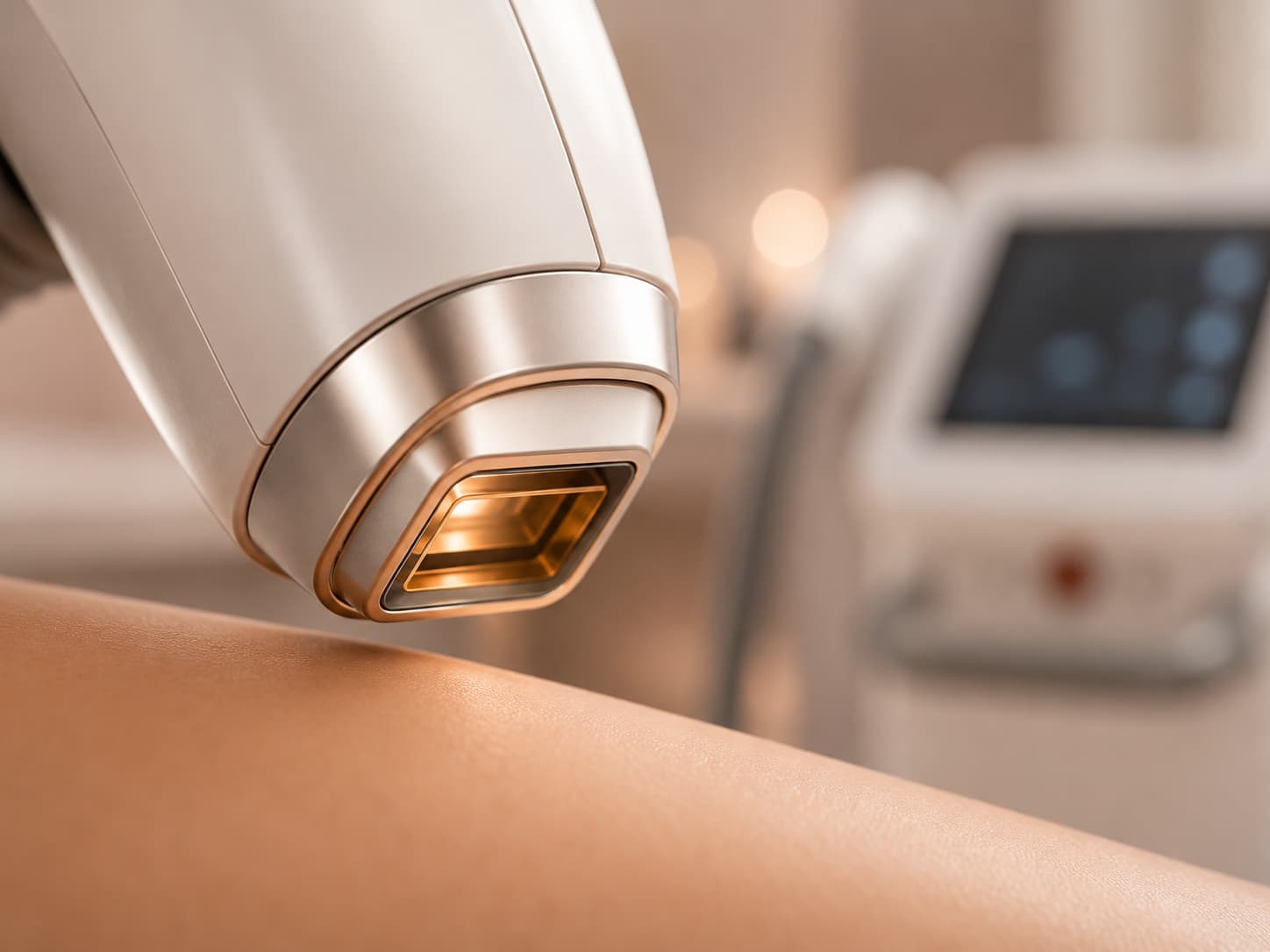
Laser hair removal has rapidly emerged as a preferred method for individuals seeking a long-term solution to unwanted hair. Unlike traditional methods such as shaving, waxing, or depilatory creams, laser hair removal targets hair follicles directly, inhibiting future hair growth with remarkable precision. However, not all laser treatments yield the same results, and one critical factor that distinguishes effective outcomes is the quality of the laser technology employed. This article delves into why laser quality is a pivotal element influencing the effectiveness, safety, and overall satisfaction of laser hair removal procedures.
Understanding the nuances behind laser quality is essential for patients considering this treatment and for practitioners aiming to provide optimal care. It’s particularly relevant for those with diverse skin types, hair colors, and hair densities, since the technology’s ability to adapt safely and efficiently to these variables largely depends on its sophistication. The quest for smooth, hair-free skin is compelling, but the pathway to achieving it is paved with considerations about laser wavelengths, pulse duration, energy delivery systems, and cooling mechanisms — all integral aspects of laser quality.
In today’s advanced treatment landscape, where multiple laser devices are available, distinguishing between them can be daunting. Yet, this distinction is vital because the quality of the laser directly impacts treatment duration, the number of sessions needed, potential side effects, and the permanence of results. Hence, this discussion serves both as a guide for prospective patients and a detailed overview of the technological advancements driving superior laser hair removal outcomes.
What Constitutes Laser Quality in Hair Removal Treatments?
Laser quality is a multifaceted concept encompassing the laser’s technical specifications, operational features, and the sophistication of its technology. Fundamentally, high-quality lasers for hair removal are those that deliver energy consistently and precisely to hair follicles, minimizing damage to surrounding skin and optimizing treatment efficacy.
Key components defining laser quality include wavelength, pulse duration, fluence (energy level), spot size, and cooling technology. Each plays a distinct role in tailoring treatments to individual patient needs. For example, the wavelength determines the kind of melanin in the hair follicle the laser targets, influencing suitability for varying skin tones and hair colors.
More advanced lasers feature adjustable parameters, allowing clinicians to customize treatments safely. Consistency of output, beam profile uniformity, and system reliability further contribute to the overall laser quality. Lesser-quality devices might produce erratic energy patterns or insufficient power levels, leading to suboptimal hair reduction or increased risk of side effects.
Who Benefits Most from High-Quality Laser Hair Removal Devices?
High-quality laser systems are particularly beneficial for individuals with sensitive skin, darker skin tones, or fine hair types, where precision and safety are paramount. People with lighter skin and dark hair tend to respond well to a broader range of lasers; however, for those with more complex skin and hair combinations, advanced laser technology is essential to avoid burns, pigmentation changes, or ineffective treatments.
Furthermore, patients seeking faster results with fewer sessions also gain advantages from superior laser quality. Efficient energy delivery systems can target a larger area per pulse, reducing treatment time without compromising efficacy. This aspect is valuable for individuals requiring large-area treatments, such as back or leg hair removal.
How Does Laser Quality Influence Treatment Safety and Comfort?
Safety is a critical concern in laser hair removal. Higher quality lasers incorporate built-in safety features such as integrated cooling technologies that protect the epidermis during energy delivery. This cooling effect not only safeguards the skin but also reduces discomfort, making the procedure more tolerable.
Laser systems with precise energy modulation prevent excessive heat accumulation, reducing the risk of burns, blisters, or hyperpigmentation. Lower quality lasers may lack such nuanced control, potentially causing uneven results and post-treatment complications. Consequently, investing in high-quality laser devices correlates strongly with enhanced patient comfort and fewer adverse effects.
What Role Does Wavelength Play in Laser Hair Removal Success?
The laser wavelength is a foundational aspect of laser quality, determining which hair and skin chromophores absorb energy. Popular wavelengths for hair removal include 755 nm (Alexandrite), 810 nm (Diode), and 1064 nm (Nd:YAG). Each wavelength has distinct absorption characteristics and is suited to various skin and hair types.
For instance, Alexandrite lasers, with their shorter wavelength, excel with light to olive skin tones and finer hair. Diode lasers offer a balance, fitting well with a wide spectrum of skin types and typically providing deeper follicle penetration. Nd:YAG lasers, with a longer wavelength, safely treat darker skin tones due to lower melanin absorption in the epidermis, reducing potential complications.
High-quality laser systems often provide multiple wavelengths or adjustable parameters to customize treatment, enhancing effectiveness while minimizing risks. This versatility is a hallmark of premium devices and a tangible benefit for diverse patient populations.
How Does Laser Technology Affect the Number of Sessions Needed?
The quality of the laser directly impacts the efficiency of hair follicle disruption in each session, influencing the total number of treatments required. Advanced lasers deliver higher fluence levels with precision, effectively targeting follicles in different growth cycles. More effective follicle targeting translates to faster, more significant hair reduction.
Additionally, superior cooling and comfort features allow clinicians to safely use higher energy settings, further improving treatment outcomes per session. Consequently, patients undergoing laser hair removal with top-tier devices often complete their treatment plan more swiftly compared to those using inferior technology.
What Can Patients Expect When Opting for High-Quality Laser Hair Removal?
When treated with high-quality laser systems, patients generally experience more consistent and lasting hair reduction. Treatments tend to be faster, less painful, and safer, with a decreased chance of side effects such as skin irritation or pigmentation changes.
High-quality devices enable clinics to personalize treatment settings, addressing unique hair densities, skin types, and anatomical areas more effectively. This customization leads to improved satisfaction and confidence in the procedure. While results vary depending on individual factors, the overall treatment experience is notably enhanced when quality lasers are employed.
How to Identify High-Quality Laser Hair Removal Providers?
Evaluating a laser hair removal provider’s equipment can be challenging, but several indicators suggest a commitment to quality technology. Clinics that invest in FDA-approved laser systems with proven efficacy and safety profiles often deliver better outcomes.
Reputable providers are transparent about the laser devices they use and can explain the advantages and why a particular system was chosen for your treatment. Additionally, practitioners with specialized training in laser procedures typically operate advanced machines correctly, maximizing safety and results.
What Advances in Laser Technology Are Shaping the Future of Hair Removal?
Emerging laser technologies continue to enhance the quality and effectiveness of hair removal treatments. Innovations such as diode lasers with improved cooling systems, combination wavelength devices, and picosecond lasers open new possibilities for treating challenging hair and skin types.
Moreover, integration of real-time skin feedback sensors and AI-driven parameter adjustments promise to tailor treatments dynamically, optimizing efficacy and minimizing side effects further. Such advancements underscore the importance of choosing providers at the forefront of technological adoption.


