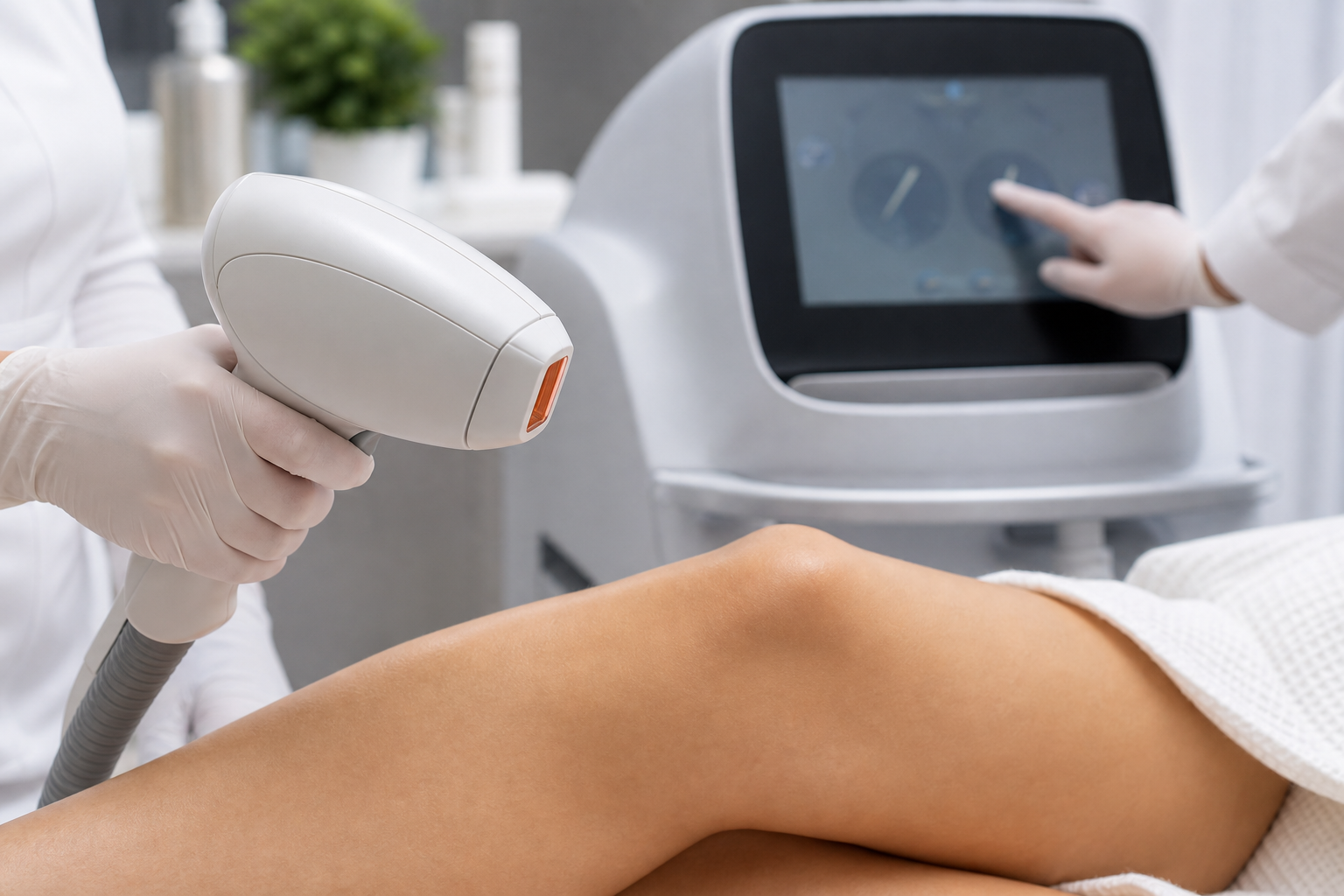
In the realm of advanced laser treatments, understanding the nuances of laser power, energy, and their relationship to real-world performance is essential for both practitioners and patients. Whether you are considering laser hair removal, skin rejuvenation, or pigmentation correction, the importance of these factors cannot be overstated. Laser technology has revolutionized dermatological procedures, offering precision, efficacy, and long-lasting results. However, the question many ask is: does laser power really matter when it comes to the outcomes of these treatments?
This comprehensive guide aims to demystify the complex interplay between laser power and energy, clarify what these terms mean in the context of laser procedures, and explore how they influence the effectiveness and safety of treatments. By decoding these technical elements, this article is tailored for clinicians seeking to optimize treatment protocols, as well as prospective patients desiring a deeper understanding to make informed decisions about their care. The stakes are high—it is through proper appreciation of laser parameters that one can confidently ensure the best therapeutic outcomes and minimize risks of complications.
The sophistication of modern laser devices means that power ratings alone do not tell the whole story of performance. Instead, a holistic understanding encompassing power, energy per pulse, pulse duration, and spot size must be considered. These variables collectively affect how laser energy interacts with skin tissue, translating into the clinical results seen in hair removal, vascular lesion treatments, and pigmentation correction. This article will dissect each component systematically, providing clarity on their implications and practical guidance on what to look for when selecting or undergoing laser treatments.
What Exactly Does Laser Power Mean in Medical Laser Treatments?
Laser power generally refers to the rate at which the laser emits energy, commonly measured in watts (W). It reflects the amount of energy delivered per unit time during a laser procedure. However, in the context of medical aesthetics, power alone is rarely sufficient to predict treatment efficacy or safety. Instead, it is one part of a more extensive set of parameters, including energy density (fluence), pulse duration, and wavelength, which come together to define the laser's performance.
When a laser is described as having a high power output, it means it can deliver a significant amount of energy quickly. However, this does not always translate to better treatment outcomes. For instance, too high a power setting without proper control of pulse duration or spot size can increase the risk of thermal damage or burns. Conversely, insufficient power might fail to cause the desired photothermal effect necessary for hair follicle destruction or pigment removal.
Therefore, practitioners must interpret laser power as an operational characteristic within a broader clinical context rather than a standalone indicator of effectiveness. Power settings are meticulously calibrated based on patient skin type, treatment area, and specific laser platform capabilities to ensure maximum therapeutic benefit with minimal side effects.
How Does Laser Energy Relate to Power, and Why Is It Crucial?
Laser energy, measured in joules (J), represents the total amount of energy delivered during a laser pulse. While power measures energy per unit time, energy encompasses the cumulative effect applied to the target tissue. This distinction is vital because it is the absorbed energy that determines the biological response—from heating hair follicles to breaking down pigmentation or coagulating blood vessels.
Energy is often presented as energy density or fluence, describing the energy applied per square centimeter (J/cm²). Adequate fluence levels are essential to achieve selective photothermolysis, where the laser targets specific chromophores like melanin within hair follicles or hemoglobin in vascular lesions, sparing surrounding tissue. The precise energy dosing ensures effective treatment while minimizing discomfort and risks.
Clinicians must balance energy levels against patient tolerance, skin sensitivity, and treatment goals. Excessive energy may cause unwanted burns or scarring, while insufficient energy results in poor treatment response and wasted sessions. Consequently, understanding the interplay between laser power, pulse duration, and total energy delivered optimizes procedural success and patient satisfaction.
What Is the Role of Pulse Duration in Laser Performance?
Pulse duration refers to the length of time over which the laser energy is emitted, often measured in milliseconds (ms) or microseconds (µs). This parameter significantly influences laser-tissue interactions and therefore the safety and efficacy of the treatment.
The concept of thermal relaxation time (TRT) is central in this context. TRT is the time it takes for the target chromophore, such as a hair follicle or pigmented lesion, to dissipate 50% of the heat absorbed from the laser pulse. Effective laser treatments tailor the pulse duration to be equal to or less than the TRT of the target. By doing so, the energy remains confined to the target, causing maximal damage while preserving adjacent tissues.
If the pulse duration is too long, heat spreads to surrounding skin, increasing the risk of burns and pigmentary changes. If it is too short, the energy may be delivered too rapidly, potentially causing explosive damage without controlled thermal destruction. For example, in laser hair removal, pulse durations typically range from 10 to 100 milliseconds, accommodating hair follicle TRT based on hair thickness and skin type.
How Do Spot Size and Wavelength Influence Laser Effectiveness?
The spot size—the diameter of the laser beam on the skin surface—interacts critically with power and energy to determine penetration depth and treatment coverage. Larger spot sizes allow deeper skin penetration and faster treatment times, but may require adjustments in power to maintain effective fluence. Conversely, smaller spot sizes provide more precision but slower coverage area.
Wavelength, measured in nanometers (nm), dictates which chromophores absorb the laser energy and to what extent. For hair removal, common wavelengths include 755 nm (Alexandrite), 810 nm (diode), and 1064 nm (Nd:YAG), each offering different absorption profiles suited for varying skin tones and hair characteristics. Skin rejuvenation or vascular treatments may utilize different wavelengths optimized for water absorption or hemoglobin targeting.
The synergy between wavelength and power settings must be finely tuned to maximize treatment efficacy while reducing risks. Devices with adjustable pulse parameters across wavelengths afford clinicians the flexibility to customize interventions per individual patient needs.
Does Higher Laser Power Guarantee Better Results in Hair Removal and Skin Treatments?
It may be tempting to assume that increasing laser power will yield superior clinical outcomes, but such a simplistic approach overlooks critical safety and biological principles. Higher power can shorten pulse durations or increase energy delivery, but without careful modulation, it risks causing thermal injury and patient discomfort.
Studies demonstrate that optimal results arise from a balanced combination of power, energy fluence, pulse duration tailored to individual skin and hair characteristics. For example, utilizing the appropriate wavelength with calibrated pulse parameters achieves selective damage to hair follicle structures without harming surrounding skin, essential for long-term hair reduction and minimizing complications.
Moreover, different laser systems possess varying efficiencies and cooling mechanisms. A high-powered device lacking adequate skin cooling may not perform as well as a slightly lower-powered system with advanced cooling that enhances patient comfort and safety.
Therefore, higher power does not inherently guarantee improved results; it is the intelligent integration of all parameters that defines real-world laser performance.
How Do Laser Parameters Affect Treatment Sessions and Long-Term Outcomes?
The interplay of power, energy, pulse duration, and other laser settings impacts not only immediate efficacy but also the total number of sessions needed and durability of results. For laser hair removal, patients often require multiple treatments spaced several weeks apart to address hair in different growth phases effectively.
Calibrated laser parameters ensure the destruction of active hair follicles while minimizing skin trauma, leading to smoother skin and reduced hair regrowth over time. If energy levels or pulse durations are suboptimal, patients may experience incomplete follicle damage, necessitating additional sessions and increasing costs.
Consistent application of optimal laser parameters also supports maintained skin health and reduces the likelihood of pigmentary alterations, which is particularly important for individuals with darker skin tones. Thus, treatment planning must incorporate these elements to maximize efficiency and patient satisfaction.
What Should Patients Know When Evaluating Laser Treatment Options Based on Power and Energy?
Patients considering laser procedures should understand that power ratings on machines are just one piece of the puzzle. More important is the experience of the clinician, the appropriateness of device selection for their skin type, and how well treatment parameters are adjusted to individual needs.
Asking about the type of laser, wavelength, pulse duration, and cooling technologies used can provide insight into the potential quality and safety of the procedure. Reputable clinics will tailor laser power and energy settings to optimize outcomes for your skin, rather than simply using the highest power available.
Furthermore, understanding that multiple sessions are often necessary and that gradual improvement is typical helps set realistic expectations. Sensations such as mild discomfort or temporary redness are normal, but proper parameter selection mitigates risks of adverse effects.
What Innovations Are Enhancing Laser Power Management and Treatment Precision?
Recent advances in laser technology prioritize precise control of power and energy delivery, integrating real-time feedback monitoring, adjustable pulse shaping, and dynamic cooling systems. These innovations improve the safety profile of laser treatments, broadening their applicability across diverse skin types and conditions.
For instance, fractional lasers segment the beam into microbeams, reducing overall energy per area while stimulating tissue remodeling effectively. Others incorporate variable pulse durations and spot sizes that dynamically adapt during the procedure based on tissue response, refining outcomes and comfort.
Artificial intelligence and computer-assisted delivery are emerging as tools to optimize laser parameter selection per patient, further individualizing treatments and enhancing consistency. These technologies underscore the importance of understanding laser power not simply as a raw figure but as a controllable variable within a sophisticated therapeutic system.


