Excessive sweating, medically known as hyperhidrosis, is a condition characterized by abnormally increased perspiration beyond what is physiologically necessary to maintain body temperature. While sweating is a vital natural process for thermoregulation and metabolic waste removal, for some individuals, this function becomes a source of significant discomfort and distress. People affected by hyperhidrosis often endure social embarrassment, emotional stress, and disruption to their professional and personal lives. As understanding of this condition has advanced, so too have therapeutic options, with botulinum toxin emerging as a prominent, effective treatment for managing focal excessive sweating.
Botulinum toxin, popularly recognized for its cosmetic applications in reducing wrinkles and facial aging, has a well-established role in medical treatments beyond aesthetics, including the management of various neuromuscular disorders and autonomic dysfunctions such as hyperhidrosis. This editorial article will explore the clinical use of botulinum toxin for excessive sweating, delving into its mechanism of action, applications, benefits, limitations, and what patients can realistically expect. Aimed toward readers interested in advanced dermatological treatments and Botox applications, this comprehensive overview clarifies how botulinum toxin treatments can significantly improve quality of life for individuals suffering from focal hyperhidrosis.
Understanding the underlying causes of hyperhidrosis and the principles behind botulinum toxin therapy is essential for appreciating its therapeutic value. This article will guide readers through each critical aspect — explaining how localized sweating can be effectively controlled, differentiating botulinum toxin treatment from other modalities, and emphasizing professional medical assessment to ensure tailored and safe management of this challenging condition.
The Biochemical Mechanism of Botulinum Toxin in Regulating Sweat Production
Botulinum toxin is a neurotoxic protein produced by the bacterium Clostridium botulinum. It exerts its effect by selectively inhibiting acetylcholine release at neuromuscular junctions and autonomic nerve terminals. Acetylcholine is the neurotransmitter responsible for triggering sweat glands to secrete sweat. In the context of hyperhidrosis, excessive cholinergic stimulation leads to overactive sweat glands, producing an abnormal quantity of sweat.
When administered via intradermal injection into areas afflicted by excessive sweating, botulinum toxin blocks the release of acetylcholine from sympathetic nerve endings innervating the sweat glands. This interruption of the neurotransmitter signal results in a localized and reversible cessation of sweat production. Importantly, botulinum toxin’s action is confined to targeted zones, thereby preserving physiological sweating elsewhere in the body to maintain essential thermoregulation.
Unlike systemic medications that affect the whole body and carry more generalized side effects, botulinum toxin acts peripherally and selectively. It does not influence the central nervous system's control centers responsible for sweating but rather prevents the peripheral nerve impulses from eliciting sweat secretion locally. This precise mechanism underpins why it has become the treatment of choice for focal hyperhidrosis, such as in the underarms, palms, and soles.
Targeted Treatment of Axillary Hyperhidrosis with Botulinum Toxin
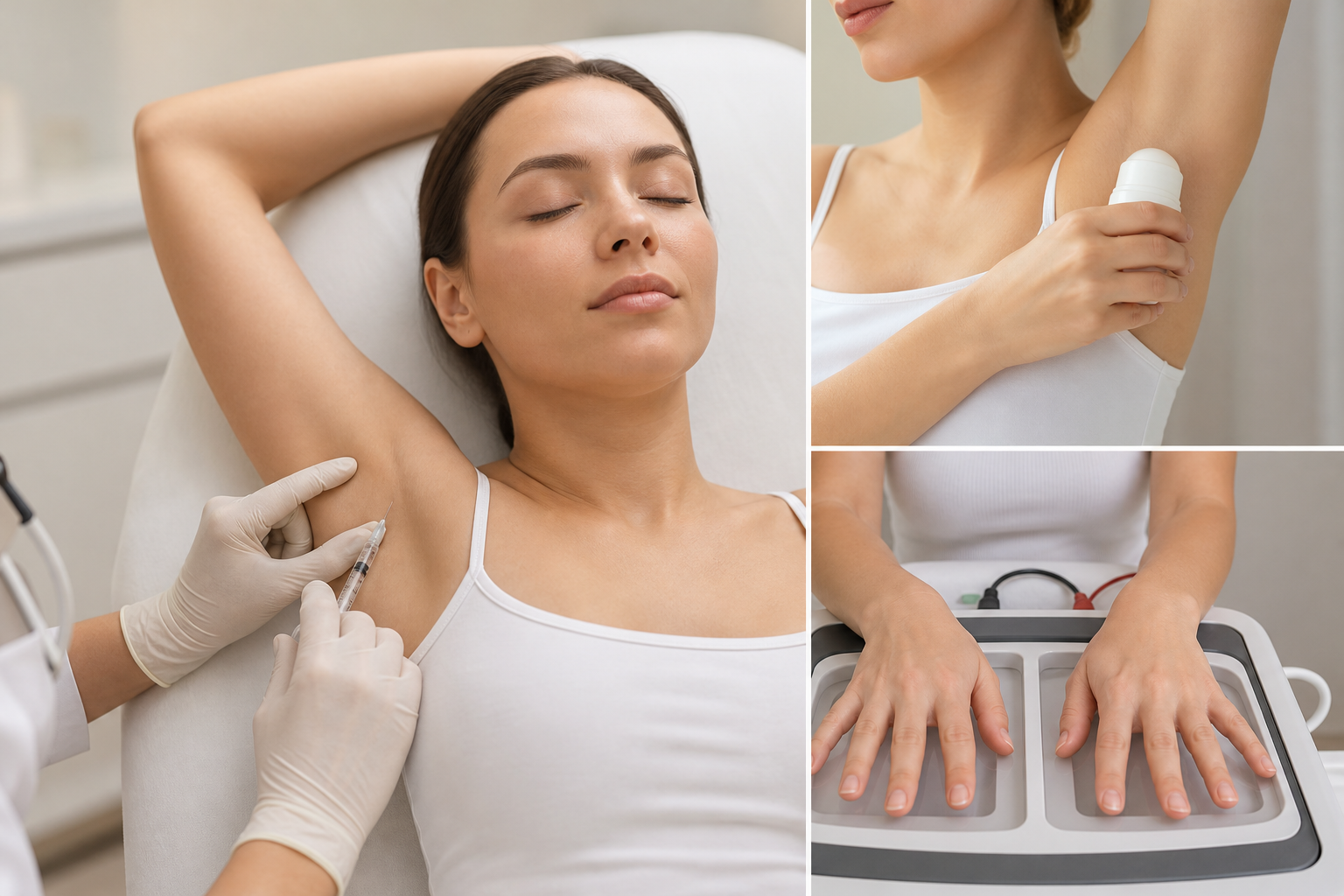
Among localized sweating disorders, excessive sweating of the underarms (axillary hyperhidrosis) is the most common and socially burdensome type. It often results in visible sweat stains on clothing and noticeable body odor due to bacterial decomposition of sweat, which can create social anxiety and avoidance behaviors. For many patients, conventional remedies like prescription-strength antiperspirants or systemic medications may be insufficient or produce intolerable side effects.
Botulinum toxin injections offer a highly effective alternative in these cases by providing substantial reduction of sweat production in treated areas. The procedure is straightforward and typically performed in the outpatient setting without the need for general anesthesia. Prior to treatment, the affected skin can be mapped for hyperactive sweat regions using tests such as the Minor iodine-starch test to maximize treatment precision. Multiple small injections into the dermis of the axillary regions achieve blockade of acetylcholine release at sweat gland nerve endings.
Patients generally begin to notice decreased sweating within a few days, with peak therapeutic effects occurring within one to two weeks. Clinical results usually last between six and nine months, after which repeat injections may be necessary to maintain dryness. The treatment offers a welcome solution for those who have not responded adequately to other therapies or desire a non-invasive option.
While very safe in skilled hands, potential side effects include localized discomfort at injection sites, transient muscle weakness near the treatment area, and rare allergic reactions. Patients are counseled extensively to understand these possibilities and to seek urgent medical attention if symptoms such as difficulty breathing or swallowing arise, which although rare, represent serious adverse events linked to botulinum toxin.
Addressing Palmoplantar Hyperhidrosis with Botulinum Toxin
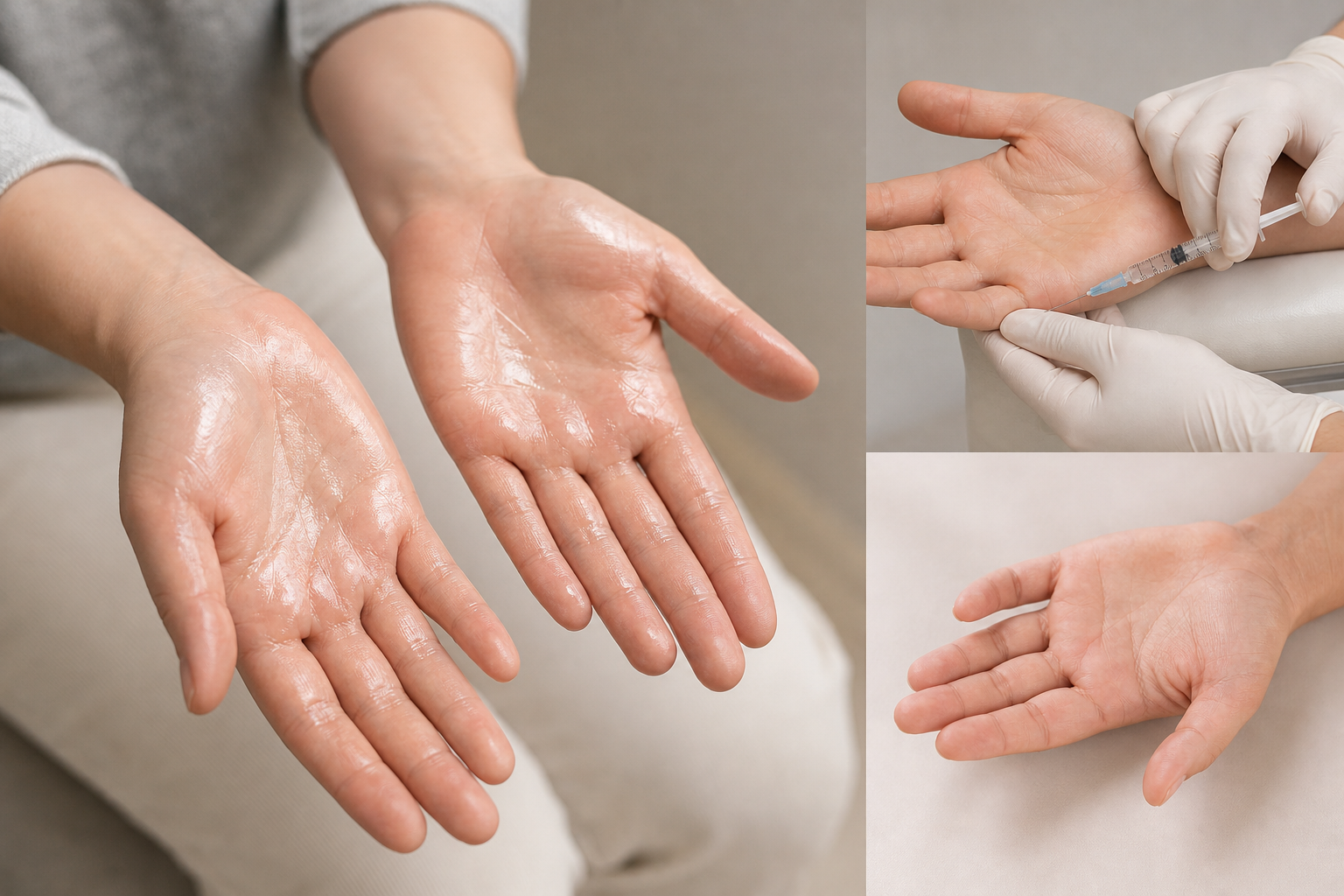
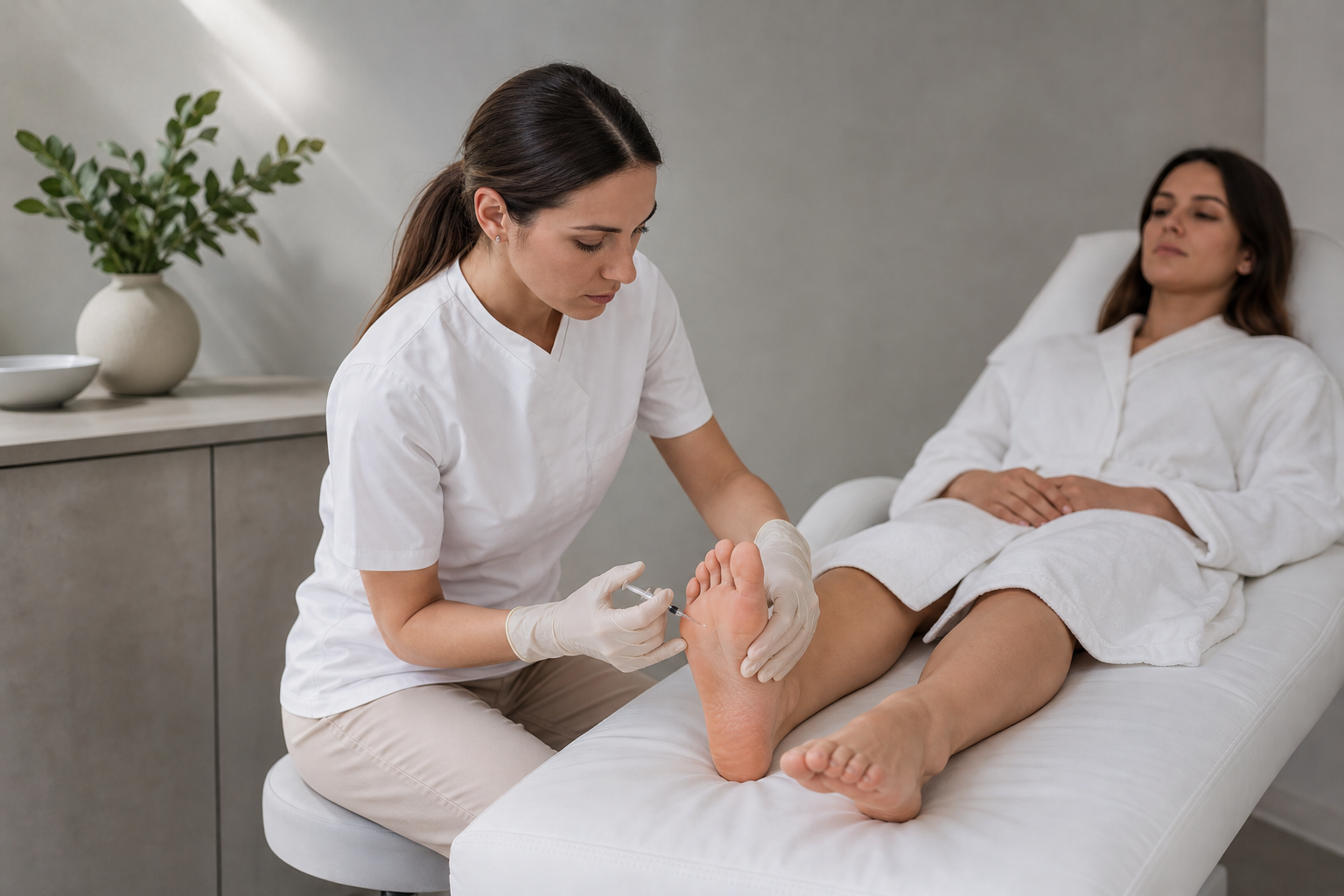
Hyperhidrosis affecting the palms and soles can be particularly debilitating and challenging to manage. For individuals whose occupations or lifestyles require firm manual grip or who experience discomfort due to impaired skin integrity and secondary infections, targeted treatment with botulinum toxin has shown promising results.
The thicker skin on the palms and soles and the denser neural supply require a more meticulous injection technique compared to axillary treatment. Careful dosing and distribution of injections minimize risks such as muscle weakness that could impair hand function. Despite the technical challenges, many patients experience meaningful reductions in sweating, which translates to improved daily functioning and psychological well-being.
Therapeutic effects in these areas tend to have a somewhat shorter duration, typically lasting around four to six months. As such, regular treatment sessions and diligent follow-up are important to sustain benefits. Off-label use of botulinum toxin for this indication is common in many regions and relies heavily on experienced clinicians to optimize outcomes and safety.
Preparation and Procedural Considerations for Botulinum Toxin Treatment
Successful management of hyperhidrosis with botulinum toxin begins well before injection. A thorough medical evaluation is essential to identify suitable candidates and exclude contraindications such as neuromuscular diseases, hypersensitivity to components, or pregnancy. Discussions include reviewing prior therapies, medical history, and patient expectations to facilitate informed consent.
Pre-treatment assessment often involves diagnostic tests to delineate hyperactive sweating zones accurately. Patients are advised on the procedure’s nature, the intradermal injection series, the mild discomfort involved, and post-treatment care protocols. These typically include avoiding intense physical exertion, excessive heat or sauna exposure, and not massaging treated areas for a brief period.
Compliance with these guidelines can minimize side effects and enhance treatment effectiveness. Moreover, patients are educated to watch for warning signs post-treatment that might signify complications requiring prompt professional attention.
Duration of Therapeutic Effects and Managing Patient Expectations
One of the critical aspects of botulinum toxin therapy for hyperhidrosis is its temporality. The blockade of acetylcholine release and resulting anhidrosis gradually diminish as nerve terminals regenerate function over months. In most patients, clinical dryness persists between four and ten months depending on treatment site, dose, and individual variation.
This impermanence necessitates repeated treatments to maintain control over excessive sweating. Patient counseling focuses on realistic goals, emphasizing symptom management rather than cure, as botulinum toxin does not resolve the underlying hyperhidrosis pathology but alleviates its manifestations.
Understanding this is vital to avoid disappointment and ensure treatment compliance. It also underscores the rationale for periodic clinical evaluations to tailor treatment regimens and adjust dosing appropriately based on efficacy and patient feedback.
Recognizing the Limitations and Regional Variations in Botulinum Toxin Use
Despite the clear benefits, botulinum toxin therapy for hyperhidrosis has certain limitations. Importantly, the dosing units of various commercial botulinum toxin preparations are not interchangeable. Different formulations differ in potency, diffusion characteristics, and approved indications, meaning each case must be approached with careful product selection and dosing expertise.
Regulatory approvals for botulinum toxin in treating hyperhidrosis also vary widely by country and region. In some jurisdictions, treatment is officially approved only for axillary hyperhidrosis, while use in palms or soles may be considered off-label, requiring thorough medical justification and patient consent.
Clinicians must navigate these regulatory frameworks as well as individual patient variability in response and side effect profiles. Not every patient achieves complete dryness, and some may exhibit shorter duration or diminished efficacy due to antibody formation or other factors. Hence, botulinum toxin is best considered a valuable component within a multimodal therapeutic strategy rather than a standalone solution.