Topic Edition
73 articles
When Do the First Results Become Visible?
The visibility of initial results after laser treatments depends on multiple factors including the type of condition, laser techno...
Read more
How Many Treatment Sessions Are Usually Needed?
The number of laser treatment sessions for pigmentation varies based on diagnosis, skin type, laser device, and clinician protocol...
Read more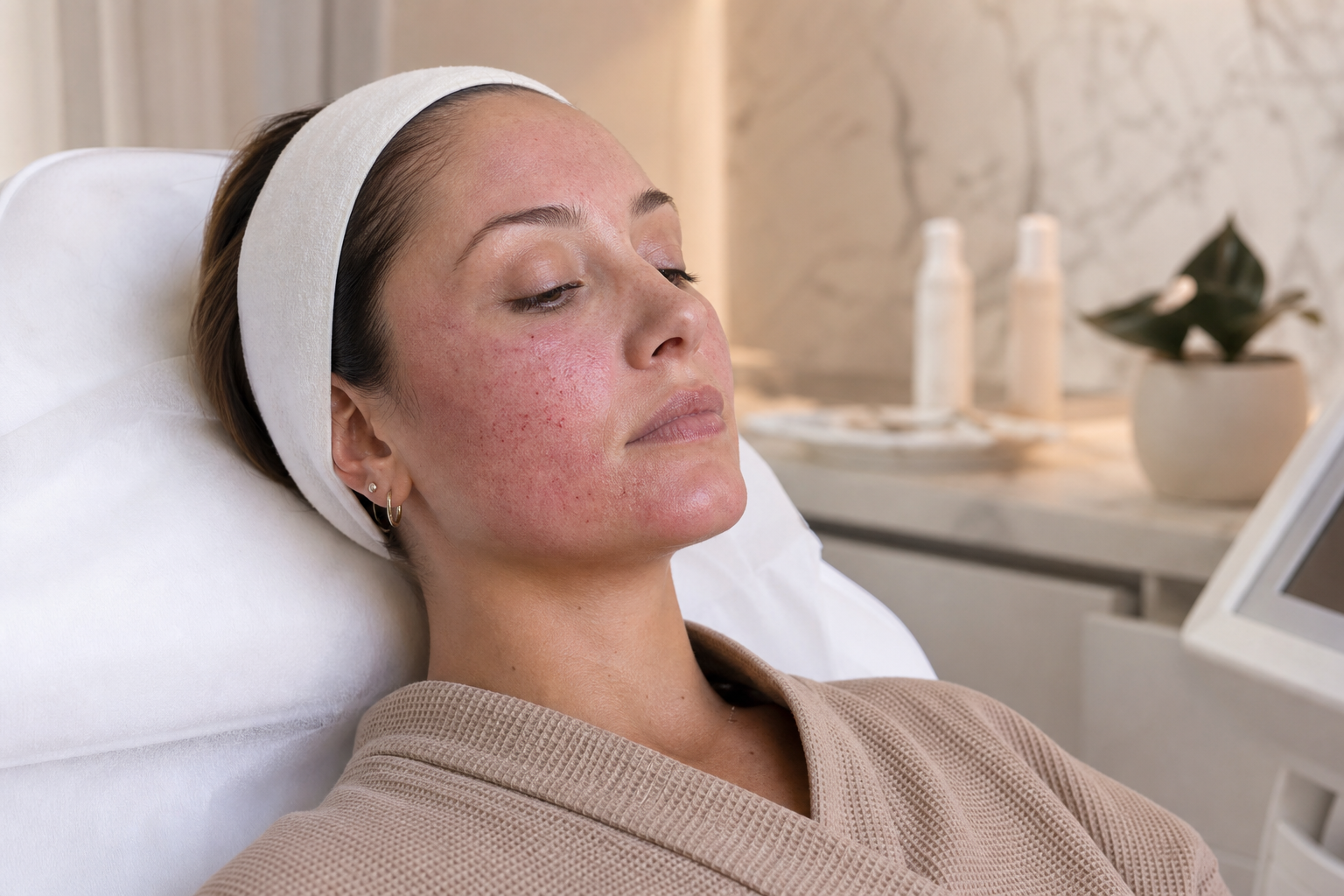
What Does Skin Look Like Immediately After Treatment?
Understanding the immediate skin appearance after laser treatment helps set realistic expectations and informs proper care. Post-t...
Read more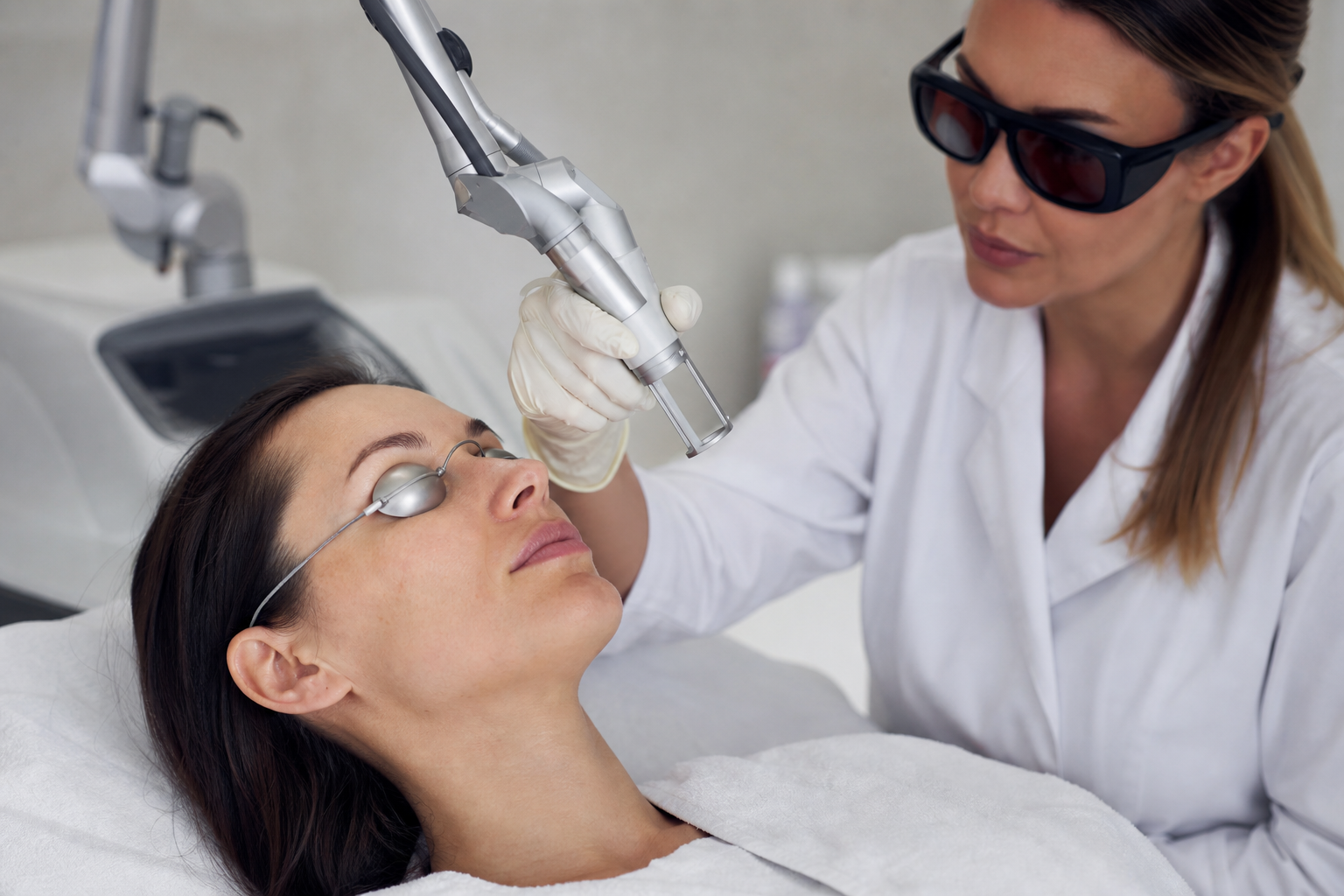
Er:YAG Laser for Dark Spots and Photoaging
The Er:YAG laser offers a precise, controlled approach to treat dark spots and photoaging by targeting superficial skin layers for...
Read more
How to Recognize a Normal Reaction and When to Contact a Doctor
Laser pigmentation treatments commonly cause mild redness, swelling, and temporary pigment changes, which are normal as the skin h...
Read more
Medications and Active Ingredients to Tell Your Clinician About
Before undergoing laser treatments, it is essential to inform your clinician about all medications and active ingredients you use,...
Read more
Can Laser Treatment Make PIH Darker?
Post-Inflammatory Hyperpigmentation (PIH) arises from increased melanin following skin inflammation. While laser treatments can ta...
Read more
IPL for Post-Acne Marks: Benefits and Limitations
Intense Pulsed Light (IPL) therapy offers a sophisticated approach to reduce brown post-inflammatory hyperpigmentation (PIH) after...
Read more
Picosecond Lasers and Melasma: What Does Current Evidence Show?
Picosecond lasers offer a promising yet cautious approach to treating melasma, a complex pigmentation disorder. Current evidence h...
Read more
Photoaging and Pigmentation: When Are They Treated Together?
Photoaging and pigmentation frequently occur together due to cumulative UV exposure, impacting skin health and appearance. Treatin...
Read more
IPL vs Laser for Sun Spots: A Comparison
Sun spots, or solar lentigines, are common pigmented lesions caused by prolonged sun exposure. This article compares IPL and laser...
Read more
Dark Spots on the Décolletage: Laser Treatment Options
Dark spots on the décolletage, often caused by sun exposure and aging, pose a common cosmetic concern. Laser treatments offer targ...
Read more
Ablative vs Non-Ablative Lasers: Key Differences
Ablative and non-ablative lasers provide distinct approaches to skin treatment by either removing layers of skin or stimulating co...
Read more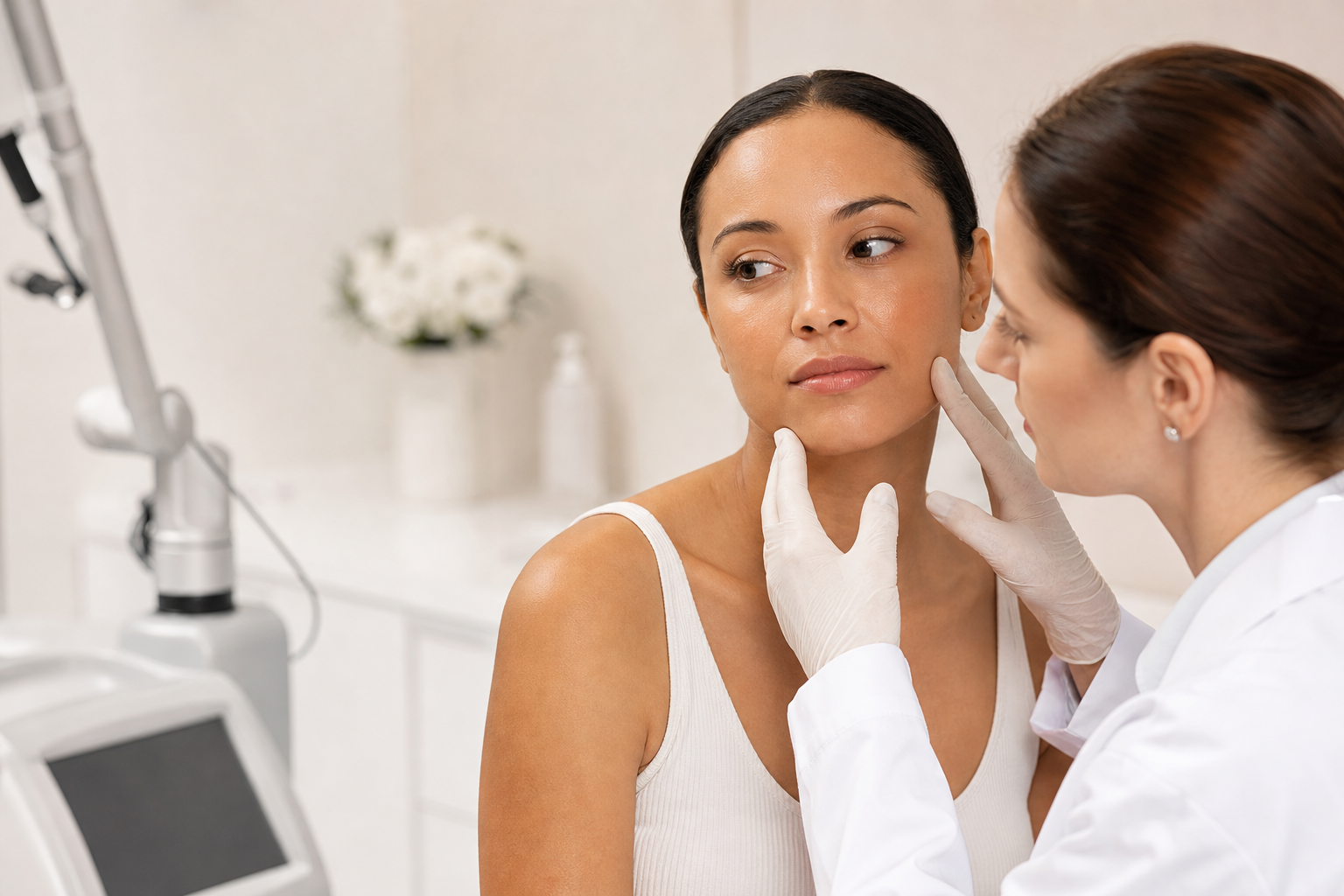
Can Laser Treatment Cause Scarring?
Laser treatments can carry a risk of scarring, influenced by patient skin type, device settings, and procedural care. Special caut...
Read more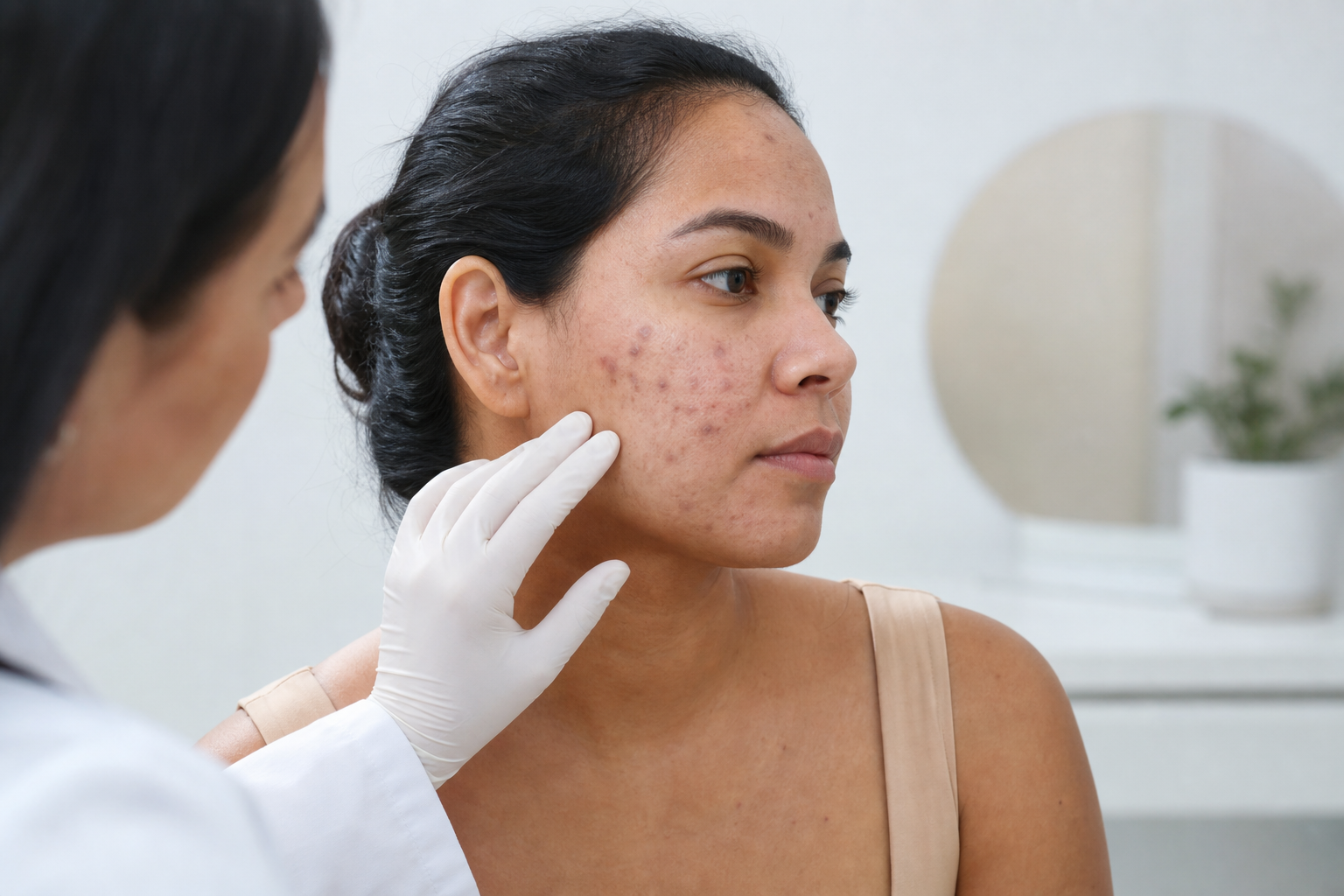
Why Should Active Acne Be Controlled Before Treating Dark Marks?
Controlling active inflammatory acne before addressing dark marks is crucial to prevent worsening pigmentation and scarring. Diffe...
Read more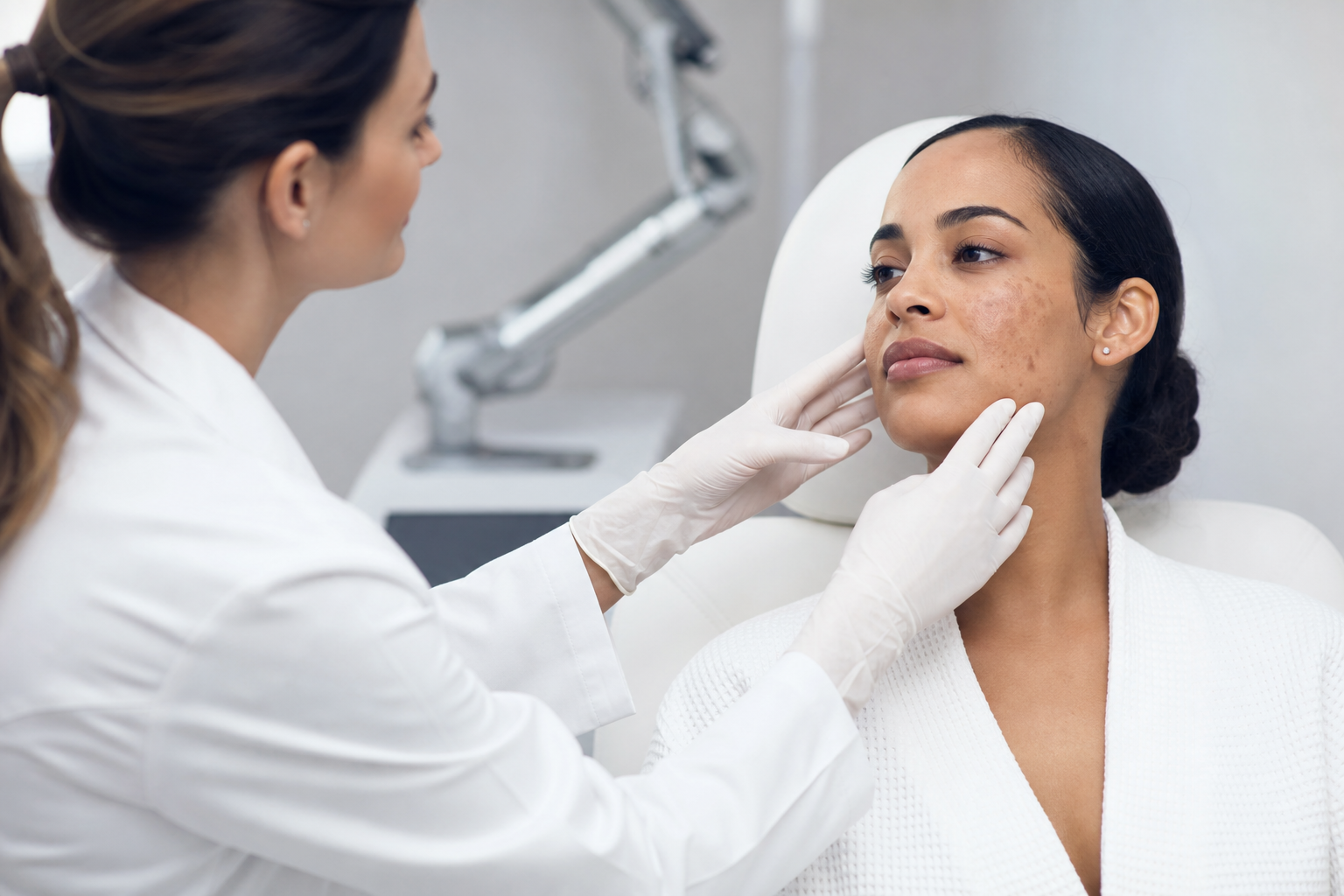
Post-Inflammatory Hyperpigmentation After Laser Treatment
Post-inflammatory hyperpigmentation (PIH) after laser treatment is a prevalent concern that affects skin appearance and patient sa...
Read more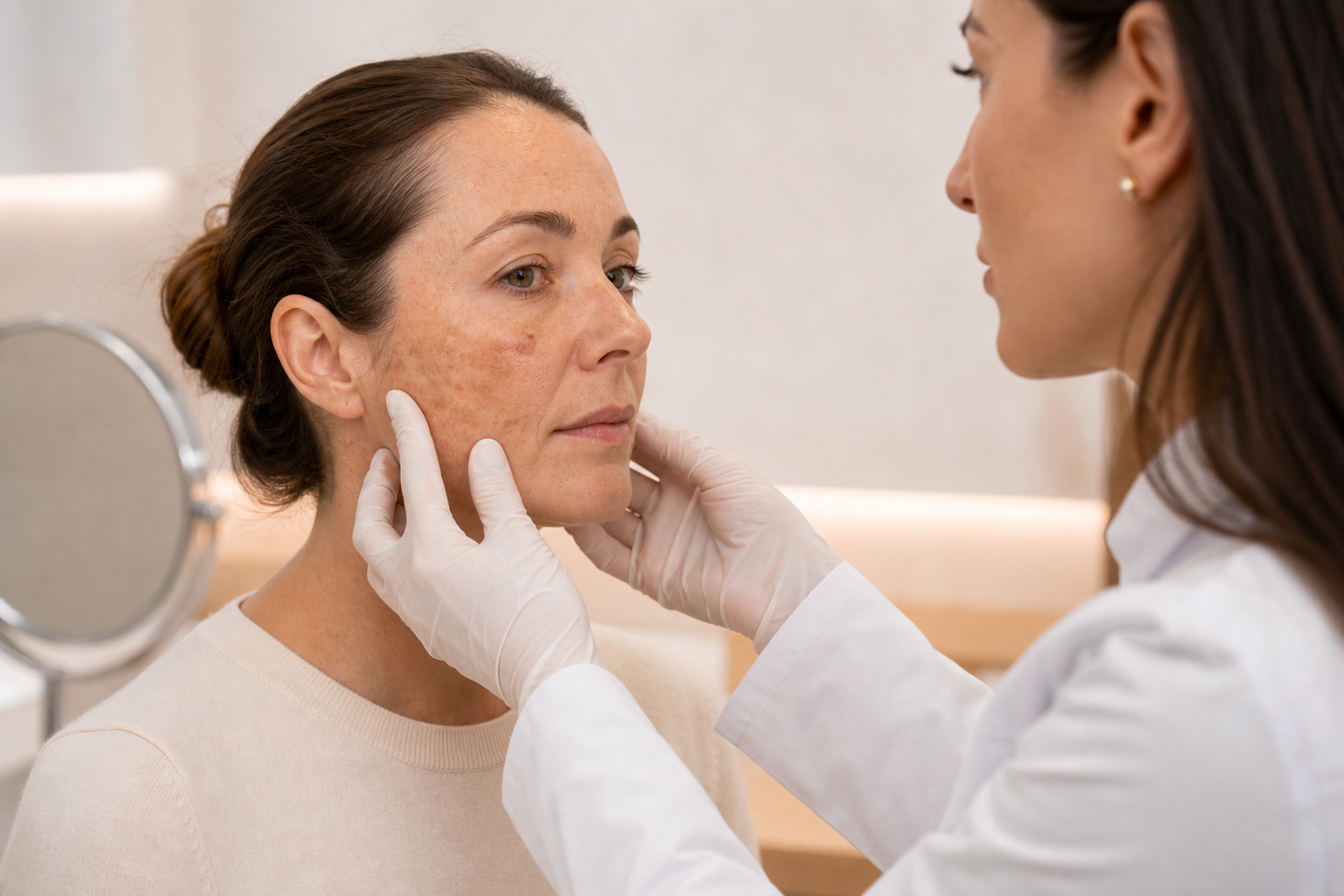
Freckles, Age Spots and Melasma: What Is the Difference?
Freckles, age spots, and melasma are distinct types of skin pigmentation with different causes and characteristics. Understanding...
Read more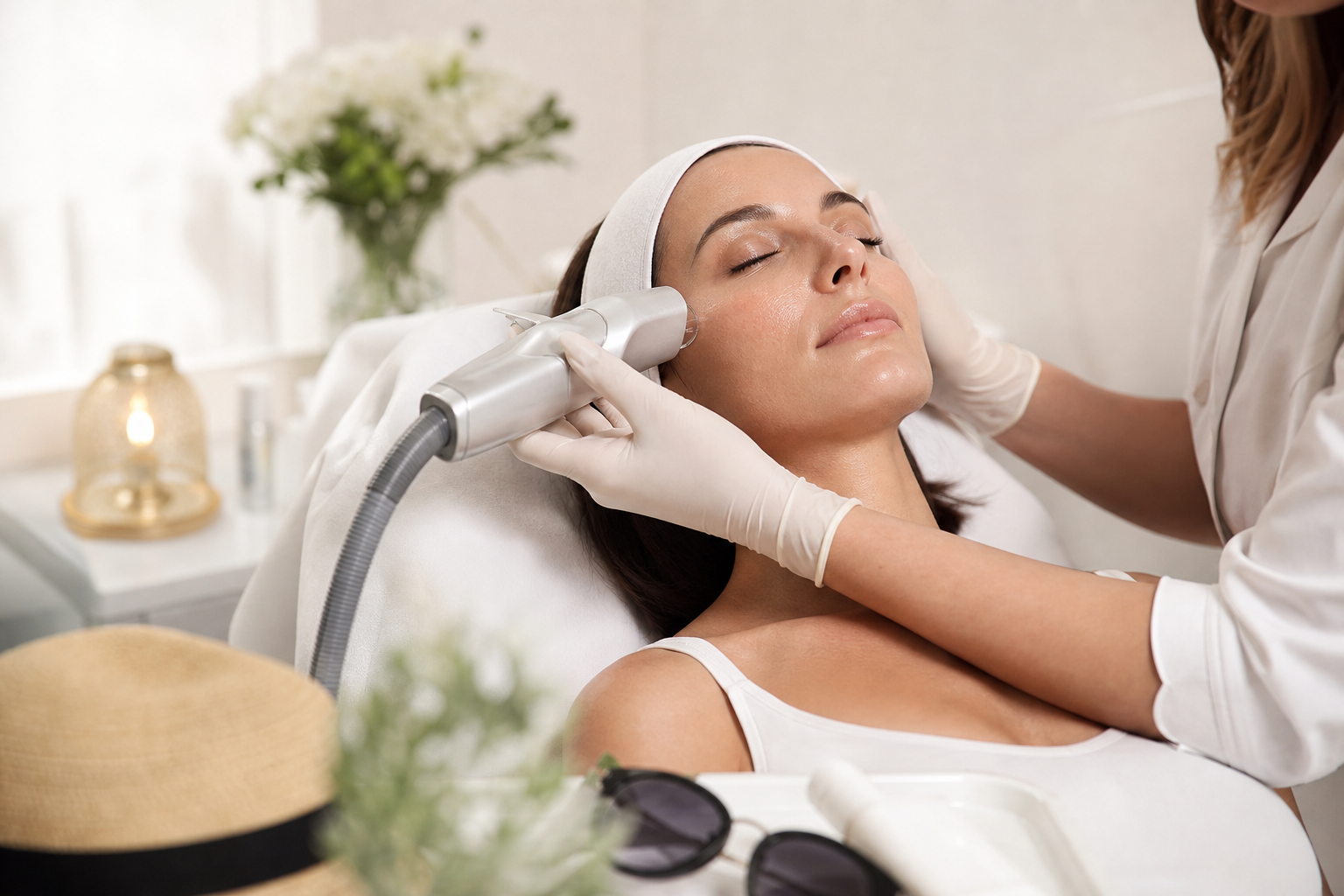
What Is the Best Season for Pigmentation Treatment?
Pigmentation treatment outcomes are significantly influenced by the season in which therapy is performed. Cooler seasons like autu...
Read more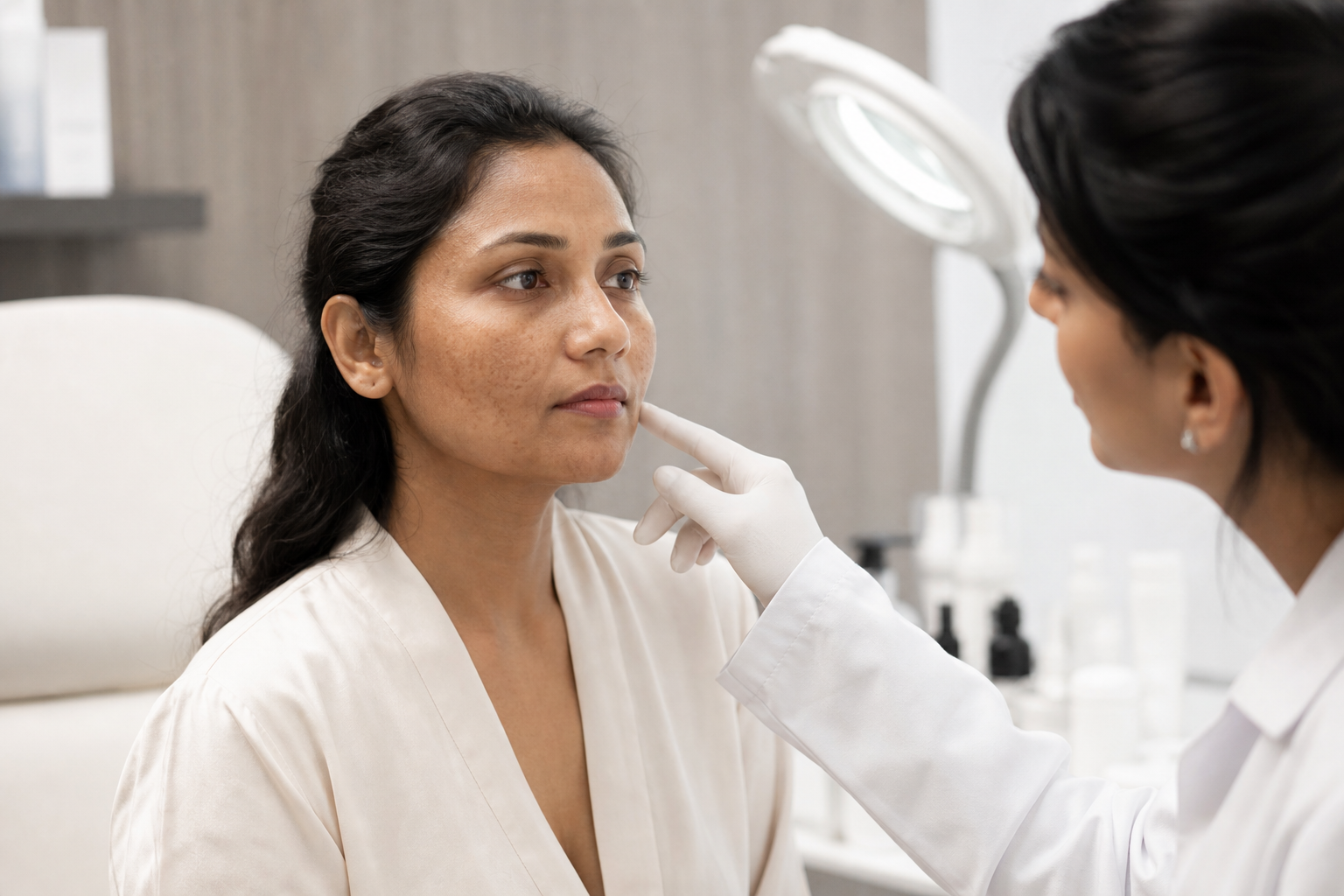
Combining Laser and Topical Therapy for Melasma
Melasma is a chronic hyperpigmentation disorder that requires careful management to avoid worsening or recurrence. Combining laser...
Read more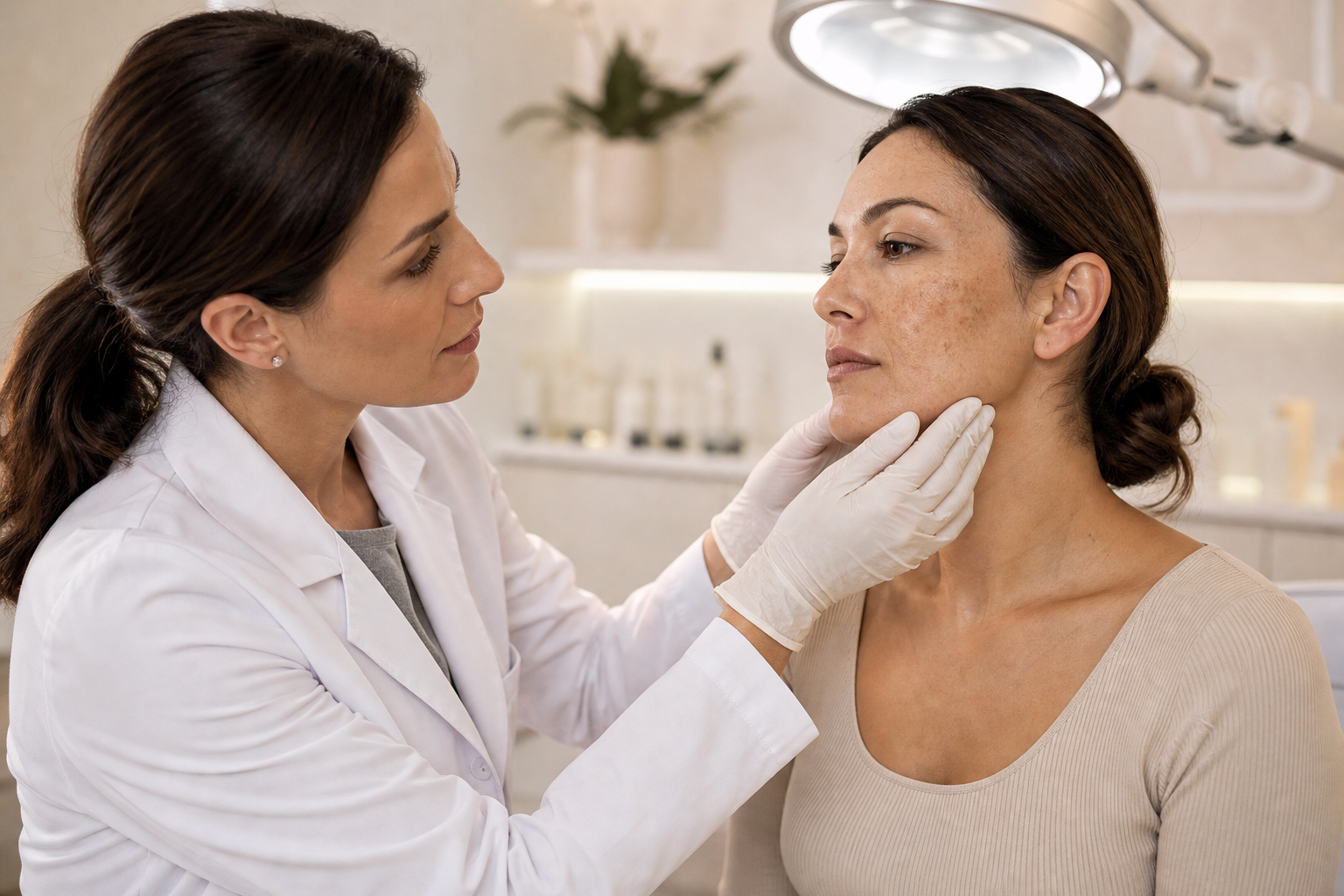
Melasma, Sun Spots and PIH: How Do They Differ?
Melasma, sun spots, and postinflammatory hyperpigmentation (PIH) are common pigmentary conditions with distinct causes and appeara...
Read more
Laser Treatment of Pigmentation on the Hands
Laser treatment effectively targets pigmentation on the hands caused by sun exposure, including solar lentigines. Careful diagnosi...
Read more
Why Shouldn't Every Pigmentation Concern Be Treated With Laser Immediately?
Not every skin pigmentation concern should be treated with laser immediately due to diagnostic complexities and patient-specific f...
Read more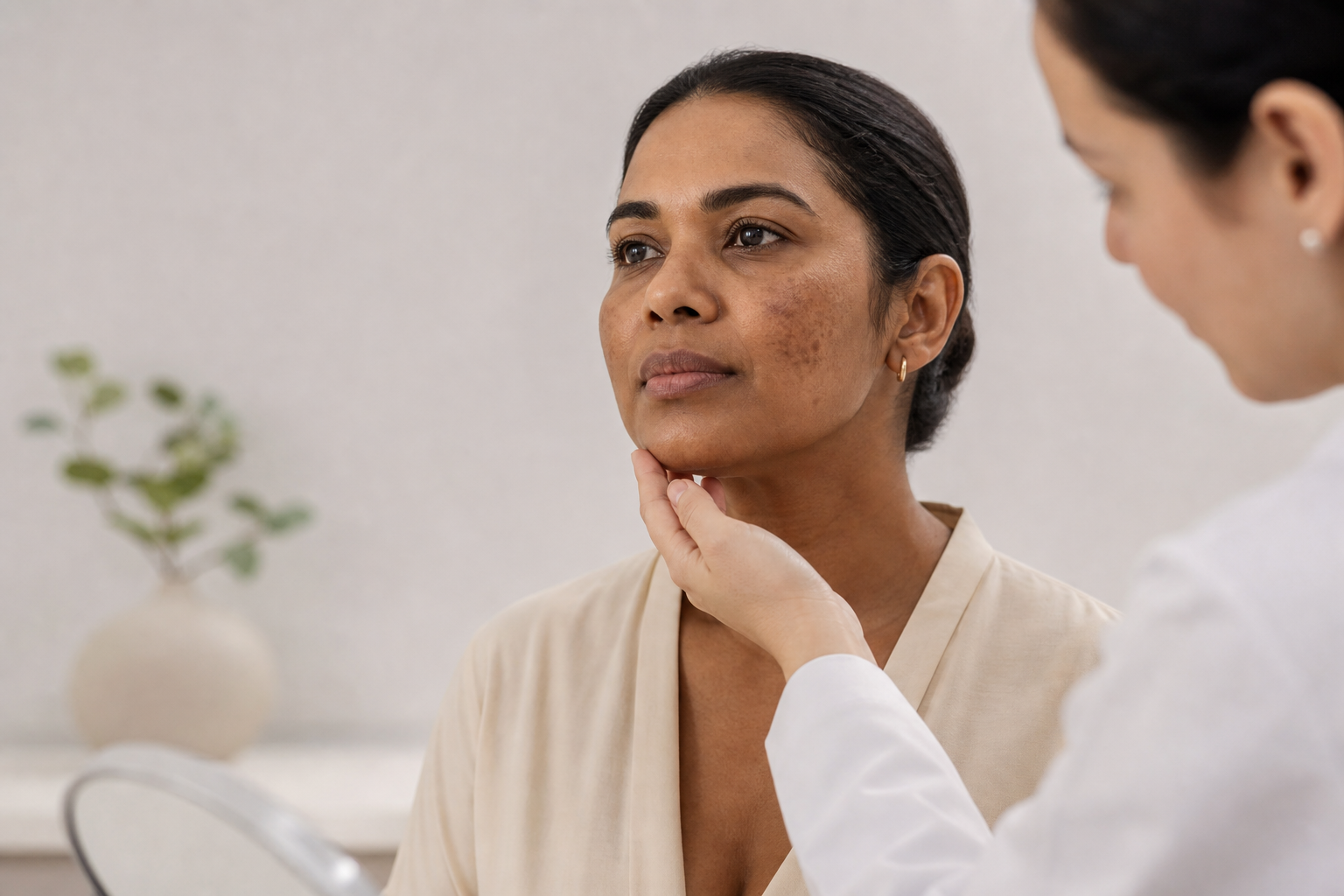
Melasma in Darker Skin Types: Why Extra Caution Is Needed
Melasma presents distinct challenges in darker skin types due to higher melanin content and risk of treatment-induced hyperpigment...
Read more
Why Does Tanned Skin Increase Treatment Risk?
Tanned skin increases risks during laser treatments due to elevated melanin absorbing more laser energy, heightening chances of bu...
Read more
Alexandrite Laser for Pigmented Lesions
The Alexandrite laser is a precise technology targeting melanin to treat specific pigmented skin lesions, primarily in lighter ski...
Read more
Pigmentation Lasers for Darker Skin
Pigmentation lasers offer targeted treatment for uneven skin tones but require special care for darker skin types due to increased...
Read more
How Long Is Recovery After Laser Treatment for Pigmentation?
Laser treatment for pigmentation offers targeted removal of sun spots, melasma, and hyperpigmentation with a recovery period typic...
Read more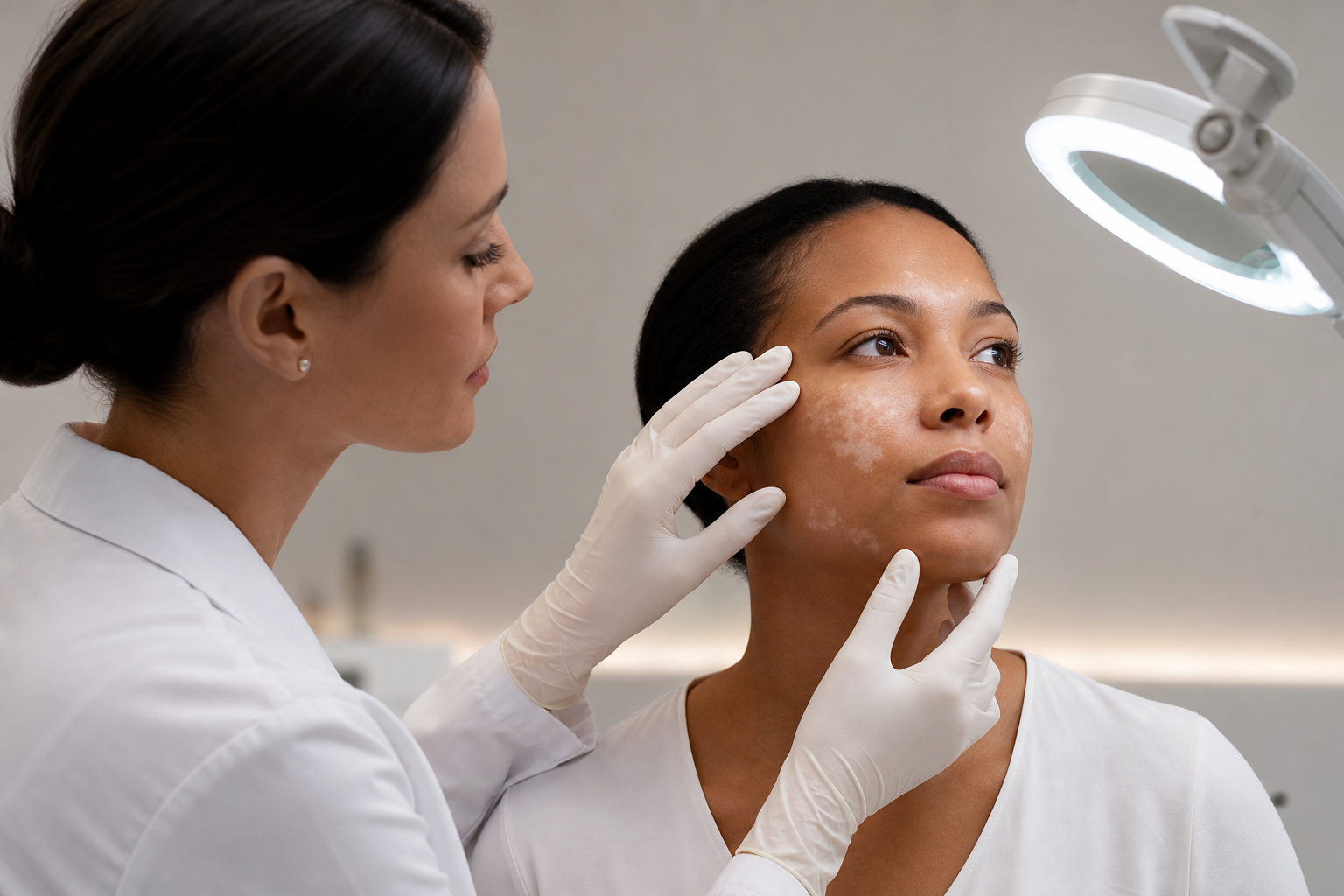
Hypopigmentation After Laser Treatment: Why Does It Happen?
Hypopigmentation after laser treatment causes lighter skin patches due to melanocyte damage, especially in darker or tanned skin....
Read more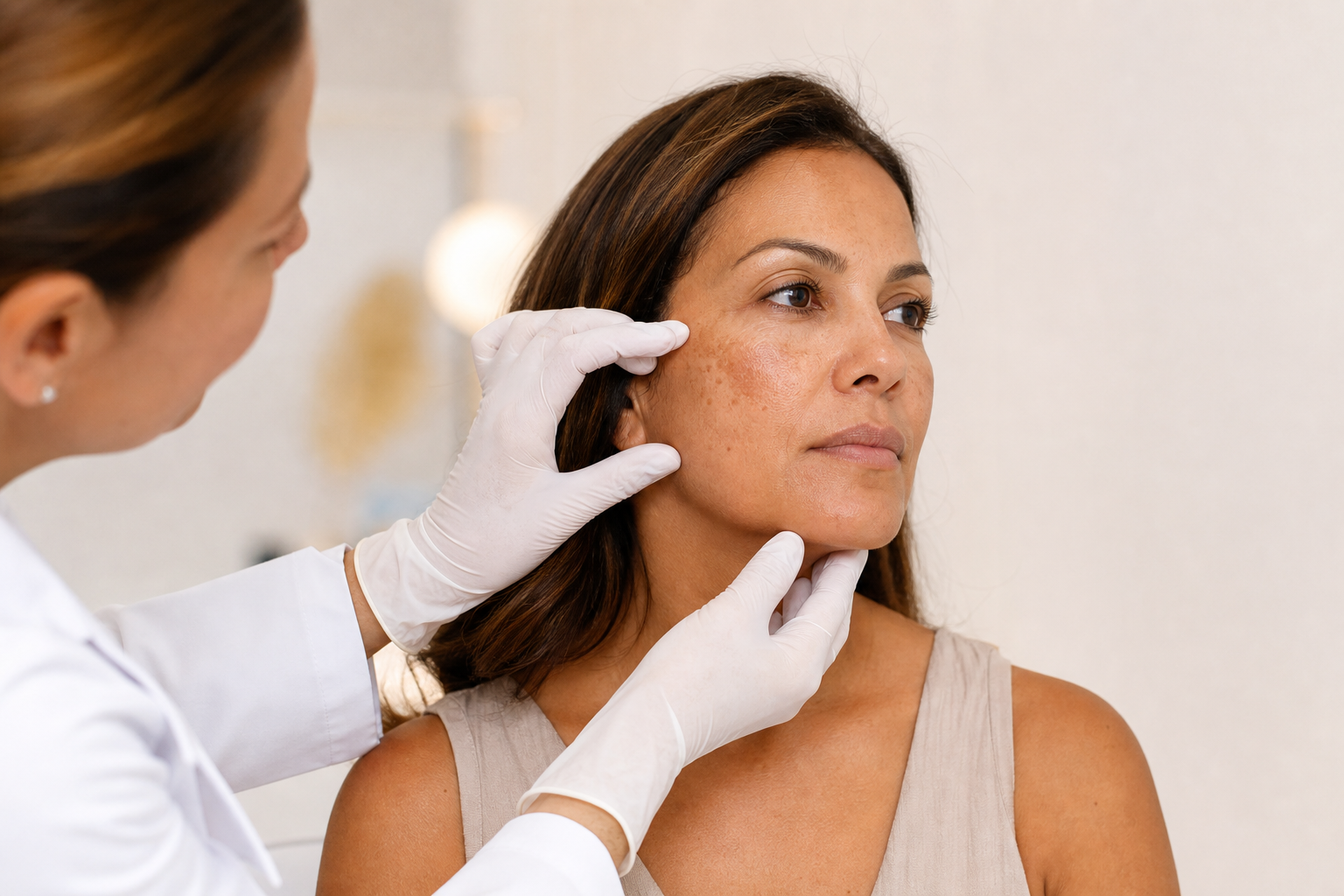
Hormonal Pigmentation: What Triggers It and Why Does It Return?
Hormonal pigmentation, commonly known as melasma, is triggered by hormonal fluctuations and environmental factors like sun exposur...
Read more
When Can Post-Acne Marks Be Treated With Lasers?
Post-acne marks, including brown hyperpigmentation and red erythema, require careful assessment before laser treatment. Effective...
Read more
Who Is Not a Good Candidate for Laser Pigmentation Treatment?
Laser pigmentation treatment offers effective solutions for various pigmentary conditions but is not suitable for everyone. Patien...
Read more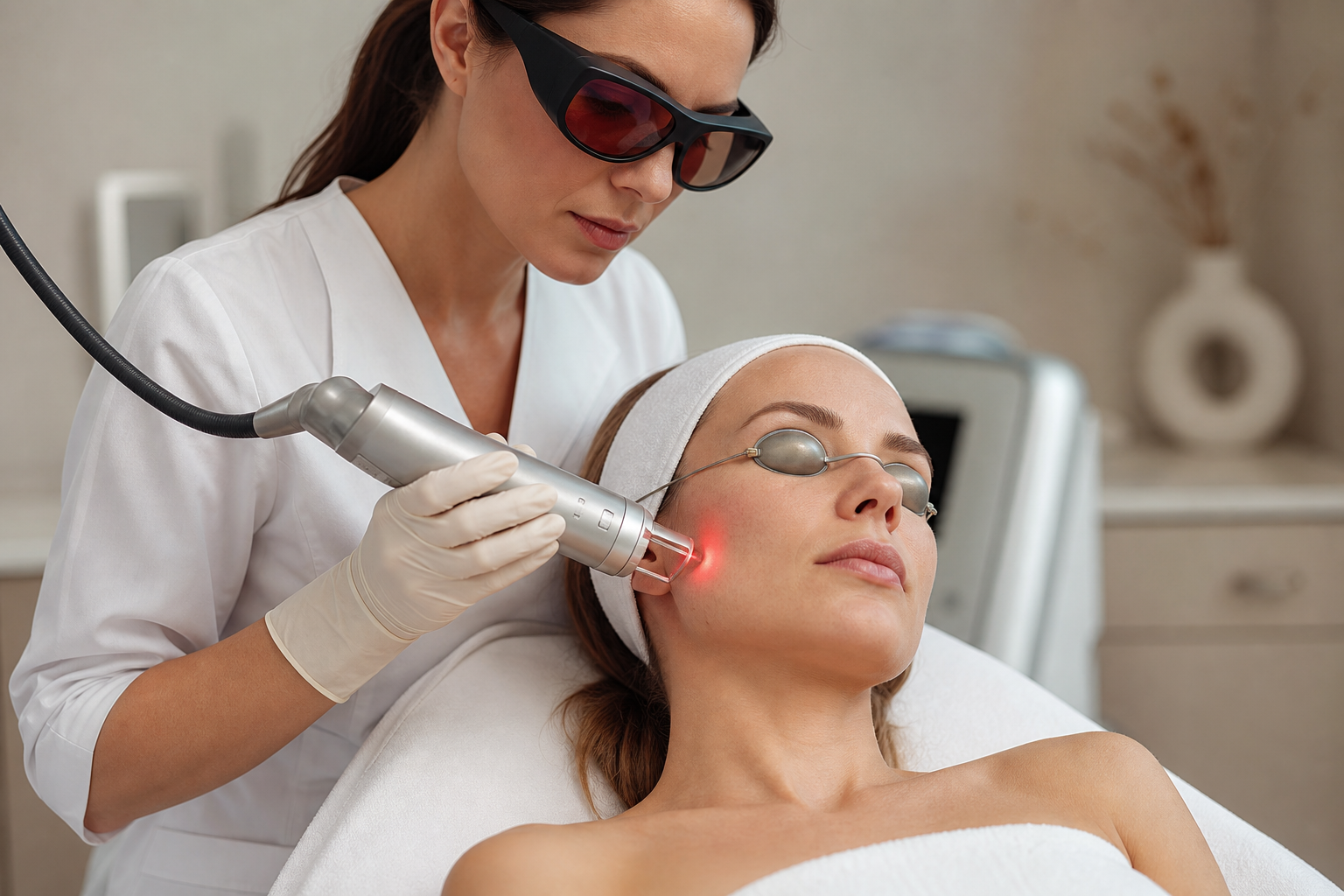
Ruby Laser: Where Is It Used Today?
The ruby laser remains a key tool for treating superficial pigmentation and certain tattoo inks, particularly in lighter skin type...
Read more
Laser Test Spots: When Are They Especially Important?
Laser test spots are crucial preliminary steps before full laser treatments, especially for individuals with darker or tanned skin...
Read more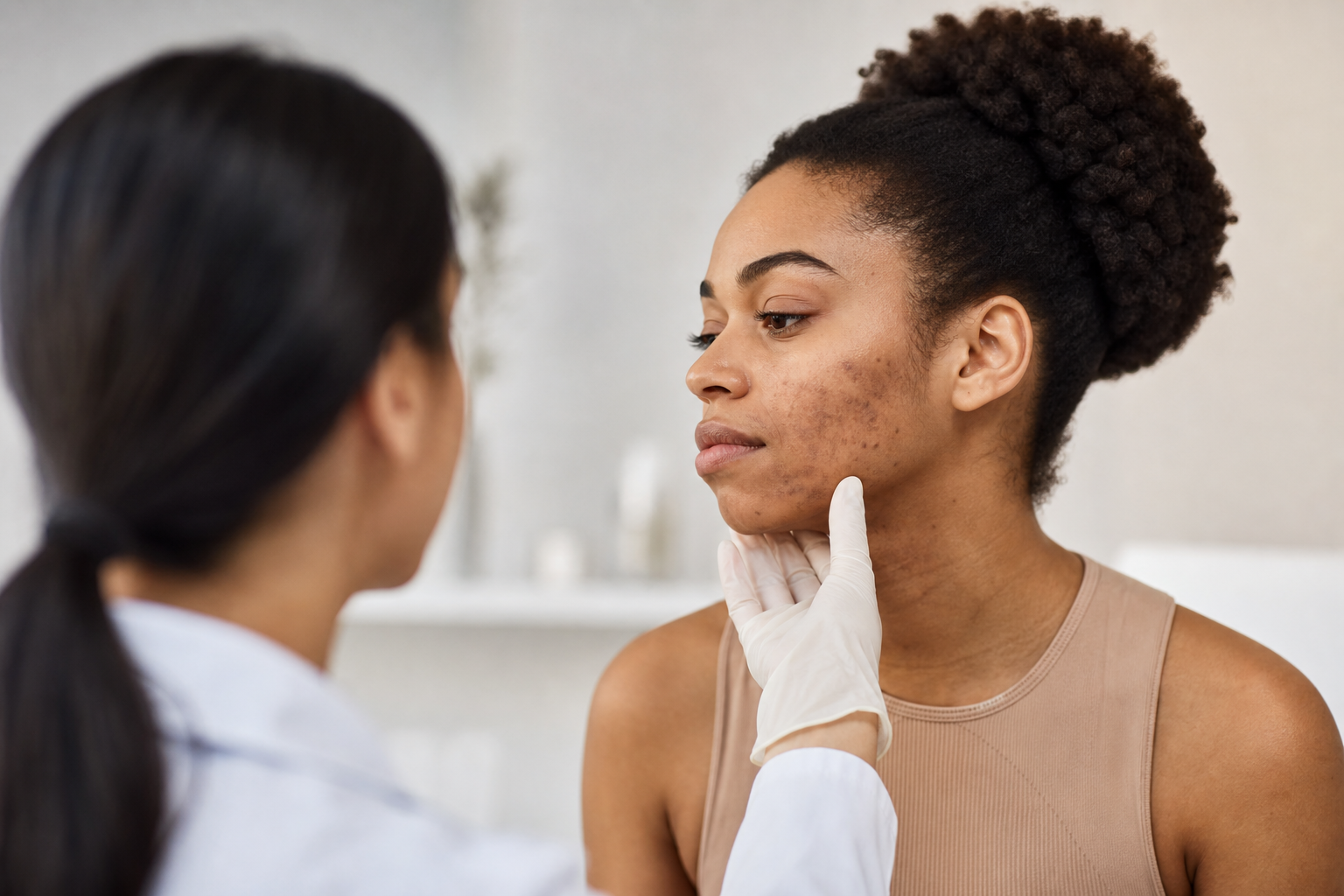
What Is Post-Inflammatory Hyperpigmentation?
Post-inflammatory hyperpigmentation (PIH) manifests as dark patches on the skin following inflammation or injury, particularly aff...
Read more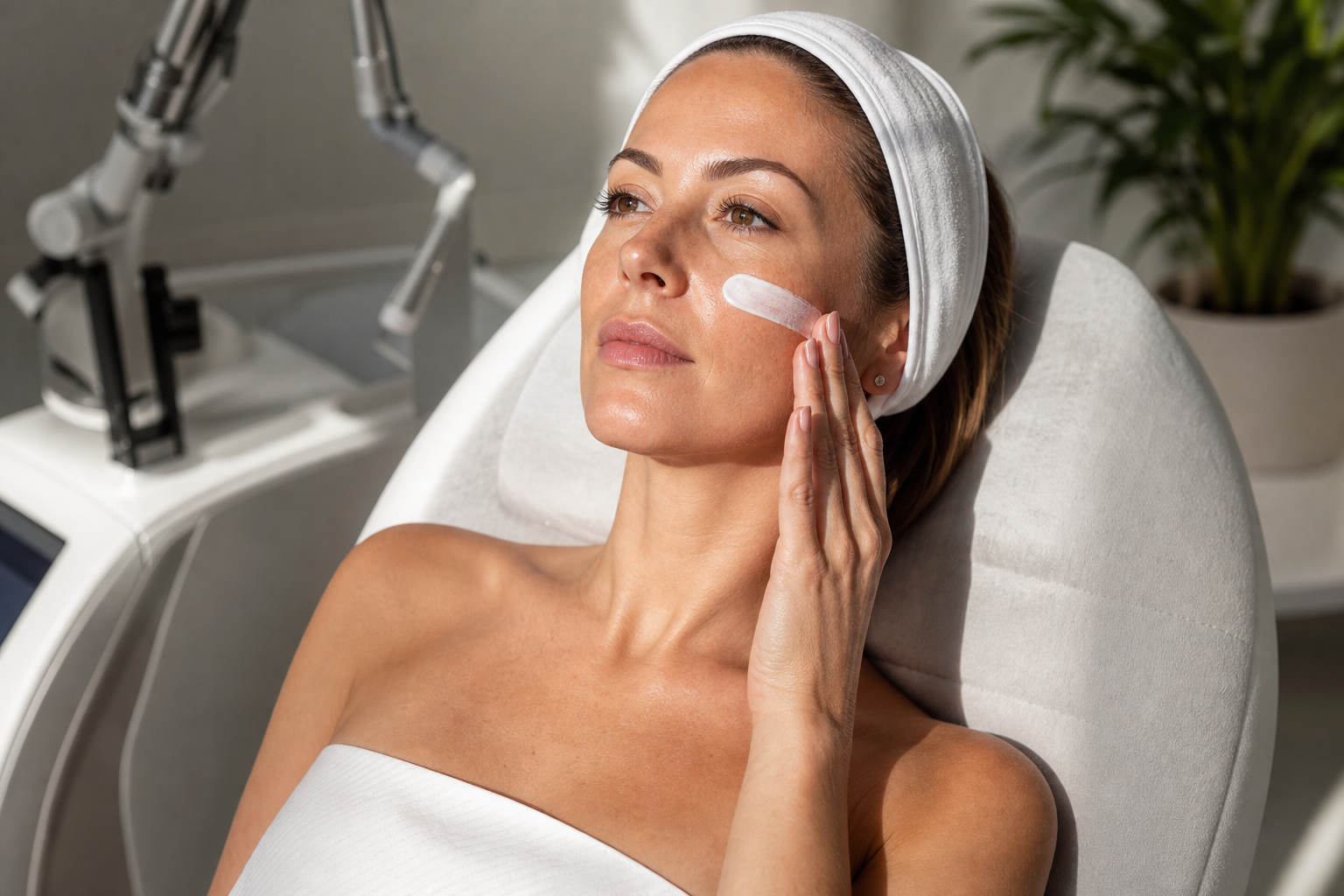
SPF After Laser Treatment: Why Is It Essential?
Post-laser treatment skin is vulnerable and requires meticulous sun protection to prevent complications like hyperpigmentation and...
Read more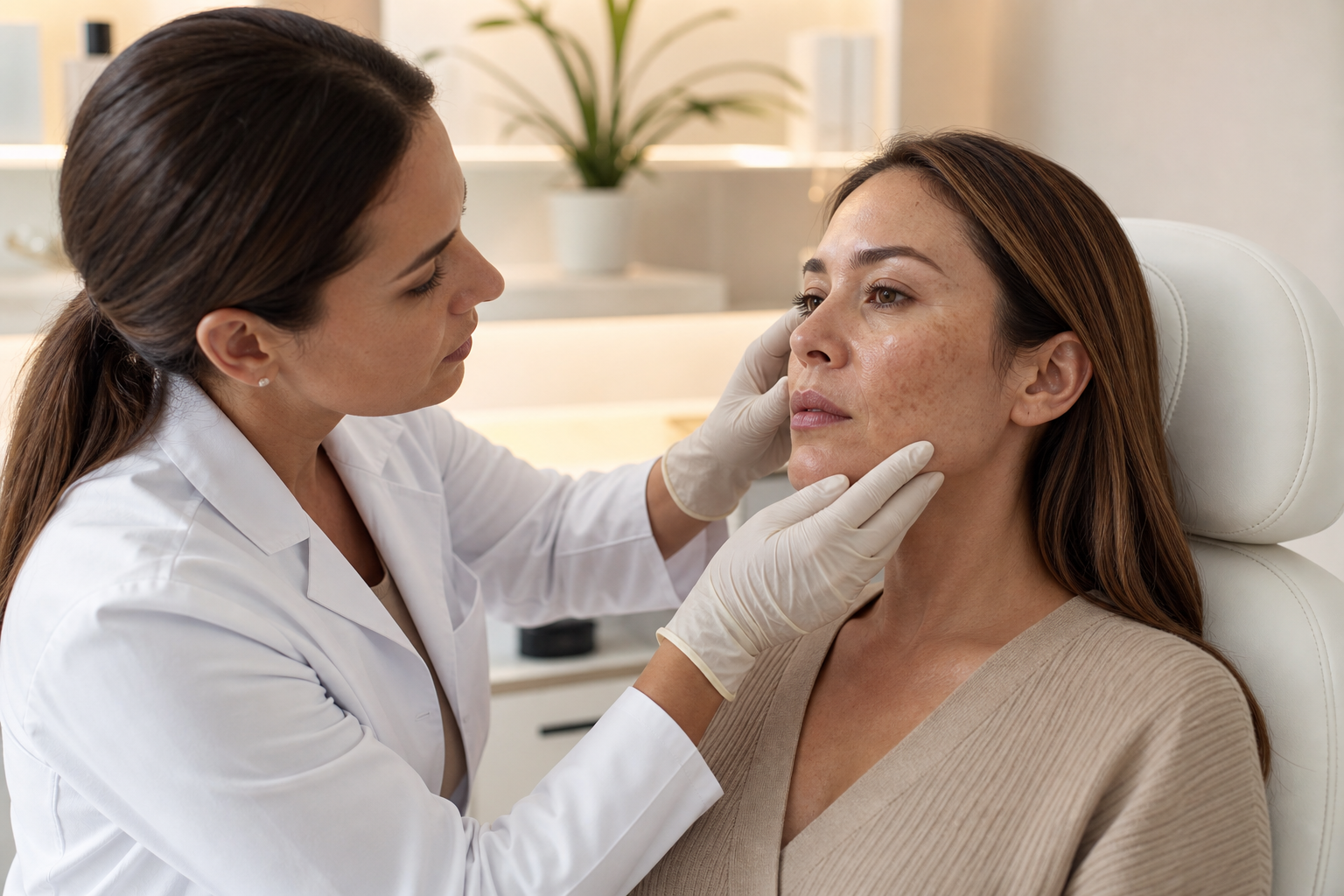
How a Dermatologist Assesses Pigmentation Before Laser Treatment
Accurate dermatologic assessment of pigmentation is crucial before laser treatment to ensure safety and effective results. Dermato...
Read more
Why Does Pigmentation Return and How Can the Risk Be Reduced?
Pigmentation can return after laser treatment due to the skin's natural melanin production stimulated by factors like UV exposure...
Read more
When Is a Dark Spot More Than a Cosmetic Concern?
Dark spots on the skin, commonly known as hyperpigmentation, are often viewed as cosmetic issues but can sometimes indicate seriou...
Read more
Red vs Brown Marks After Acne: What Is the Difference?
This article clarifies the differences between red and brown marks after acne, explaining their causes and management. It emphasiz...
Read more
How to Maintain Results During Summer
Maintaining laser pigmentation treatment results during summer requires tailored preparation, diligent photoprotection, and ongoin...
Read more
Fractional Laser for Both Acne Scars and Pigmentation
Fractional laser therapy offers a nuanced approach to treating both acne scars and post-inflammatory pigmentation by targeting ski...
Read more
Why Photoprotection Determines Melasma Treatment Outcomes
Photoprotection is essential in managing melasma, a chronic pigmentary disorder characterized by facial dark patches. This article...
Read more
Why Does Pigmentation Temporarily Darken After Treatment?
Temporary darkening of pigmentation after laser treatment, known as postinflammatory hyperpigmentation (PIH), is a common skin res...
Read more
Laser Treatment for Post-Acne Marks in Darker Skin
Laser treatment for post-acne marks in darker skin involves careful differentiation between brown hyperpigmentation and red erythe...
Read more
Epidermal vs Dermal Pigmentation: Why Pigment Depth Changes Treatment
Pigmentation in the skin varies by depth, primarily categorized as epidermal or dermal, influencing how treatments like laser ther...
Read more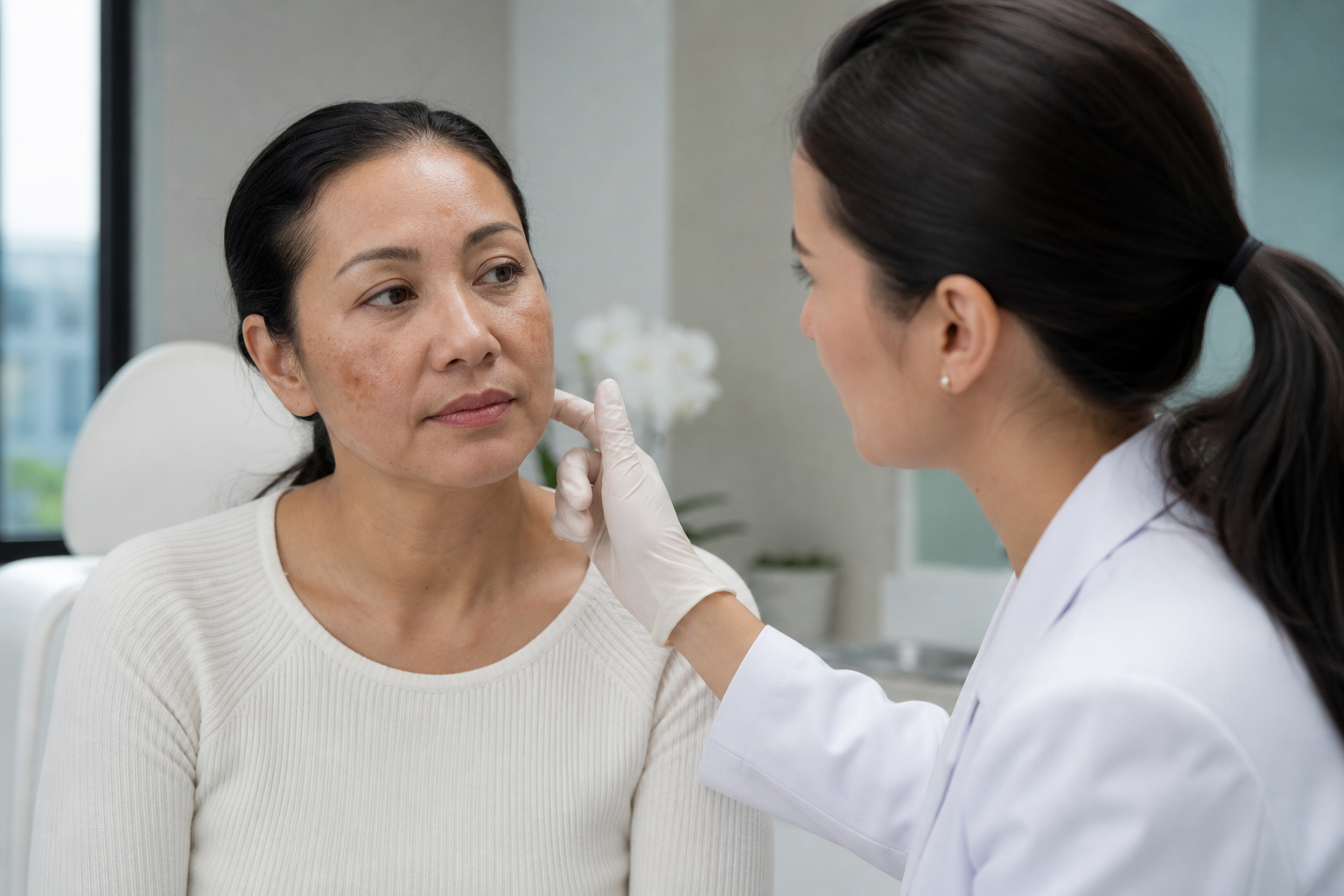
Why Can Melasma Worsen After Laser Treatment?
Melasma is a complex skin condition often challenging to treat, especially with laser therapy which can sometimes worsen pigmentat...
Read more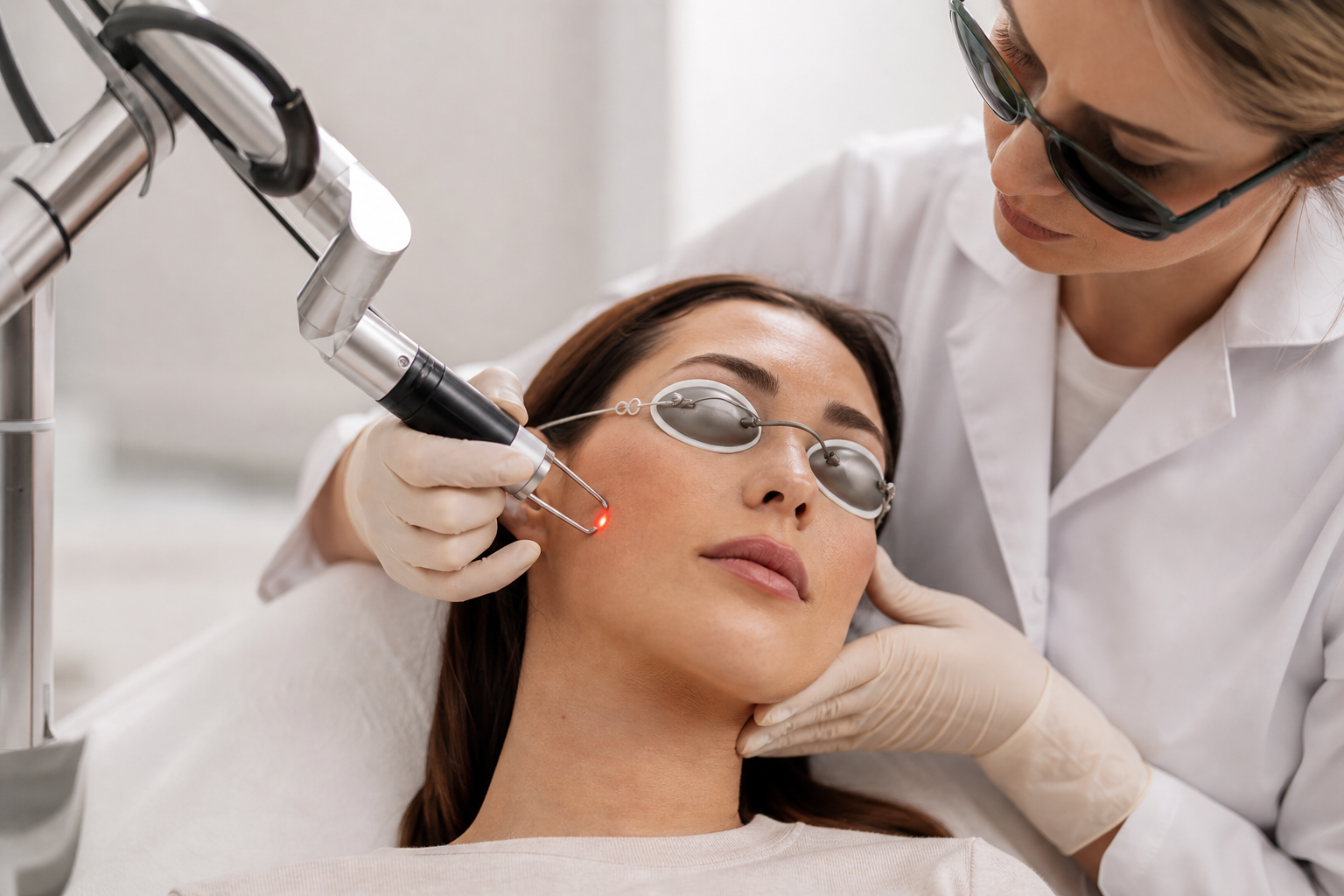
CO2 Laser and Pigmentation: Benefits and Limitations
CO₂ laser technology offers targeted treatment for various superficial pigmentation disorders by ablating damaged skin layers and...
Read more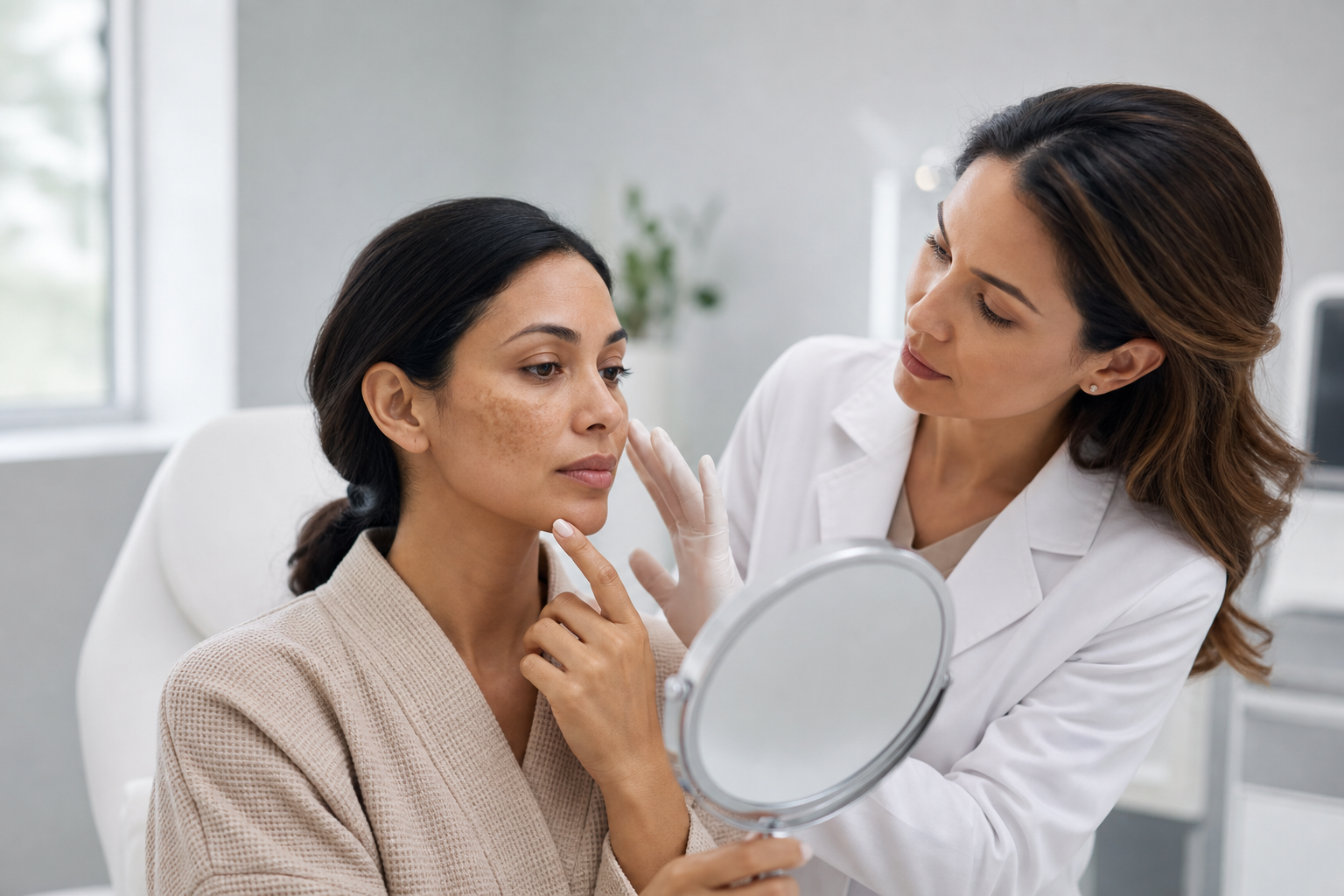
IPL and Melasma: Who May Benefit and Who May Not?
Intense Pulsed Light (IPL) may benefit select melasma patients, particularly those with lighter skin and superficial pigmentation....
Read more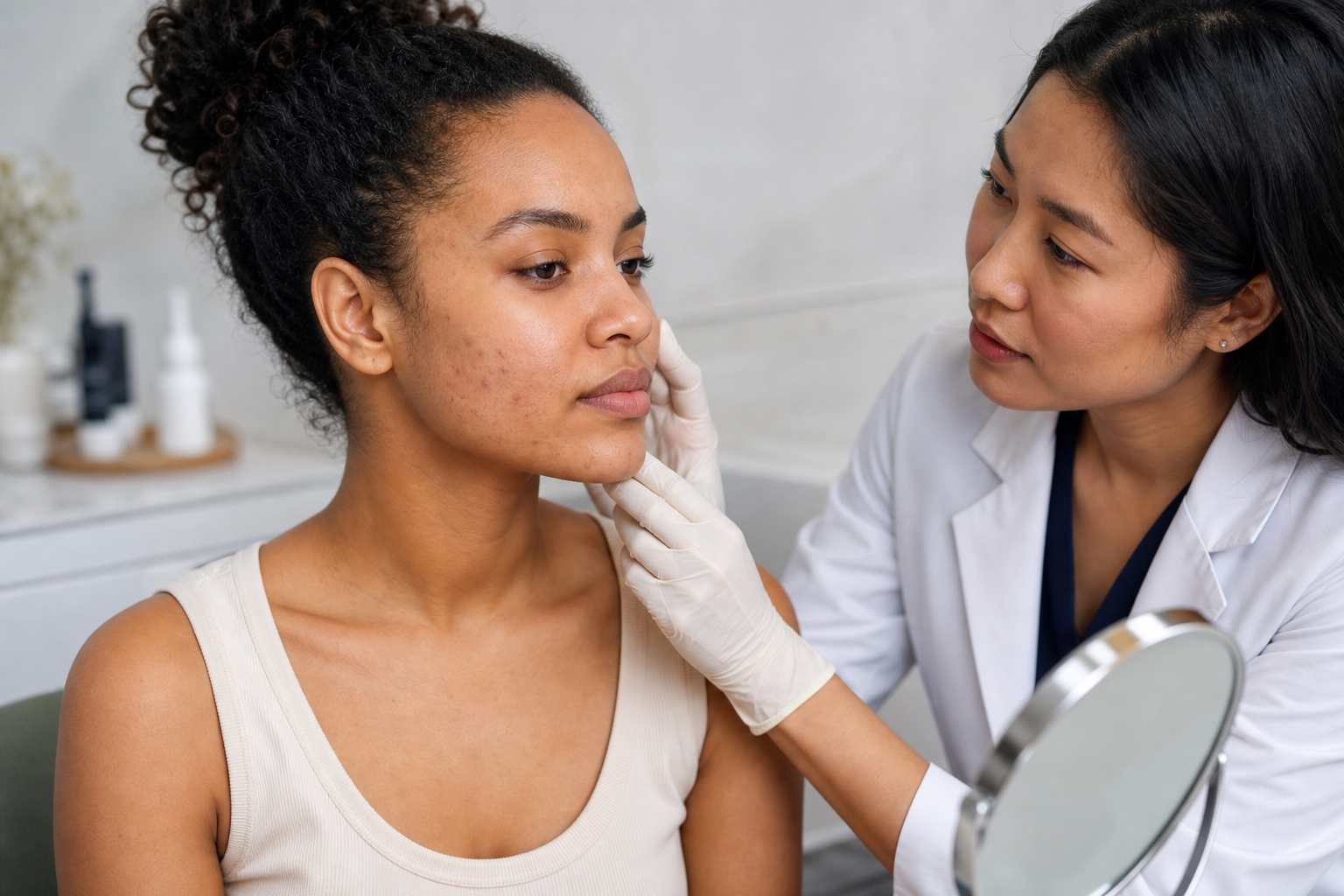
Picosecond Laser for Post-Inflammatory Dark Spots
Post-inflammatory hyperpigmentation (PIH) causes stubborn dark spots after skin inflammation. Picosecond laser treatment offers pr...
Read more
How Hormones, Heat and Sun Exposure Contribute to Melasma Recurrence
Melasma is a chronic hyperpigmentation condition influenced by hormones, heat, and sun exposure, with multifactorial triggers caus...
Read more
Fractional Laser and Pigmentation: When Does It Make Sense?
Fractional laser is a precise dermatological tool for treating select pigmentation disorders by targeting melanin and promoting sk...
Read more
What Happens During a Consultation Before Laser Pigmentation Treatment?
A consultation before laser pigmentation treatment is essential to tailor the procedure to individual skin types and conditions. I...
Read more
What Is a Wood's Lamp and How Does It Help Assess Pigmentation?
A Wood's lamp is a specialized ultraviolet light tool used in dermatology to assess skin pigmentation disorders. It reveals pigmen...
Read more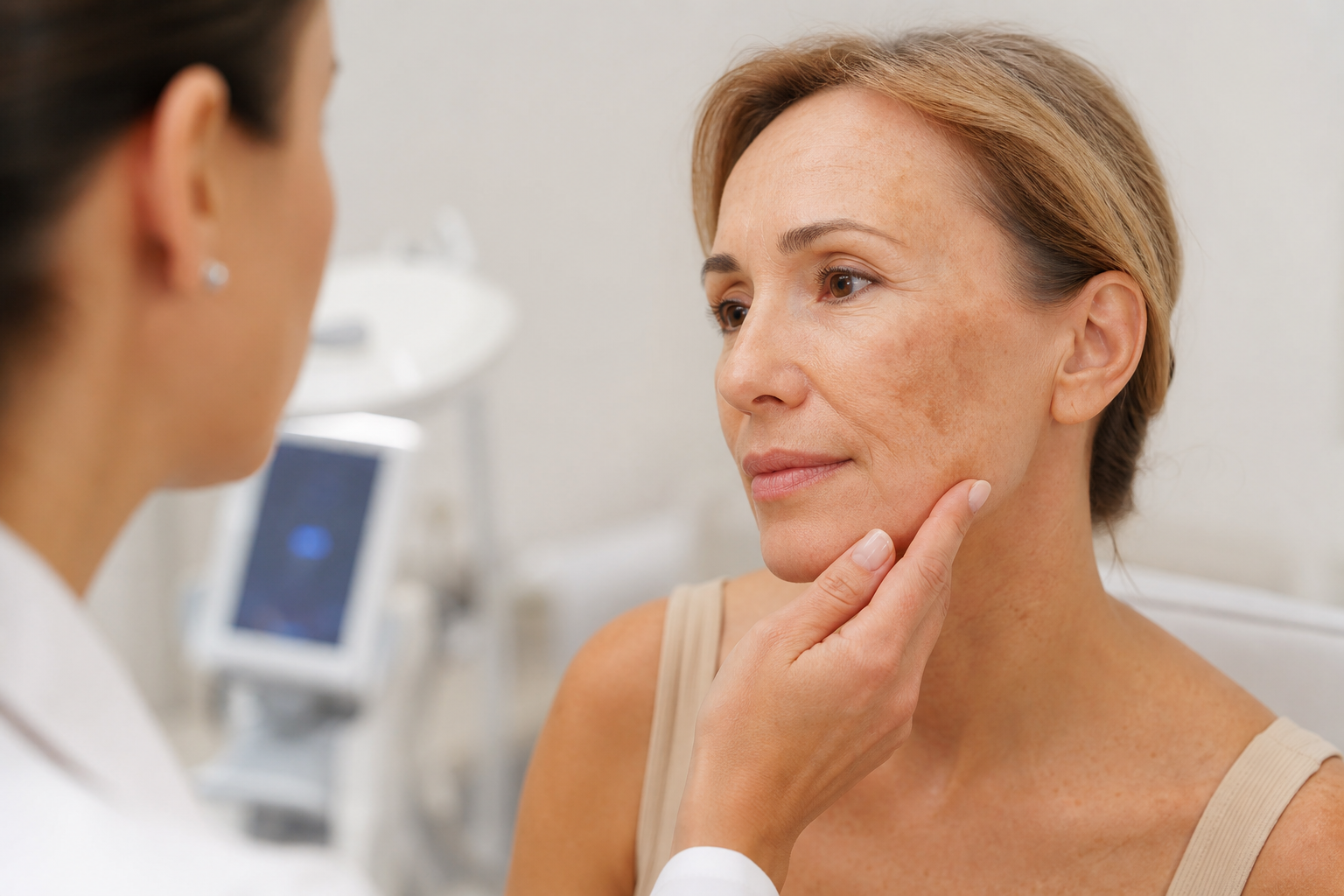
Laser Removal of Dark Spots on the Face
Laser removal is an advanced, precise method to treat dark spots like solar lentigines on the face, offering effective pigment red...
Read more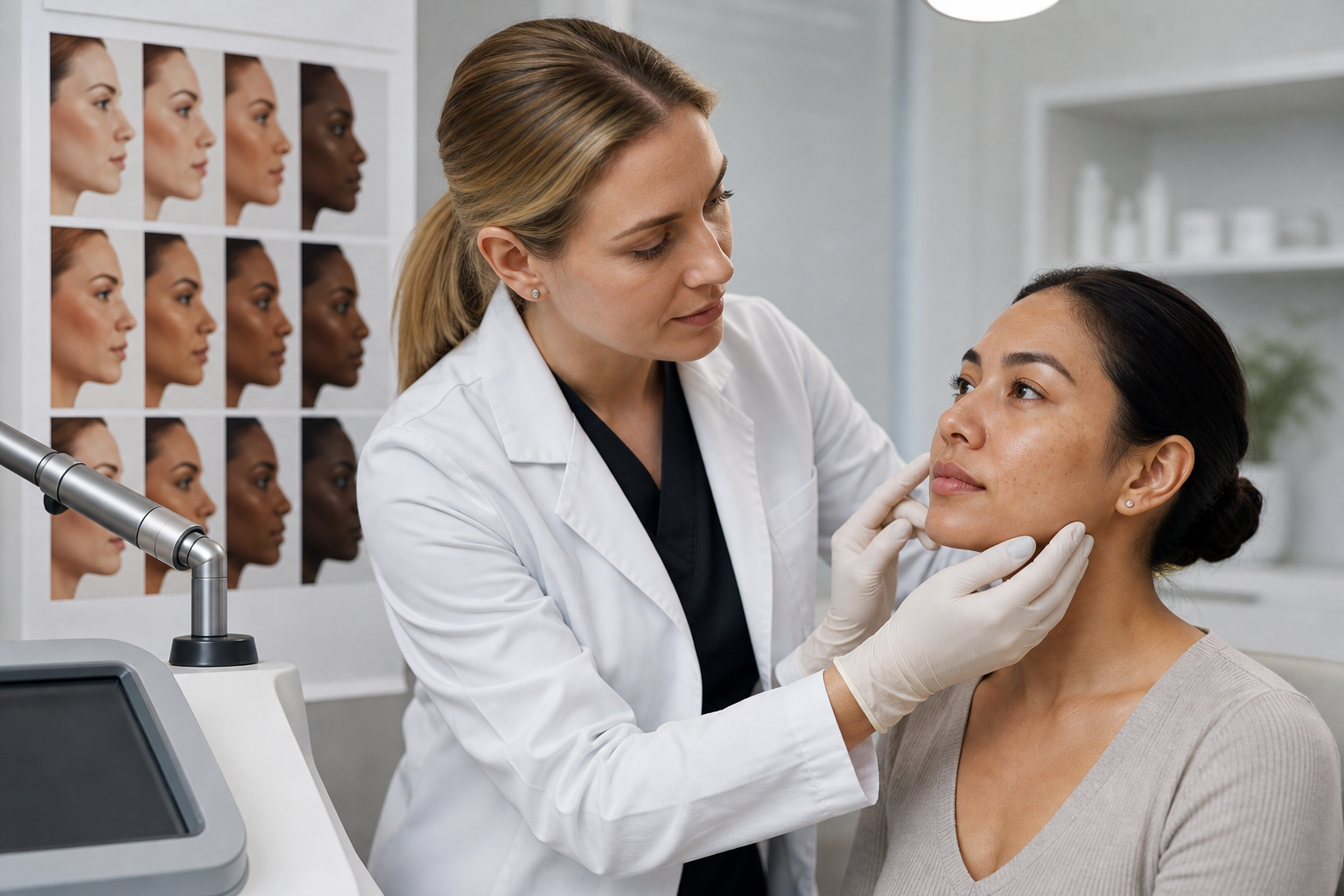
Fitzpatrick Skin Type and Laser Selection for Pigmentation
The Fitzpatrick skin type classification is essential for selecting safe and effective laser treatments for pigmentation. Understa...
Read more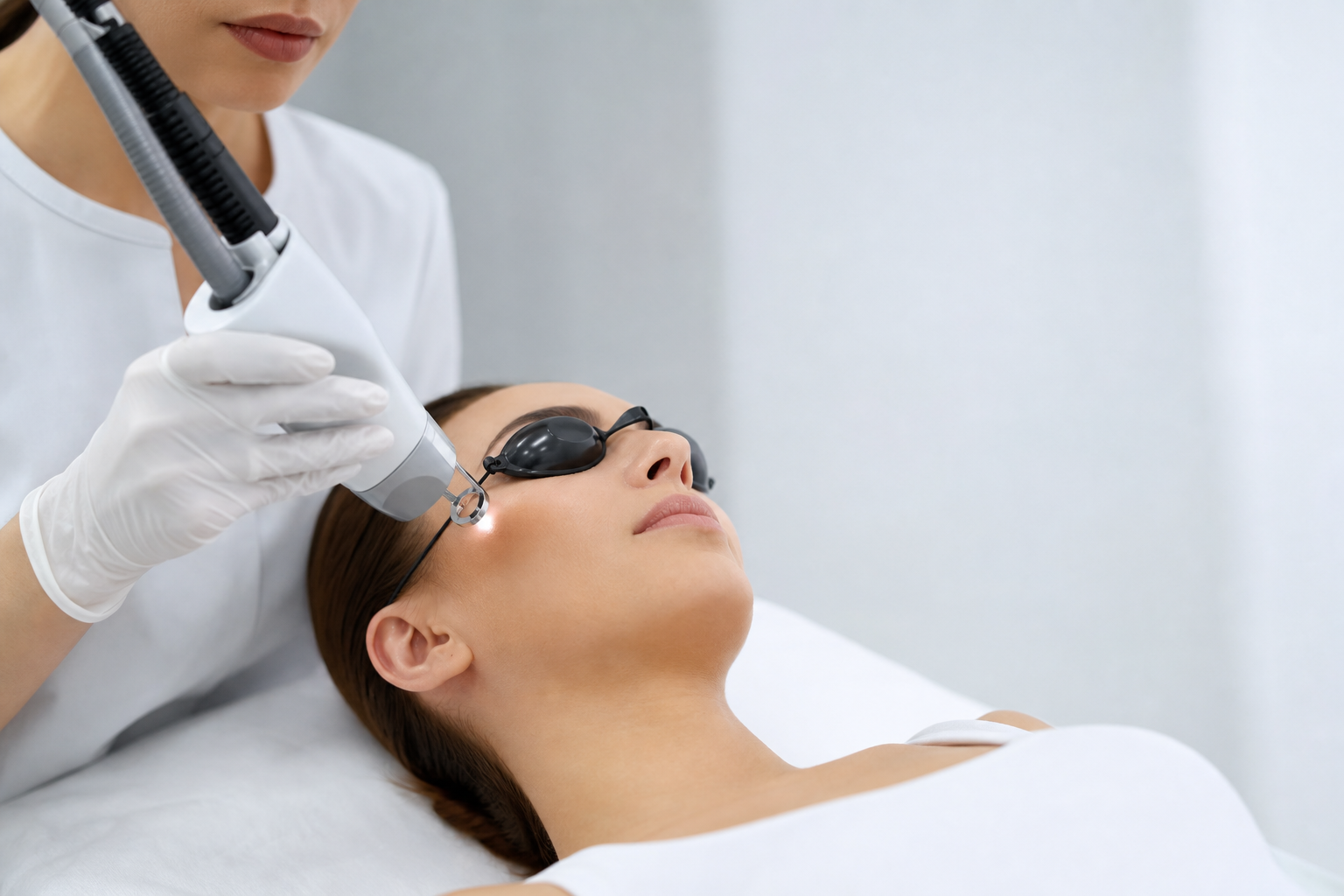
How Does Wavelength Determine Which Pigment a Laser Targets?
Wavelength determines the selective targeting of skin pigments in laser treatments, enabling tailored approaches for conditions in...
Read more
What Are Solar Lentigines and Why Do They Develop?
Solar lentigines, commonly known as sun spots, are benign brown patches on sun-exposed skin caused by chronic ultraviolet damage....
Read more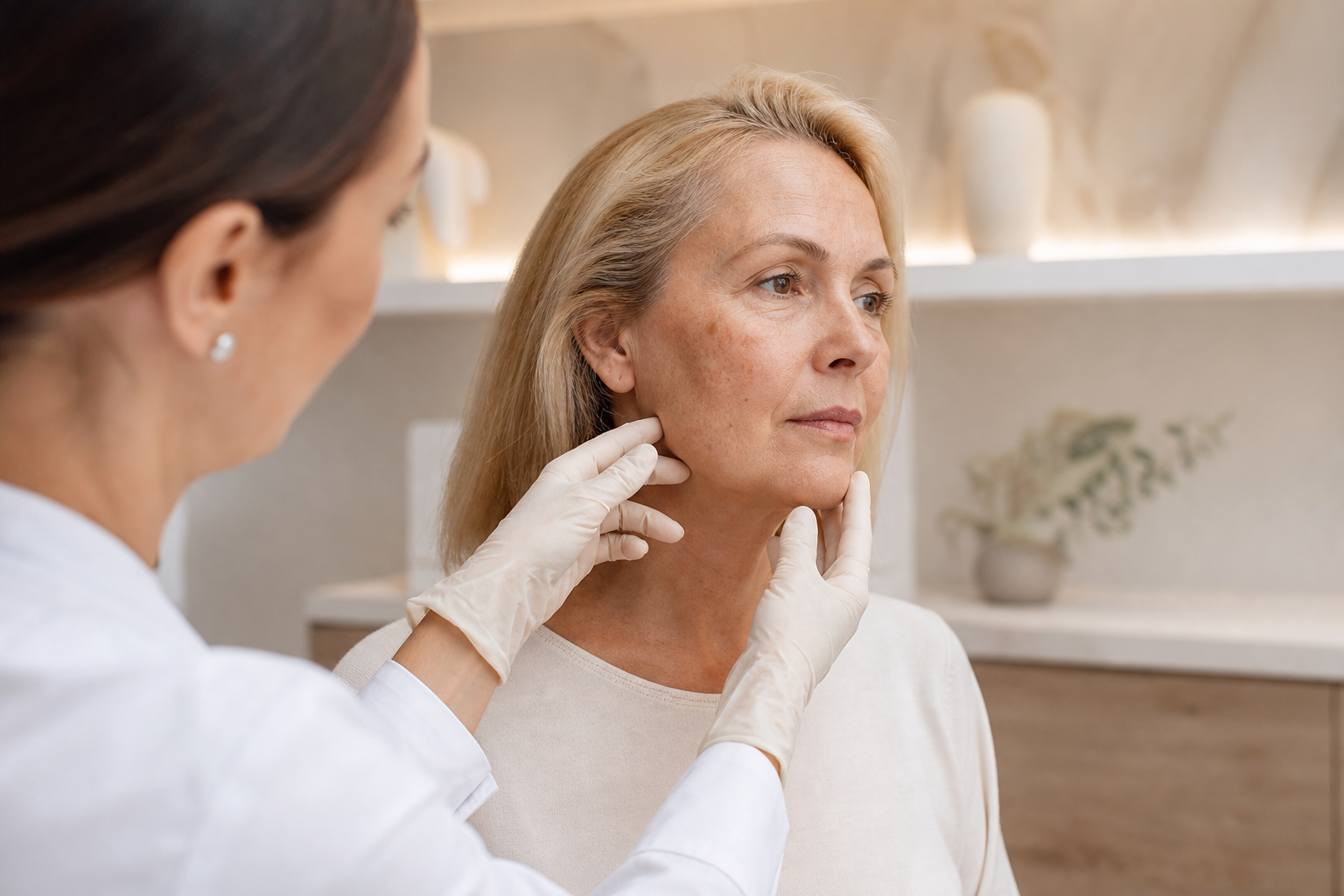
How Many Treatments Are Needed for Sun Spots?
Sun spots, or solar lentigines, are common pigment changes due to UV exposure that often require multiple treatments for effective...
Read more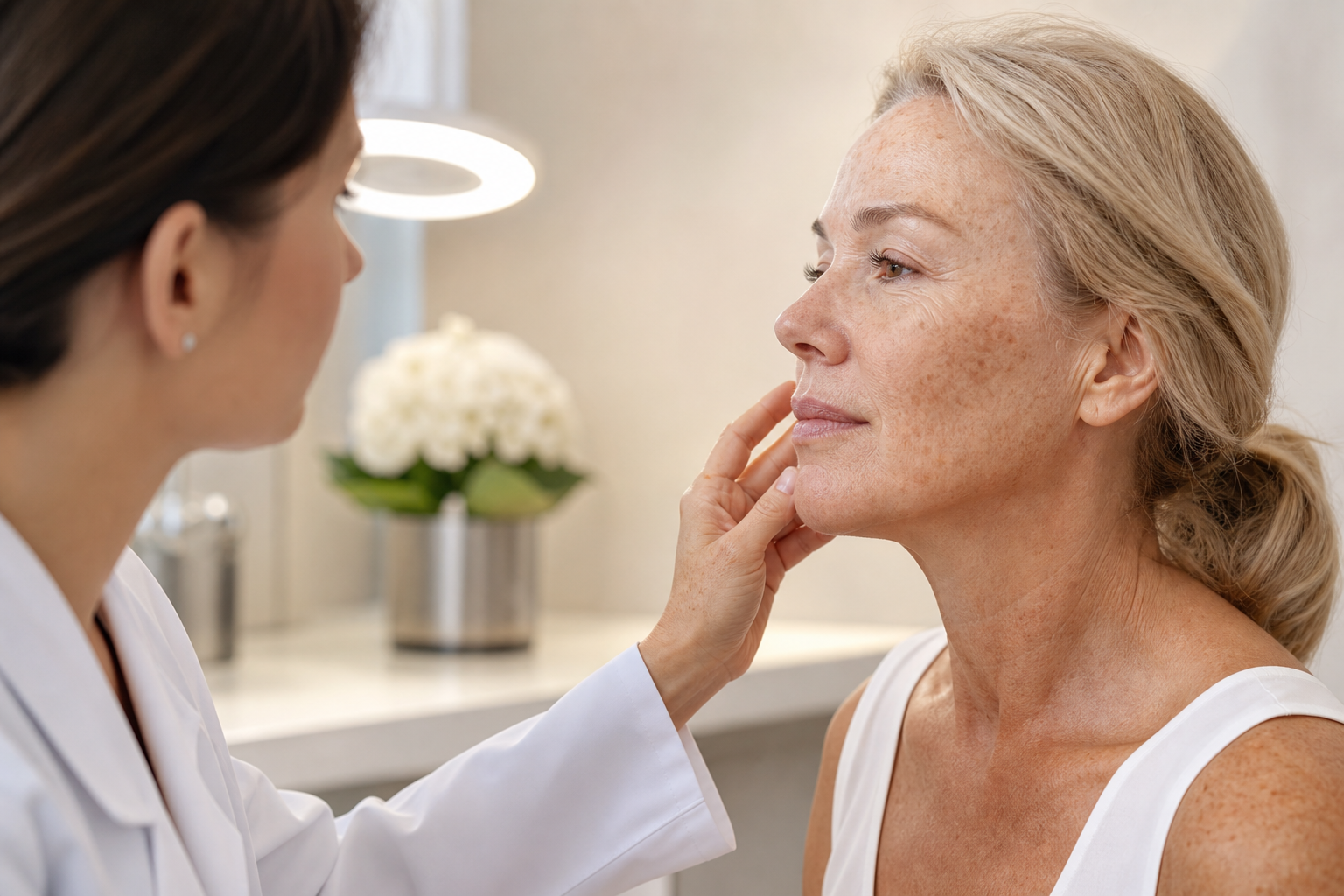
Can Sun Spots Return After Laser Treatment?
Sun spots, or solar lentigines, are brown patches caused by chronic sun exposure that can be reduced with laser treatment. While l...
Read more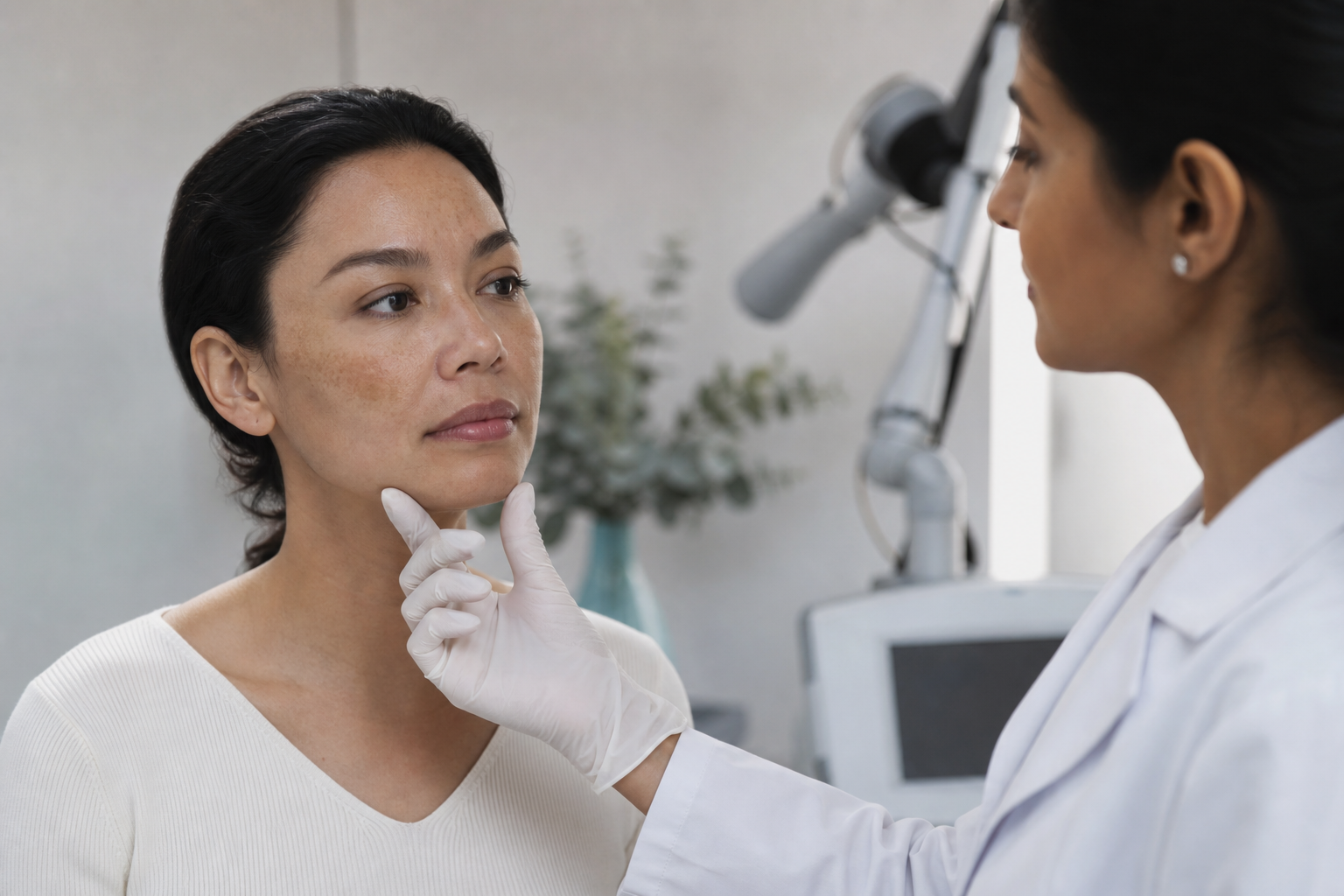
Laser Toning for Melasma: What You Need to Know
Laser toning offers a cautious and measured approach to managing melasma, a complex pigmentation disorder. This non-ablative laser...
Read more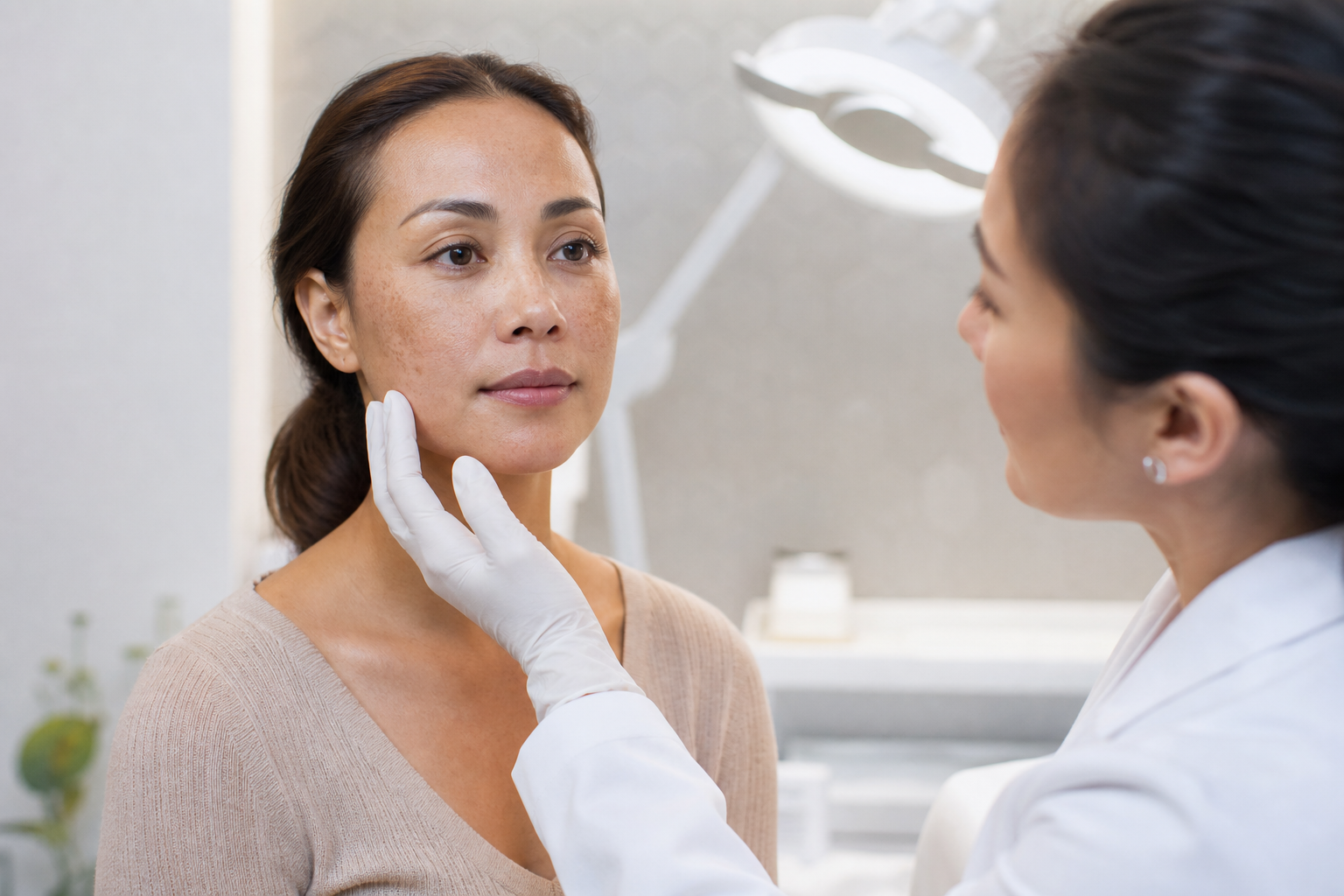
Can Laser Permanently Remove Melasma?
Laser treatment can significantly improve melasma's appearance but does not offer a permanent cure. Effective management requires...
Read more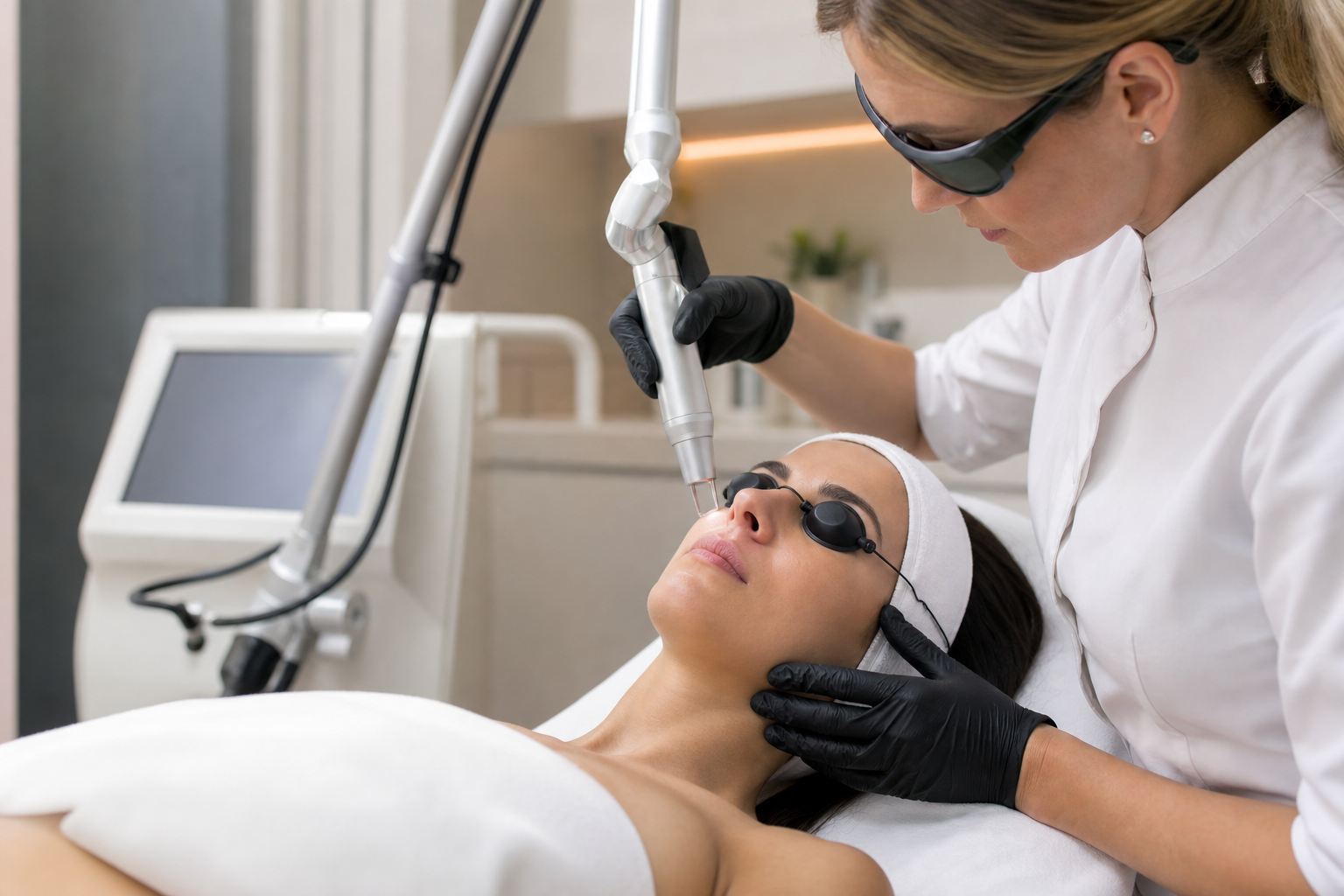
Picosecond Laser for Pigmentation: How Does It Differ From Nanosecond Lasers?
Pigmentation irregularities such as melasma and lentigines are commonly treated with advanced laser technologies. Picosecond and n...
Read more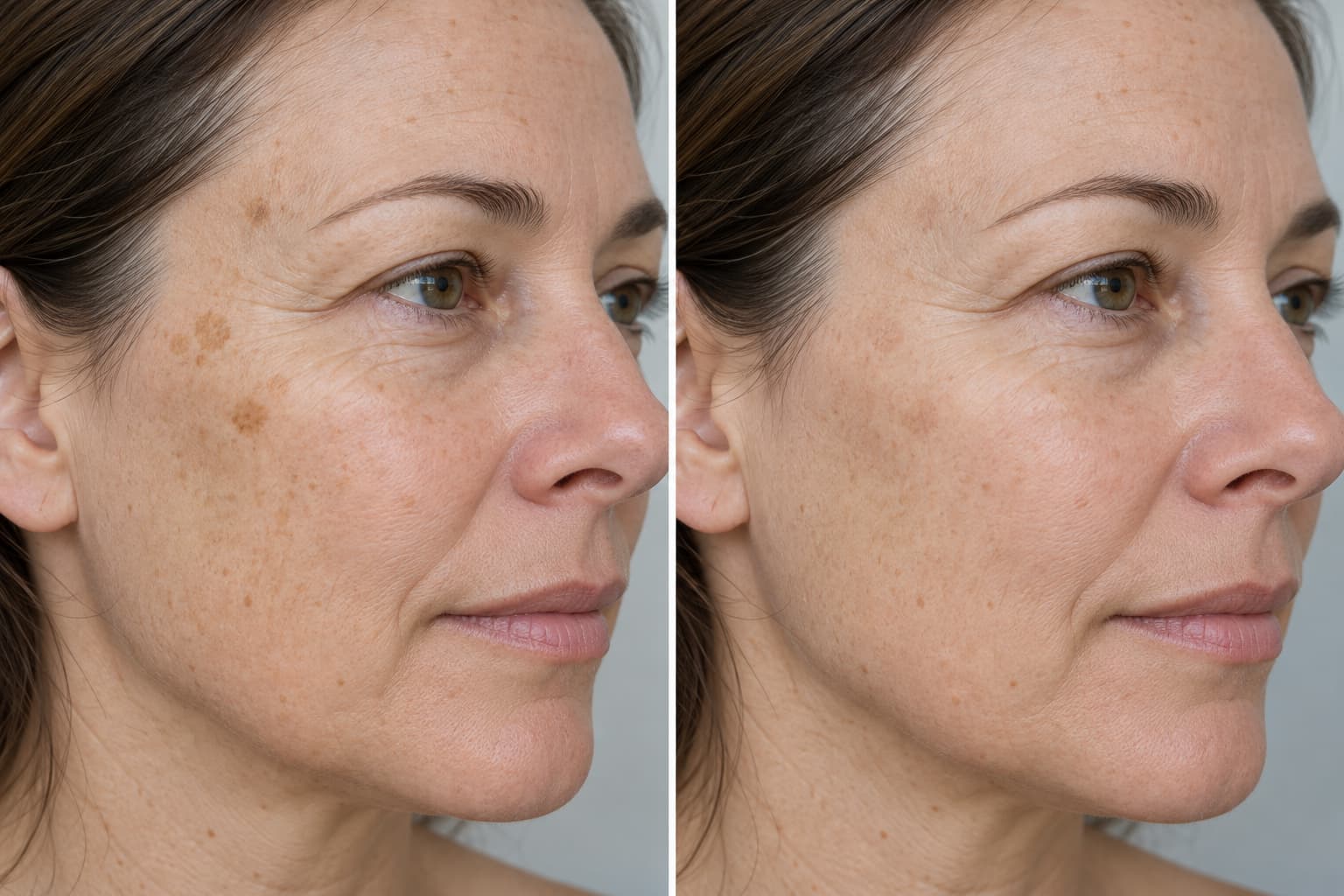
Before and After Laser Treatment for Pigmentation
Laser treatment for pigmentation targets stubborn dark spots and uneven skin tone using precise light technology. Understanding pr...
Read more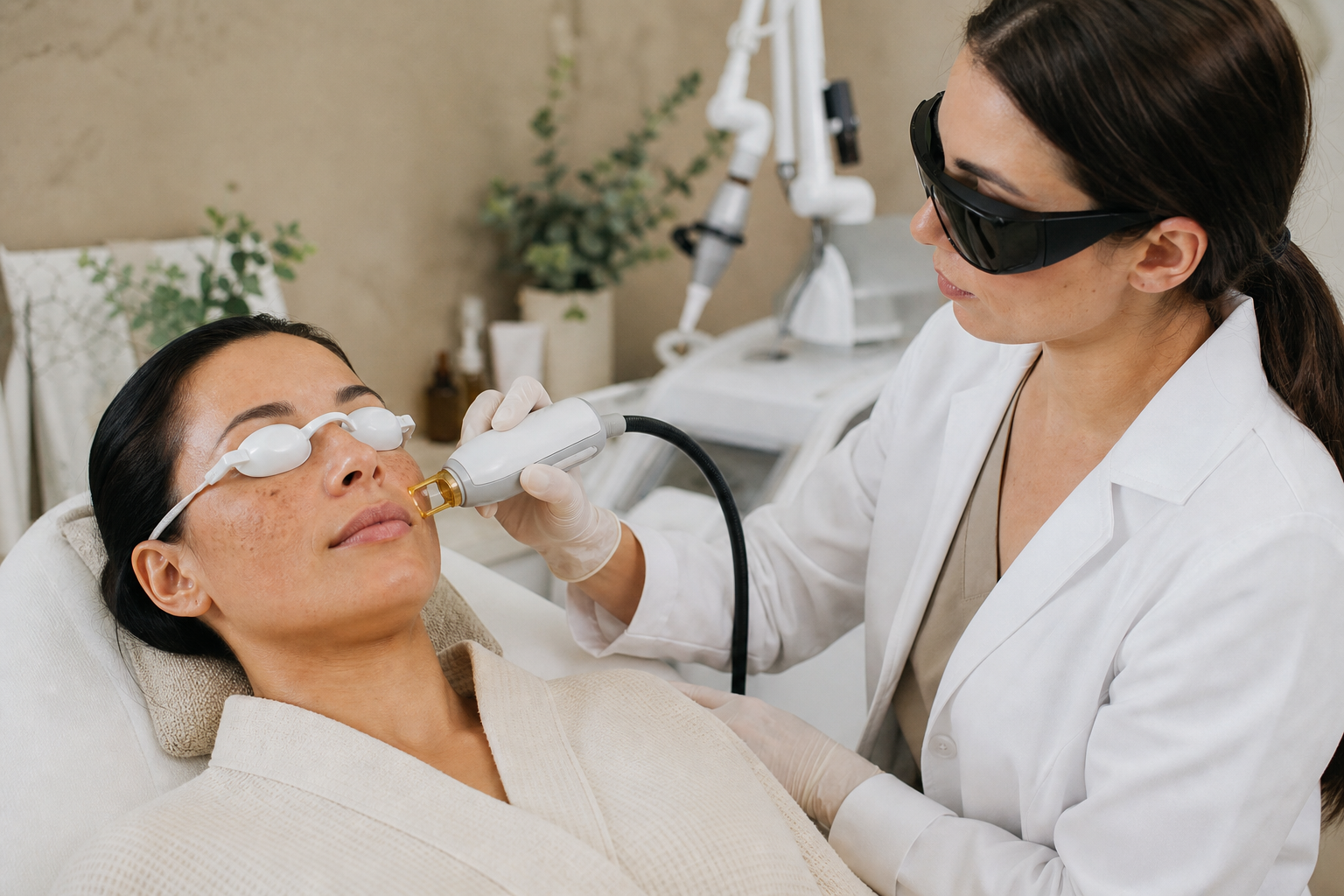
Safety of Laser Pigmentation Treatments: Skin Type, Risks and Contraindications
Laser pigmentation treatments offer targeted solutions for hyperpigmentation by selectively breaking down melanin deposits. Safety...
Read more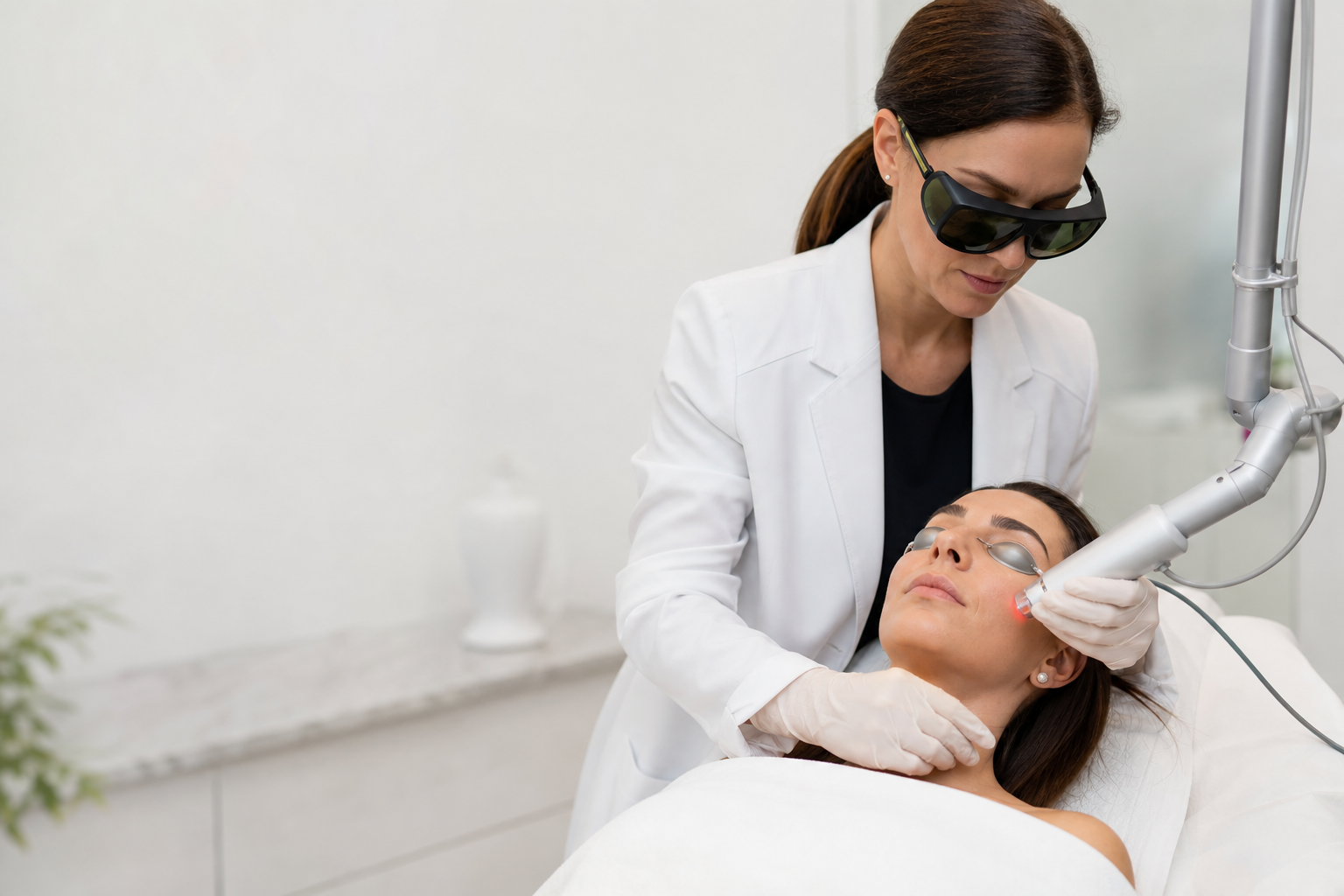
Q-Switched Nd:YAG Laser for Pigmentation: How It Works and What It Treats
The Q-switched Nd:YAG laser offers a precise, minimally invasive approach to treating various pigmentation disorders by targeting...
Read more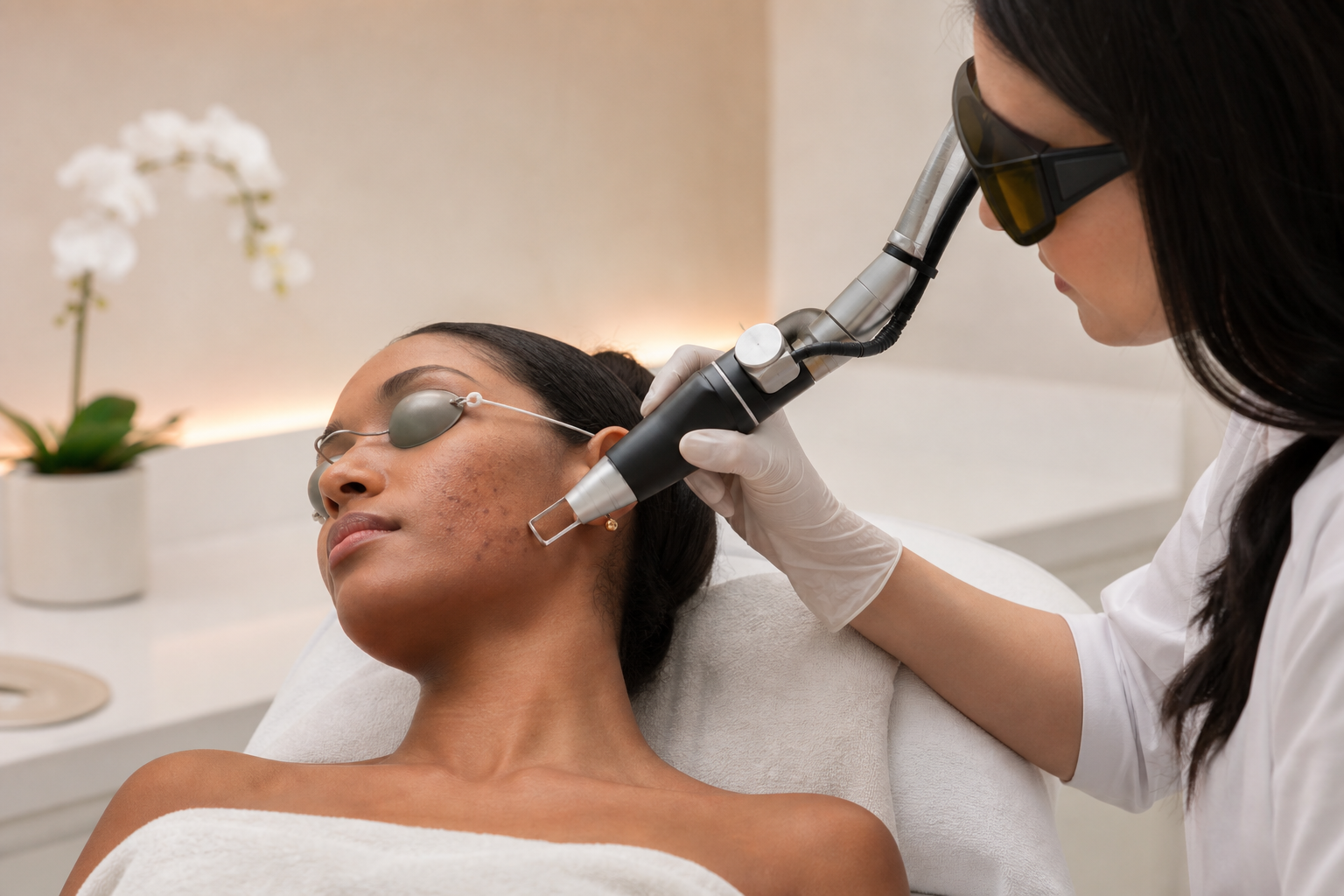
Laser Treatment for Post-Inflammatory Hyperpigmentation and Acne Marks
Post-inflammatory hyperpigmentation (PIH) and acne marks are common and challenging skin concerns resulting from inflammation. Las...
Read more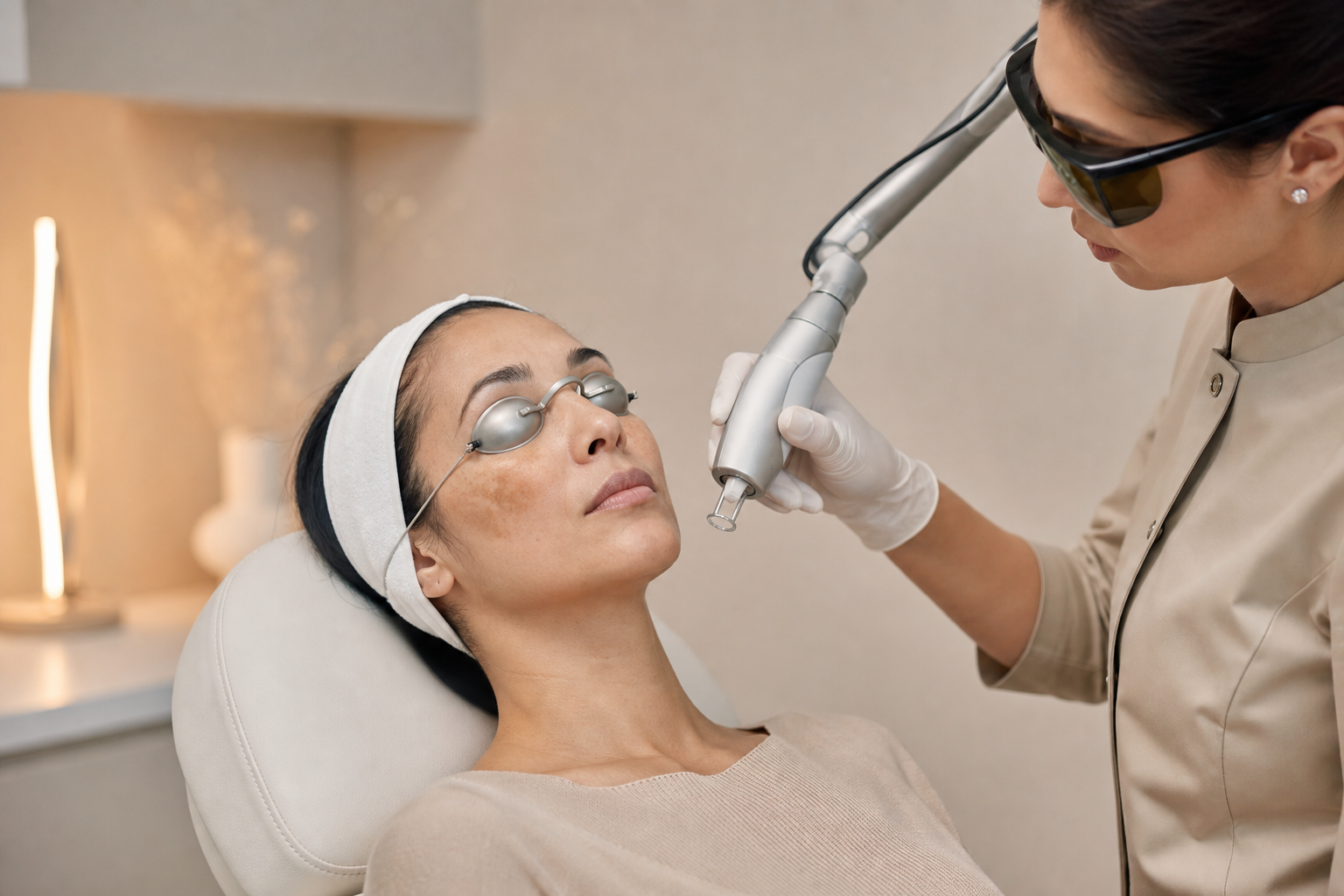
Laser Treatment for Melasma: Benefits, Limitations and Risk of Recurrence
Laser treatment for melasma offers a nuanced option that can improve pigmentation, especially when topical therapies fail. However...
Read more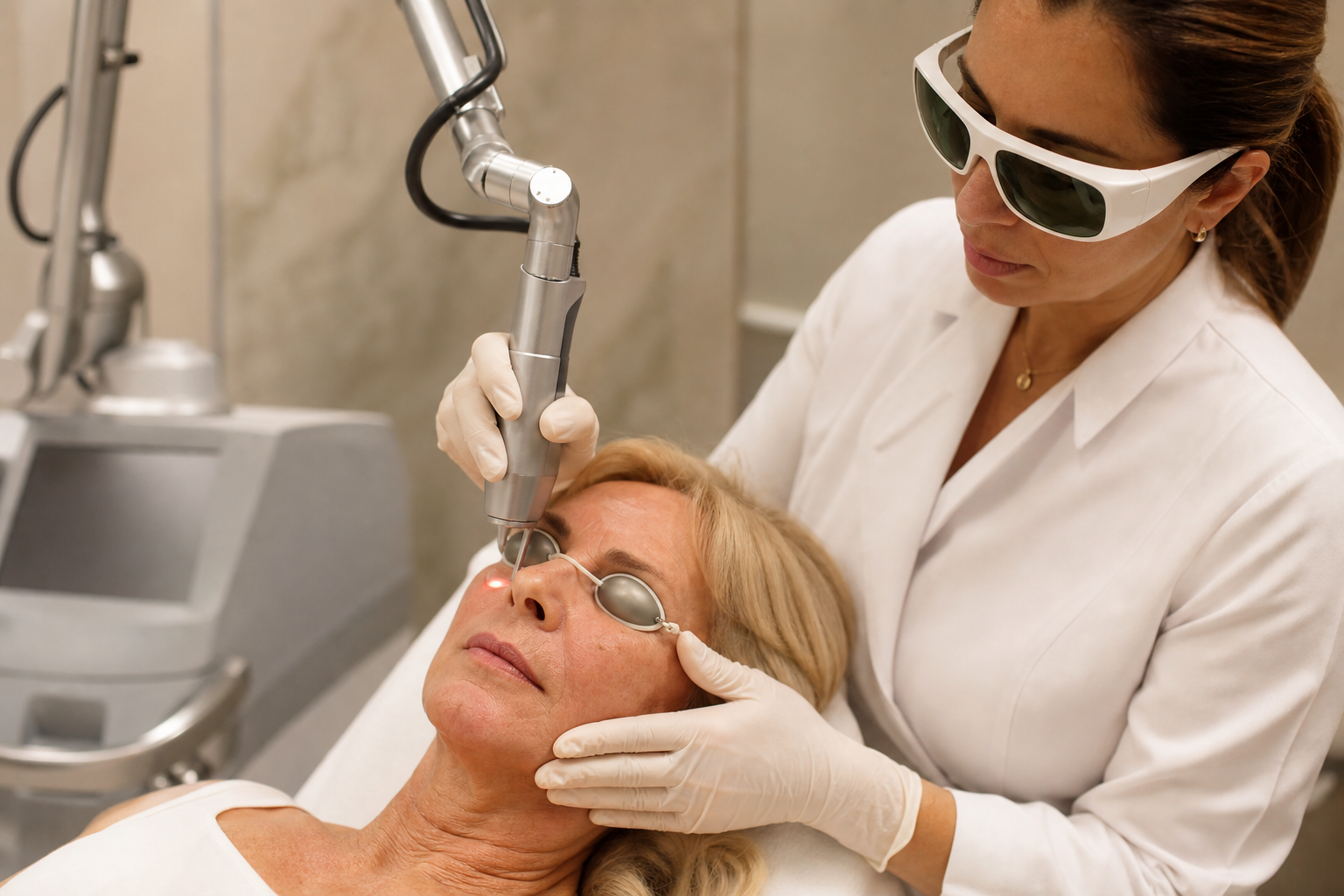
Laser Removal of Sun Spots and Solar Lentigines
Sun spots and solar lentigines are pigmented skin lesions caused by prolonged sun exposure, commonly appearing on the face, hands,...
Read more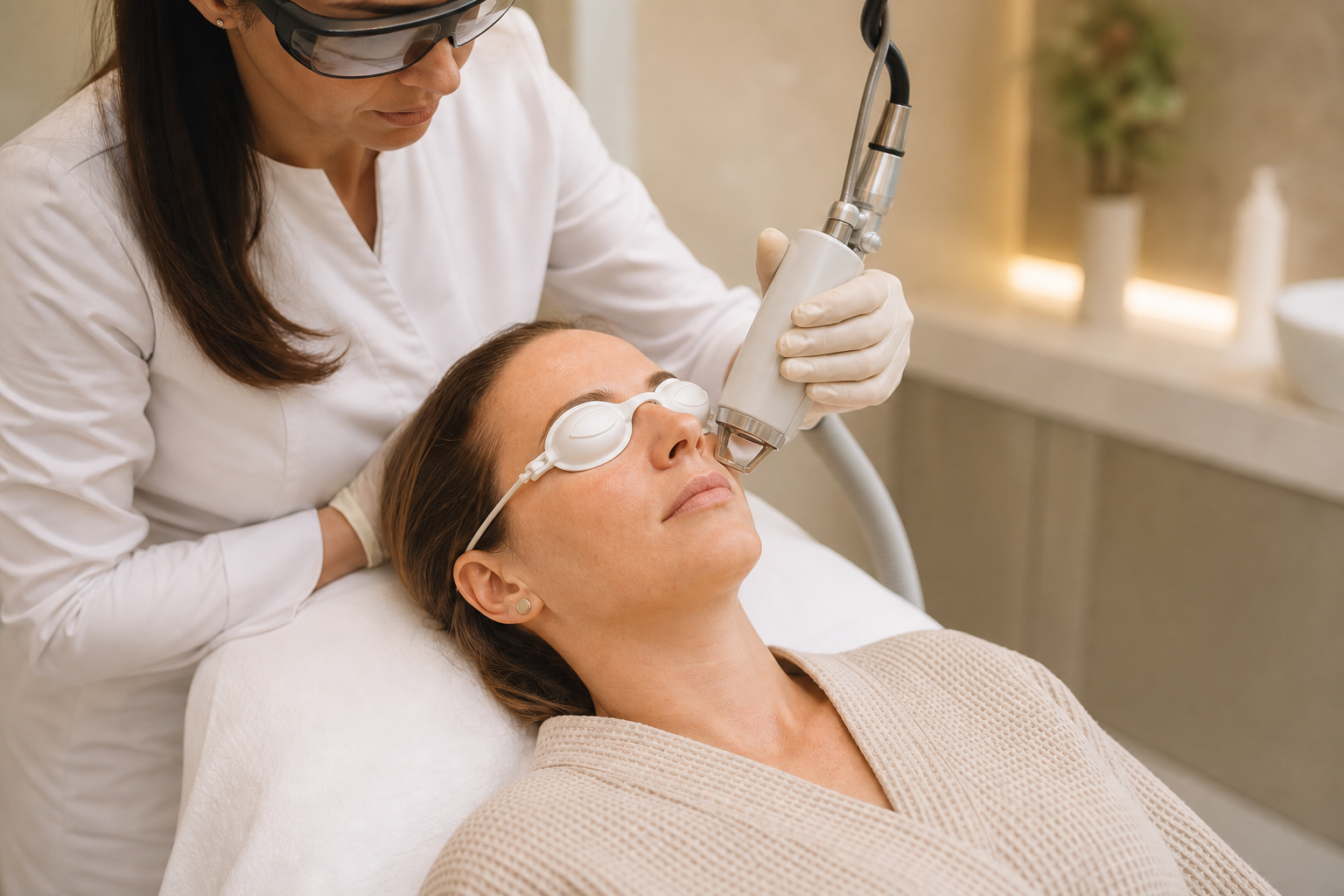
Which Lasers Are Used to Treat Pigmentation?
Laser treatments offer targeted solutions for various pigmentation disorders by using specific wavelengths to selectively break do...
Read more
What to Expect During Laser Pigmentation Treatment
Laser pigmentation treatment offers a precise solution for uneven skin tone issues like dark spots and melasma by targeting pigmen...
Read more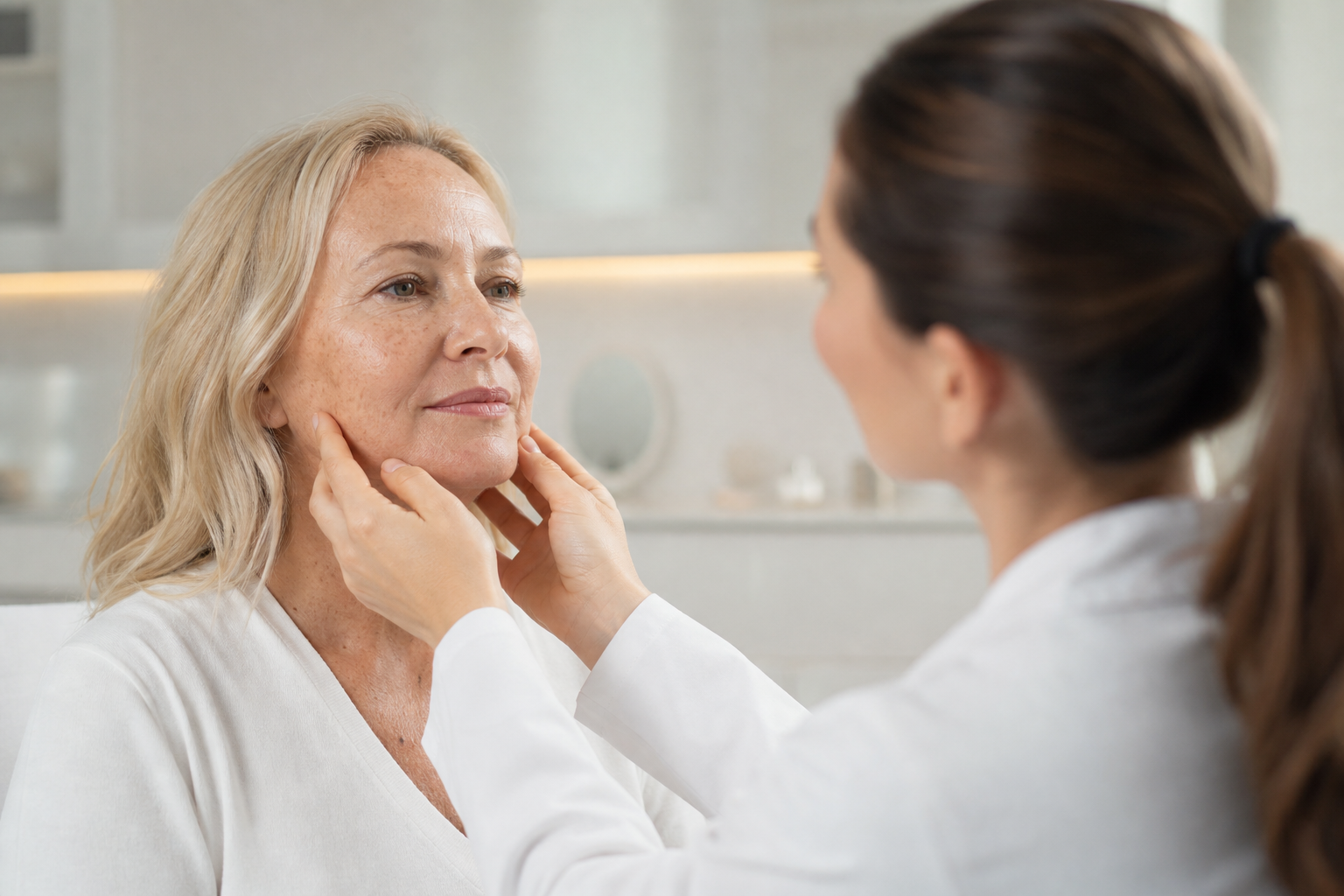
Which Laser Is Most Commonly Used for Sun Spots?
Sun spots, or solar lentigines, are common pigmentary lesions caused by UV exposure. This article identifies Q-switched Nd:YAG and...
Read more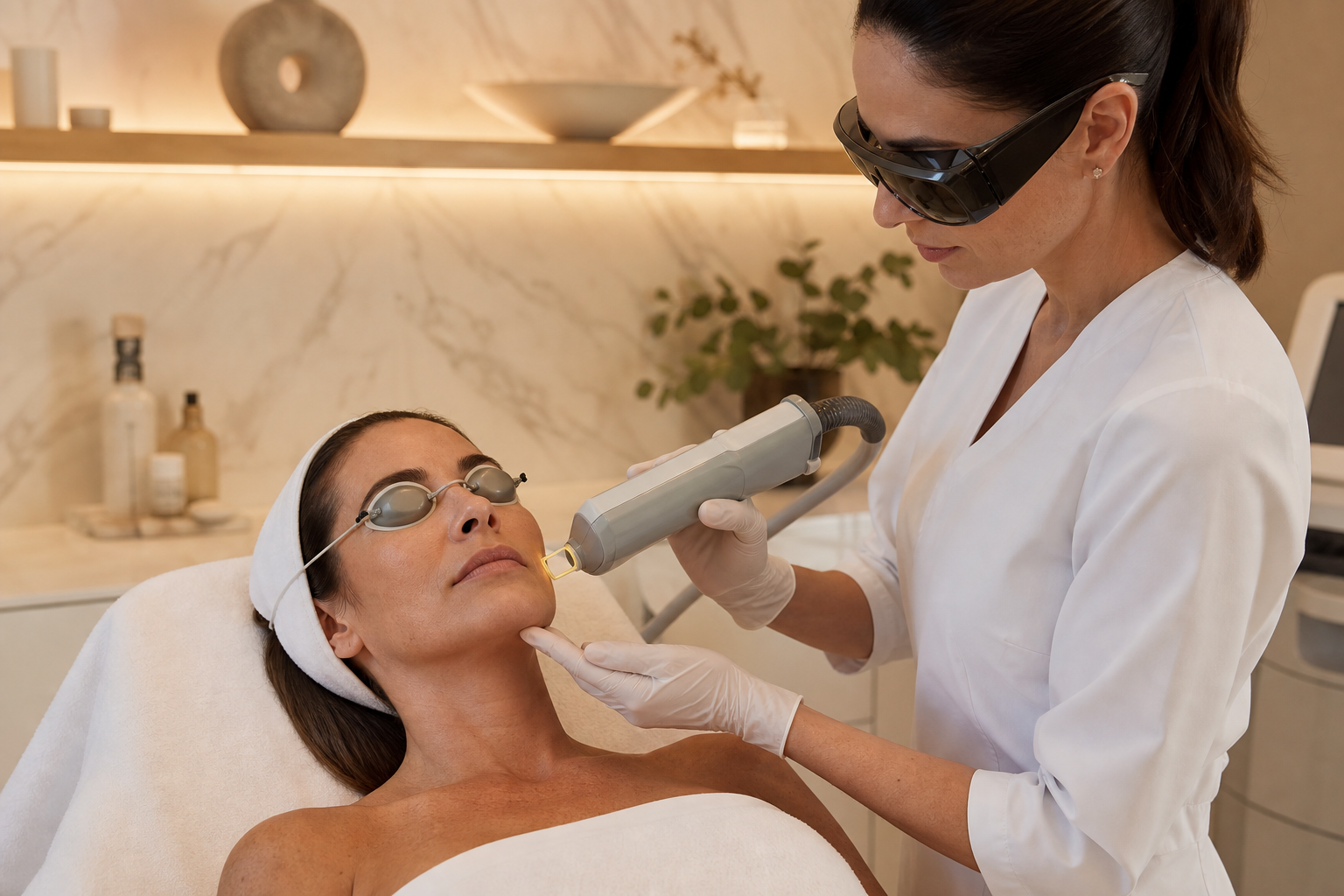
Which Types of Pigmentation Can Be Treated With Lasers?
Laser treatments offer targeted solutions for various skin pigmentations such as melasma, solar lentigines, freckles, and postinfl...
Read more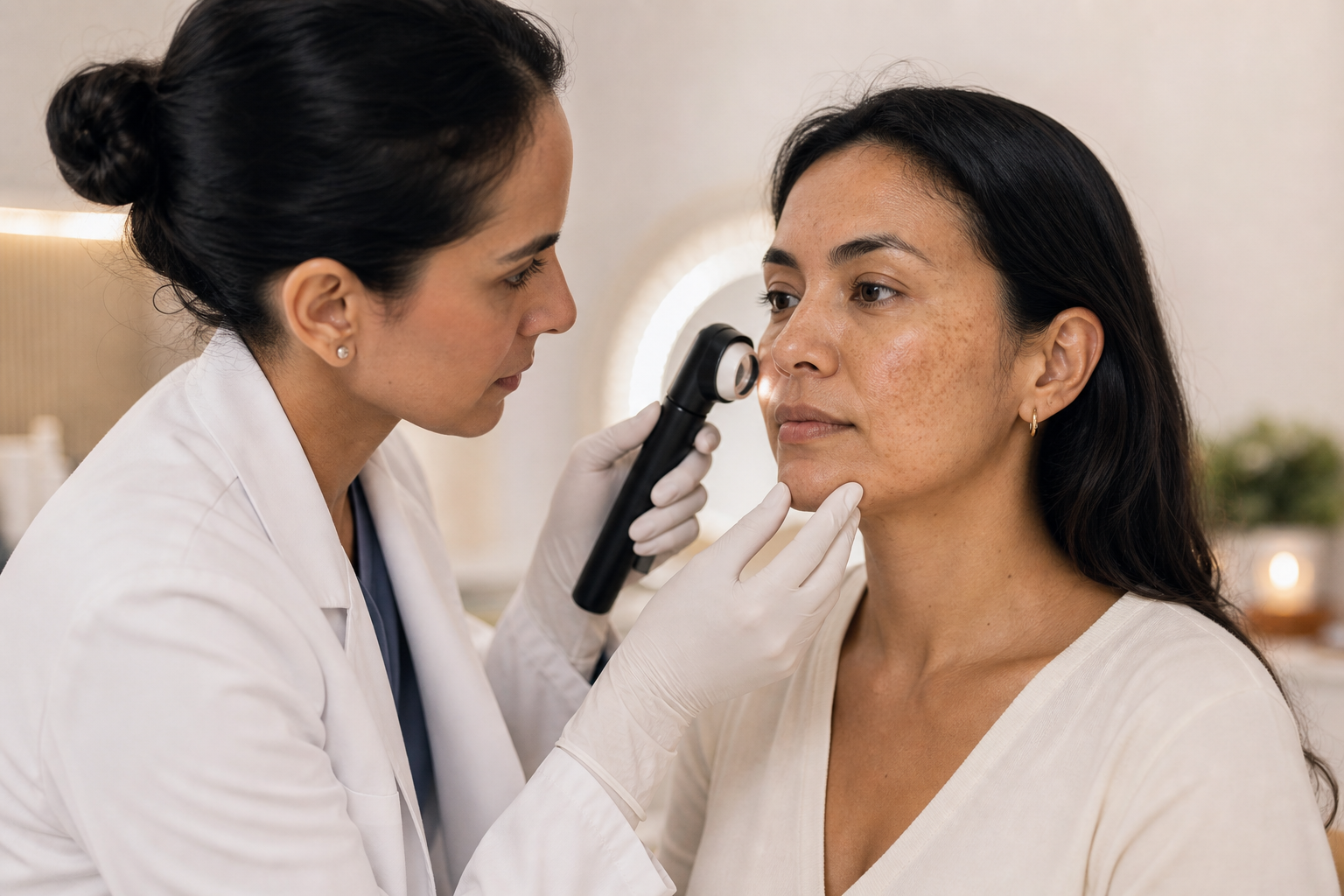
Laser Treatments for Pigmentation: A Complete Guide to Types of Dark Spots, Lasers, Results and Risks
This comprehensive guide explores laser treatments for pigmentation, detailing how different types of dark spots develop and the l...
Read more