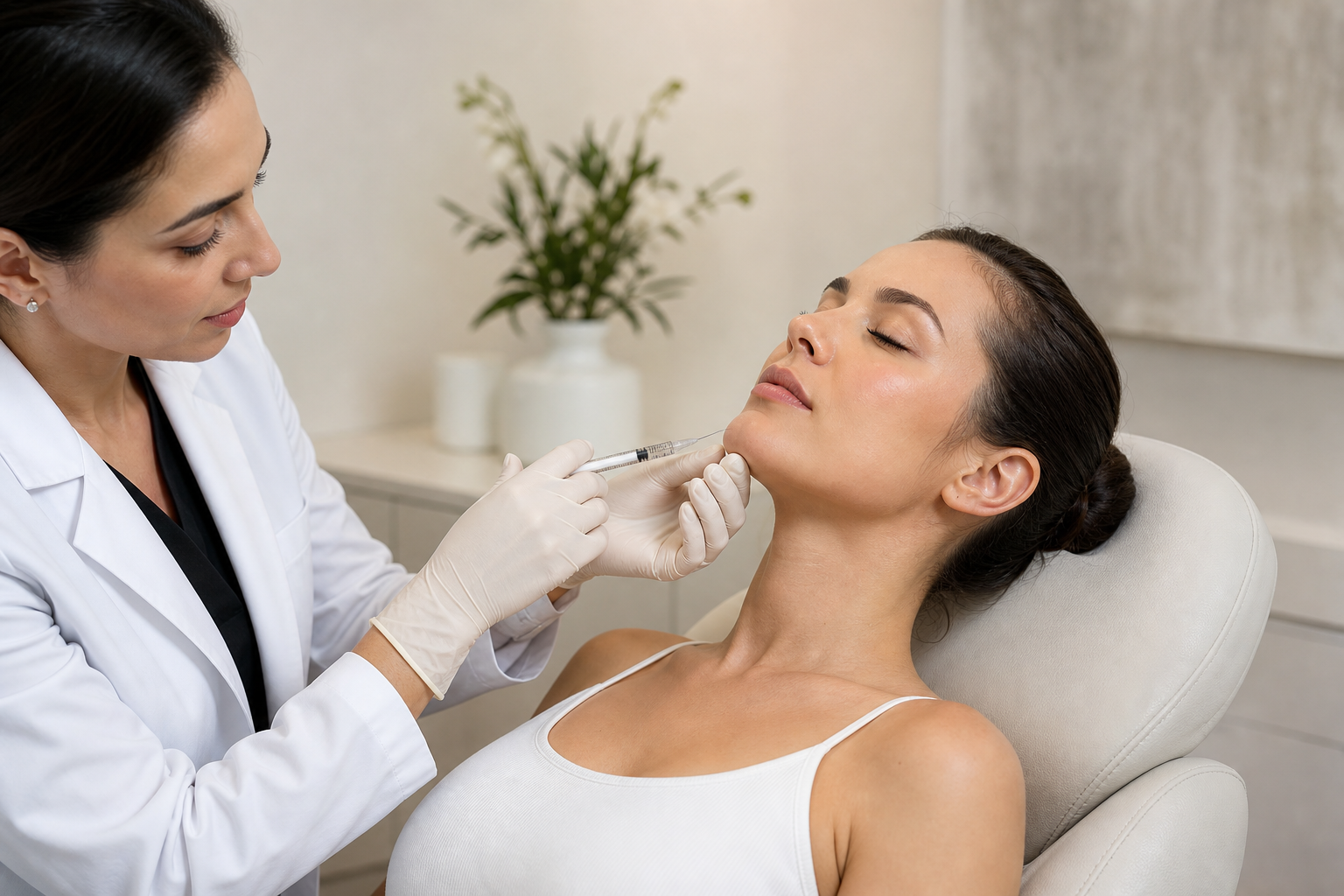
Botox, widely recognized for its transformative results in smoothing forehead lines and crow’s feet, has now carved out an essential role in treating the lower face, particularly the chin. The application of Botox for the chin specifically targets uneven skin texture—a concern that affects many individuals seeking a harmonious and refined facial contour without resorting to surgery or invasive procedures.
This editorial aims to delve deeply into the specialized use of Botox for addressing irregularities in the chin’s texture, an area often overlooked but critically important for balanced facial aesthetics. It will explore which candidates stand to benefit most, how the treatment works on a muscular and skin level, realistic expectations for outcomes, safety protocols, and the limits alongside complementary options for nurturing the lower face and neck.
Understanding Botox’s role in smoothing the chin’s surface matters both for aesthetic seekers hoping for subtle rejuvenation and for clinicians advancing their practice in non-surgical facial refinements. The chin can reveal telltale signs of aging or muscle hyperactivity that manifest as a dimpled, uneven, or “orange-peel” texture, which may undermine confidence and disrupt facial harmony. Addressing these concerns with Botox requires precise expertise, insightful anatomical knowledge, and a comprehensive approach.
The Mechanism Behind Botox in Refining Chin Texture
At its core, Botox is a purified form of botulinum toxin type A, functioning by temporarily inhibiting nerve signals responsible for muscle contraction. When injected into specific muscles of the chin region—most notably the mentalis muscle—Botox diminishes overactive muscular activity that contributes to surface irregularities.
The mentalis muscle, located at the front of the chin, plays a key role in maintaining chin tone and movement. Excessive or unbalanced contractions in this muscle can create puckering, dimpling, or a pebbled skin appearance, often described as an “orange peel” effect. By selectively softening this muscle, Botox relaxes the underlying tension, allowing the skin to smooth out and appear more uniform.
This mechanism differs from treatments like dermal fillers, which add volume to depressions or folds. Botox targets the dynamic element—muscle-induced textural inconsistencies—rather than anatomical volume loss. Hence, its application for chin smoothing is particularly useful for balanced contours and improved skin suppleness resulting from reduced muscular pull and heightened relaxation.
Identifying Candidates Who Benefit from Botox for Chin Irregularities
Not every uneven chin texture originates from the same cause, making candidacy assessment crucial for favorable outcomes. Individuals exhibiting visible dimpling, excessive chin wrinkling, or a crepey texture often arise from hyperactive mentalis muscles or imbalanced muscle coordination in the lower face.
Ideal candidates are those without significant skin laxity, deep scarring, or structural chin deformities, as Botox's impact is primarily on muscle activity rather than skin quality or skeletal alterations. Those experiencing mild to moderate surface irregularities stemming from muscular hypertonicity or repetitive facial expressions typically observe the most prominent improvement.
It is also essential for candidates to maintain realistic expectations, understanding that Botox smooths muscle-induced texture issues but does not eradicate all texture irregularities caused by factors like acne scarring, sun damage, or intrinsic skin quality concerns. A thorough evaluation by a qualified practitioner ensures proper identification of candidacy and may highlight the need for complementary treatments.
Practical Application and Treatment Protocols for Chin Botox
Administering Botox in the chin area involves strategic injections into precise locations to achieve balanced relaxation of the mentalis and surrounding muscles while preserving natural movement and expression. Generally, a small dose is divided between bilateral points within the mentalis muscle to soften contractions evenly.
The technique emphasizes minimal invasiveness, with injections delivered via fine needles under aseptic conditions. Practitioners rely on detailed anatomical knowledge and manual palpation to pinpoint hyperactive muscle fibers responsible for dimpled or uneven skin texture.
Sessions typically last 10 to 20 minutes, with patients experiencing only mild discomfort. Importantly, no significant downtime is required, allowing individuals to resume daily activities promptly. Aftercare recommendations may include avoiding strenuous exercise or facial manipulation for 24 hours to maximize treatment efficacy.
Expected Outcomes and Duration of Effectiveness
Following Botox injections to the chin, patients generally note subtle smoothing within three to five days, with the maximal effect visible around two weeks post-treatment. The relaxation of muscle hyperactivity diminishes the appearance of dimpling, creating a smoother surface contour and an overall refined look.
Effects typically endure between four and six months, after which muscular activity gradually recovers, and the irregular surface texture may reappear. Maintenance treatments at these intervals can sustain the smoothing effect and prevent recurrence of muscular hypertonicity.
It is vital for patients to appreciate that while Botox diminishes muscle-caused irregularities effectively, it does not alter underlying skin elasticity or texture damaged by other intrinsic or extrinsic factors. Thus, consistent treatment combined with a comprehensive skincare regimen enhances and prolongs aesthetic improvements.
Safety Considerations and Potential Side Effects
Botox treatments for the chin and lower face are considered safe when performed by experienced professionals who possess deep anatomical expertise. Nevertheless, practitioners and patients must be mindful of potential side effects, even if transient and minor.
Common immediate effects include slight redness, localized swelling, mild bruising, or tenderness at injection sites. In rare cases, inadvertent spread of toxin to adjacent muscles may cause asymmetry or unnatural appearance, emphasizing the need for precise technique and conservative dosing.
Pre-treatment consultations are paramount to disclose medical histories, allergies, medication use, and any neuromuscular conditions that could contraindicate Botox application. Strict adherence to sterile practice standards reduces infection risk, while professional oversight assures ongoing monitoring for adverse reactions.
The Role of Botox in a Multimodal Lower Face Rejuvenation Strategy
Utilizing Botox in isolation for the chin addresses muscular contributors to irregular texture but is often most effective as part of a broader approach targeting the lower face and neck. The complex interplay of skin laxity, volume loss, and muscular tension necessitates customized treatment plans integrating multiple modalities.
Complementary procedures such as dermal fillers can restore lost volume along the jawline and chin, enhancing contour and addressing depressions. Skin resurfacing techniques like chemical peels or microneedling improve overall skin texture and stimulate collagen remodeling, mitigating dermal irregularities not influenced by muscle activity.
Furthermore, Botox injections strategically administered to platysma muscles in the neck or masseter muscles affecting jawline contours can harmonize lower face proportions and reduce tension contributing to aged appearance. This integrated paradigm tailors aesthetic outcomes and optimizes patient satisfaction.
Navigating Treatment Limitations and When Alternative Approaches Are Necessary
While Botox offers exceptional benefits for dynamic muscle-related textural issues in the chin, it presents limitations in more pronounced structural or dermatological problems. Conditions such as deep scarring, significant skin laxity, or osseous deformities require alternative or adjunctive interventions.
For example, laser resurfacing or fractional ablative treatments effectively tackle deep dermal irregularities and improve collagen architecture. In cases where volume loss or chin retrusion exists, dermal fillers or surgical augmentation might be better suited. Similarly, patients with severe platysmal banding or skin sagging may gain more from procedures like neck lifts or thread lifts.
The decision-making process should always be led by thorough clinical assessment and patient goals, ensuring that Botox is applied as part of a comprehensive strategy rather than a standalone solution when appropriate.
Choosing the Right Practitioner and Product for Optimal Results
Success with Botox for chin texture smoothing hinges critically on the expertise of the provider and the quality of the product used. Different FDA-approved botulinum toxin formulations vary in potency, diffusion characteristics, and duration of action, which demand individualized selection based on patient anatomy and desired outcomes.
A skilled aesthetic physician or dermatologist employs a conservative and measured approach to dosing, injection placement, and technique, mitigating risks and enhancing natural appearance. Certification, experience in lower face injections, and a robust understanding of facial musculature are indispensable attributes.
Patients should seek consultations that include comprehensive education on the treatment process, realistic expectations, and safety considerations. Transparent dialogue cultivates trust and empowers informed decision-making.
The Psychological Impact of Chin Enhancement via Botox
Beyond physical refinement, improving chin texture with Botox can yield meaningful psychological benefits. Individuals often report enhanced self-esteem and confidence stemming from a more balanced and youthful facial appearance.
Alleviating visible irregularities and muscular tension not only improves aesthetic satisfaction but also reduces self-consciousness during social interactions, gestures, and communication. This emotional uplift contributes positively to quality of life and overall wellbeing.
Recognizing these intangible effects underlines the holistic value of Botox treatments as tools for enhancing both outer image and inner confidence.
Integrating Botox into a Sustainable Ongoing Facial Care Regimen
Botox treatments should be viewed as one component within a sustained facial care and anti-aging routine. Regular administration synchronized with skin health maintenance—including hydration, sun protection, and nutritional support—ensures prolonged benefits and optimal skin vitality.
Periodic re-evaluation by a specialist permits adjustment of treatment intervals, dosing, and combination therapies to adapt to evolving skin characteristics and aesthetic goals. This personalized approach fosters enduring satisfaction and natural results.
Ultimately, sustaining the gains achieved with Botox for the chin depends on commitment to comprehensive care encompassing medical expertise, skincare, and lifestyle choices aligned with the patient’s needs.


