Radiofrequency (RF) treatments have emerged as a transformative approach in aesthetic dermatology, marrying technology with the natural biology of the skin. Known widely as RF lifting, these procedures offer an array of options designed to rejuvenate, tighten, and improve the skin's texture without surgery. This spectrum ranges from entirely non-invasive techniques that gently stimulate collagen production to minimally invasive modalities that penetrate deeper for more pronounced remodeling. Choosing the right RF treatment, however, can be a complex decision—one that hinges on understanding the nuanced differences between device types, methodologies, and skin concerns.
For individuals exploring RF treatments, it is essential to grasp what each variation entails, who will benefit most, and what realistic outcomes to expect. Whether someone is seeking subtle enhancements for early signs of aging or substantial improvement in skin laxity and scarring, matching the right technology and approach to their specific needs sets the foundation for success. This editorial delves deep into the diverse world of RF skin tightening, guiding readers through how these treatments function, their unique benefits, and factors to consider in making an informed choice.
At its core, RF lifting harnesses radiofrequency energy to gently heat underlying dermal layers, stimulating fibroblasts to produce new collagen and elastin—proteins vital for skin firmness and elasticity. The result is a refreshed appearance characterized by tighter, smoother skin and a reduction in the visibility of fine lines or mild wrinkles. However, the spectrum of RF technologies and their modes of application means that what works best for one individual's skin type or concern may differ markedly from another's ideal treatment.
What Exactly Is RF Lifting and How Does It Improve Skin Quality?
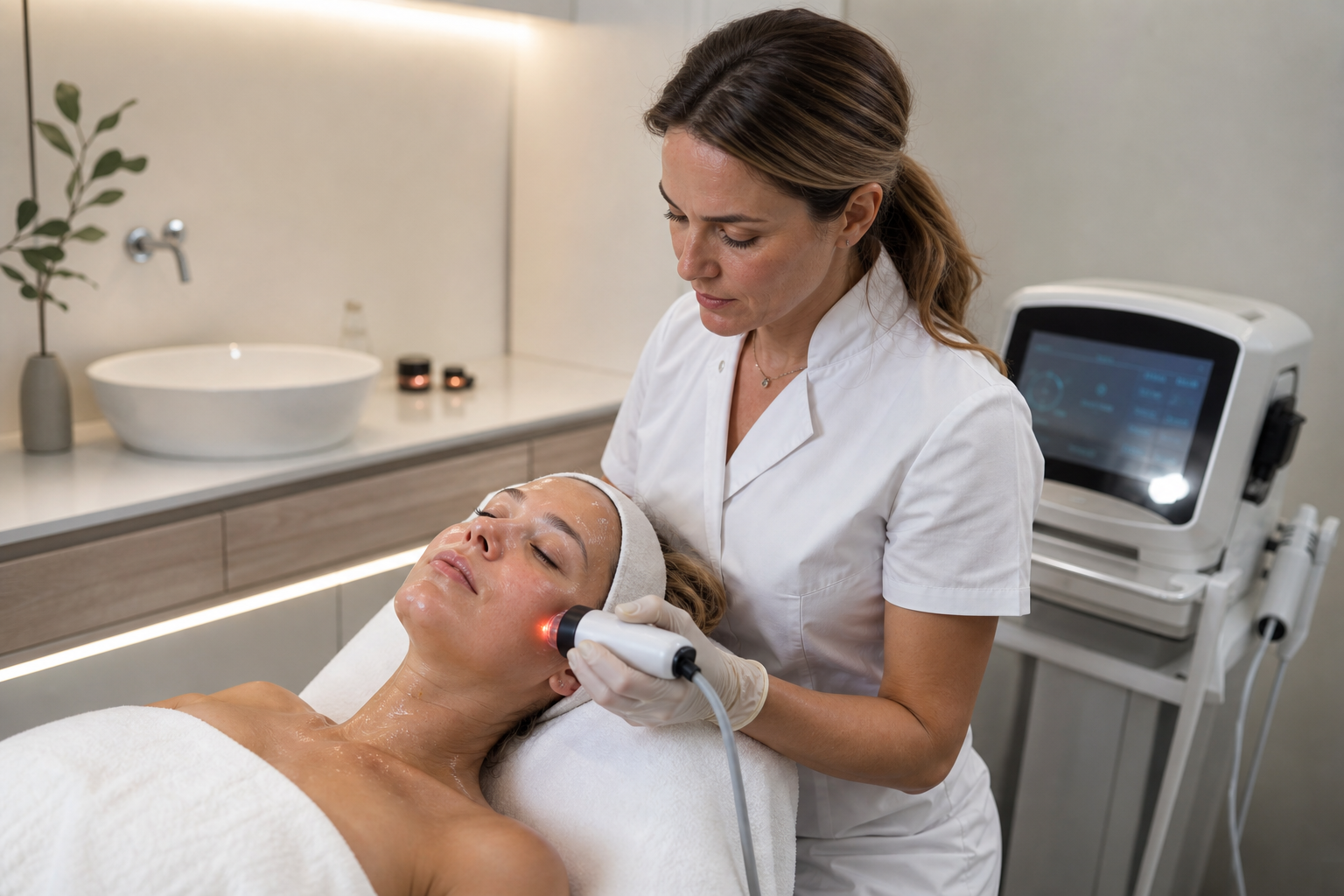
Radiofrequency lifting is a non-surgical aesthetic procedure aimed at tightening skin by applying controlled radiofrequency energy to target the deeper layers beneath the skin's surface. This energy converts to heat, which in turn triggers collagen and elastin synthesis while also promoting tissue contraction and remodeling. Unlike surgical facelifts that rely on incisions and physical repositioning, RF lifting facilitates a gradual rejuvenation process with minimal discomfort and virtually no downtime.
The collagen stimulation from RF energy is central to its effectiveness. Collagen fibers, which diminish in quantity and quality as skin ages or undergoes environmental stress, are rebuilt to restore tensile strength and resilience. Elastin, responsible for the skin's snap-back capability, is also enhanced, improving overall suppleness. This biological response leads to improvements in skin texture, firmness, and contour, making RF lifting particularly popular for treating mild to moderate skin laxity.
RF treatments are versatile and can be utilized on various parts of the body including the face, neck, décolleté, arms, and abdomen. The procedure's non-invasive nature—often described as a warm massage sensation—makes it accessible to a broad audience seeking skin enhancement without the risks and recovery time associated with surgery.
Who Stands to Benefit Most from Different Types of RF Treatments?
The diversity of RF technologies aligns with a range of skin concerns and patient profiles. To select the right treatment, it helps to understand the common indications and how each modality addresses them.
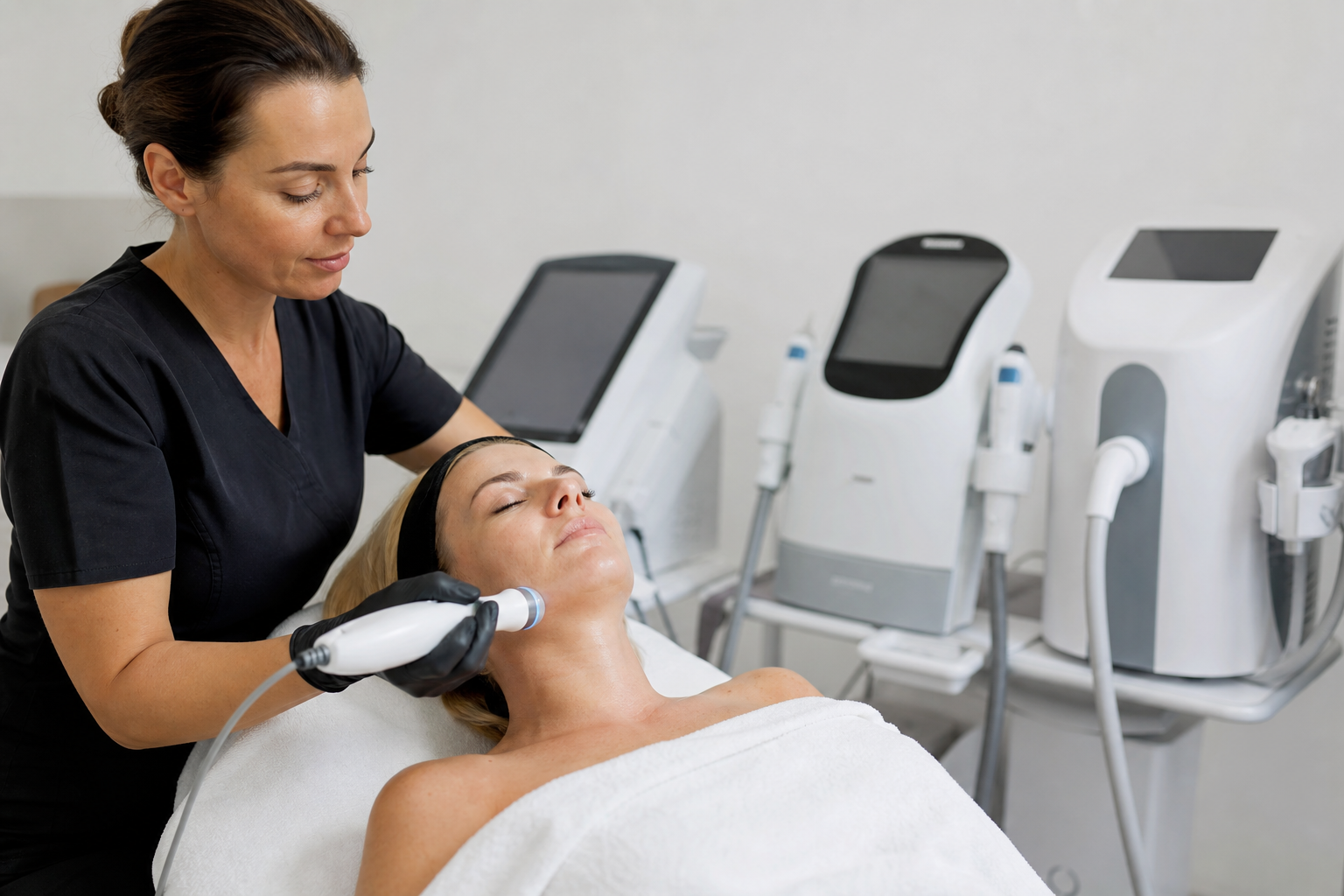
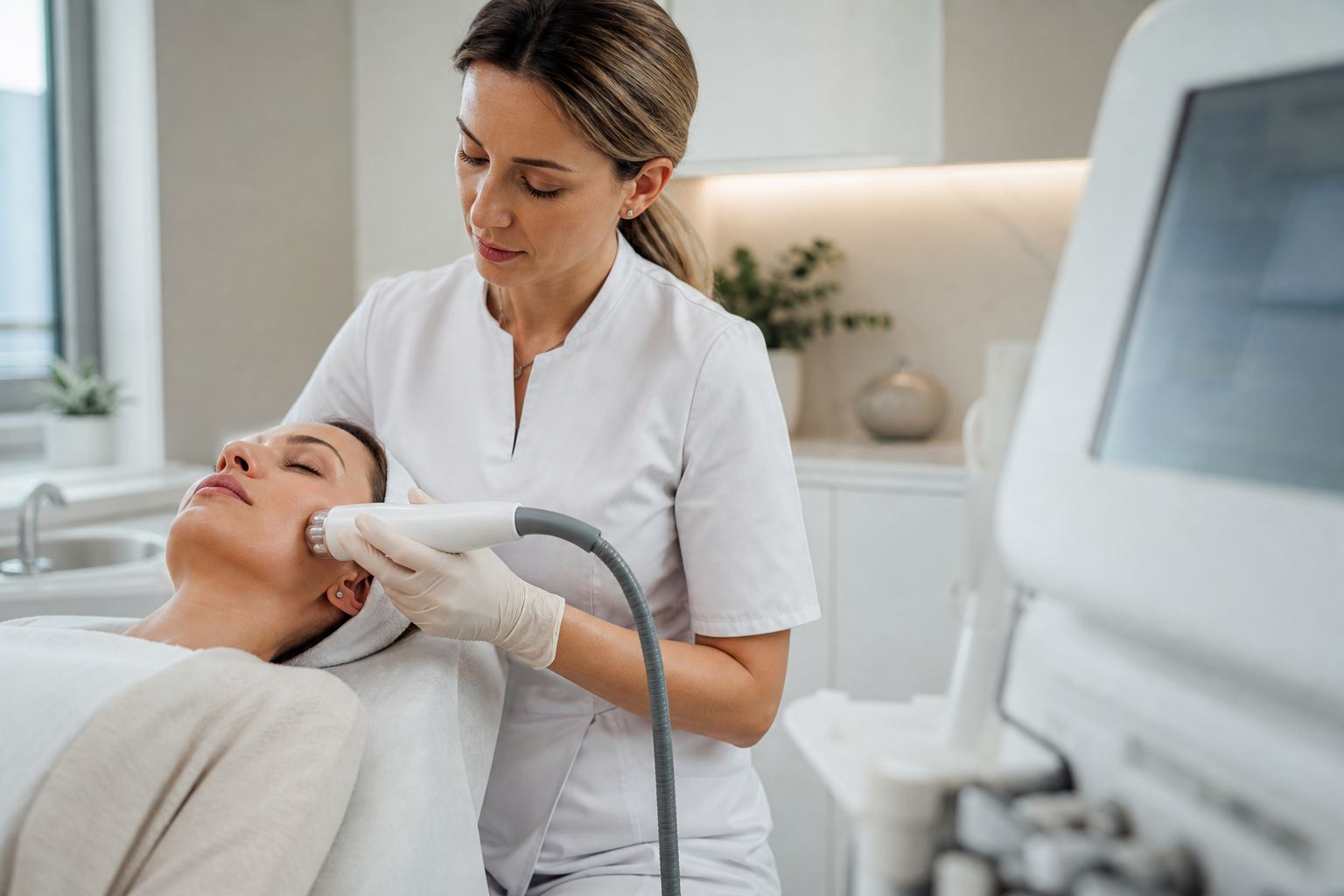
1. Mild Skin Laxity and Early Signs of Aging: Individuals with slight looseness or fine wrinkles often respond well to non-invasive RF treatments. These devices utilize external electrodes to deliver energy through the skin surface, causing collagen tightening without disrupting the epidermis. The minimal discomfort and absence of downtime make this a preferred option for busy patients or those initiating skin rejuvenation early.
2. Moderate Laxity and Texture Irregularities: Fractional needle-free RF technologies employ a fractionated delivery of radiofrequency energy, providing deeper dermal heating in micro-zones while preserving surrounding tissue. This method benefits those with moderate skin laxity, rough texture, and early scarring by encouraging targeted collagen remodeling and enhancing skin tone.
3. Significant Skin Firmness Loss and Scarring: RF microneedling integrates the benefits of both microneedling and radiofrequency energy. By creating controlled micro-injuries in the skin and delivering RF energy deep within the dermis, it stimulates robust collagen production and tissue repair. This technique is especially effective for clients with deeper wrinkles, pronounced sagging, acne scars, and stretch marks.
4. Advanced Concerns and Body Contouring: Minimally invasive RF treatments involve insertion of specialized probes beneath the skin to heat subcutaneous fat and connective tissue. They can sculpt body contours and tighten skin in areas resistant to diet and exercise. Suitable for those with pronounced laxity or cellulite, these procedures require greater clinical expertise and recovery management.
How Do the Different RF Technologies Work Scientifically?
The variations in RF treatments arise from differences in energy delivery, penetration depth, and device design. Understanding these technical distinctions clarifies why certain treatments are better suited for specific issues.
Non-Invasive RF Devices: These commonly use monopolar, bipolar, or multipolar electrodes placed on the skin surface. Radiofrequency current flows between electrodes, generating heat in the dermis without harming the epidermis. Temperature is carefully monitored, usually maintained between 40–45°C to optimize collagen contraction and new synthesis without pain or injury.
Fractional Needle-Free RF: Utilizing fractionated waveforms, these devices create heat in microzones while sparing intervening skin. This fractional approach produces zones of thermal injury surrounded by untreated tissue, encouraging faster healing and allowing for deeper collagen remodeling compared to uniform heating.
RF Microneedling: This technique combines insulated microneedles that penetrate the skin with radiofrequency energy emission at their tips. By synergizing mechanical injury with focused heating, RF microneedling reaches deeper dermal layers, stimulating a more pronounced wound healing response and collagen induction. This is why it effectively treats scars and more severe laxity.
Minimally Invasive RF: Through insertion of small probes under local anesthesia, this method delivers substantial heat directly to subdermal tissues. It tightens fibroseptal networks and melts fat, thereby contouring skin and improving its firmness at levels unreachable by superficial treatments. The invasiveness, however, increases risks and necessitates a skilled operator.
What Should You Consider When Choosing an RF Device and Trusted Clinic?
Selecting the appropriate RF treatment is not solely about the technology but equally about choosing an experienced provider and validated equipment. Several key aspects warrant attention:
Device Regulatory Approval and Indications: Ensure that the RF system is approved by relevant health authorities for the intended cosmetic indications. Devices cleared for skin tightening should have documented efficacy and safety backed by clinical studies.
Temperature Control and Safety Features: Modern RF platforms include real-time temperature monitoring to prevent overheating and tissue damage. Understanding how the clinic manages this critical parameter influences treatment effectiveness and side effect risk.
Operator Training and Experience: RF treatments, especially minimally invasive ones, demand knowledge of skin anatomy, energy physics, and post-care protocols. Seek practitioners with specialized training, certifications, and demonstrated successful outcomes.
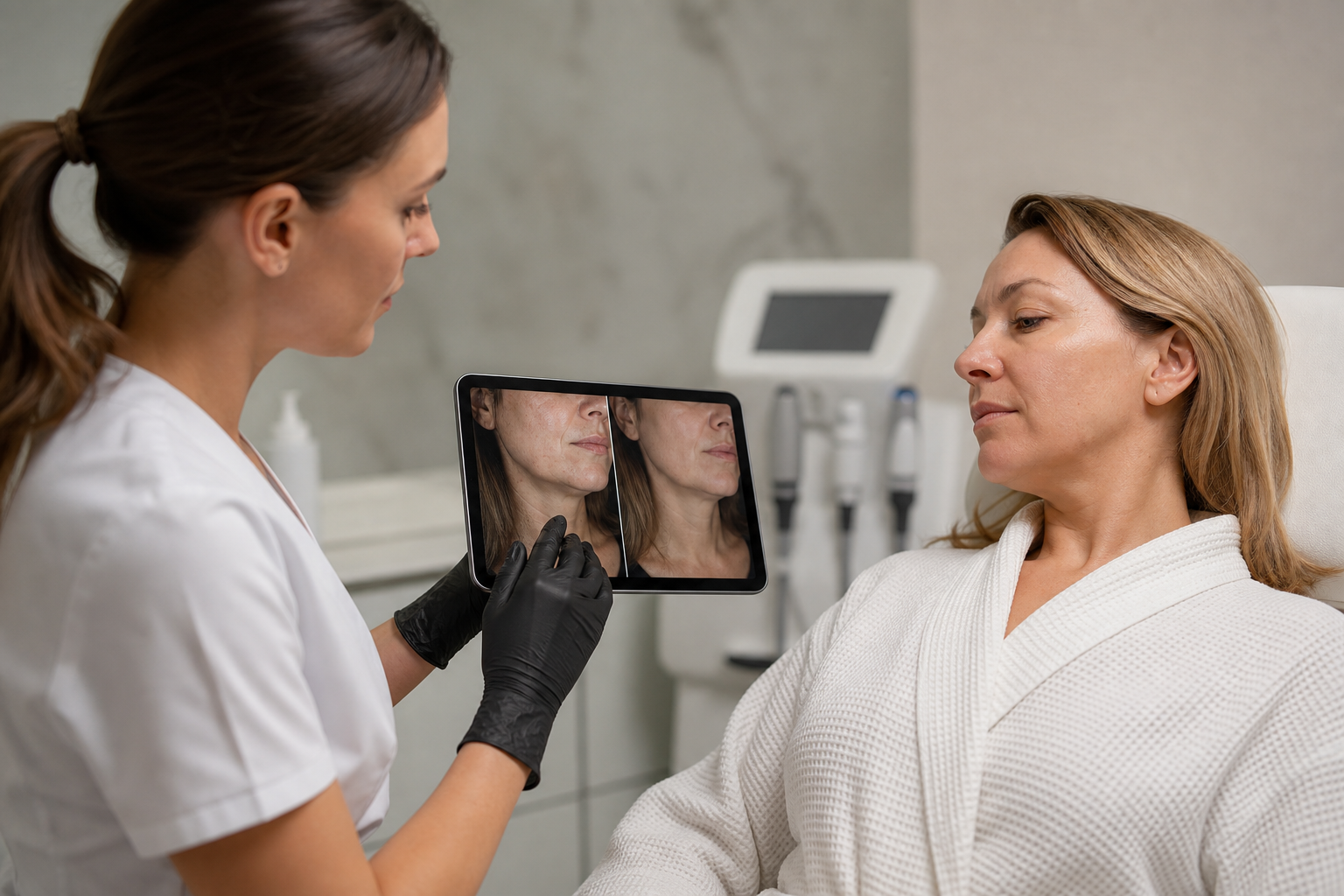
Realistic Expectations and Transparent Communication: A reputable clinic discusses potential results candidly, addressing limitations and multiple session needs. Beware of exaggerated claims promising instant or permanent fixes without maintenance.
How Does the Treatment Experience and Recovery Vary Among RF Modalities?
Understanding procedural comfort and downtime is vital when planning RF treatments to fit lifestyle and preferences.
Non-Invasive Treatments: These generally involve little to no pain, described as warmth or mild tingling. Patients can resume normal activities immediately, with transient redness or swelling that usually resolves within hours.
Fractional and RF Microneedling: Because these induce controlled micro-injuries, mild discomfort during the procedure is common. Recovery involves a few days of redness, possible swelling, and heightened sun sensitivity. Proper post-treatment skincare aids healing.
Minimally Invasive Procedures: Often performed under local anesthesia, patients might experience soreness or bruising afterward. Downtime ranges from several days to a week, with instructions to avoid strenuous activity and sun exposure during recovery.
What Key Questions Should You Ask Before Undergoing RF Lifting?
Empowered patients achieve better outcomes by engaging in thorough consultations. Important questions include:
What type of RF technology is being used and why is it suitable for my skin concern?
Does the device have regulatory approval and clinical evidence supporting its claims?
How will temperature be monitored and controlled during my treatment?
What qualifications and training does the practitioner have in administering RF treatments?
What are realistic results for my condition, and how many sessions will I require?
Are there any risks or side effects, and how will they be managed?
How to Recognize Unrealistic Claims About RF Lifting and Avoid Dissatisfaction
The aesthetic industry sometimes markets RF treatments with overstated promises. Recognizing and steering clear of misinformation is crucial for protecting health and investment.
Beware of instant miracle cures: While RF stimulates collagen gradually, visible improvements typically unfold over weeks to months and often require multiple sessions.
Skepticism about permanent results: Like all collagen-dependent therapies, effects diminish over time as aging continues. Maintenance treatments help sustain benefits.
Question unsupported device claims: Some manufacturers exaggerate technology capabilities or clinical results. Always seek evidence from peer-reviewed studies and trusted regulatory bodies.
Avoid providers without proper credentials: Lack of training or certification increases the risk of poor technique, ineffective results, and complications.