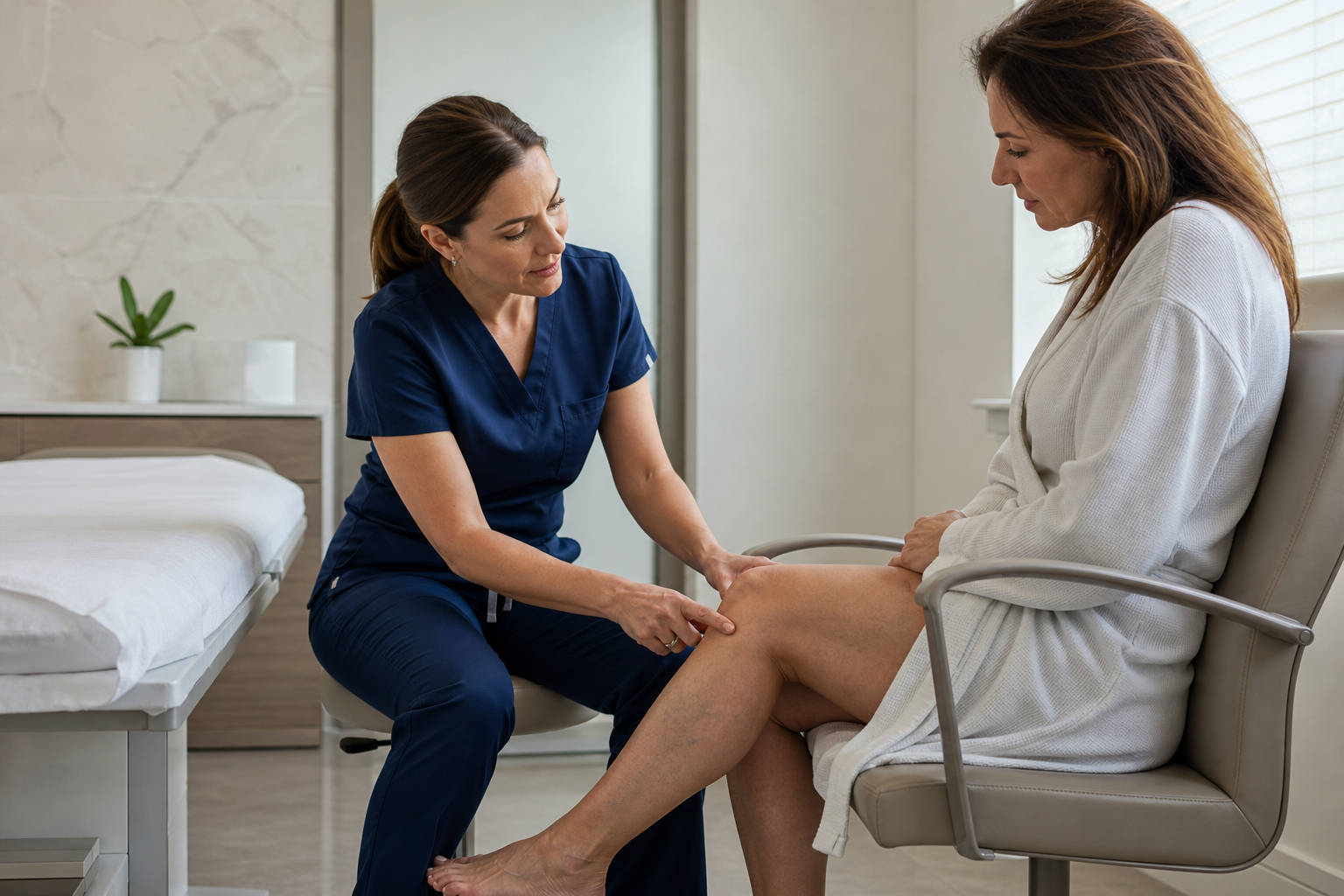
When undergoing skin treatments such as laser therapy for capillaries and redness, patients often wonder about one fundamental question: when is it safe to resume using makeup? This inquiry carries significant importance as it balances the desire to maintain aesthetic appearances with the imperative of preserving skin health during a delicate recovery period. Understanding the appropriate timing for makeup application after such treatments is essential for achieving optimal results without compromising skin integrity or prolonging irritation.
This topic is particularly relevant for individuals who have undergone advanced vascular laser treatments designed to diminish visible blood vessels, persistent redness, or spider veins. These procedures, while effective in improving skin tone and texture, temporarily disrupt the skin’s natural barrier and healing processes. Therefore, using cosmetics immediately after treatment may interfere with recovery, increase the risk of adverse effects, and impact the final cosmetic outcome.
In this comprehensive editorial, we explore the nuances surrounding makeup use post-laser therapy for visible vessels and redness. We discuss who benefits from these treatments, the physiological responses of the skin, factors influencing recovery timelines, and expert recommendations for safely reintegrating makeup into your skincare regimen. The insights herein are grounded in reliable dermatologic principles and clinical experience, aiming to provide realistic expectations and guidance.
Understanding Laser Treatment for Capillaries and Who Should Consider It
Laser treatment for capillaries is a targeted medical procedure that employs specific wavelengths of light to selectively absorb and collapse superficial blood vessels responsible for visible redness and capillary dilation. Commonly affected areas include the cheeks, nose, chin, and legs, where spider veins or persistent erythema may pose cosmetic concerns or discomfort. This treatment is ideally suited for individuals experiencing vascular skin issues such as rosacea, telangiectasia, or vascular malformations that do not respond adequately to topical therapies.
The primary goal of these interventions is to restore more even skin tone by eliminating the unsightly appearance of dilated vessels while minimizing damage to surrounding tissues. Unlike IPL (intense pulsed light), which is a broad-spectrum light source used for a variety of indications, vascular lasers specifically target hemoglobin within blood vessels, enhancing efficacy and safety.
The suitability for laser treatment depends on skin type, vascular lesion characteristics, and overall health status. Consultation with a dermatologist or aesthetic specialist is essential to determine candidacy and to establish an individualized treatment plan that considers the patient's unique skin profile and concerns.
Why Timing Makeup Use After Laser Treatment Matters for Skin Recovery
Following laser therapy, the skin enters a phase of controlled inflammation and repair. The targeted blood vessels absorb laser energy and subsequently collapse, prompting the immune system to clear cellular debris and restore tissue integrity. During this interval, the treated skin is vulnerable to irritation, dryness, increased sensitivity, and potential barrier disruption.
Applying makeup too soon can obstruct this healing process. Many makeup products contain components such as fragrances, preservatives, emulsifiers, or occlusive agents that may aggravate compromised skin, leading to further redness, swelling, or even infection. Additionally, makeup application often involves physical manipulation of the skin, which can exacerbate inflammation or disrupt fragile epidermal layers.
Thus, abstaining from makeup for a period recommended by healthcare providers is critical to ensure that the skin heals properly and the full benefits of the laser treatment are realized. Ignoring this advice can result in prolonged post-treatment redness, hyperpigmentation, or unsatisfactory cosmetic outcomes.
Key Factors Affecting When You Can Safely Use Makeup Post-Treatment
The timeline for safely resuming makeup varies among individuals and depends on several factors. The intensity and type of laser procedure are fundamental determinants – gentler treatments may allow a shorter no-makeup window, whereas more aggressive protocols necessitate longer recovery.
The anatomical area treated also plays a role; facial areas with thin, sensitive skin often require extended healing time compared to more robust skin regions such as the legs or arms. The patient’s skin sensitivity, history of reactive conditions (like eczema or rosacea), and adherence to post-care instructions influence recovery as well.
Additionally, the choice of makeup products after the healing window is critical. Dermatologists typically recommend hypoallergenic, fragrance-free, and non-comedogenic formulations to minimize irritation risk. Incorporating products enriched with soothing and barrier-repairing ingredients can further support skin health during makeup use.
How Dermatologists Determine the Right Time to Reintroduce Makeup
Healthcare professionals evaluating when a patient can resume makeup application consider both objective and subjective signs of skin readiness. Objective indicators include the resolution of visible redness, absence of swelling or crusting, and restoration of the epidermal barrier as noted during clinical examination.
Subjectively, patients are assessed for symptoms such as itching, tenderness, or discomfort, which may suggest ongoing inflammation. A personalized approach is vital; some patients recover rapidly and may tolerate makeup within 24 to 72 hours, while others require longer abstinence.
Importantly, dermatologists also educate patients on gentle makeup application techniques and recommend suitable products to avoid compromising results. This guidance helps balance patients’ desire for cosmetic enhancement with the imperative of skin health preservation.
Physiological Changes and Expected Skin Reactions After Laser Therapy
Laser treatment initiates a controlled trauma to the targeted vessels, resulting in thermal coagulation and collapse of these structures. Immediately post-procedure, mild erythema, edema, and occasional pinpoint bleeding or bruising commonly appear. These skin responses mimic a mild sunburn and typically subside over several days.
During this recovery phase, the skin’s natural barrier is temporarily weakened, rendering it more susceptible to environmental insults and product irritants. This compromised state underscores the importance of avoiding makeup until the epidermis has sufficiently recovered, thereby minimizing adverse sequelae such as prolonged inflammation or secondary infection.
Patients may notice gradual fading of redness and vascular lesions over days to weeks as the body clears affected vessels and repairs tissue. Ensuring proper post-treatment skincare fosters optimal healing and enhances the long-term success of the laser intervention.
Recommended Skincare Practices During Makeup-Free Recovery Period
In the critical days following laser treatment, skincare should prioritize soothing, hydration, and protection. The use of gentle cleansers devoid of harsh surfactants or fragrances is recommended to maintain skin comfort without disruption.
Topical preparations often prescribed include bland moisturizers and serums formulated to support barrier repair, reduce inflammation, and prevent dryness. It is essential to avoid products containing alcohol, exfoliating agents, or heavy occlusives that might hinder healing or irritate sensitive skin.
Sun protection emerges as a cornerstone of post-laser care, as treated skin exhibits increased photosensitivity. Broad-spectrum sunscreens with high SPF should be applied liberally when outdoors, regardless of whether makeup is worn subsequently.
Considerations for Laser Vascular Treatments Performed During Summer
Performing laser vascular treatments during summer presents distinct challenges due to elevated ambient ultraviolet exposure and increased perspiration. These factors demand heightened vigilance in post-treatment care to prevent pigment alterations or exacerbated inflammation.
While modern technology and careful parameter selection allow safe procedures in warmer seasons, strict adherence to sun avoidance and rigorous photoprotection measures is mandatory. Patients must also be counseled on delaying makeup application until skin stability is assured, as combined sun exposure and cosmetic products can aggravate photosensitivity.
Delicate timing and precise aftercare protocols tailored to seasonality optimize outcomes and minimize complications linked to environmental factors.
Safe Methods for Makeup Removal After Vascular Laser Treatments
Once makeup use is resumed, its removal demands particular caution to preserve fragile post-treatment skin. Experts recommend utilizing micellar waters or gentle creamy cleansers that effectively dissolve cosmetic residues without harsh rubbing or stripping natural oils.
Mechanical exfoliants, alcohol-based removers, or rigorous scrubbing products are discouraged due to their potential to disrupt healing skin. Instead, gentle patting and lukewarm water are advised to maintain epidermal integrity.
Consistent adoption of mild cleansing techniques aids in sustaining the skin’s barrier function, supporting overall treatment success and long-term skin health.


