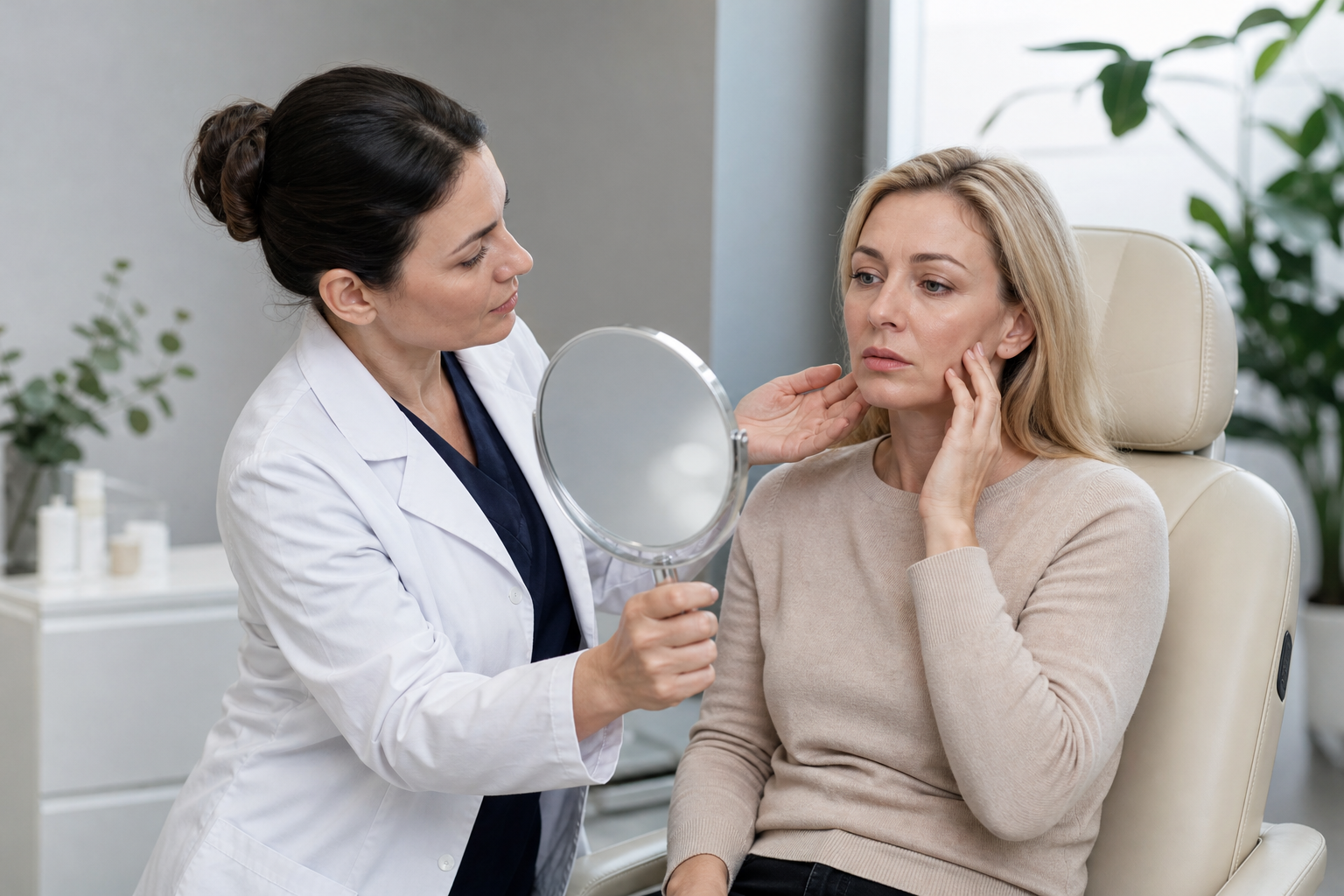
Botox-induced facial asymmetry is a nuanced and sometimes concerning outcome of a popular cosmetic procedure that millions around the world seek each year. Botox, known scientifically as botulinum toxin, has revolutionized the field of aesthetic medicine by offering a minimally invasive method to reduce the appearance of wrinkles and fine lines. However, for all its widespread use and success, Botox treatments are not without risks and complications, among which facial asymmetry stands out as a particularly distressing effect for many patients.
This phenomenon refers to an uneven or unbalanced appearance of the face following Botox injections, where one side of the face may appear different in muscle tone or expression compared to the other, disrupting facial harmony. Understanding why this happens, who is most at risk, what the signs are, how long it can last, and critically, when to seek medical advice, is essential knowledge for anyone considering or already having undergone this treatment.
Developed within the framework of adverse reactions and complications associated with Botox, this editorial explores the mechanisms behind Botox-induced facial asymmetry, sheds light on realistic expectations, details the safety precautions to bear in mind, and offers a comprehensive guide to recognizing when a professional consultation is necessary. By providing clear, in-depth, and expert-driven information, it aims to empower patients and practitioners to effectively navigate the complexities of this unwanted effect.
Understanding the Mechanism Behind Facial Asymmetry After Botox Treatment
The science of Botox centers on its ability to temporarily inhibit nerve signals to muscles, causing relaxation that smooths out wrinkles formed by repeated muscle movements. When properly administered, this results in a balanced and refreshed facial appearance. However, the intricate anatomy of the face—characterized by asymmetry even in healthy individuals—combined with technical factors during injection, can sometimes lead to uneven outcomes.
Facial asymmetry after Botox arises primarily due to unbalanced muscle weakening. This can occur when the toxin is injected unevenly between sides, improperly dosed, or inadvertently placed in the wrong muscle groups. For instance, excessive weakening of muscles on one side may lead to drooping of areas such as the eyebrow or eyelid, while the other side remains unaffected or only partially treated, causing visible imbalance.
Furthermore, individual variability in muscle anatomy and responsiveness plays a substantial role. Some patients’ muscles may respond more intensely or less predictably to the neurotoxin, influencing the symmetry of results. In rare cases, preexisting subtle asymmetries may become more pronounced after treatment, or new asymmetries can manifest temporarily as the effect of Botox develops and plateaus.
Importantly, it is crucial to recognize that most cases of Botox-induced asymmetry are reversible. As the neurotoxin’s effect diminishes over a period of three to six months, muscle function typically returns to baseline, restoring facial balance. This temporary nature underscores the need for patience and careful monitoring before pursuing corrective interventions.
Setting Realistic Expectations and Recognizing the Limitations of Botox
One of the leading causes of dissatisfaction and concerns about asymmetry lies in misaligned expectations regarding what Botox can achieve. Botox is designed primarily to soften dynamic wrinkles by relaxing targeted muscles but is not intended to permanently reshape or correct structural facial asymmetry. Patients must be aware that deep, static asymmetries or significant contour differences cannot be cured by Botox alone.
Ideal candidates for Botox are individuals seeking to mitigate wrinkles in the forehead, glabella, and crow’s feet areas, aiming for a subtle rejuvenation without invasive surgery. The treatment offers a temporary lift and smoothing effect, which can enhance facial harmony but should not be mistaken for a comprehensive corrective procedure.
When pronounced asymmetry is present, a comprehensive approach may be required, including dermal fillers to restore volume, or in some cases, surgical options to address underlying skeletal or soft tissue discrepancies. An experienced practitioner will evaluate each patient’s unique facial anatomy and discuss the most appropriate treatment plan, avoiding over-reliance on Botox in unsuitable scenarios.
Moreover, the skill and expertise of the administering professional are pivotal in minimizing adverse effects. Meticulous attention to injection sites, dosage, depth, and asymmetries at baseline helps reduce the risk of uneven diffusion of toxin and unintended muscular paralysis that can cause visible asymmetry.
Clinical Signs and Early Symptoms of Botox-Induced Facial Asymmetry
Facial asymmetry typically becomes apparent within days to two weeks following Botox injections, coinciding with the gradual onset of the toxin's muscle-relaxing effects. Recognizing early signs empowers patients to seek prompt professional evaluation and potentially mitigate the severity or duration of asymmetry.
Common manifestations include uneven eyebrow height or shape, with one brow sitting higher or lower than the other, resulting in an unbalanced expression. Another frequent sign is asymmetrical movement of the eyelids, sometimes accompanied by ptosis—a drooping of the upper eyelid—which can partially obscure vision and cause discomfort.
Perturbations in normal facial expressions related to smiling, frowning, or raising the forehead also indicate asymmetrical muscle activity. Some patients may notice a heaviness or stiffness on one side of the forehead or an uneven tension across the glabellar region.
In addition to visual cues, some patients report accompanying sensations such as mild headache, a feeling of heaviness, or localized bruising at injection sites. Although these symptoms are normally transient and mild, persistent or worsening signs should prompt immediate medical attention.
Ensuring Safety in Botox Procedures and Knowing When to Consult a Specialist
Safety is paramount in all aesthetic interventions, including Botox administration. This starts with selecting a qualified, board-certified medical professional who possesses comprehensive knowledge of facial anatomy, botulinum toxin pharmacodynamics, and injection techniques tailored to individual patient needs.
During the pre-treatment consultation, a thorough medical and aesthetic history, risk assessment, and facial analysis are indispensable to prevent complications, including asymmetry. Patients must disclose any neurological conditions, previous adverse reactions, or medications that may influence treatment outcomes.
Post-treatment, patients should closely monitor their facial responses. Persistent facial asymmetry that leads to functional impairment such as difficulty closing an eye, pronounced ptosis, or pronounced discomfort signals the necessity for an urgent consultation. Early intervention may involve targeted treatments to counteract the toxin’s effects or symptomatic management.
While certain beneficial treatments exist to hasten reversal of effects, including specific enzyme injections or localized physical therapy, these interventions require careful specialist supervision. Attempting self-treatment or ignoring symptoms can exacerbate complications or delay recovery.
Strategies and Complementary Treatments for Correcting Facial Asymmetry After Botox
When asymmetry arises and persists beyond initial observation periods, corrective strategies can be implemented, often tailored to the individual's specific facial dynamics. Skilled practitioners utilize a variety of complementary approaches, from minor adjustments in Botox dosing on the contralateral side to the use of dermal fillers to restore lost volume and enhance contour balance.
For example, administering a small dose of Botox to compensate for overactivity on one side can help restore equilibrium, a technique requiring precise anatomical insight and experience to avoid further imbalance. Meanwhile, dermal fillers may address depression or hollowness contributing to perceived asymmetry, resulting in improved facial harmony.
In some cases, combining Botox with adjunctive therapies such as skin tightening procedures or neuromodulatory treatments can yield synergistic benefits, enhancing both aesthetic outcomes and functional symmetry.
Importantly, corrective measures should be introduced judiciously and only after allowing sufficient time for Botox effects to peak and stabilize, usually assessed three to four weeks post-injection. This approach reduces risks of overtreatment and supports natural-looking results.
The Role of Patient Education and Collaborative Care in Optimizing Botox Outcomes
Achieving favorable results and minimizing adverse reactions like facial asymmetry depends heavily on open, transparent communication between patient and healthcare provider. Patient education starts well before the injection, emphasizing the importance of understanding Botox’s action, limitations, and potential side effects.
An informed patient is better equipped to set realistic goals and participate actively in treatment planning, fostering trust and adherence to follow-up protocols. Discussions covering procedural techniques, expected timelines, possible complications, and post-treatment care empower patients to recognize early warning signs and report concerns promptly.
Moreover, ongoing collaboration facilitates individualized dosing adjustments, tailored injection patterns, and personalized maintenance schedules that evolve with the patient's response and evolving aesthetic objectives. This long-term partnership promotes safety, efficacy, and satisfaction.
In particular, patients should be instructed on the importance of avoiding robust facial movements immediately post-injection, refraining from rubbing the treated area, and adhering to any other aftercare guidelines to reduce uneven toxin dispersal and minimize bruising or swelling.


