RF lifting, commonly known as radiofrequency skin tightening, has emerged as a favored non-invasive method for those seeking skin rejuvenation without resorting to surgery. This procedure harnesses controlled radiofrequency energy to stimulate the production of collagen and elastin—the essential proteins that maintain skin firmness and elasticity. As we age, these proteins diminish, leading to the appearance of sagging skin, fine lines, and wrinkles, prompting many to explore effective solutions that avoid the risks and recovery time associated with surgical facelifts.
This article is tailored for individuals considering RF lifting treatments—whether you're new to non-invasive cosmetic procedures or have previously explored skin rejuvenation options. Understanding the nuances of RF lifting is crucial before making an informed decision. This encompasses knowing what the treatment involves, identifying which RF technique aligns with your skin’s specific needs, and grasping the realistic outcomes and potential risks involved. By addressing key questions about the procedure, you can navigate the available options with clarity, ensuring safety, satisfaction, and a result that meets your expectations.
The importance of posing the right questions prior to undergoing RF lifting cannot be overstated. Whether you're consulting with a dermatologist, aesthetic practitioner, or medical technician, the dialogue you initiate will shape your experience and outcome. This editorial delves deeply into the critical aspects that prospective patients should explore—from the types of RF technologies and their indications to operator qualifications, the expected timeline for results, and ways to discern credible providers from misleading marketing. Our goal is to empower you with knowledge, encouraging prudent decision-making in your journey towards youthful, glowing skin.
What Exactly Is RF Lifting and What Are Its Core Variants?
Radiofrequency lifting refers to a suite of technologies that utilize radiofrequency energy to heat targeted layers of the skin. This controlled heating stimulates fibroblasts to produce collagen and elastin, which gradually improve skin tightness and texture. Unlike surgical facelifts, RF lifting is minimally or non-invasive, avoiding incisions and significant downtime.
Understanding the different types of RF lifting is essential to determine which treatment best suits your skin condition and goals. Generally, RF lifting techniques can be categorized as follows:
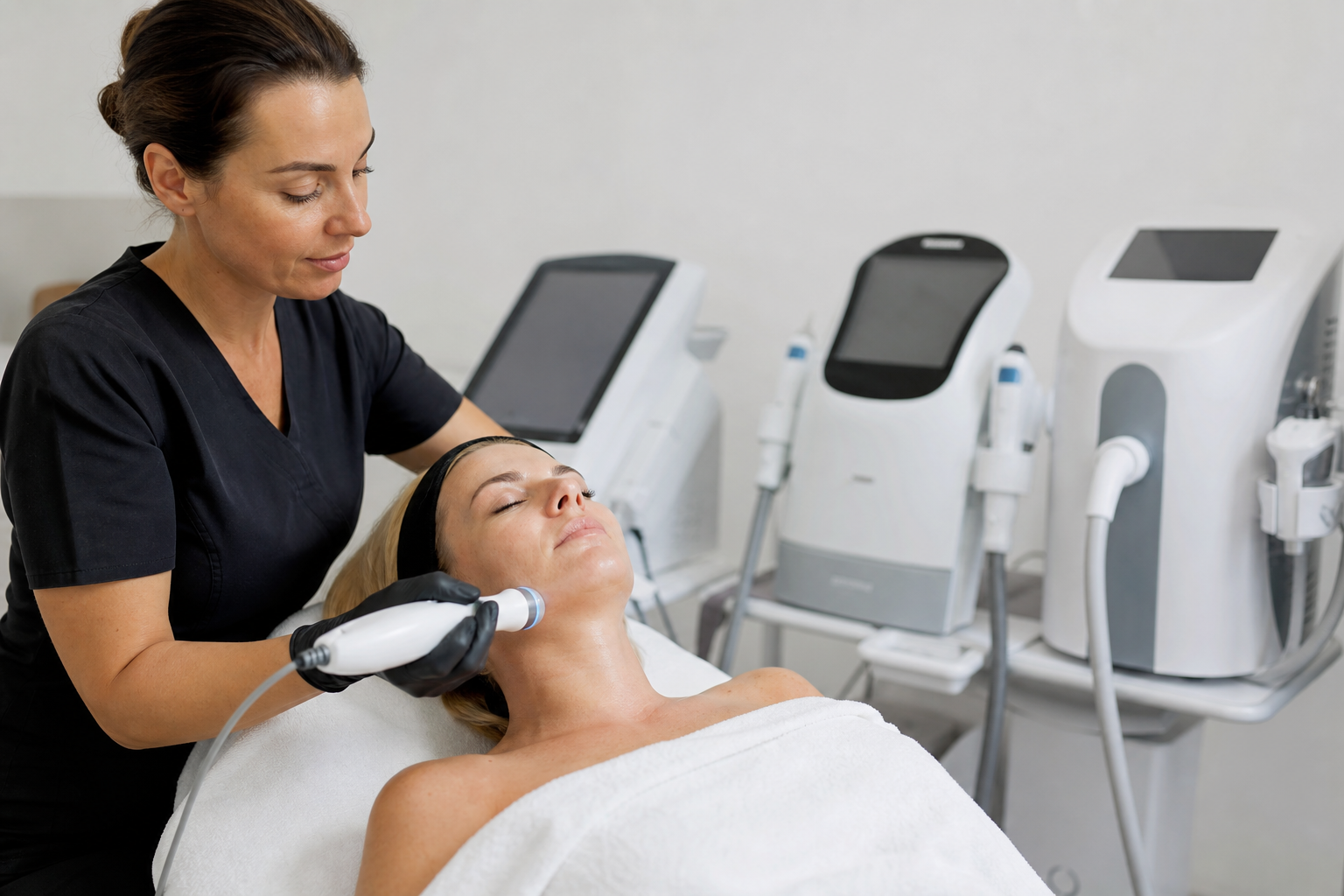
1. Non-invasive RF lifting: This is the most common form and involves the application of radiofrequency energy via external applicators that do not penetrate the skin. It is designed mainly for mild to moderate skin laxity and fine wrinkles. This method offers the advantage of zero downtime and minimal discomfort.
2. Fractional RF without needles: This approach uses specialized handpieces that deliver RF energy through the skin’s surface in a fractional pattern. Though still non-penetrative mechanistically, it provides a more intense stimulation of skin remodeling and is sometimes combined with other rejuvenation procedures for enhanced results.
3. RF microneedling (minimally invasive): Combining microneedling with RF energy, this treatment uses fine needles to create microchannels in the skin while simultaneously delivering RF heat into the deeper layers. It is well-suited for addressing deeper wrinkles, acne scars, and more pronounced skin laxity, requiring a short recovery period post-session.
By identifying which technology aligns most closely with your skin type and concerns, you gain a clearer pathway to selecting an effective treatment approach.
Who Is the Ideal Candidate for RF Lifting and What Skin Concerns Does It Address?
RF lifting is typically recommended for adults experiencing the early to moderate signs of skin aging. Ideal candidates often exhibit mild to moderate skin laxity, loss of facial volume, fine lines, or subtle sagging around the jawline and neck. It also benefits individuals seeking to rejuvenate the skin of areas such as the décolletage, arms, or abdomen without undergoing invasive surgery.
However, RF lifting is not intended as a substitute for surgical procedures when substantial skin tightening or lifting is needed. It is essential to set realistic expectations with your practitioner regarding what the treatment can achieve.
In addition, practitioners often assess whether RF lifting should be combined with complementary treatments, such as dermal fillers, chemical peels, or mesotherapy, to optimize outcomes. Such combinations can address multiple layers and mechanisms of skin aging more comprehensively.
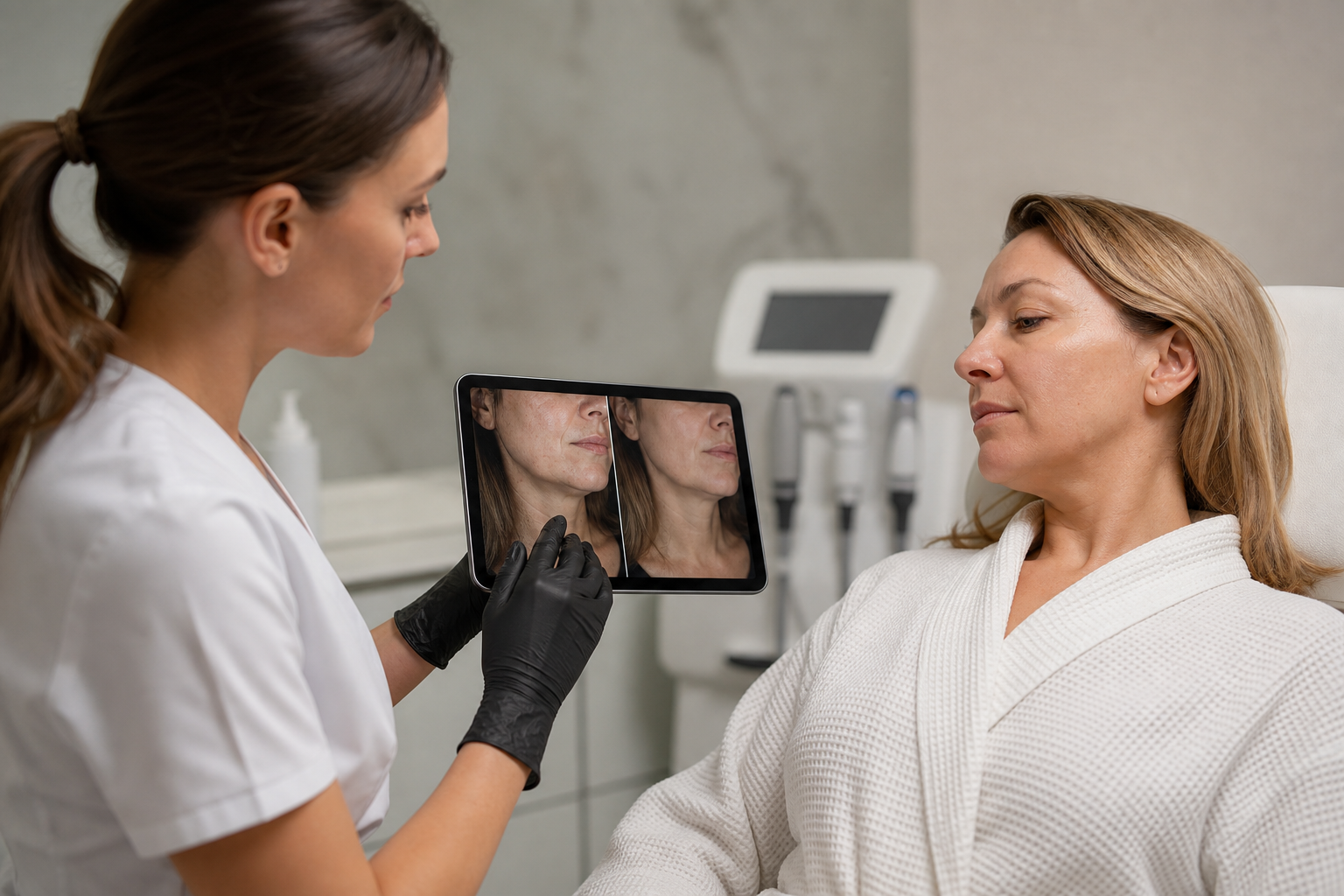
Before proceeding, discussing your individual skin condition, medical history, and aesthetic goals with a qualified specialist helps clarify suitability, tailoring the treatment plan to your unique profile.
What Does an RF Lifting Session Involve and What Is the Recovery Like?
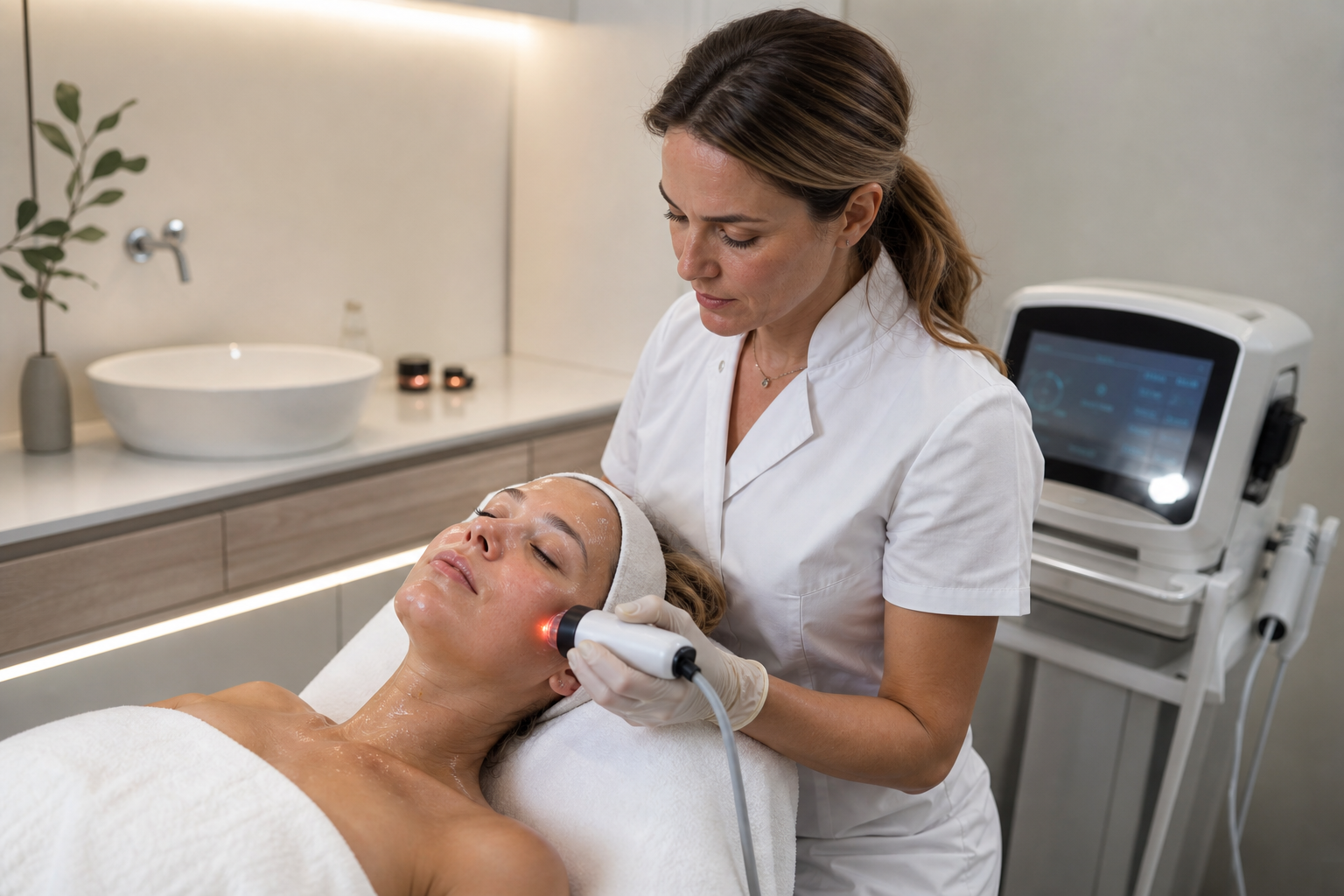
The patient experience during RF lifting varies depending on the modality used but generally involves comfortable sessions that last between 30 and 60 minutes. For non-invasive treatments, a cooled applicator is typically moved over the treatment area to deliver controlled radiofrequency energy, causing a gentle warming sensation. This warmth triggers collagen synthesis without damaging the skin’s surface.
Minimal preparation is needed before treatment, though practitioners may advise avoiding sun exposure or certain skincare products in the days leading up to your appointment. During the procedure, a soothing balm or gel is often applied to enhance comfort and the conduction of energy.
Recovery time for non-invasive RF lifting is negligible—with many patients resuming normal activities immediately afterward. Minor redness or swelling may occasionally occur but typically resolves quickly.
RF microneedling requires a more cautious approach, as the needle penetration creates micro-injuries to the skin. Following treatment, light redness and mild swelling can last several days, with most patients resuming their routine within a week. Post-procedure care, including gentle cleansing and moisturizing, is essential to support healing and enhance results.
Understanding the specifics of your chosen technique enables better preparation for the session and allows you to plan your schedule accordingly for optimal convenience.
What Are the Potential Risks and Side Effects Associated with RF Lifting?
Though RF lifting is regarded as safe when performed correctly, prospective patients should be informed about possible side effects and risks. Typical temporary side effects include mild redness, swelling, tingling, or warmth at the treatment site. These reactions usually subside within hours to a few days.
In rare cases, improper usage of radiofrequency devices may lead to burns, blistering, or hyperpigmentation, particularly in individuals with darker skin tones or certain skin sensitivities. This underlines the critical importance of seeking treatment from experienced, qualified professionals who use appropriately calibrated and regulated equipment.
Patients with implantable electronic devices such as pacemakers, certain skin conditions (e.g., active infections, severe eczema), or pregnancy may be advised to avoid RF treatments due to potential contraindications. Full disclosure of your medical history and skin status helps your provider assess safety.
Inquiring about the specific RF device, its regulatory approvals, how treatment temperatures are monitored, and operator training standards offers insight into the procedure’s safety measures and reduces the likelihood of adverse events.
Why Does the Choice of Clinic and Operator Matter So Much in RF Lifting?
The success and safety of RF lifting heavily depend on the expertise and professionalism of the practitioner performing the procedure. In addition to device quality, the operator’s training in handling the equipment, understanding skin anatomy, and tailoring protocols to individual skin types is paramount.
When scouting for clinics or providers, it's wise to ask about the qualifications, certifications, and years of experience of the clinical team. A reputable clinic will transparently share information about its equipment's regulatory status, as well as the specific protocols followed to maintain treatment safety and efficacy.
Reputation, patient testimonials, and the availability of consultations with multiple specialists within the clinic can further guide your choice. Comprehensive, personalized consultations indicate a serious commitment to patient care rather than a generic service approach.
Choosing a diligent, knowledgeable operator not only optimizes your results but also minimizes risks, making this choice one of the most important steps in your RF lifting journey.
How Many RF Lifting Sessions Will You Need, and When Will You See Results?
The number of treatments required varies based on factors such as your skin’s initial condition, the specific RF technology used, and your aesthetic goals. Typically, a course of three to six sessions spaced several weeks apart is recommended to achieve noticeable and lasting improvement.
Unlike surgical facelifts that produce immediate and dramatic changes, RF lifting results appear gradually. Collagen remodeling and skin tightening evolve over weeks to months following treatment as the skin regenerates naturally.
Patients can begin noticing firmer, smoother skin several weeks after the first session, with progressive improvements over several months. Maintenance treatments may be advised annually or biannually to preserve the youthful skin quality achieved.
Discussing your treatment timeline with your provider sets realistic expectations, helping you appreciate the natural regenerative process and appreciate incremental progress.
How to Identify Unrealistic Claims and Marketing Myths About RF Lifting?
In the growing market of aesthetic treatments, sensational claims promising instant, permanent, or facelift-equivalent results from RF lifting are common but often misleading. It’s important to approach such statements skeptically and base your decisions on credible clinical evidence and reputed expert advice.
Professional providers avoid guaranteeing specific outcomes, acknowledging that results depend on individual factors and natural biological processes. Look for honest, transparent communication regarding what RF treatment can and cannot do.
Be wary of offers that promise dramatic, one-session transformations or use percentages and superlatives that lack scientific backing. Regulatory approvals from recognized authorities ensure devices meet safety and efficacy standards and offer added reassurance.
Educating yourself about the procedure, asking critical questions, and consulting multiple reliable sources empower you to sidestep marketing hype and align expectations with achievable results.