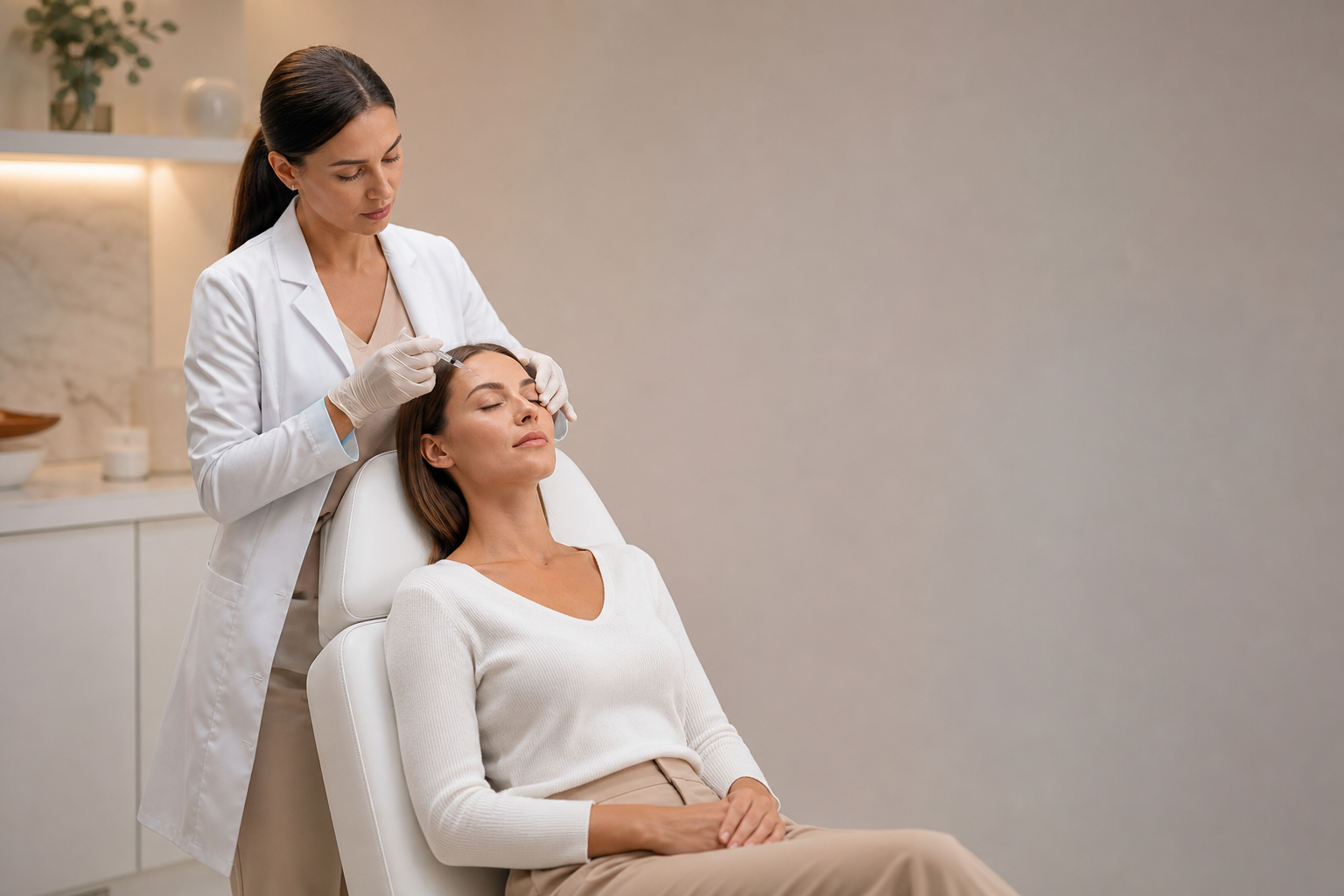
Botox has revolutionized the landscape of non-surgical aesthetic treatments, becoming synonymous with wrinkle reduction and youthful appearance restoration. As one of the most popular interventions for combating signs of aging, it offers a relatively quick, minimally invasive, and effective option for individuals seeking to refresh their facial contours and diminish dynamic wrinkles. But beyond its widespread acclaim lies a nuanced consideration that prospective and current users must understand: the duration of Botox’s effects. How long does Botox last, what factors influence its longevity, and what should patients realistically expect from their treatment timeline?
This exploration into Botox longevity is essential for those contemplating their first treatment, regular users planning follow-up sessions, and even clinicians aiming to optimize patient outcomes. Understanding the mechanism through which Botox delivers its wrinkle-smoothing effects elucidates why these effects are temporary and why individual experiences vary. This editorial article provides an expert, practical analysis of Botox’s duration—integrating insights into its action, variable effectiveness across treatment zones, considerations for safe reapplication, and the influence of lifestyle factors on maintaining results.
In the context of the comprehensive cluster "Botox – a complete guide to application, results, cost, and safety," particularly the pillar "Duration of effects and Botox reapplication," this article aims not only to clarify the common question of Botox lifespan but also to empower readers with knowledge to make informed decisions and set realistic expectations for their aesthetic journey.
Understanding the Scientific Mechanism Behind Botox and Its Temporary Effects
Botox, or botulinum toxin type A, is a sophisticated neurotoxin that, when administered in controlled, minute quantities, selectively targets nerve signals to muscles. By blocking the release of acetylcholine—a neurotransmitter essential for muscle contraction—Botox induces a temporary paralysis or relaxation of specific facial muscles responsible for dynamic wrinkles.
This neuromodulatory effect softens expressions and smooths creases caused by repetitive muscle movements, such as frown lines between the eyebrows or crow’s feet near the eyes. Importantly, Botox does not affect wrinkles caused by intrinsic skin aging or gravity but functions by limiting muscle activity, effectively reducing the visible formation of expression-related lines.
The temporal nature of Botox's effect is rooted in its biological mechanism. Over time, nerve terminals regenerate, restoring neurotransmitter release and muscle function. This natural regeneration means that Botox does not provide permanent paralysis or wrinkle elimination but rather a reversible modulation of muscle activity. Typically, this effect endures for approximately three to six months, marking the window in which patients can expect to enjoy smoother skin and diminished wrinkle visibility.
Variability in Botox Duration Driven by Individual and Treatment-Specific Factors
The question "how long does Botox last?" cannot be answered with a fixed duration applicable to all. Various factors intrinsic to individuals and the details of the treatment itself critically influence the longevity of Botox results.
One key determinant is a person's metabolic rate. Individuals with accelerated metabolism may metabolize and clear the botulinum toxin more rapidly, shortening the duration of its effects. Age also plays a crucial role; younger skin, often with more elasticity and fewer deep wrinkles, may sustain Botox’s impact longer than more aged, crepey skin.
The targeted muscle groups and their activity levels further affect how enduring the results are. For instance, muscles responsible for glabellar (frown) lines contract frequently and forcefully, meaning Botox’s effect in this region often lasts closer to three to four months. Conversely, injections on the forehead or near the eyes may exhibit slightly longer-lasting impacts, sometimes up to six months, due to different muscle sizes, usage patterns, and skin thickness.
Additionally, dosage precision, injection technique, and professional expertise in identifying optimal injection sites can markedly influence the duration and aesthetic quality of Botox outcomes. Correctly customized treatments aligned with anatomical and functional considerations enhance both the safety profile and the temporal effectiveness of Botox.
Realistic Therapeutic Expectations and Recognizing the Limitations of Botox
Understanding Botox's capabilities and constraints is essential for patients to set informed expectations. Botox is highly effective for wrinkles caused by muscle movement but is not a magic wand for all signs of aging. Static wrinkles—those present even without muscle contraction—or deep folds from volume loss require complementary treatments such as dermal fillers or skin resurfacing techniques.
Botox does not reverse skin quality alterations related to collagen breakdown, sun damage, or sagging due to fat redistribution and bone resorption. Instead, it serves as a component of a multifaceted anti-aging strategy rather than a standalone cure-all solution.
Because Botox's effects are temporary, maintenance treatments are necessary to sustain results. Some patients find that with consistent, spaced treatments, intervals between sessions can gradually extend, as muscles become conditioned to reduced activity. However, this is a progressive process that varies widely and depends significantly on adherence to treatment protocols and lifestyle habits.
Ensuring Safety Through Proper Consultation and Professional Administration
Despite its popularity and well-established safety in cosmetic practice, Botox administration should never be undertaken lightly or without expert supervision. Only licensed medical professionals with comprehensive training in facial anatomy and neuromodulator use should perform injections.
Pre-treatment consultations are integral, allowing for assessment of medical history, possible contraindications, and aesthetic goals. Conditions such as neuromuscular disorders, pregnancy, or allergies to Botox components necessitate careful evaluation or contraindicate treatment altogether.
Professional oversight reduces the risk of complications, which, although infrequent, can include bruising, headaches, drooping eyelids (ptosis), or asymmetry. Adhering to recommended dosing guidelines and techniques tailored to individual facial anatomy maintains the balance between effective wrinkle reduction and preservation of natural expressions.
Planning for Repeat Treatments and Sustaining Optimal Results Over Time
Given the temporary nature of Botox, devising a rational schedule for reapplication is essential for those seeking consistent rejuvenation. Typically, treatment intervals range from three to six months. A personalized plan developed in collaboration with the treating physician considers the patient’s response, facial musculature, and lifestyle factors.
Maintaining treatment consistency not only preserves the smoothing effect but can also enhance long-term outcomes by weakening target muscles and reducing wrinkle formation progression. However, patients must avoid overuse or excessive dosage that could lead to unwanted muscle atrophy or unnatural facial appearance.
Monitoring and follow-up consultations provide opportunities for refining treatment approaches, addressing concerns, and reinforcing adherence to safe practices. This dynamic adjustment process is key to tailoring Botox therapy to evolving facial characteristics and patient expectations.
The Influence of Lifestyle and External Factors on Botox Longevity
Beyond physiological and therapeutic variables, lifestyle choices significantly impact how long Botox effects last. Exposure to ultraviolet radiation without protection accelerates skin aging and can undermine treatment benefits. Similarly, smoking contributes to premature skin breakdown and may interfere with neurotoxin metabolism.
Stress, sleep quality, diet, and physical activity level also modulate general skin health and healing capacity, indirectly affecting Botox efficacy. Facial expressions and habits such as frequent frowning or squinting can counteract neuromodulator effects by engaging muscles more intensely or prematurely.
Patients who consciously integrate skincare routines that support hydration, sun protection, and balanced nutrition may experience prolonged Botox results. Lifestyle modifications, combined with medical treatment, constitute a holistic approach to maintaining a youthful and vibrant visage.


