Intimate area laser hair removal represents a specialized approach to permanent hair reduction focused on the delicate and sensitive zones beyond the conventional bikini line. Unlike general hair removal methods, this treatment addresses more extensive areas including inner groin regions and, upon client request, areas surrounding the anus. It is a carefully calibrated procedure designed for individuals seeking long-lasting smoothness in these private zones, emphasizing safety, hygiene, and respect for personal comfort and privacy.
This professional treatment is particularly relevant for those who have experienced discomfort, irritation, or repetitive maintenance issues with shaving, waxing, or other temporary removal techniques. Intimate area laser hair removal offers a solution that minimizes skin irritation and reduces hair regrowth over multiple sessions. Understanding the scope and specifics of this treatment matters greatly for clients who want to make an informed decision while preserving dignity and confidentiality throughout the process.
In this comprehensive article, we will explore the essential aspects of intimate area laser hair removal: what the treatment entails, who is an ideal candidate, important considerations around skin pigmentation, hygiene protocols, preparation procedures, management of sessions during menstruation, aftercare recommendations, contraindications, and setting realistic expectations. A clear distinction between intimate area laser hair removal and bikini line treatment will be established to clarify the differing treatment scopes and concerns.
What Does Intimate Area Laser Hair Removal Involve?
The intimate area laser hair removal procedure targets hair follicles in sensitive locations beyond the outer bikini line. This may include the inner labia, perineal area, and regions adjacent to the anus, respecting client consent and comfort parameters. It is important to distinguish this from standard bikini line treatments, which focus on the hair visible around the swimsuit edge and do not extend to deeply intimate zones.
Laser technology used in this treatment emits specific wavelengths aimed at melanin-rich hair follicles, converting light energy into heat to impair future hair growth. The procedure uses specialized equipment with adjustable settings tailored to the unique skin and hair characteristics of each individual, allowing safe targeting of these delicate tissues. Trained professionals work closely with clients to define treatment boundaries, ensuring clarity on areas to be treated and prioritizing discretion at every stage.
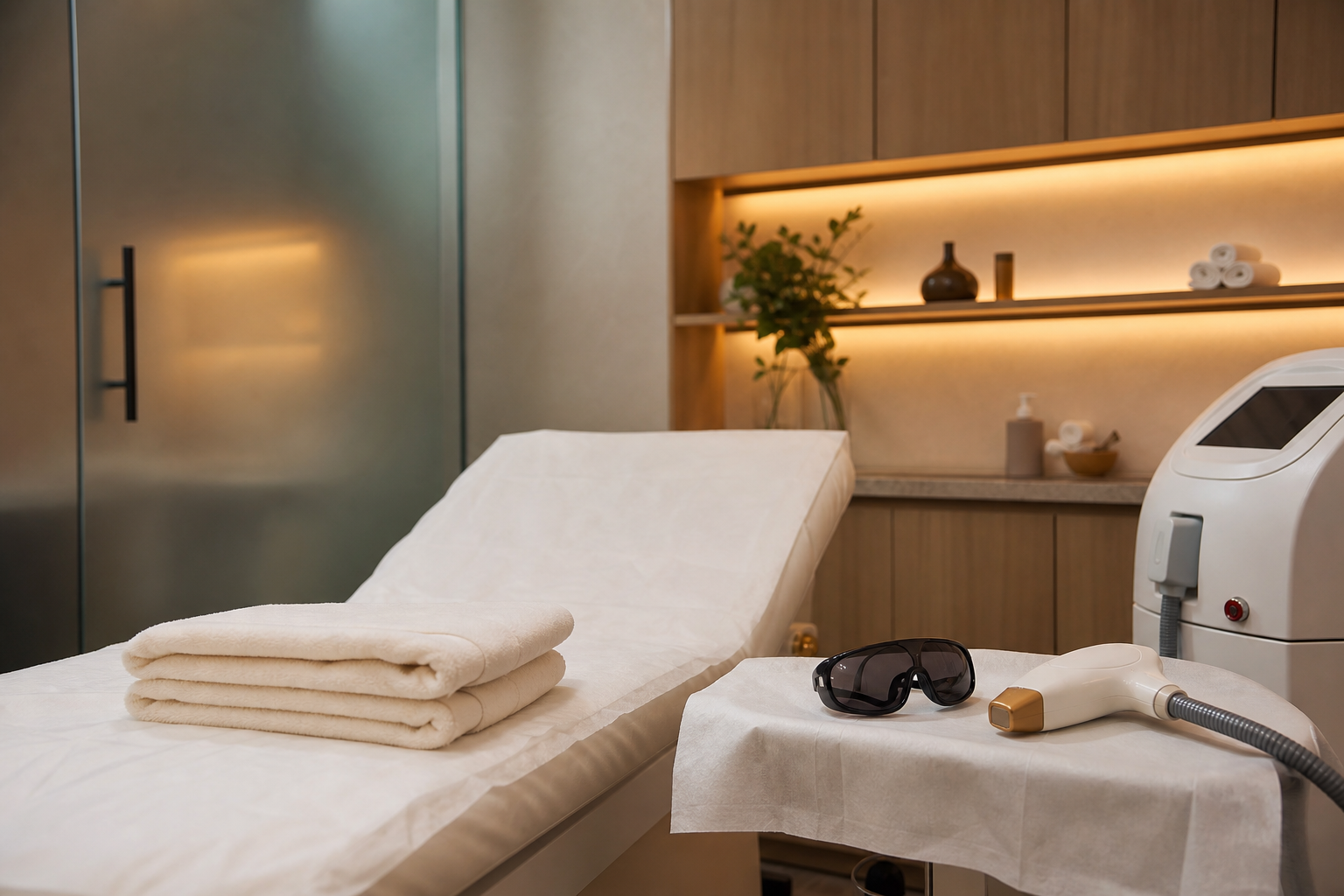
The treatment is performed in a private setting where hygiene standards are meticulously upheld with sterilization of instruments and use of disposable gloves and drapes. The goal is to achieve effective hair reduction while maintaining utmost respect for the client’s privacy and sensitivity.
Who Is an Ideal Candidate for Intimate Area Laser Hair Removal?
Suitable candidates for intimate area laser hair removal are typically adults seeking a semi-permanent or permanent reduction of unwanted hair in intimate locations. These individuals often prefer to alleviate the cycle of shaving, waxing, or other temporary methods that can cause irritation, ingrown hairs, or discomfort. Those with darker, coarser hair generally experience the most effective results due to the higher melanin concentration absorbing the laser energy efficiently.
While individuals with lighter hair colors such as blonde or gray may have limited response, advances in laser technology are gradually improving outcomes for a broader hair and skin type spectrum. Furthermore, clients with darker skin tones can be safely treated using longer wavelength lasers such as Nd:YAG, which better penetrate the skin while minimizing risks of pigmentary changes.
It is essential for candidates to have realistic expectations, understanding that multiple sessions—typically six to eight spaced several weeks apart—are necessary to address hairs at different growth phases for significant reduction. Consultation with a qualified practitioner helps determine candidacy by reviewing medical history, medications, and skin condition to prevent adverse effects.
How Is Privacy and Hygiene Ensured During Treatment?
Given the sensitivity of intimate area treatments, privacy and hygiene are paramount. Clinics and treatment centers implement protocols to maintain client confidentiality, performing procedures in private rooms and limiting personnel access. Clients are properly draped to expose only the treatment zone, fostering comfort and dignity throughout the session.
Strict adherence to hygiene involves thorough cleansing of the treatment area before laser application, use of single-use disposable items where possible, and diligent sterilization of any reusable equipment. Practitioners wear protective gloves and change them between patients. Treatment surfaces are disinfected methodically to minimize infection risk.
Effective communication ensures the client is fully informed about each step and empowered to express any discomfort or concerns during the process. This professional approach avoids any sexualization of the procedure, focusing purely on medical-aesthetic care.
What Role Does Skin Pigmentation Play in Intimate Laser Hair Removal?
Skin tone and hair color critically influence laser selection and treatment parameters. The laser targets melanin in hair follicles; thus, a contrast between hair and skin color facilitates optimal energy absorption. Light skin with dark hair typically yields the best results, but darker skin types require careful parameter adjustments to reduce risks of burns or hyperpigmentation.
Lasers with longer wavelengths such as Nd:YAG are favored for darker skin because they penetrate deeper and are less absorbed by epidermal melanin, offering a safer profile. Conversely, alexandrite lasers with shorter wavelengths are efficient for lighter skin tones. Practitioners assess Fitzpatrick skin typing and hair characteristics during consultation to individualize the treatment safely.
Irregular pigmentation, such as freckles or moles in the intimate region, are carefully evaluated and excluded from direct lasing to avoid inadvertent skin damage. Overall, proper device choice and expert calibration mitigate pigment-related complications.
What Preparations Are Necessary Before Undergoing Laser Hair Removal in Intimate Areas?
Preparatory steps are crucial for the safety and efficacy of the treatment. Clients are advised to avoid tanning or sun exposure to the treatment area for several weeks prior, as sunburned or tanned skin increases the likelihood of adverse effects. Use of self-tanning products should be discontinued to avoid interference with laser energy absorption.
Shaving the area gently one to two days before the appointment is recommended to remove hair shafts above the skin surface without disturbing the follicle, which is the laser’s target. Waxing, plucking, or epilating should be avoided for at least four weeks before the procedure as these methods remove the follicle and reduce laser effectiveness.
Clients should also inform their provider of any medications, especially photosensitizing drugs like certain antibiotics or retinoids, which may require pausing the treatment or adjusting parameters. On the day of treatment, the area should be clean and free from lotions, deodorants, or creams.
How Does Menstruation Impact the Timing and Experience of Laser Hair Removal Sessions?
While menstruation itself is not a contraindication for intimate area laser hair removal, some individuals report heightened skin sensitivity or discomfort during their menstrual cycle, which may affect their tolerance for the treatment. Practitioners often prefer to schedule sessions outside of active menstruation for client comfort, although flexibility is maintained based on individual preference and symptom severity.
Open communication about menstrual status allows the provider to adjust techniques, use cooling measures, or when necessary, reschedule the appointment to ensure a more comfortable experience. It is important to recognize that hormonal fluctuations during the cycle may also subtly influence hair growth patterns, potentially impacting treatment results.
What Aftercare Steps Support Optimal Healing and Long-Term Results?
Post-treatment care focuses on soothing the skin, preventing irritation, and protecting from sun exposure. Clients are advised to avoid hot baths, saunas, or strenuous exercise for 24 to 48 hours to reduce inflammation. Application of gentle, fragrance-free moisturizers or aloe vera gels can help alleviate any redness or mild swelling.
Direct exposure to sunlight should be minimized for at least several weeks following treatment, and broad-spectrum sunscreen with high SPF is recommended to prevent pigmentary changes. Clients should refrain from using harsh skincare products such as exfoliants, retinoids, or chemical peels on the area until fully healed.
Wearing loose clothing after sessions minimizes friction and irritation. Regular follow-up appointments enable practitioners to monitor progress, manage any side effects promptly, and plan subsequent treatments to maintain consistent hair reduction.
What Are the Contraindications for Intimate Area Laser Hair Removal?
Certain medical conditions and circumstances preclude safe laser hair removal. Active skin infections such as herpes simplex outbreaks, fungal or bacterial infections in the treatment zone must resolve before proceeding. Skin disorders causing inflammation or lesions, including eczema or psoriasis flares, are contraindications during active phases.
Pregnancy and breastfeeding warrant postponement to avoid potential risks, as safety data are limited during these periods. Clients using photosensitive medications or undergoing treatments that alter skin healing should consult their healthcare provider prior to sessions.
Individuals with autoimmune diseases, epilepsy triggered by light exposure, or those with a history of keloids or hypertrophic scarring require thorough evaluation. A detailed history and medical clearance help avoid complications, ensuring client safety.
What Realistic Outcomes Can Clients Expect After Laser Hair Removal in Intimate Areas?
Laser hair removal delivers significant and lasting hair reduction but does not guarantee complete permanent hair elimination. Clients often experience a 70 to 90% decrease in hair density and thickness following the recommended series of treatments. The gradual reduction aligns with the hair’s growth cycles, hence multiple sessions spaced over weeks are necessary.
While most hair decreases substantially, some fine or light-colored hairs may remain less responsive. Maintenance treatments may be required periodically to sustain results long term. The procedure substantially lowers issues associated with traditional removal methods such as razor burn, folliculitis, and ingrown hairs, enhancing comfort and skin appearance.
Managing expectations with professional guidance ensures clients appreciate the gradual nature of improvement and the importance of adherence to scheduled treatments and aftercare practices.


