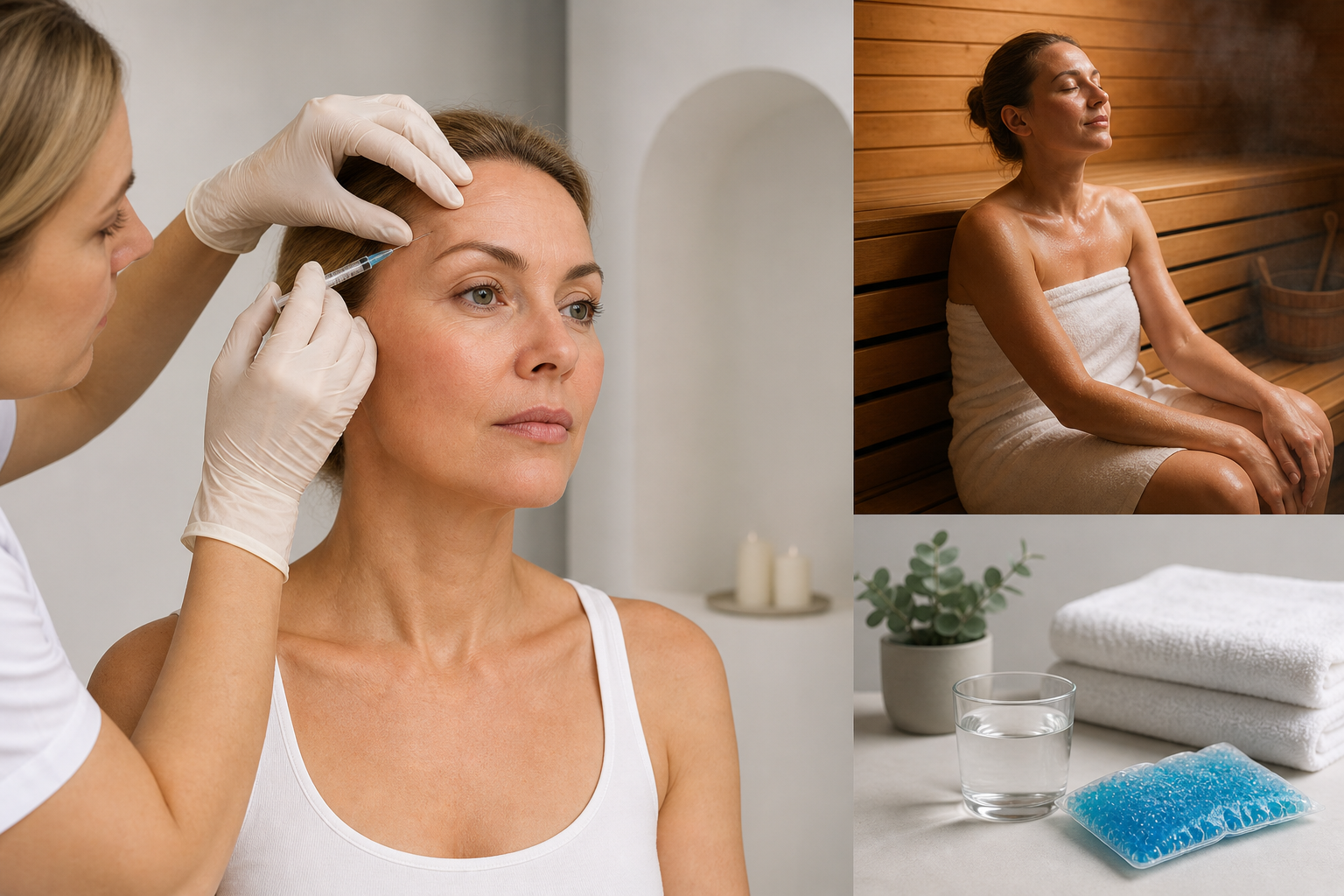
Botox has established itself as a leading non-surgical treatment in the realm of cosmetic dermatology, widely embraced for its capacity to smooth wrinkles and rejuvenate the appearance of the skin. Millions of individuals seek Botox injections annually to maintain a youthful visage, owing to the treatment's efficacy and minimally invasive nature. Yet, beyond the technicalities of the injection process itself, one critical aspect that often garners questions from patients concerns subsequent activities and the handling of environmental factors, notably the impact of heat exposure and sauna use following treatment.
Understanding the interaction between Botox and thermal environments is essential not only for safeguarding the treatment’s effects but also for minimizing complications. This topic holds particular relevance for individuals whose lifestyles incorporate frequent sauna visits or who reside in climates characterized by elevated temperatures, as well as for new patients weighing the considerations before committing to Botox injections. Navigating the complexities of heat exposure post-Botox requires a precise grasp of both the biological mechanisms at play and the practical guidelines advised by professionals.
This editorial undertakes a comprehensive examination of the implications tied to sauna use and heat exposure after Botox treatment. It aims to deliver expert guidance framed within the broader context of post-Botox care and activity, clarifying how heat influences Botox’s efficacy, delineating safety parameters, and furnishing actionable recommendations to optimize outcomes and ensure patient well-being.
The Biochemical Landscape of Botox and Temperature Sensitivity
At the core of Botox’s function is botulinum toxin type A, a neurotoxin that transiently inhibits acetylcholine release at neuromuscular junctions. This blockade results in muscular relaxation, effectively reducing dynamic facial wrinkle formation. The effect typically initiates within days and can last several months, depending on various factors including individual metabolism and injection site.
Importantly, Botox’s mechanism and persistence are influenced by the biochemical milieu around the injected tissues. Thermal exposure significantly modulates this environment. Heat induces vasodilation, enhancing local blood flow and accelerating the metabolic turnover within targeted muscles and surrounding dermal layers. Consequently, any increase in circulation and metabolic activity prompted by elevated temperatures or sauna sessions may precipitate an expedited clearance and degradation of the neurotoxin molecules.
Moreover, heat-induced vasodilation can amplify inflammatory responses, subtly raising the likelihood of transient edema, erythema, or minor bruising at injection sites. This is particularly pertinent during the initial days post-treatment when tissues are most reactive and healing processes are underway. Therefore, a well-informed approach to heat exposure ensures that the delicate balance between optimal therapeutic effect and tissue recovery is maintained.
Early Post-Treatment Period: Navigating the Crucial 48 Hours
The immediate period following Botox injection stands as a critical window wherein the neurotoxin’s integration into nerve terminals commences. During these first 24 to 48 hours, the skin and underlying tissues remain vulnerable to external influences. It is within this timeframe that heightened local temperature exposure, such as that experienced in a sauna setting, is most often cautioned against.
Thermal stress in this initial phase can disrupt the binding and internalization of the toxin within nerve endings. Enhanced circulation may facilitate premature diffusion of Botox away from the target site, diminishing its localized effect and potentially shortening the duration of wrinkle modulation. Furthermore, heat can cause increased swelling and discomfort, complicating the post-procedural recovery experience.
Medical professionals widely recommend abstaining from heat-intensive activities including saunas, steam rooms, hot tubs, and vigorous exercise that markedly raises core temperature during this crucial phase. By adhering to these precautions, patients offer their injected tissue an environment conducive to the neurotoxin’s optimal uptake and function, thereby supporting maximal efficacy and prolonging aesthetic benefits.
Resuming Sauna Use and Controlled Heat Exposure Beyond the Initial Healing Phase
Once the primary 48-hour post-injection period has elapsed and the skin’s immediate sensitivity subsides, patients often seek guidance on safely reintegrating heat-based indulgences such as sauna visits. The general consensus advocates for a gradual, mindful return to these practices rather than an abrupt resumption at previous intensities or durations.
Exposure to heat beyond the early days post-Botox might not inherently negate the therapeutic effects if managed prudently. Shorter sauna sessions at moderate temperatures paired with adequate hydration constitute a balanced approach. Individuals are advised to listen attentively to their bodies, discontinuing if any unusual sensations or adverse skin reactions arise.
It is also prudent to consider the frequency of sauna use in relation to Botox treatment scheduling. Regular, intense heat exposure might accelerate the metabolic degradation of Botox, potentially necessitating more frequent touch-ups to sustain desired results. Patients and clinicians can collaboratively devise plans that harmonize lifestyle activities with treatment goals.
Understanding Safety Considerations and Risk Mitigation Strategies
Maintaining safety during the interplay between Botox effects and heat exposure entails recognition and mitigation of specific risks. The most commonly documented adverse phenomena include increased localized swelling, redness, and minor bruising, which are typically transient but may cause patient discomfort and dissatisfaction.
More infrequent yet plausible concerns involve diminished Botox efficacy due to rapid clearance or unintentional diffusion away from target muscles. Such outcomes are especially likely to occur if patients neglect recommended heat avoidance intervals or engage in intense thermal activities prematurely.
To minimize these risks, a comprehensive post-treatment plan should incorporate:
Strict adherence to the advised heat avoidance window to protect toxin uptake phases.
Gentle skin care routines avoiding mechanical irritation around injection sites.
Clear communication with the treating healthcare provider about any planned heat exposure or symptoms experienced.
Prompt consultation if unusual or prolonged post-injection reactions are observed.
These measures form the foundation of a responsible patient regimen that supports both the integrity of the Botox treatment and overall skin health.
Personalized Recommendations: Tailoring Post-Botox Heat Exposure to Individual Profiles
Recognizing that each patient presents with unique physiological attributes and lifestyle patterns is fundamental when addressing post-Botox heat exposure protocols. Variations in skin sensitivity, circulatory health, and activity levels necessitate customization of advice and care.
For older patients or those with compromised skin integrity, a more conservative approach may be warranted, emphasizing extended intervals of heat avoidance and gentle reintroduction of sauna use. Conversely, younger individuals with robust skin and circulatory systems might tolerate earlier, moderated heat exposure without significant detriment to treatment outcomes.
Patients with underlying conditions such as vascular disorders, predisposition to edema, or heightened inflammatory responses require enhanced vigilance. Their treatment plans should be co-developed with specialists who can assess risks and tailor post-procedural guidance accordingly.
Engagement in regular physical exercise or habitual sauna visits should be disclosed during the consultation phase, enabling practitioners to align Botox scheduling with patient routines, thus optimizing the balance between cosmetic objectives and lifestyle preferences.


