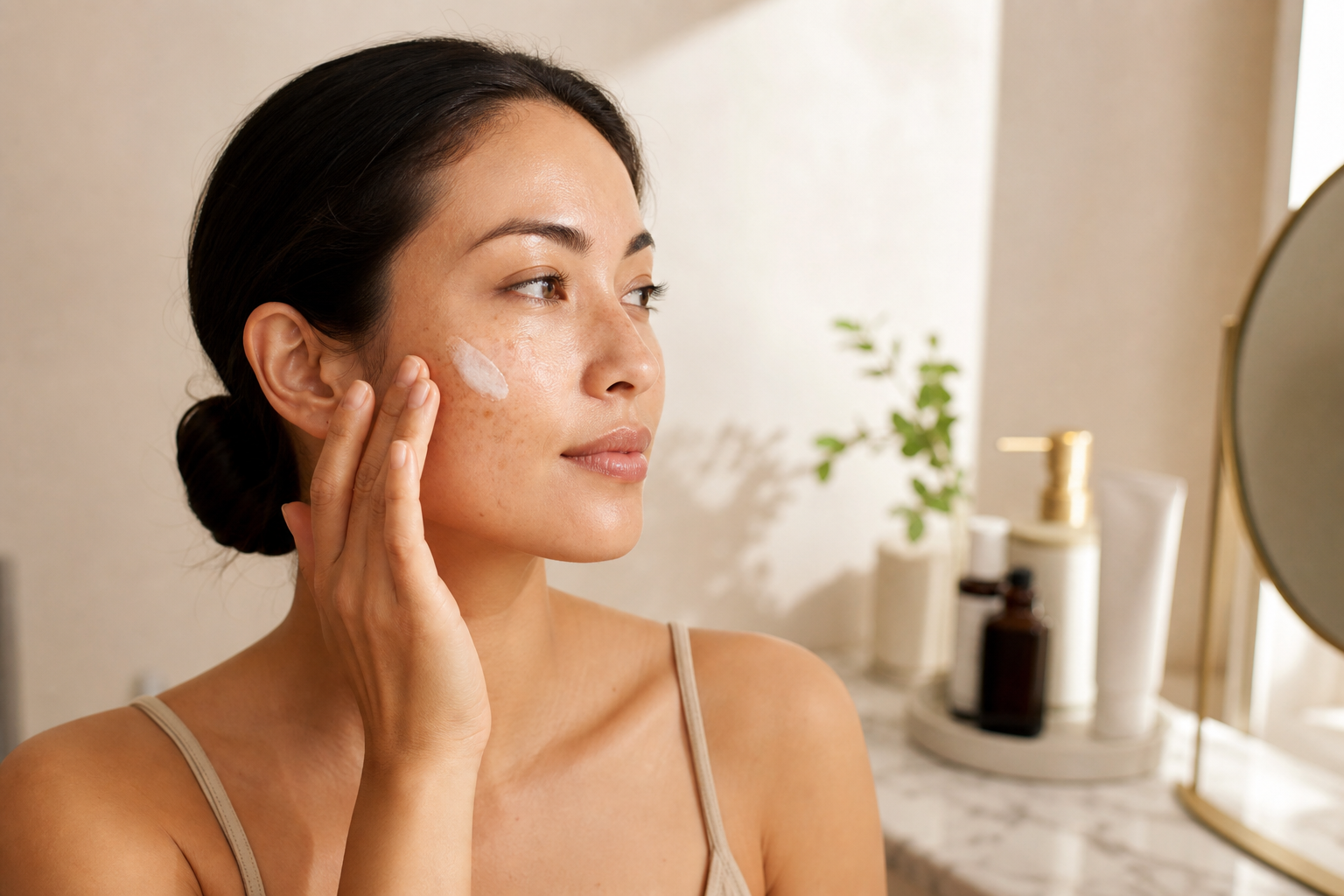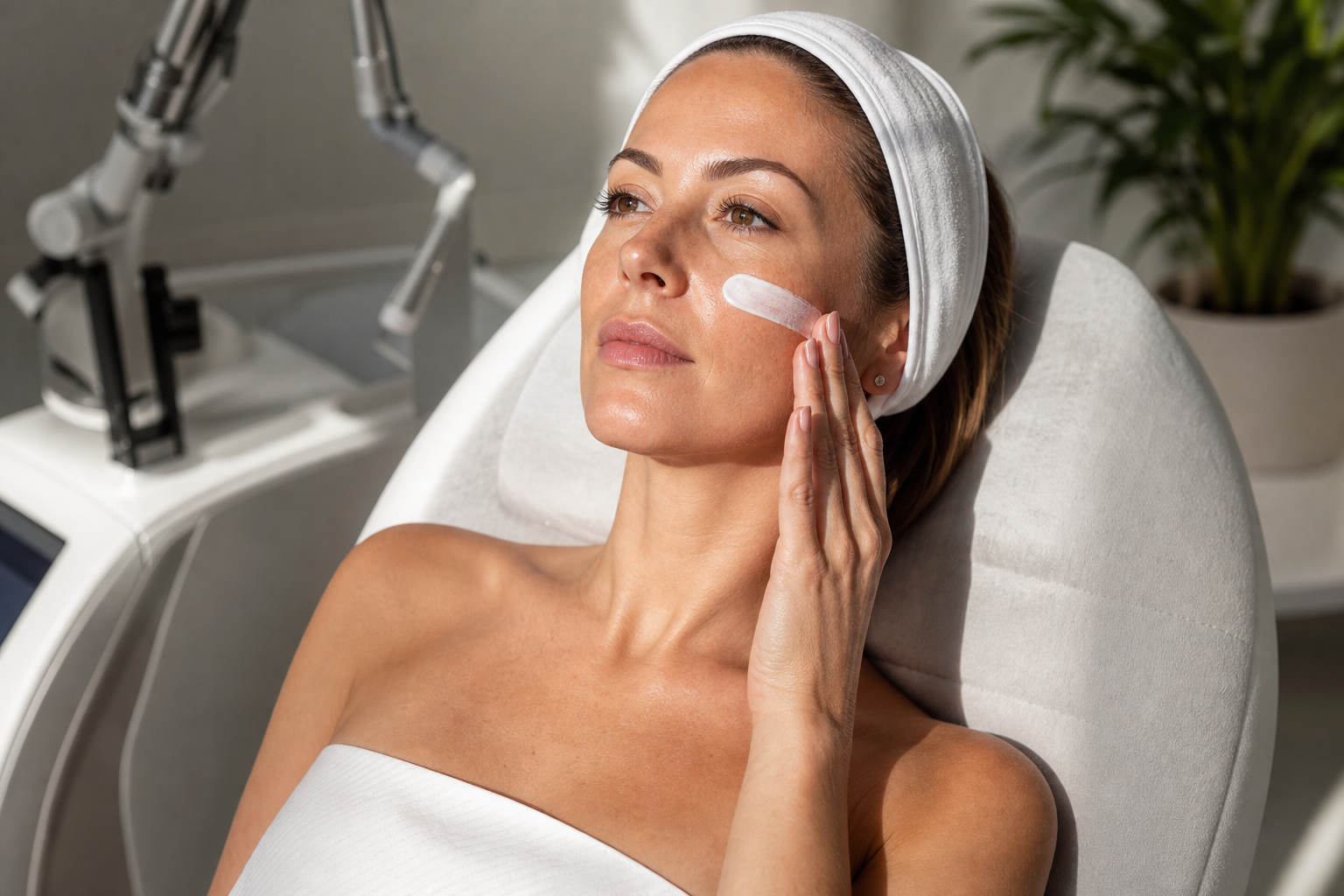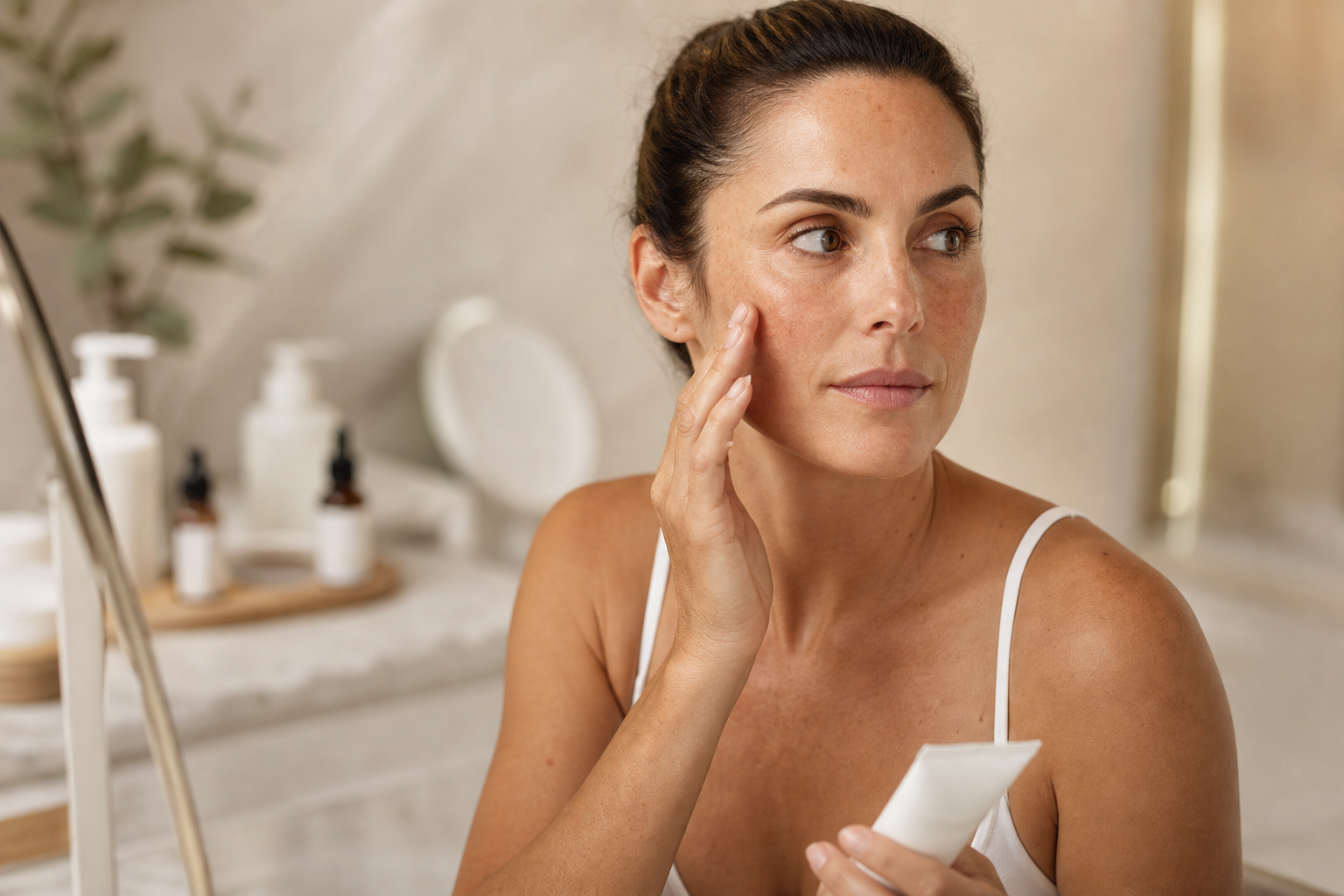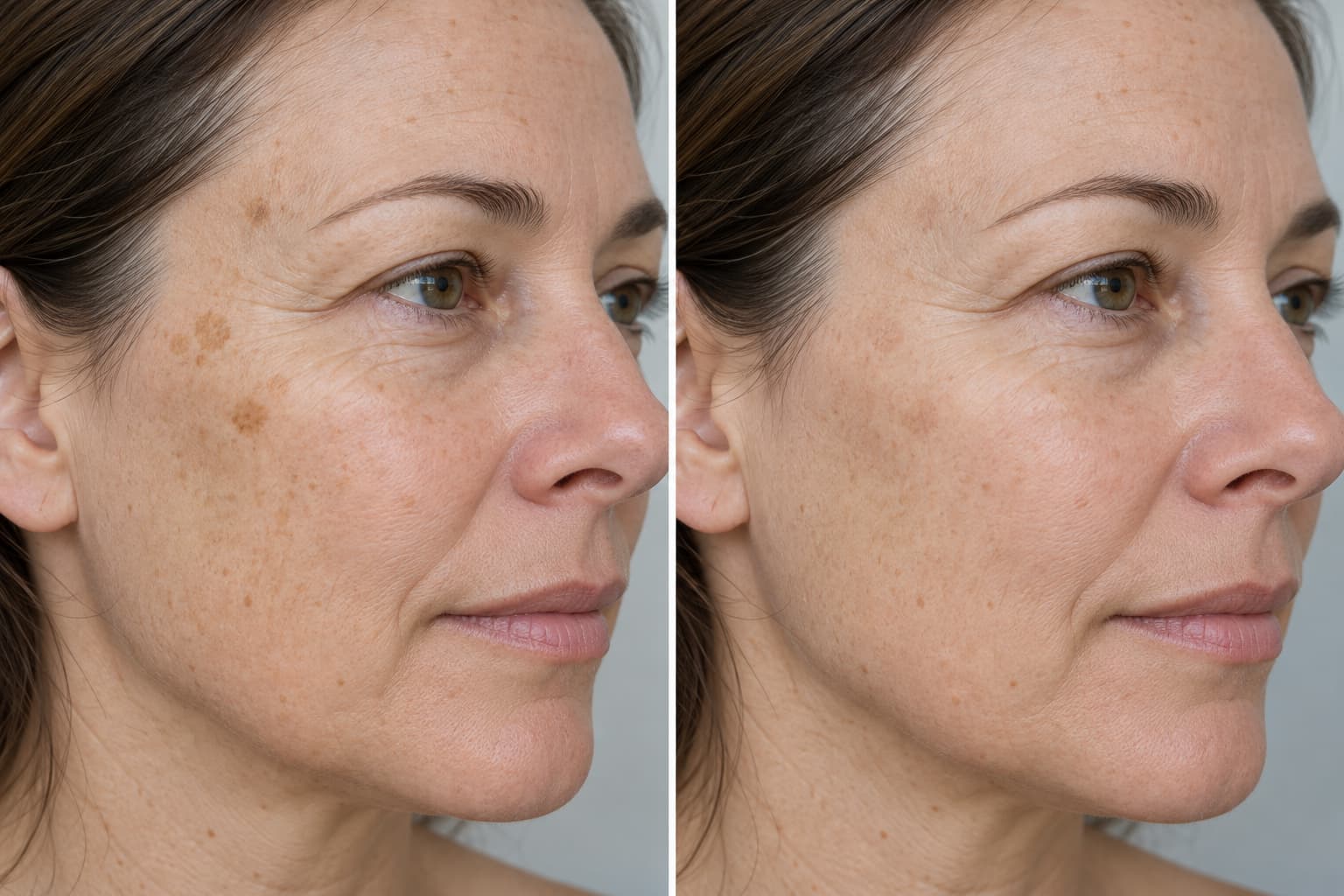
Before and after laser treatment for pigmentation, patients often seek a comprehensive understanding of the entire process—from preparation and immediate effects to recovery and long-term maintenance. Pigmentation issues, such as age spots, melasma, sunspots, and post-inflammatory hyperpigmentation, present a common cosmetic concern impacting many individuals aiming for a clear and even skin tone. Laser treatments offer a targeted, technologically advanced solution to these challenges by precisely breaking down excess melanin deposits in the skin.
This detailed editorial is intended for those considering laser pigmentation treatments, dermatology professionals looking to deepen their knowledge, or anyone interested in understanding what to expect throughout this transformative procedure. Understanding the step-by-step experience, potential reactions, and essential aftercare not only enhances patient confidence but also optimizes treatment outcomes.
Laser treatment for pigmentation matters because it directly addresses stubborn, visibly uneven skin tone issues that often resist topical therapies. Additionally, with the correct approach, laser therapy can promote skin rejuvenation, improving texture along with tone. Yet, this method requires precise consultation, individualized planning, and disciplined follow-up care, making patient education an integral part of the treatment pathway.
What Does Laser Treatment for Pigmentation Involve?
Laser treatment for pigmentation focuses on utilizing concentrated beams of light that target melanin—the pigment responsible for color in the skin. The procedure operates on photothermolysis principles, where specific wavelengths are absorbed preferentially by pigmented cells, causing controlled thermal damage that breaks down pigment clusters without harming surrounding tissue.
This selective targeting enables the progressive fading and removal of dark spots, melasma patches, and other forms of hyperpigmentation. Different laser technologies may be employed based on the patient's skin type, pigmentation depth, and lesion type. Commonly used lasers include Q-switched Nd:YAG, Alexandrite, and fractional lasers, each with distinct advantages for specific clinical scenarios.
The precision and versatility of laser treatments provide an effective option for people of various skin types seeking to reduce pigmentation irregularities. However, appropriate patient selection and laser choice are critical to prevent complications such as post-inflammatory pigment changes, scarring, or ineffective results.
Who Are Ideal Candidates for Laser Pigmentation Treatments?
Ideal candidates typically exhibit localized hyperpigmentation that is resistant to topical therapies and desire measurable improvement in skin tone uniformity. Suitable conditions include sun-induced solar lentigines, melasma—particularly hormonal-related—and post-inflammatory hyperpigmentation following acne or trauma.
Patients with lighter skin tones (Fitzpatrick I-III) often have a decreased risk of adverse pigmentary responses, but with technological advances, treatments can be tailored safely for medium to darker skin tones (Fitzpatrick IV-VI) as well. Nevertheless, a thorough dermatological assessment is essential to evaluate the pigmentation depth using tools like Wood’s lamp examination or dermoscopy.
Individuals with active skin infections, recent sunburn, or photosensitive medication use should postpone treatment until healed, as their skin may respond unpredictably. Similarly, patients with certain autoimmune disorders or a history of keloid scarring require cautious consideration and often alternative treatment options.
How to Prepare for a Laser Treatment for Pigmentation?
Preparation aims to optimize skin condition, minimize risks, and enhance laser efficacy. Patients are advised to avoid direct sun exposure and tanning beds for at least two to four weeks before the procedure to reduce baseline skin inflammation and photosensitivity.
Using broad-spectrum sunscreen with a minimum SPF of 30 is critical during this preparatory period to prevent additional pigmentation aggravation. Additionally, the discontinuation of topical agents that may sensitize the skin or increase peeling—such as retinoids, glycolic acid, and hydroquinone—should occur under prior medical guidance about one to two weeks before treatment.
Patients should also inform their dermatologist about any medications, supplements, or herbal products that could affect skin healing, such as blood thinners or photosensitizers. Avoiding waxing, chemical peels, or microdermabrasion therapies in the two weeks leading up to the laser session helps prevent overlapping skin irritation.
What Happens During the Laser Treatment for Pigmentation?
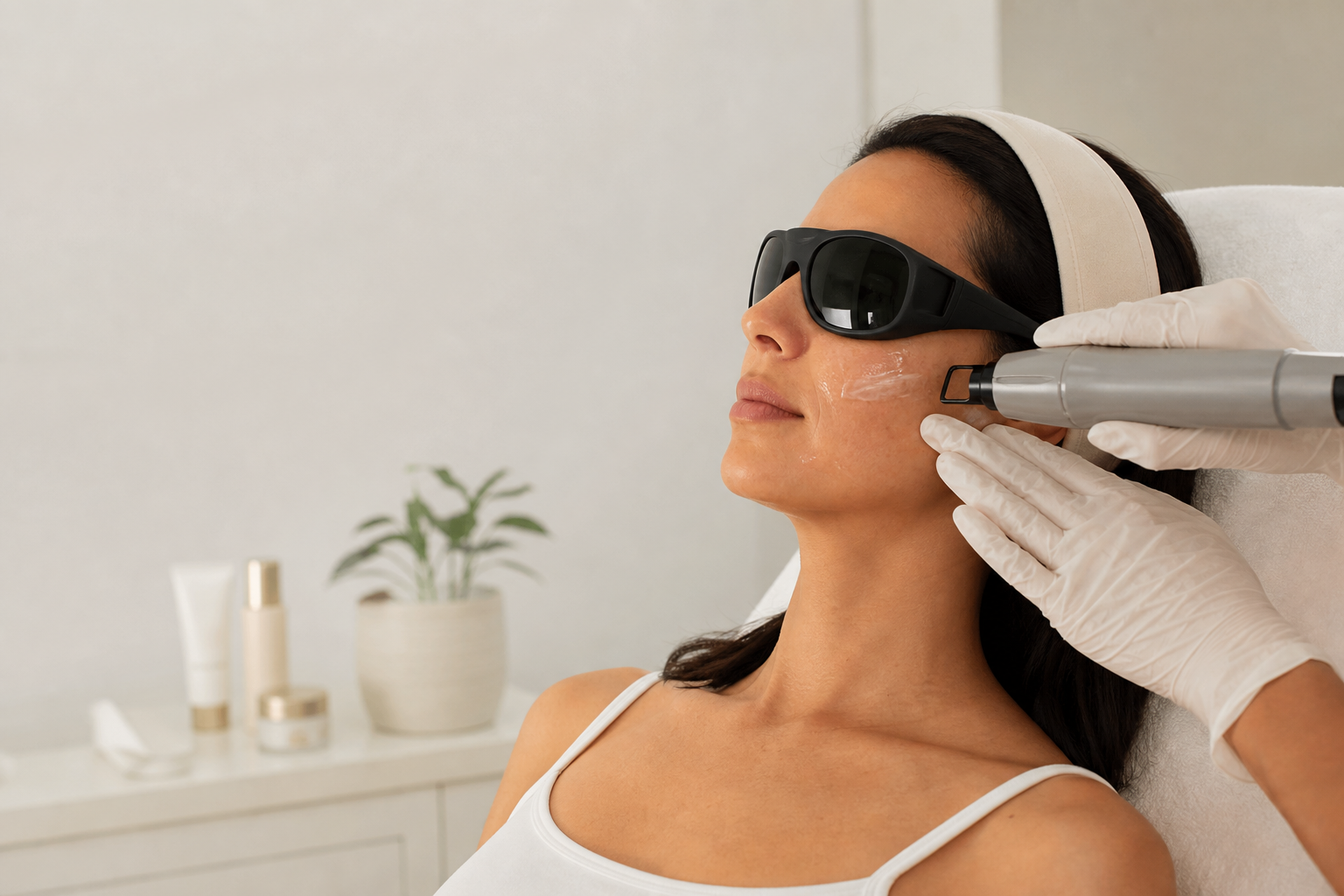
Upon arrival, the treatment area will be cleansed thoroughly to remove makeup, oils, and debris. Protective eyewear is mandatory to shield both patient and practitioner from laser exposure.
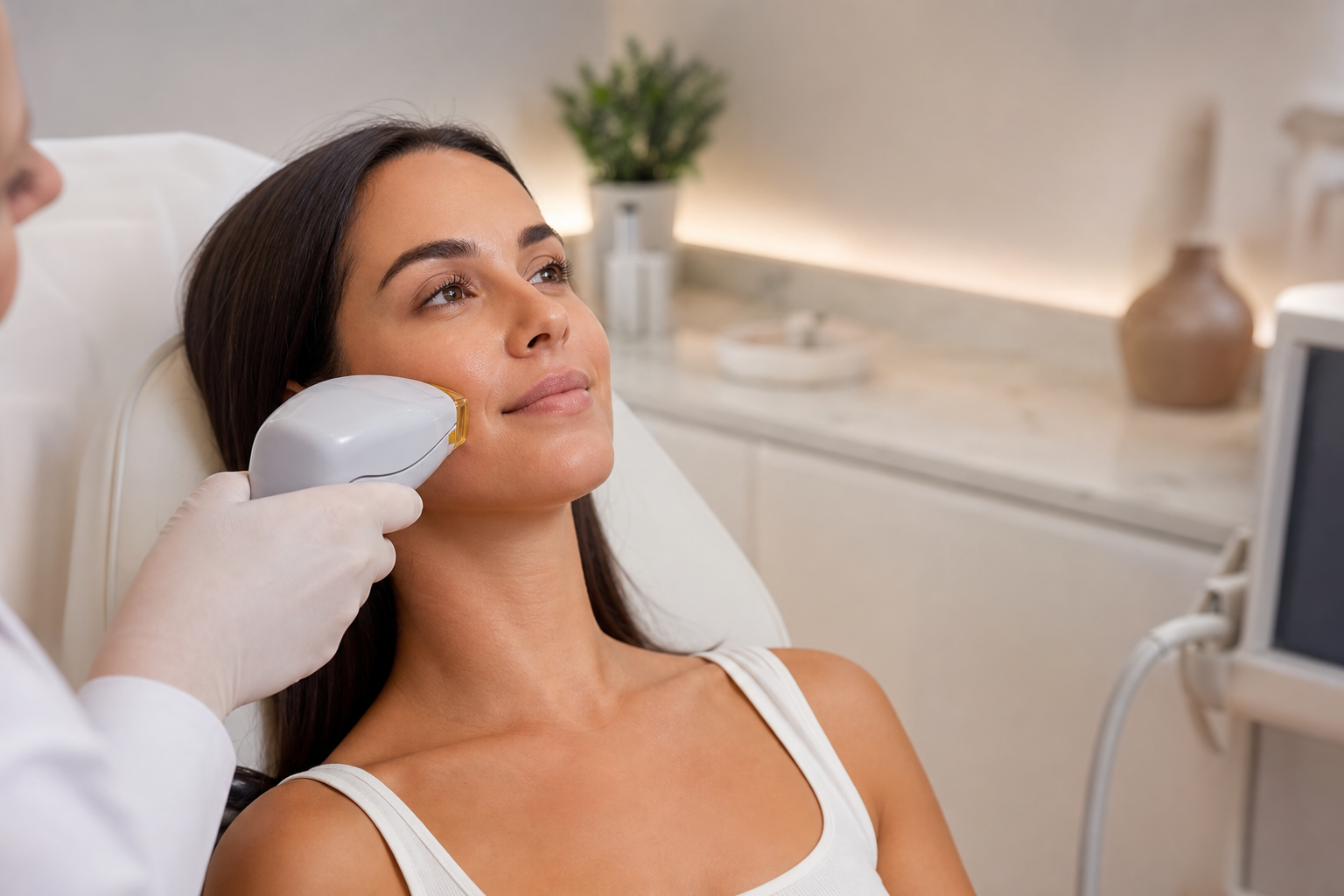
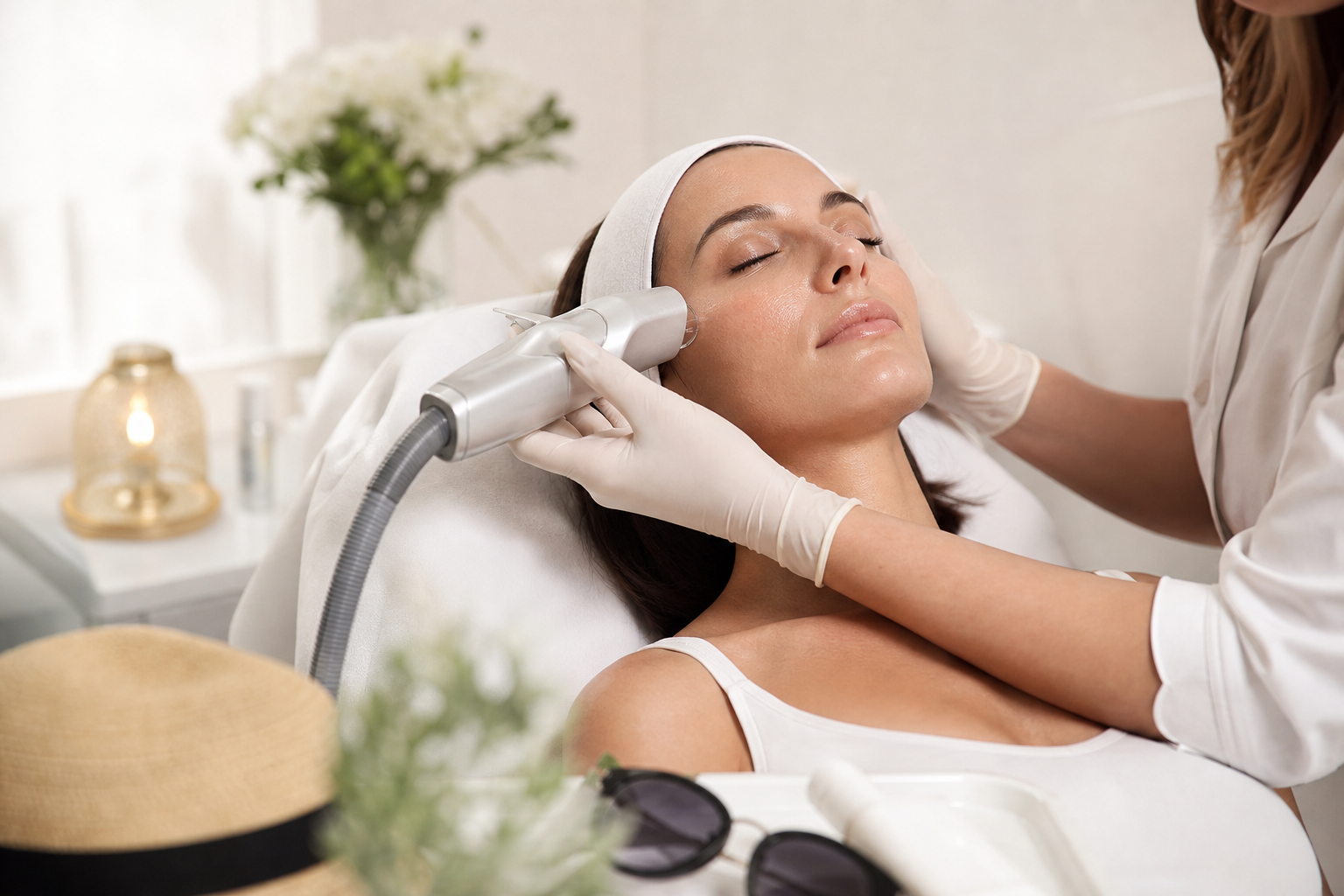
The dermatologist or laser technician selects appropriate parameters—such as wavelength, pulse duration, energy fluence—based on skin analysis and pigmentation characteristics. The laser handpiece is then applied systematically to the target areas, delivering controlled pulses of light energy. Sessions typically last between 10 and 60 minutes depending on the extent and number of pigmentation sites.
Patients might experience sensations of mild pinpricks, warmth, or tingling during the session. Many modern laser systems incorporate integrated cooling mechanisms or topical anesthetics to ensure comfort. Continuous monitoring of skin reaction guides real-time adjustments to optimize outcomes and safety.
What Does the Skin Look Like Immediately After Laser Pigmentation Treatment?
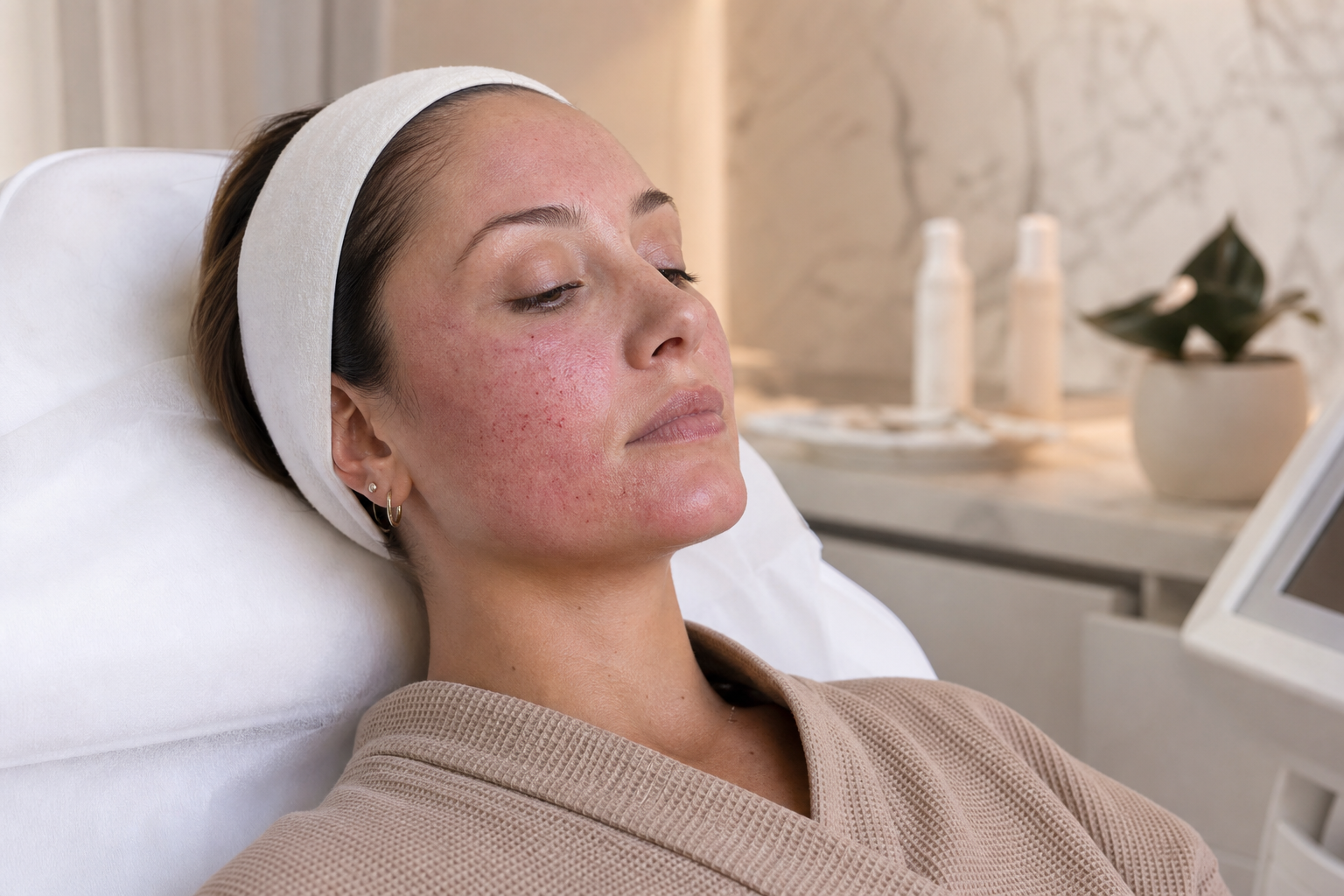
Immediately post-treatment, the skin generally exhibits mild erythema (redness), swelling, and a sensation akin to sunburn. The treated pigmented spots may darken temporarily—a phenomenon often termed "immediate pigment darkening." This occurs due to melanin oxidation and pigment aggregation caused by laser energy absorption.
In some cases, microscopic crusting or pinpoint bleeding can be observed but usually resolves within days. While individual responses vary, transient discomfort and visible changes typically subside within a few hours to several days. It's crucial to adhere to post-procedure care to mitigate risks and support healing.
How Long Is Recovery After Laser Treatment for Pigmentation?
The recovery duration depends on the laser type and treatment intensity. For superficial pigmentation removal, downtime may be minimal, ranging from a few hours to 2-3 days. More aggressive or fractional laser treatments might require a recovery window of about one to two weeks.
During recovery, it is essential to maintain hydration with gentle moisturizers, avoid any mechanical exfoliation, and protect the skin from UV radiation rigorously. Patients should refrain from applying makeup until the skin barrier restores, usually 2-3 days post-treatment, or as advised by the practitioner.
Following personalized aftercare instructions supports skin regeneration, minimizes complications such as post-inflammatory hyperpigmentation or hypopigmentation, and improves the overall aesthetic outcome.
When Do the First Visible Results of Laser Pigmentation Treatment Appear?
Initial improvements often become noticeable within two to four weeks as fragmented pigment is naturally shed and the skin renews itself. However, the complete fading of stubborn pigmentation typically requires multiple sessions and several months of gradual improvement.
Clinical experience shows that cumulative laser treatments stimulate collagen remodeling and improved skin texture in addition to pigment clearing. Patience and adherence to follow-up schedules allow optimal results to manifest and stabilize over time.
How Many Laser Sessions Are Usually Required for Pigmentation?
The number of sessions is individualized, generally ranging from three to six treatments spaced approximately four to six weeks apart. This interval permits the skin to heal fully and for the laser to impact progressively residual pigment.
Complex or hormonally influenced pigmentations like melasma might require ongoing maintenance treatments and adjunctive therapies, including topical regimens. The dermatologist tailors treatment frequency and duration based on response, skin type, and lifestyle factors affecting pigmentation recurrence.
Why Does Pigmentation Temporarily Darken After Laser Treatment?
Temporary darkening post-laser is a common physiological response resulting from melanocyte activity and pigment oxidation. When melanin absorbs laser energy, it may initially cluster and become more concentrated on the skin surface, making spots appear deeper in color before eventual fading.
This transient phase can last from several days to two weeks, but it is an encouraging sign indicating effective laser action on pigment deposits. Patients are counseled not to pick at or scrub the treated areas during this phase to avoid disruption of the natural exfoliation process.
What Protective Measures After Treatment Help Maintain Long-Term Results?
Sun protection is paramount in sustaining laser treatment benefits. Daily application of a high SPF broad-spectrum sunscreen (minimum SPF 50) shields against UVA and UVB rays that could reactivate pigmentation processes. Protective clothing, hats, and limiting outdoor exposure during peak sunlight hours further enhance defense.
Incorporating antioxidant-rich serums and skin barrier-supporting moisturizers aids recovery and further pigmentation control. Avoidance of irritants and harsh skincare products during the post-treatment period reduces inflammation-triggered pigment rebound.
Regular dermatological evaluations enable early detection of new pigmentation and prompt management to preserve skin clarity.
How Does Seasonal Planning Affect Laser Pigmentation Treatment Success?
Scheduling laser sessions during seasons with diminished sun exposure, like autumn and winter, significantly lowers the risk of post-treatment photo-sensitivity and hyperpigmentation recurrence. The reduced ambient UV indices during these months favor safer skin healing and improved tolerance for multiple sessions if needed.
Conversely, summer treatments necessitate stringent photoprotection strategies and sometimes carry an increased risk profile for pigmentary side effects. Hence, careful season-specific planning, customized to patient lifestyle and geographic location, improves safety and efficacy.
Can Pigmentation Return After Laser Treatment, and How Can It Be Prevented?
Although laser treatments markedly reduce visible pigmentation, complete permanence cannot be guaranteed, especially if underlying triggers persist. Sun exposure, hormonal fluctuations, and skin injury can stimulate melanocyte hyperactivity anew, leading to recurrence.
Prevention hinges on consistent sun avoidance and protection, use of maintenance topical agents prescribed by dermatologists, and lifestyle modifications. Periodic touch-up treatments may be necessary to sustain results long-term. Patient education about these factors is critical for realistic expectations and ongoing skin health.